When you’re cooking or baking, getting your measurements right can make all the difference between a perfect dish and a kitchen disaster. But have you ever wondered if using a liquid measuring cup instead of a dry one really matters?
You might think they’re the same, but the truth could surprise you. Understanding the difference can save you time, frustration, and even improve your recipes. Keep reading to discover why choosing the right measuring cup is a small step that can lead to big results in your cooking.
Types Of Measuring Cups
Measuring cups help you get the right amount of ingredients. There are two main types: liquid and dry measuring cups.
Each type is made for a specific use in the kitchen. Using the right cup can make your cooking better.
Liquid Measuring Cups
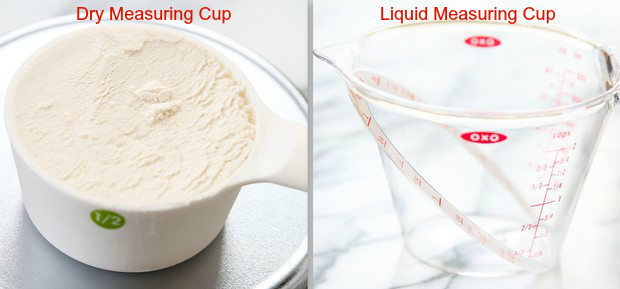
Liquid measuring cups are usually made of glass or clear plastic. They have a spout for easy pouring and measurement marks on the side.
These cups are designed to measure liquids like water, milk, or oil. The clear sides help you see the exact amount without spilling.
- Made of glass or clear plastic
- Have a spout for pouring
- Measurement marks on the side
- Used for liquids like milk or oil
Dry Measuring Cups
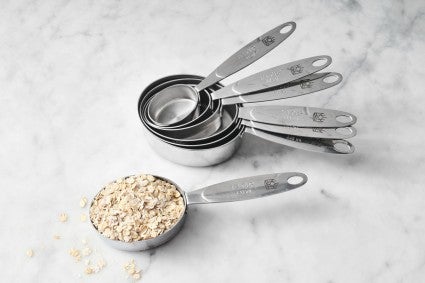
Dry measuring cups are usually made of metal or plastic. They come in sets with different sizes like 1 cup, 1/2 cup, and 1/4 cup.
These cups are made for dry ingredients such as flour, sugar, or rice. You fill the cup and then level it off with a flat edge for accuracy.
- Made of metal or plastic
- Come in sets with different sizes
- Used for dry ingredients like flour
- Fill and level off for exact measure
Credit: kirbiecravings.com
Design Features
Measuring cups come in two main types: liquid and dry. Each type has special design features. These features help measure ingredients correctly.
Understanding these design differences can help you pick the right cup for your cooking or baking.
Material And Shape
Liquid measuring cups are often made of glass or clear plastic. This lets you see the liquid inside easily. They usually have a spout for pouring without spilling.
Dry measuring cups are usually metal or opaque plastic. They have a solid shape with a flat top. This helps you level off dry ingredients like flour or sugar.
- Liquid cups: glass or clear plastic, with a pouring spout
- Dry cups: metal or opaque plastic, flat top for leveling
- Liquid cups have a wider shape to hold liquids safely
- Dry cups are shaped for easy scooping and leveling
Measurement Markings
Liquid measuring cups have markings on the side. These marks show different amounts. You can read them while the cup is on a flat surface.
Dry measuring cups do not usually have marks inside. Instead, each cup measures one full unit, like 1 cup or 1/2 cup. You fill the cup and level it off for accuracy.
- Liquid cups have clear side markings for different volumes
- Dry cups measure one exact amount each
- Markings on liquid cups are easy to read at eye level
- Dry cups rely on leveling off the top for accuracy
Accuracy In Measurement
Measuring ingredients correctly is important for cooking and baking. Using the right tools helps get better results.
Liquid and dry measuring cups look similar but work differently. This difference affects how accurate your measurements are.
Measuring Liquids
Liquid measuring cups have space above the markings. This space stops spills when you pour liquids.
You read the liquid level at eye level. This helps avoid mistakes from looking at an angle.
- Look for clear markings on the cup
- Use a cup with a spout for easy pouring
- Read the measurement at eye level
- Fill to the right line without going over
Measuring Dry Ingredients
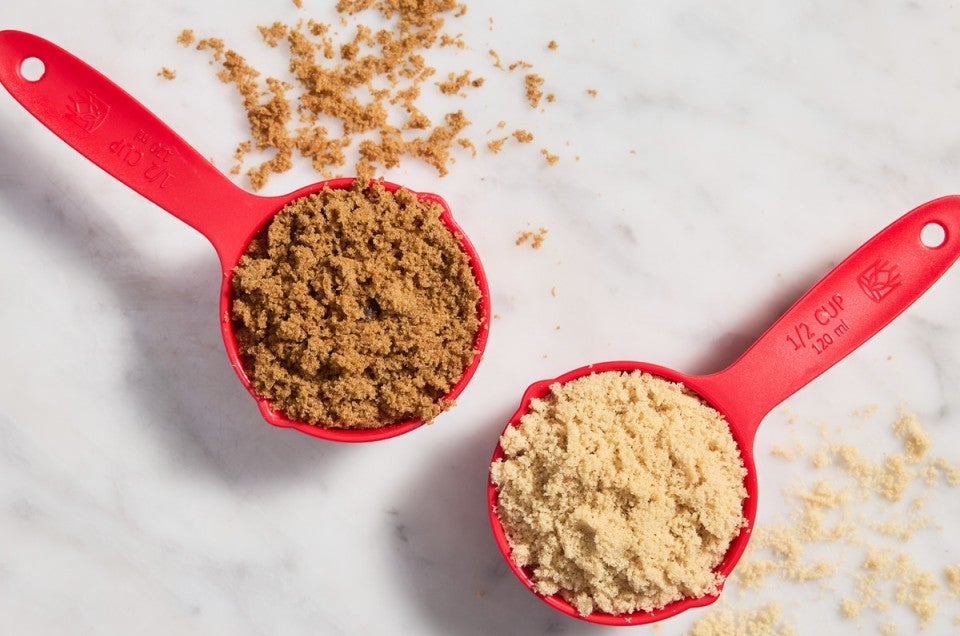
Dry measuring cups are meant to be filled and leveled off with a flat edge. This method gives an exact amount.
Spoon dry ingredients into the cup. Then use a knife to level it off. This stops packing the ingredient too tightly.
- Use dry cups only for dry ingredients
- Do not shake or tap the cup to fill it
- Level off with a straight edge for accuracy
- Do not fill above the cup’s edge
Credit: www.kingarthurbaking.com
When To Use Each Type
Measuring cups come in two main types: liquid and dry. Each type works best for certain ingredients.
Using the right measuring cup helps you get accurate amounts for your recipes. This improves cooking and baking results.
Cooking Applications
Liquid measuring cups are best for water, milk, oils, and other liquids. They usually have a spout for easy pouring.
Dry measuring cups are not ideal for liquids. They work well for solid or thick ingredients like sugar or flour in cooking.
- Use liquid cups for broths, sauces, and juices
- Use dry cups for rice, beans, and chopped vegetables
- Liquid cups help avoid spills while pouring
Baking Applications
Dry measuring cups are important for baking. Ingredients like flour, sugar, and cocoa powder need to be leveled off.
Liquid measuring cups are used for milk, water, and oils in baking recipes. They help measure exact liquid amounts without spills.
- Use dry cups for flour, sugar, baking powder, and nuts
- Use liquid cups for milk, melted butter, and vanilla extract
- Level off dry ingredients to avoid adding too much
Common Mistakes To Avoid
Measuring ingredients correctly is important for good cooking and baking results.
Using the wrong measuring cup or reading measurements wrong can cause problems with your recipe.
Using The Wrong Cup
Liquid and dry measuring cups are made for different ingredients. Using one for the other can change the amount you use.
- Dry cups are meant for flour, sugar, and small solid ingredients.
- Liquid cups have space at the top to prevent spills and a spout for pouring.
- Using a dry cup for liquids can cause spills and inaccurate amounts.
- Using a liquid cup for dry items can make it hard to level off the ingredient.
Reading Measurements Incorrectly
Reading the measurement at the wrong eye level or ignoring the markings can cause errors.
| Common Reading Mistakes | How to Avoid |
| Looking from above or below the measurement line | Check the measurement at eye level on a flat surface |
| Ignoring the meniscus on liquid measurements | Read the bottom of the liquid curve carefully |
| Not leveling off dry ingredients in the cup | Use a flat edge to level dry ingredients |
| Mixing metric and US cup sizes | Use the correct cup size for the recipe |
Credit: www.kingarthurbaking.com
Tips For Precise Measuring
Measuring ingredients correctly helps your recipes turn out right. Using the right tools and methods makes a big difference in cooking and baking.
Liquid and dry measuring cups are not the same. Knowing how to use each tool carefully improves your results.
Leveling Dry Ingredients
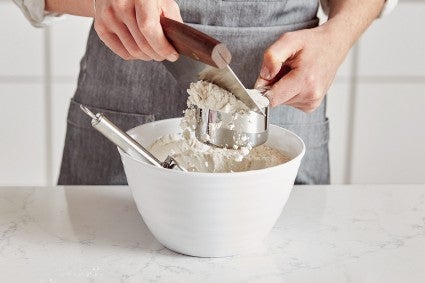
Dry ingredients need to be leveled to avoid using too much or too little. Always fill the cup and then level it off for accuracy.
- Fill the dry measuring cup with the ingredient.
- Use a flat edge like a knife or spatula to level off the top.
- Avoid shaking or tapping the cup to settle the ingredient.
- Check that the ingredient is even with the top edge of the cup.
Checking Liquid Meniscus
Liquid measuring cups have space at the top to prevent spills. Look at the liquid level at eye height to get the correct amount.
| Step | Action |
| 1 | Place the cup on a flat surface. |
| 2 | Bend down to eye level with the cup. |
| 3 | Read the bottom curve of the liquid (meniscus). |
| 4 | Adjust the amount if needed for accuracy. |
Versatile Alternatives
Measuring cups come in two main types: liquid and dry. Each type works best for certain ingredients. But you can use other tools too. These tools help you measure ingredients in different ways.
Using versatile alternatives can save space and time in the kitchen. They also make measuring easier for many recipes.
Measuring Spoons
Measuring spoons are small and precise. They work well for tiny amounts of ingredients like spices and baking powder. You can use them for both dry and liquid items.
They come in sets with common sizes like 1 teaspoon and 1 tablespoon. Measuring spoons are easy to clean and store. They are perfect when you need to measure small amounts quickly.
- Use them for spices, salt, and baking powder
- Good for small amounts of liquid like vanilla extract
- Fits easily in kitchen drawers
Digital Scales
Digital scales measure ingredients by weight. This is very accurate. You can use scales for all types of ingredients, dry or liquid. Just place a bowl on the scale and add the ingredient.
Scales show the weight in grams or ounces. They help make sure your recipe is exact. Using a digital scale can reduce the need for different measuring cups.
- Measures dry and liquid ingredients
- Shows weight in grams or ounces
- Easy to clean and store
- Helps with recipe accuracy
Frequently Asked Questions
What Are Liquid Measuring Cups Used For?
Liquid measuring cups are designed for measuring liquids like water, milk, or oil. They usually have a spout for easy pouring. These cups often have measurement markings on the side, allowing for precise measurements of fluids without spills.
Can Dry Measuring Cups Measure Liquids Accurately?
Dry measuring cups aren’t ideal for liquids. They lack a spout, making pouring difficult and messy. They’re designed for ingredients like flour or sugar. For liquids, use a liquid measuring cup to ensure accuracy and avoid spills.
Why Do Measuring Cups Have Different Designs?
Different designs cater to specific needs. Liquid cups have spouts for easy pouring and markings for precision. Dry cups are stackable for easy storage and are designed for scooping and leveling dry ingredients like flour or sugar.
Do Measuring Cup Materials Affect Accuracy?
Measuring cup materials don’t impact accuracy. However, transparency in liquid cups helps read measurements easily. Durable materials like glass or metal ensure longevity. Use appropriate measuring cups for their intended purpose to achieve the best results in cooking and baking.
Conclusion
Using the right measuring cup makes cooking easier and more accurate. Liquid cups have space for pouring and clear marks. Dry cups let you level off ingredients for exact amounts. Mixing them up can change your recipe’s outcome. Choose the cup that fits your ingredient type.
Small changes can affect taste and texture. Remember, simple tools help create better meals every time. Keep both types handy in your kitchen for best results. Cooking becomes less stressful and more fun this way.