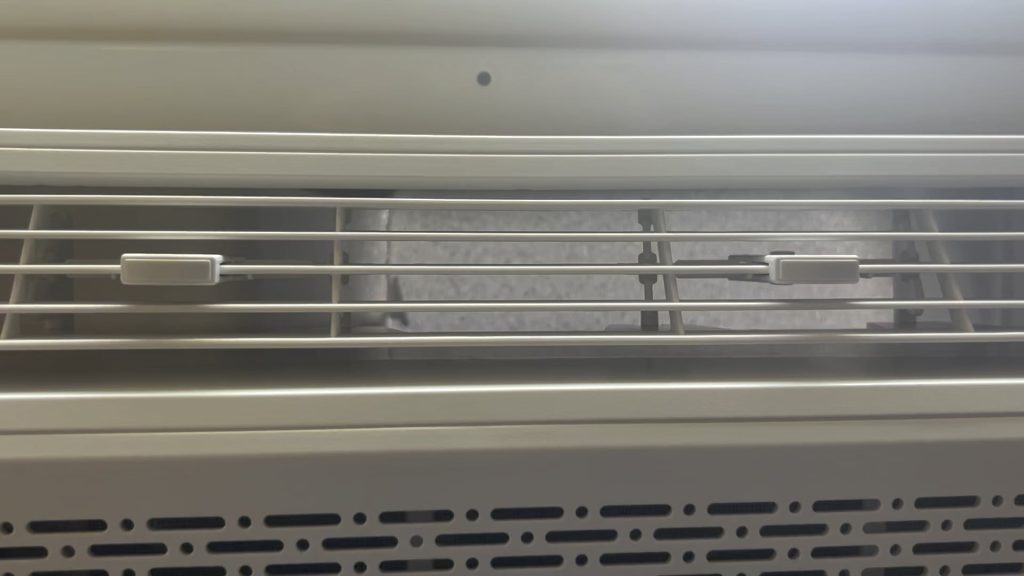
Have you ever opened your air conditioner and spotted pieces of Styrofoam inside? You might be wondering if that’s normal or a sign something is wrong.
Finding unexpected materials in your AC can be confusing and a little worrying. But don’t panic just yet. Understanding why Styrofoam might be there and what it means for your unit can save you time, money, and stress. Keep reading to find out if Styrofoam belongs in your air conditioner and what you should do if it shows up.
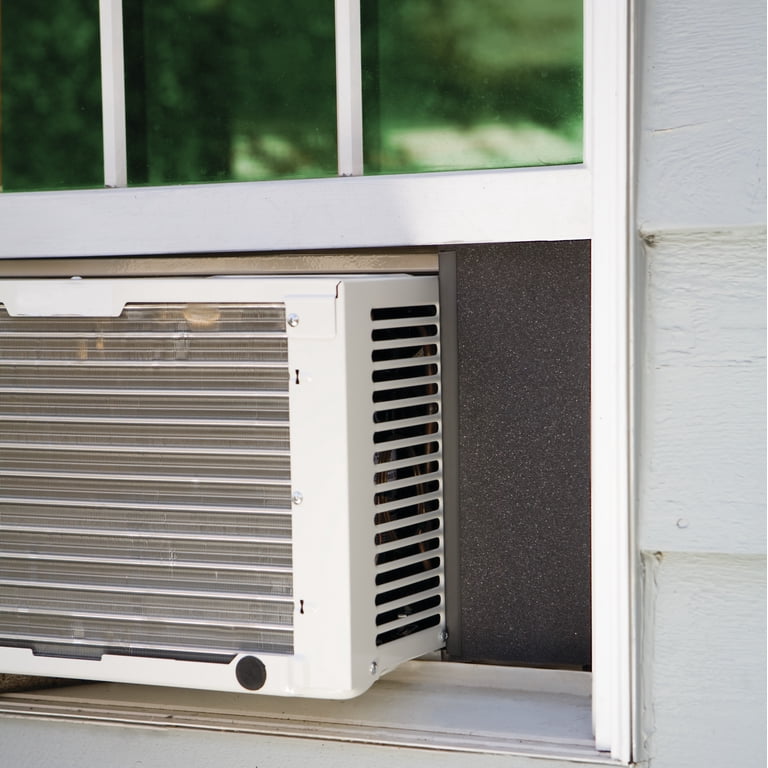
Credit: www.walmart.com
Styrofoam In Air Conditioners
Styrofoamis often used in air conditioners for insulationand protection. It helps keep the unit cooland prevents parts from getting damaged during shipping. You might find small pieces inside the packaging or near the compressor area.
Common uses of styrofoam in air conditioners include:
- Protecting delicate components during transport
- Insulating parts to reduce noise and vibrations
- Filling gaps to improve energy efficiency
Styrofoam might appear:
- Inside the packaging box
- Near the compressor or fan housing
- Between internal panels for insulation
Potential Reasons For Styrofoam Presence
Styrofoam pieces might appear in your air conditioner due to damaged insulation or broken internal parts. Sometimes, leftover packaging materials accidentally remain inside during installation. These fragments can cause blockages or reduce the unit’s efficiency if not removed.
Packaging And Shipping Materials
Styrofoam is often used in packaging. It protects the air conditioner during shipping. This helps to prevent damage. Sometimes, small pieces remain inside the unit. They are not always removed. These pieces are harmless but can be confusing.
Insulation Purposes
Styrofoam can be part of the air conditioner’s design. It helps with insulation. This material keeps the air cool. It also blocks noise. Manufacturers use it for efficiency. It is safe and common.
Improper Repairs Or Modifications
Some repairs might use Styrofoam. It is not always the right choice. People might add it for quick fixes. This can cause problems. Always check for proper repairs. Consult a professional if unsure.
Risks Of Having Styrofoam Inside
Styrofoam inside an air conditionercan cause several problems. It can block the airflow, making the unit work harder. This blockage reduces cooling efficiency and raises energy use.
Styrofoam is also a fire risk. It can catch fire if the AC gets too hot. This makes your home unsafe and can cause serious damage.
Health risks come from dust and chemicalsin Styrofoam. These can spread through the air and cause breathing problems or allergies. It is best to keep air conditioners free from Styrofoam parts.

Credit: www.reddit.com
How To Identify Unwanted Styrofoam
Styrofoam is not a usual part of air conditioners. It may be used as packing material but should not be inside the unit. Look closely for small white foam pieces near vents or inside the casing. These pieces can block air flow and cause damage.
Check for broken or torn parts on the air conditioner. Signs of tampering include loose screws, scratches, or parts that do not fit well. Damaged filters or fans may also indicate unwanted material inside.
- White foam bits inside or around the unit
- Loose or missing screws on the casing
- Scratches or unusual marks on the unit
- Blocked vents or filters with foam pieces
- Unusual noises when the unit runs
Safe Removal And Maintenance
Styrofoampieces inside an air conditioner are unusual and may cause problems. For safe removal, first turn off the powerto avoid shocks. Use a soft brush or a vacuum with a brush attachment to gently remove debris. Avoid pushing Styrofoam deeper into the unit.
Clean the air filters regularly to keep the unit running well. Use mild soap and water for washing filters. Let them dry completely before putting them back.
- Wear gloves and a mask to avoid dust and irritants.
- Do not use water directly on electrical parts.
- Do not use sharp tools to remove Styrofoam pieces.
Call a professional when:
- Styrofoam is inside hard-to-reach parts.
- The unit shows strange noises or smells.
- You are unsure about handling electrical components safely.
Preventing Styrofoam Issues In The Future
Proper installationhelps avoid styrofoam in air conditioners. Always use approved materialsand follow the manufacturer’s guide. Avoid cutting or damaging insulation materials during setup. Ensure all parts fit tightly to prevent styrofoam pieces from enteringthe system.
Regular maintenanceis key to spotting styrofoam issues early. Check filters, ducts, and internal parts often. Clean or replace filters to keep debris out. Look for any broken insulation or loose styrofoam bits inside the unit.
- Use only original parts and materials during installation.
- Keep the area around the AC unit clean and free of debris.
- Schedule maintenance checks every 6 months or as advised.
- Inspect insulation for damage or wear regularly.
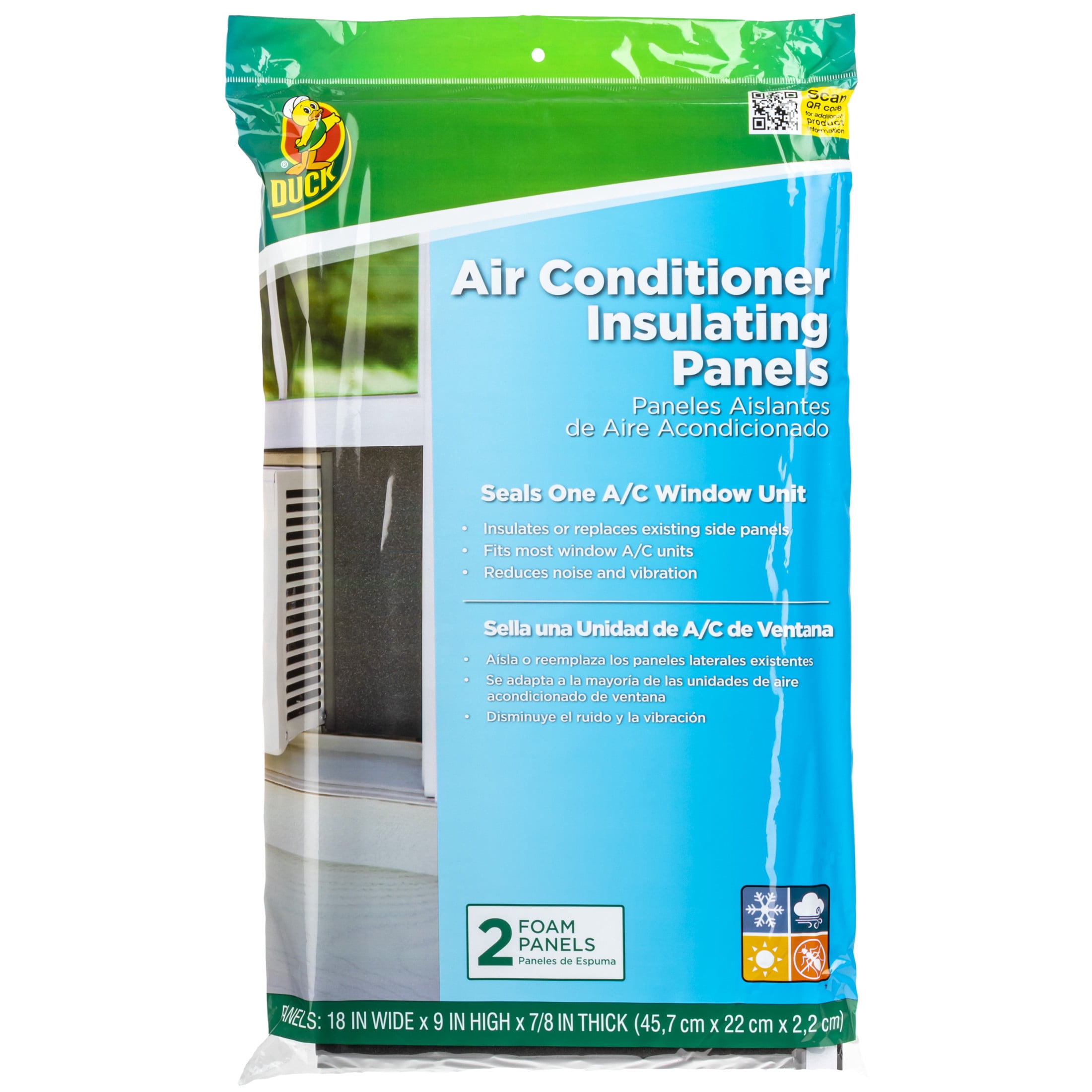
Credit: www.walmart.com
Frequently Asked Questions
Is Styrofoam Normally Inside Air Conditioners?
No, Styrofoam is not a standard material inside air conditioners. It might be used as temporary packaging or insulation but should not remain inside the unit.
Can Styrofoam Damage My Air Conditioner?
Yes, Styrofoam pieces inside the AC can block airflow and damage components. It can reduce efficiency and cause operational issues.
Why Do I Find Styrofoam In My Ac Unit?
Styrofoam may be leftover packaging material from shipping or installation. It is important to remove it to ensure proper AC performance.
Should I Remove Styrofoam From My Air Conditioner?
Yes, always remove any Styrofoam debris from your AC. Leaving it inside can cause blockages and reduce cooling efficiency.
Conclusion
Styrofoam is not a normal part of your air conditioner. It can cause problems like blocking airflow or trapping moisture. Always check your unit if you see it inside. Removing Styrofoam helps your air conditioner work better and last longer.
Keeping your AC clean and free from strange materials saves money on repairs. Small steps like this protect your home’s comfort. Stay alert to unusual things in your air conditioner. It makes a big difference.