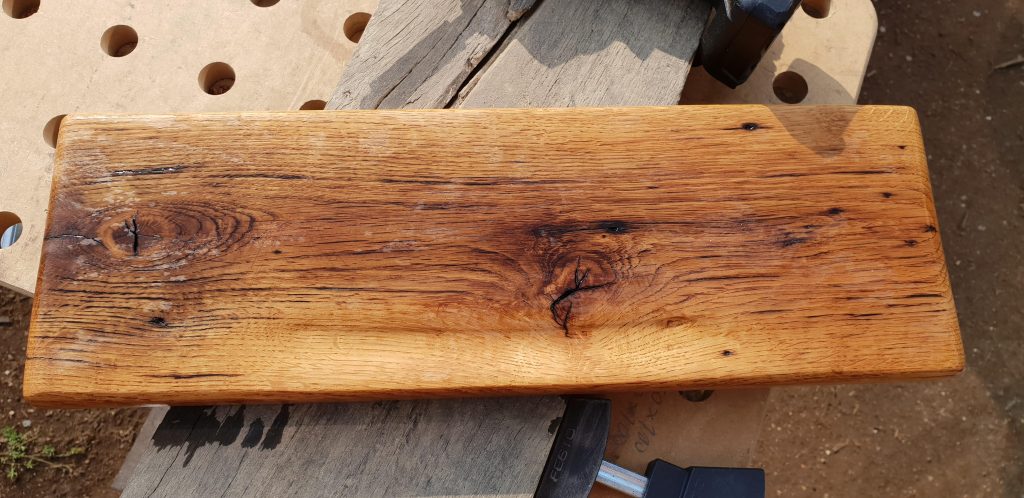
Are you wondering if tung oil is the right choice to protect your cutting boards? You want your cutting boards to stay beautiful and safe for food, but choosing the right finish can be confusing.
Tung oil is popular, but is it truly safe for something you use every day in the kitchen? You’ll discover the facts about tung oil and how it interacts with your cutting boards. By the end, you’ll know exactly whether tung oil is a smart and safe option for your kitchen tools.
Keep reading to protect your cutting boards and your health!

Credit: www.reddit.com
Tung Oil Basics
Tung oil is a natural oil used to protect wood surfaces. It comes from the seeds of the tung tree. People use it to finish cutting boards because it can make the wood water-resistant.
This article explains what tung oil is and the types you can find. It helps you understand if tung oil is safe for your cutting boards.
What Is Tung Oil?
Tung oil is a drying oil that hardens when exposed to air. It creates a protective layer on wood. This layer helps stop water and food stains from soaking in. The oil is made by pressing seeds from the tung tree, native to China and other parts of Asia.
Types Of Tung Oil
There are different types of tung oil used for finishing wood. They vary in purity and processing method. Some are pure tung oil, while others mix it with solvents or additives to change drying time or appearance.
- Pure Tung Oil:100% natural oil with no additives. It takes longer to dry but is safe for food-contact surfaces.
- Polymerized Tung Oil:Heated and treated to dry faster. It may contain chemicals and is less food safe.
- Tung Oil Blends:Mixed with other oils or solvents. These dry quickly but might not be safe for cutting boards.
Safety Factors For Cutting Boards
Tung oil is a popular finish for wooden cutting boards. It protects the wood and brings out its natural color. It is important to know if tung oil is safe for food contact surfaces like cutting boards.
This article looks at the safety of tung oil, focusing on food contact and possible health risks. Understanding these factors helps you choose the right finish for your kitchen tools.
Food Contact Considerations
Tung oil is made from the seeds of the tung tree. It hardens into a water-resistant finish that can protect wood from moisture and stains. Pure tung oil is often safe for food contact once fully cured.
- Make sure the tung oil is 100% pure and food-grade.
- Allow the oil to cure completely before using the cutting board.
- Avoid finishes with solvents or additives that are not food safe.
- Reapply tung oil regularly to keep the wood protected.
- Wash the cutting board with mild soap and water after use.
Toxicity And Allergies
Tung oil is generally low in toxicity when cured. It is considered non-toxic and safe for food contact if no harmful additives are included. Some people may have allergic reactions to tung oil.
| Factor | Details |
| Toxicity | Low if fully cured and pure |
| Allergic Reactions | Possible skin irritation for sensitive people |
| Use Precautions | Test small area if allergic; ventilate when applying |
| Safe Use | Only use food-grade tung oil without additives |
Benefits Of Using Tung Oil
Tung oil is a natural finish often used on wooden cutting boards. It comes from the seeds of the tung tree. Many people choose it for its safety and protection qualities.
This oil soaks into the wood and makes it stronger. It also helps keep the board looking good for a long time.
Water Resistance
Tung oil creates a water-resistant layer on cutting boards. This stops water from soaking into the wood. It helps prevent warping and cracking.
Because water cannot easily enter the wood, bacteria and mold growth reduce. This makes the board safer for food use.
Durability And Finish
Tung oil hardens when exposed to air. This makes the wood surface tough and long-lasting. It protects the board from scratches and dents.
The finish is smooth and natural looking. It enhances the wood grain and gives a warm glow. The oil does not peel or flake easily.

Credit: www.whittlewaxes.com.au
Application Tips For Cutting Boards
Tung oil is a natural finish that protects wood well. It is often used on cutting boards because it is safe and water resistant.
Applying tung oil correctly makes your cutting board last longer. Follow these tips to get the best results.
Preparation Steps
Start by cleaning your cutting board well. Remove dirt and dust using a mild soap and water.
Sand the surface smoothly with fine sandpaper. This helps the oil soak into the wood evenly.
- Wash the board and let it dry completely
- Use 220-grit sandpaper for a smooth finish
- Remove all sanding dust with a clean cloth
Proper Curing Time
After applying tung oil, let the board dry fully. This process is called curing and it protects the wood.
Curing time can take several days. Apply thin coats and wait at least 24 hours between coats.
- Apply a thin layer of tung oil with a clean cloth
- Let it dry for 24 hours before applying another coat
- Repeat for 3 to 5 coats for full protection
- Allow final curing for 3 to 7 days before use
Comparing Tung Oil With Other Finishes
Tung oil is a popular finish for cutting boards. It protects wood and gives a natural look. Many people compare it to other finishes to decide what is best.
Some common finishes are mineral oil, beeswax, and other oils. Each has its own safety and care features. Let’s look at how they compare with tung oil.
Mineral Oil
Mineral oil is a clear, odorless oil often used on cutting boards. It is food safe and easy to apply. Mineral oil soaks into the wood and helps prevent cracking.
Compared to tung oil, mineral oil does not harden. This means it needs frequent reapplication. Mineral oil stays soft and keeps the board from drying out.
Beeswax And Other Oils
Beeswax is often mixed with oils like mineral oil to add extra protection. It forms a thin layer on the wood surface. This layer helps keep water out and adds shine.
Other oils, such as walnut oil or linseed oil, can be used too. Some oils are food safe, while others are not. Tung oil hardens when dry, while many other oils stay soft.

Credit: www.mychemicalfreehouse.net
Expert Recommendations
Tung oil is a natural finish often used on wood items like cutting boards. It offers water resistance and a nice sheen. Knowing if it is safe for kitchen use is important.
Experts agree that pure tung oil is safe for cutting boards if applied and cured properly. This guide shares best practices and warns of common mistakes.
Best Practices
Use 100% pure tung oil without additives. Some products mix tung oil with solvents or chemicals that may be unsafe for food contact.
- Apply thin coats and let each dry fully before the next.
- Allow the tung oil to cure for at least 7 days for full hardness.
- Use a clean, lint-free cloth to avoid dust or debris in the finish.
- Lightly sand between coats for a smooth surface.
- Reapply as needed to maintain protection and appearance.
Common Mistakes To Avoid
Some errors can reduce tung oil’s safety or durability on cutting boards. Avoid these to keep your board safe and long-lasting.
| Mistake | Why to Avoid |
| Using tung oil blends with chemicals | May introduce toxins that are unsafe for food contact |
| Applying thick coats | Slows drying and curing, causing sticky or soft finish |
| Not allowing enough cure time | Finish may remain soft and absorb food liquids |
| Skipping surface preparation | Leads to uneven finish and poor wood protection |
| Using old or rancid tung oil | Can cause bad odor and poor curing |
Frequently Asked Questions
Is Tung Oil Safe For Food Contact?
Tung oil is generally safe for food contact once fully cured. It creates a durable, non-toxic finish. Ensure it’s 100% pure tung oil without additives. This ensures its suitability for cutting boards. Always allow adequate curing time, usually several days, before using the board for food preparation.
How Long Does Tung Oil Take To Cure?
Tung oil typically takes 7 to 30 days to fully cure, depending on conditions. Humidity and temperature influence the curing time. Ensure the oil has dried completely to ensure a safe, durable finish. A well-cured tung oil finish provides excellent protection for cutting boards.
Can Tung Oil Go Rancid On Cutting Boards?
Pure tung oil does not go rancid, making it ideal for cutting boards. Unlike some other oils, tung oil hardens into a durable finish. This prevents it from spoiling over time. Ensure you use 100% pure tung oil for the best results on your cutting board.
How To Apply Tung Oil On Cutting Boards?
To apply tung oil, clean the board, then apply a thin coat with a cloth. Allow it to penetrate, then wipe off excess oil. Repeat the process for three to five coats, allowing each to cure. This ensures a durable, food-safe finish.
Conclusion
Tung oil is a natural choice for cutting boards. It soaks in well and protects wood from water. The oil is safe for food contact once dry. It keeps the board looking fresh and new. Regular application helps prevent cracks and stains.
Use pure tung oil without additives for best results. This oil lasts long and needs less frequent reapplication. Choose tung oil to keep your cutting board healthy and safe. Simple, effective, and natural care for your kitchen tools.