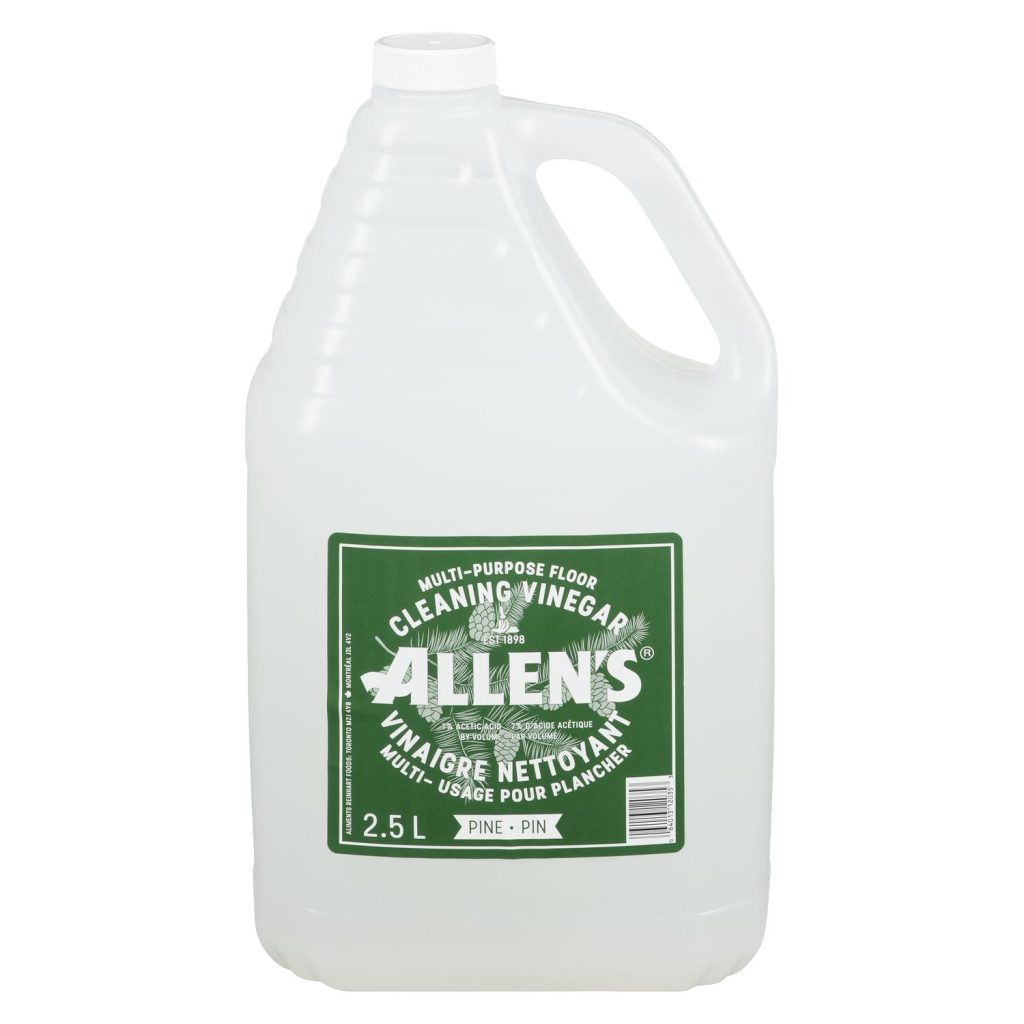
Are you looking for a simple, effective way to keep your floors sparkling clean? You might have heard that vinegar is a great natural cleaner, but is it really a good floor cleaner for your home?
Choosing the right cleaner can make a big difference in how your floors look and last over time. You’ll discover the truth about using vinegar on different types of floors, what benefits it offers, and what you should watch out for.
Keep reading to find out if vinegar is the perfect cleaning solution for your floors.

Credit: www.reddit.com
Benefits Of Using Vinegar
Vinegar offers several benefits that make it a popular choice for floor cleaning. Its unique properties allow it to tackle dirt and grime effectively without relying on harsh chemicals. Understanding these advantages can help you decide if vinegar fits your cleaning routine.
Natural Cleaning Power
Vinegar is naturally acidic, which helps break down grease, stains, and bacteria on your floors. Unlike many commercial cleaners, it doesn’t leave behind harmful residues or strong chemical smells. This makes your floors not only cleaner but also safer for your family and pets.
Cost-effectiveness
Using vinegar as a floor cleaner can save you a significant amount of money. A bottle of vinegar is inexpensive and lasts a long time since you only need a small amount diluted in water. Have you ever calculated how much you spend on floor cleaners annually? Vinegar might cut that cost drastically.
Eco-friendly Choice
Vinegar is biodegradable and doesn’t pollute the environment like many synthetic cleaners do. Choosing vinegar reduces your household’s chemical footprint. If you care about sustainability, switching to vinegar is a simple step you can take today.
Safe For Most Surfaces
Vinegar works well on a variety of floors, including tile, vinyl, and laminate. However, it’s important to avoid using it on natural stone floors like marble or granite, as the acid can damage them. Testing a small area first helps ensure your floors stay in great shape.
Types Of Floors Suitable For Vinegar
Vinegar works well as a floor cleaner for many types of floors. It removes dirt, grime, and stains naturally. Still, it suits some floors better than others. Knowing which floors are safe for vinegar helps protect your surfaces and keeps them looking fresh.
Tile Floors
Vinegar is great for cleaning tile floors. It breaks down soap scum and hard water stains easily. Use a diluted vinegar solution to avoid damaging grout. Tile floors become shiny and fresh without harsh chemicals.
Vinyl Floors
Vinyl floors handle vinegar well. It cuts through dirt and sticky spots quickly. Mix vinegar with water in a spray bottle for easy cleaning. Avoid using undiluted vinegar to prevent dulling the finish.
Laminate Floors
Laminate floors can be cleaned with vinegar but with care. Use a weak vinegar solution to avoid moisture damage. Wring the mop well before cleaning. Too much liquid can cause the laminate to swell or warp.
Hardwood Floors
Vinegar is not ideal for hardwood floors. The acid may dull the finish over time. Use it very sparingly or avoid it altogether. Opt for cleaners made specifically for hardwood to keep floors safe and shiny.
When To Avoid Vinegar
Vinegar is a popular natural cleaner, but it is not safe for all floor types. Using vinegar on certain floors can cause damage or dull their appearance. Knowing when to avoid vinegar helps protect your floors and keeps them looking great.
Marble And Stone Floors
Vinegar is acidic and can etch marble and natural stone surfaces. This causes dull spots and permanent damage. Avoid vinegar to preserve the shine and texture of these floors. Use pH-neutral cleaners made for stone instead.
Waxed Or Oiled Surfaces
Vinegar strips wax and oil layers from floors. This removes protection and leaves floors vulnerable to scratches and stains. Do not use vinegar on waxed or oiled wood floors. Choose gentle, oil-based cleaners to maintain the finish.
Sensitive Floor Finishes
Some floor finishes are delicate and react poorly to acids. Vinegar can cause discoloration, peeling, or weakening of the finish. Test any cleaner on a small hidden area first. When in doubt, use cleaners designed for your floor type.

Credit: allbetterapp.com
How To Use Vinegar For Cleaning Floors
Using vinegar to clean floors is an easy, natural alternative that many people swear by. It’s affordable, eco-friendly, and effective at cutting through dirt and grime without harsh chemicals. To get the best results, understanding how to prepare the solution and apply it correctly can make a big difference in your cleaning routine.
Preparing The Vinegar Solution
Start by mixing white vinegar with warm water. A common ratio is one cup of vinegar to one gallon of water, but you can adjust depending on how dirty your floors are. Avoid using undiluted vinegar, especially on delicate surfaces like hardwood or natural stone, to prevent damage.
If you want to add a fresh scent, try including a few drops of essential oil, like lavender or lemon. This keeps your home smelling pleasant without overpowering artificial fragrances. Always test the solution on a small, hidden area before applying it to the entire floor.
Mopping Techniques
Use a microfiber mop or a soft cloth mop for the best results. Dip the mop into the vinegar solution, then wring it out well to avoid soaking the floor. Excess water can cause damage, especially on wood or laminate floors.
Work in small sections, moving the mop in gentle, circular motions to lift dirt effectively. If you encounter tough spots, let the solution sit for a minute before gently scrubbing. How often do you find your floors actually need a deep clean versus a quick wipe?
Rinsing And Drying Tips
Rinsing isn’t always necessary, but if you notice a vinegar smell lingering or streaks on your floor, wipe the surface with a cloth dampened in clean water. This step helps remove any residue that might dull the finish.
Make sure to dry the floor thoroughly using a clean towel or allow it to air dry well. Standing water can cause slips or damage certain floor types. Have you tried drying immediately after mopping to keep your floors shiny and streak-free?
Enhancing Vinegar Cleaning Power
Vinegar cleans floors well but can be even better. Simple additions boost its power and make cleaning easier. These tips help you get cleaner, fresher floors without harsh chemicals.
Adding Essential Oils
Essential oils add a fresh scent to vinegar cleaner. They also bring extra cleaning strength. Oils like lavender, tea tree, or lemon work well. Just add a few drops to your vinegar solution. This makes the smell pleasant and can fight germs better.
Combining With Baking Soda
Baking soda and vinegar create a strong cleaning team. Baking soda scrubs tough dirt and neutralizes odors. Sprinkle baking soda on the floor first. Then mop with vinegar water to lift grime. This mix helps with sticky spots and leaves floors bright.
Using Warm Water
Warm water improves vinegar’s cleaning ability. It helps dissolve dirt faster than cold water. Mix warm water with vinegar before mopping. This makes cleaning quicker and more effective. Warm water also helps the floor dry faster.
Common Myths About Vinegar As A Cleaner
Many people have strong opinions about vinegar as a cleaner. Some believe it harms floors, others think it smells too strong, and some say it does not kill germs. These ideas often stop people from trying vinegar in their cleaning routine. Let’s clear up these common myths to help you decide if vinegar is right for your floors.
Vinegar Damages All Floors
Vinegar is acidic, but it does not ruin every floor type. It can harm natural stone floors like marble or granite. However, it is safe for sealed hardwood, tile, and vinyl floors. Using vinegar diluted with water protects your floors from damage. Always test a small spot first to be sure.
Vinegar Leaves A Strong Odor
Vinegar has a sharp smell, but it fades quickly. The smell disappears as the floor dries. Adding a few drops of essential oils can mask the vinegar scent if you want. Many people find the smell less bothersome than chemical cleaners.
Vinegar Is Not Effective Against Germs
Vinegar kills many bacteria and viruses, but not all. It works well on everyday germs found on floors. For tougher pathogens, stronger disinfectants may be needed. Vinegar is a good natural option for regular cleaning and reducing germs.
Safety Precautions When Using Vinegar
Using vinegar as a floor cleaner is common, but safety is key. Vinegar is acidic and can cause damage if not handled right. Taking simple precautions keeps you safe and protects your floors.
Proper Dilution Ratios
Always dilute vinegar with water before use. A common ratio is one cup of vinegar to one gallon of water. Stronger mixtures can harm floor surfaces or leave a strong smell. Use less vinegar for sensitive floors like wood or stone.
Avoiding Skin And Eye Contact
Vinegar can irritate skin and eyes. Wear gloves to protect your hands during cleaning. Avoid splashing vinegar near your face. If vinegar gets into your eyes, rinse immediately with plenty of water.
Storage Tips
Store vinegar in a cool, dark place away from children and pets. Use a sealed container to keep it fresh and prevent spills. Label the container clearly to avoid confusion with other liquids.

Credit: www.amazon.com
Alternative Natural Floor Cleaners
Looking beyond vinegar, there are several natural alternatives that can clean your floors effectively without harsh chemicals. These options are gentle, easy to find, and often double as household staples you already have. Have you ever wondered if something as simple as lemon juice or castile soap could be your next go-to floor cleaner?
Lemon Juice
Lemon juice is more than just a kitchen staple; it’s a natural cleaner with antibacterial properties. Its fresh scent leaves your floors smelling pleasant, unlike the strong odor of some commercial cleaners. Mix lemon juice with water for a mild solution that can brighten tile and hardwood floors without causing damage.
Be cautious using lemon juice on sensitive wood floors, as its acidity might dull the finish over time. Try it first on a small area to see how your floor reacts.
Castile Soap
Castile soap is a vegetable-based soap that’s gentle yet powerful for cleaning. It dissolves dirt and grime without stripping your floor’s natural oils, making it great for wood, tile, and laminate floors. A few drops in warm water create a sudsy mix that cleans effectively without leaving residue.
One tip I’ve learned is to avoid using too much soap—less is more—to prevent slippery floors. Have you tried switching to castile soap for your regular cleaning routine?
Hydrogen Peroxide
Hydrogen peroxide acts as a natural disinfectant and can tackle stains on floors, especially in kitchens and bathrooms. It’s colorless and breaks down into water and oxygen, leaving no harmful residues behind. You can use it diluted in water to mop floors and keep them hygienic.
Test it on a hidden spot first, as it might lighten some floor finishes. Would you consider using hydrogen peroxide as a safer alternative to bleach?
Frequently Asked Questions
Is Vinegar Safe For All Types Of Flooring?
Vinegar is safe for most floors like tile, vinyl, and laminate. Avoid using it on natural stone or hardwood, as it can damage the surface over time.
How Effective Is Vinegar As A Floor Cleaner?
Vinegar effectively removes dirt, grime, and bacteria. Its natural acidity breaks down stains and disinfects without harsh chemicals, making it an eco-friendly cleaning option.
Can Vinegar Damage Hardwood Floors?
Yes, vinegar can damage hardwood floors by stripping the finish and causing discoloration. Use a specialized cleaner designed for hardwood to protect your floor.
Should Vinegar Be Diluted Before Floor Cleaning?
Always dilute vinegar with water before cleaning floors. A common ratio is one part vinegar to three parts water, ensuring safe and effective cleaning without damage.
Conclusion
Vinegar is a natural and effective floor cleaner. It tackles dirt and grime. Its eco-friendly nature makes it a popular choice. Safe for families and pets, too. Vinegar cleans without harsh chemicals. It’s cost-effective and easy to find. But, it may not suit all surfaces.
Test on a small area first. For some floors, a different cleaner may work better. Always check your floor type before using vinegar. Consider vinegar’s benefits and limitations. Make an informed choice for your home. Clean floors, happy home!