
When it comes to choosing the perfect cutting board, you want something that looks great, lasts long, and feels just right in your kitchen. Have you ever wondered if walnut cutting boards fit the bill?
Walnut is often praised for its rich color and durability, but is it truly the best choice for your daily food prep? You’ll discover the surprising benefits and possible downsides of walnut cutting boards. By the end, you’ll know exactly whether walnut is the smart pick for your kitchen needs.
Keep reading to find out!
Walnut’s Durability For Cutting Boards
Walnut is a popular choice for cutting boards because of its strong and durable nature. It handles daily use well and lasts a long time.
Understanding walnut’s hardness and resistance to wear helps to know why it is a good wood for kitchen tools.
Hardness And Impact Resistance
Walnut wood has a moderate hardness level that offers good protection against knife marks. It resists dents and cracks better than many other woods.
- Janka hardness rating around 1010, which is medium hard
- Absorbs impact without splintering easily
- Strong enough to hold up to kitchen use
- Less likely to damage knives compared to very hard woods
Wear And Tear Over Time
Walnut cutting boards show good resistance to daily wear. They age gracefully and develop a nice patina with use.
Proper care like regular oiling helps walnut stay durable and prevents drying or cracking.
Comparison With Other Woods
| Wood Type | Janka Hardness | Durability | Knife Friendliness |
| Walnut | 1010 | Good | High |
| Maple | 1450 | Very Good | Medium |
| Cherry | 995 | Moderate | High |
| Bamboo | 1380 | Good | Medium |

Credit: www.amazon.ca
Aesthetic Appeal Of Walnut
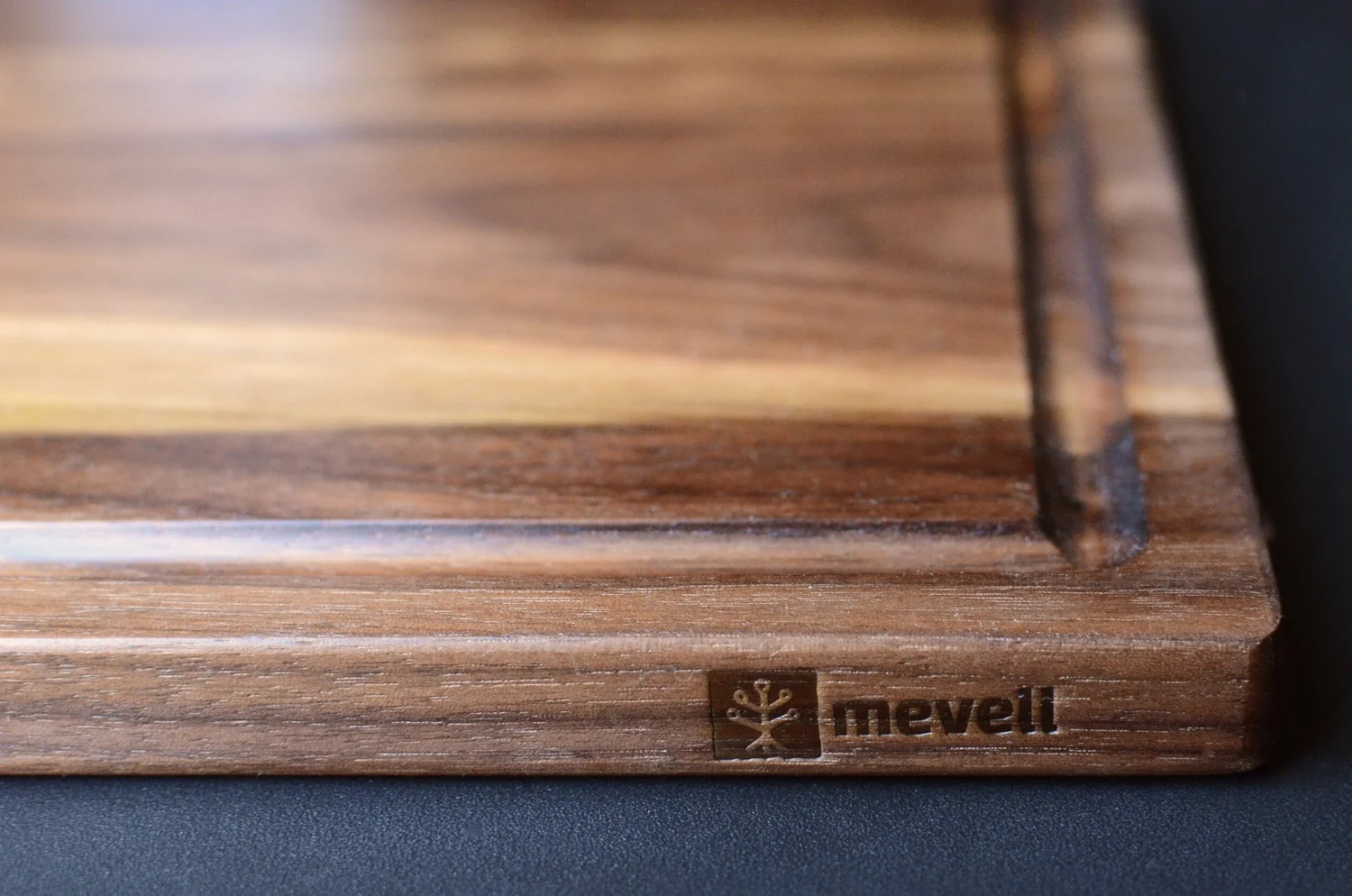
Walnut is a popular choice for cutting boards because of its beauty. It adds a warm and rich look to any kitchen.
The wood’s natural colors and patterns make each board unique. This makes walnut both practical and stylish.
Color Variations And Grain Patterns
Walnut wood shows a range of colors from light cream to dark chocolate brown. Some boards may have hints of purple or gray.
- Light areas highlight the natural beauty of the wood.
- Dark streaks add contrast and depth.
- Grain patterns can be straight, wavy, or curly.
- These features create a unique look for each board.
How Walnut Ages
Walnut changes color as it ages. It tends to darken and develop a richer tone over time.
| Age | Color |
| New | Light to medium brown |
| 6 months | Richer brown with some dark areas |
| 1 year+ | Deep, warm brown |
Matching Walnut With Kitchen Decor
Walnut cutting boards fit well with many kitchen styles. Their color and grain add warmth and elegance.
- They match dark wood cabinets for a uniform look.
- They contrast nicely with white or light-colored countertops.
- They complement stainless steel appliances by adding warmth.
- Walnut works well in both modern and traditional kitchens.
Maintenance And Care Tips
Walnut cutting boards need regular care to stay beautiful and last long. Proper maintenance keeps the wood strong and clean.
Follow simple steps for cleaning, oiling, and protecting your walnut board from damage and stains.
Cleaning Techniques
Clean your walnut cutting board after each use to prevent bacteria and stains. Use mild soap and warm water only.
- Rinse the board with warm water.
- Apply a small amount of mild dish soap.
- Use a soft sponge or cloth to scrub gently.
- Rinse well to remove all soap.
- Dry the board immediately with a clean towel.
Oiling And Conditioning
Oiling walnut boards keeps the wood hydrated and prevents cracking. Use food-safe mineral oil or beeswax conditioner.
| Oil Type | Benefit |
| Mineral Oil | Easy to apply, prevents drying |
| Beeswax Conditioner | Seals and protects surface |
| Coconut Oil (Refined) | Natural, but may go rancid |
Apply oil or conditioner every month or when the board looks dry. Rub it in using a soft cloth and let it soak overnight.
Preventing Damage And Stains
Protect your walnut board from heat, moisture, and harsh chemicals. These can cause warping and stains.
- Do not soak the board in water.
- Avoid placing hot pots or pans on it.
- Use separate boards for raw meat to avoid stains.
- Wipe spills immediately to prevent absorption.
- Store the board in a dry place upright to air out.
Health And Safety Considerations
Walnut is a popular wood choice for cutting boards. It offers good durability and a rich color. Safety is important when using walnut cutting boards in the kitchen.
This section explains key health and safety facts about walnut cutting boards. It covers non-toxic properties, bacteria resistance, and food safety standards.
Non-toxic Properties
Walnut wood does not release harmful chemicals into food. It is free from toxic finishes when untreated or finished with food-safe oils. This makes it safe for food contact.
Using walnut cutting boards without chemical coatings reduces health risks. Many people prefer natural wood to plastic boards for this reason.
Resistance To Bacteria
Walnut has a tight grain structure that helps limit bacteria growth. It absorbs less moisture than some other woods, which reduces bacteria spread.
- Walnut wood has natural antimicrobial properties.
- The wood’s tight grains block bacteria from settling deep.
- Proper cleaning and drying keep walnut boards safe.
- Regular oiling helps maintain wood integrity.
Food Safety Standards
| Standard | Requirement | Walnut Board Compliance |
|---|---|---|
| FDA Food Contact | Non-toxic, safe for food contact | Meets standard if untreated or food-safe finished |
| USDA Guidelines | Easy to clean and sanitize surface | Complies with proper care and maintenance |
| NSF Certification | Meets sanitation and safety tests | May vary; check manufacturer details |
Cost And Value Comparison
Walnut is a popular wood choice for cutting boards. It offers a balance of beauty and strength. This makes it a good option for many kitchens.
In this section, we look at how walnut boards compare in price and value. Understanding cost helps you pick the right board for your needs.
Price Range Of Walnut Boards
Walnut cutting boards come in many sizes and styles. Prices vary based on these factors. Here is a basic price range to expect.
- Small boards: $30 to $60
- Medium boards: $60 to $120
- Large or custom boards: $120 to $250+
Prices rise with board thickness and craftsmanship. Walnut is usually pricier than pine but cheaper than exotic woods.
Longevity Versus Cost
Walnut is a hard and durable wood. It can last many years with good care. This makes it worth the price.
Compared to cheaper woods, walnut resists cuts and scratches better. It also stays smooth and safe for food prep.
- Lasts longer than softwoods like pine
- Needs less frequent replacement
- Maintains appearance over time
Investment Benefits
Choosing walnut can save money over time. Its durability means fewer new boards to buy. Walnut boards also add style to kitchens.
Well-made walnut boards may increase home value. They show care in kitchen design. This can be a bonus if you sell your home.
- Long-term cost savings from durability
- Enhances kitchen look and feel
- May add value to your home

Credit: www.amazon.ca
Environmental Impact
Walnut is a popular wood for cutting boards. Its environmental impact is important to understand. This helps buyers choose eco-friendly options.
We will look at walnut wood’s sustainability, how it is made, and how to recycle or dispose of it.
Sustainability Of Walnut Wood
Walnut trees grow naturally in many areas. They take time to mature, usually 30-40 years. This slow growth means careful forest management is needed.
Sustainable walnut wood comes from forests that are managed well. Trees are replanted to keep the forest healthy. This helps protect wildlife and soil.
- Walnut grows slower than some woods
- Responsible harvesting helps forest health
- Replanting maintains tree populations
- Certified wood supports sustainability
Eco-friendly Manufacturing
Making walnut cutting boards uses less energy than plastics. Wood is shaped and sanded by machines or hand tools. This process has a smaller carbon footprint.
Natural oils and finishes are better for the environment. They reduce harmful chemicals. Using eco-friendly methods helps protect air and water quality.
- Less energy needed than plastic boards
- Uses natural oils for finishing
- Minimal chemical treatments
- Lower pollution from manufacturing
Recycling And Disposal
Walnut cutting boards can be reused or recycled. Wood breaks down naturally without harming the environment. They do not add plastic waste.
When a walnut board is old, it can be composted or repurposed. Avoid burning it indoors to reduce smoke pollution. Proper disposal keeps the environment clean.
- Wood decomposes naturally
- Can be composted or reused
- Not adding plastic to landfills
- Avoid indoor burning to cut smoke
Popular Walnut Cutting Board Styles
Walnut is a favored wood for cutting boards because of its durability and rich color. It works well in many styles, fitting both modern and classic kitchens.
Different styles of walnut cutting boards vary in design and grain type. These choices affect how the board looks and performs.
End Grain Vs. Edge Grain
End grain boards show the ends of the wood fibers on the surface. This makes them softer on knives and helps the board last longer.
Edge grain boards show the side of the wood fibers. They are usually less expensive and have a smooth, flat surface that is easier to clean.
- End grain boards are gentle on knives
- Edge grain boards are easier to maintain
- End grain boards often have a checkerboard look
- Edge grain boards have long, straight wood patterns
Custom Shapes And Sizes
Walnut cutting boards come in many shapes and sizes. Custom boards can fit small kitchens or large cooking spaces.
Popular shapes include rectangles, squares, and circles. Some boards have handles or juice grooves for extra function.
- Small boards are good for quick tasks
- Large boards offer more space for chopping
- Handles make boards easier to move
- Juice grooves catch liquids from meat or fruits
Incorporating Walnut With Other Woods
Mixing walnut with other woods creates beautiful cutting boards. Combining colors and grains adds style and strength.
Common woods paired with walnut include maple and cherry. These woods contrast well with walnut’s dark tone.
- Maple adds a light color contrast
- Cherry offers a warm reddish tone
- Combining woods can improve durability
- Patterns like stripes or blocks are popular
Credit: www.butteryum.org
Frequently Asked Questions
Is Walnut A Good Material For Cutting Boards?
Yes, walnut is an excellent choice for cutting boards. It’s durable, resists knife marks, and has natural antibacterial properties. Its dense grain structure prevents deep cuts and bacteria buildup. Additionally, walnut’s rich color adds elegance to any kitchen. Its longevity and minimal maintenance make it a top choice for home chefs.
Does Walnut Wood Resist Moisture Well?
Walnut wood offers moderate moisture resistance, making it suitable for cutting boards. Its tight grain structure helps prevent water absorption. However, regular oiling is recommended to maintain its moisture resistance. This not only preserves the wood but also enhances its natural beauty, ensuring longevity and durability in your kitchen.
How Do I Maintain A Walnut Cutting Board?
Maintaining a walnut cutting board is simple. Clean it with warm, soapy water and dry immediately. Avoid soaking or using a dishwasher. Apply food-safe mineral oil monthly to keep it hydrated and prevent warping. Regular maintenance ensures your walnut board remains in excellent condition, extending its lifespan and preserving its beauty.
Is Walnut Safe For Food Preparation?
Yes, walnut is safe for food preparation. Its natural antibacterial properties make it hygienic for cutting boards. The dense grain structure minimizes bacteria growth and knife marks. Regular cleaning and oiling enhance its safety and longevity. Its non-toxic nature ensures a safe surface for all your culinary tasks.
Conclusion
Walnut is a strong and beautiful wood for cutting boards. It resists cuts and dents well. The natural oils help keep it safe from water damage. It also looks nice in any kitchen. Walnut boards need simple care to last long.
Regular oiling keeps them smooth and healthy. They do not absorb bad smells easily. Choosing walnut means choosing durability and style. A great option for everyday cooking tasks. Easy to clean and maintain too. Walnut cutting boards offer good value overall.