Have you ever noticed water dripping from your air conditioner and wondered if it’s safe to drink? You’re not alone.
That cool, clear water might seem like a handy source, especially when you’re thirsty and don’t want to waste any drop. But before you take a sip, it’s important to understand where this water comes from and what’s really in it.
Keep reading, because what you learn could change the way you think about your air conditioner—and your health.
How Ac Water Is Produced
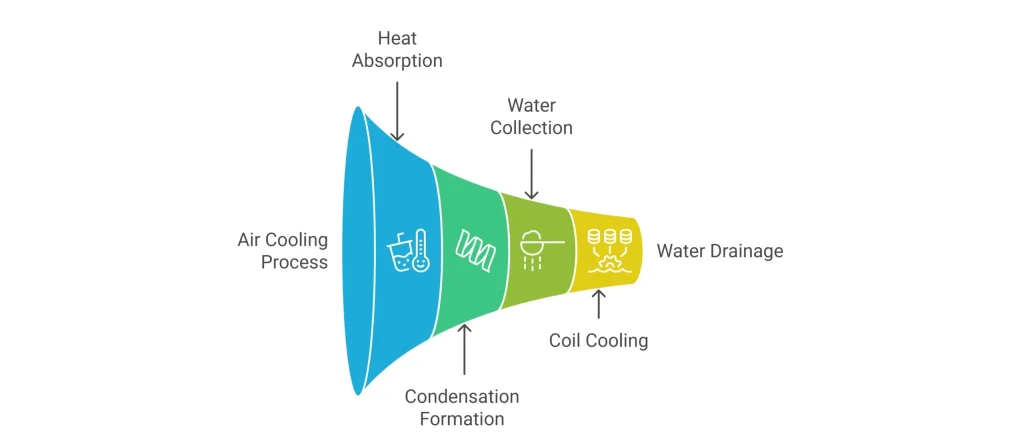
Air conditioners cool indoor air by removing heat and moisture. This process creates water from the air.
The water that comes from an air conditioner is called condensate. It forms as the air cools.
Condensation Process
Warm air contains moisture in the form of water vapor. When the air passes over cold coils, it cools down.
The cooling causes the water vapor to change into liquid water. This is the condensation process.
- Warm air hits cold air conditioner coils
- Water vapor turns into liquid droplets
- Droplets collect on the coils
- Water drips into a collection pan
Sources Of Collected Water
The water collected comes mainly from the moisture in the indoor air. It does not come from the outside.
Other sources include small amounts of dust or dirt from the air. These can mix into the water.
- Moisture from indoor air
- Dust particles in the air
- Possible bacteria or mold on coils
- Residue from the air filter

Credit: www.consumerreports.org
Quality Of Ac Water
Water collected from an air conditioner is not made for drinking. It comes from the air and collects dust and dirt. This water may look clean but its quality is questionable.
The quality of AC water depends on many factors, like the air quality, the cleanliness of the AC unit, and how the water is stored. It is important to know what might be in this water before thinking about drinking it.
Potential Contaminants
AC water can contain many unwanted particles and germs. These contaminants come from the air or parts of the AC unit. Drinking this water can cause health problems.
- Dust and dirt from the air
- Mold and mildew growing in the AC system
- Bacteria from the environment and AC surfaces
- Heavy metals from the AC parts
- Chemical residues from cleaning agents
Comparison With Drinking Water Standards
Safe drinking water has strict limits on what it can contain. These rules help keep water clean and healthy. AC water usually does not meet these limits.
| Water Quality Factor | Drinking Water Standard | Typical AC Water Content |
|---|---|---|
| Microbial Contaminants | None detected | Often present |
| Heavy Metals | Below safe limits | Can be above limits |
| pH Level | 6.5 to 8.5 | Varies widely |
| Organic Chemicals | Very low or none | Possible presence |
| Clear Appearance | Clear and colorless | May look clear but not safe |
Health Risks Of Drinking Ac Water
Water collected from an air conditioner is not safe to drink. It can contain harmful substances that affect your health. People often think this water is clean because it looks clear.
Drinking this water can cause illness. It is important to understand the risks before using it for drinking or cooking.
Bacterial And Fungal Presence
Air conditioners collect moisture from the air. This moisture can carry bacteria and fungi. These germs grow inside the AC unit and drip into the water.
Drinking water with these germs can cause stomach problems and infections. People with weak immune systems are at higher risk.
- Legionella bacteria may cause lung infections
- Mold spores can trigger allergies and asthma
- Other bacteria can lead to diarrhea and fever
Chemical Residues
Water from air conditioners may contain chemical residues. These come from dust, pollution, and cleaning agents used in the AC unit.
Chemicals like refrigerants and metals can be harmful if ingested. Long-term exposure to these can cause serious health issues.
- Refrigerant leaks may poison the water
- Heavy metals like lead or copper can cause toxicity
- Cleaning chemicals may irritate the stomach and skin

Credit: cen.acs.org
Situations Where Ac Water Might Be Safe
Water collected from air conditioners is not usually safe to drink. It can contain dirt, dust, and bacteria. But in some cases, it might be safe to drink if treated properly.
This water comes from condensation, which is like distilled water. It needs cleaning before drinking. Below are situations where AC water might be safe to use.
Proper Filtration And Treatment
AC water can be made safe by filtering and treating it. This removes harmful substances and germs. Proper steps include cleaning, filtering, and disinfecting the water.
Simple filters can catch dust and particles. After that, boiling or using chemicals like chlorine kills bacteria and viruses. This process makes the water safer to drink.
- Clean the AC water collection container regularly
- Use a fine filter to remove dirt and dust
- Boil the water for at least one minute
- Use water purification tablets if needed
Temporary Emergency Use
In an emergency, AC water may be used as a last option. It is better than no water at all. But only use it if you have no other safe water source.
Make sure to treat the water by boiling or filtering before drinking. Avoid long-term use because it might cause health problems.
- Use AC water only if no clean water is available
- Boil or filter the water before drinking
- Limit use to short periods during emergencies
- Seek safe water sources as soon as possible
Ways To Make Ac Water Drinkable
Water collected from an air conditioner is not safe to drink without treatment. It may contain dust, bacteria, and chemicals. You can use simple ways to clean this water and make it safe.
Filtering and boiling are two main ways to purify AC water. These methods remove impurities and kill harmful germs.
Filtration Methods
Filtering removes dirt, dust, and larger particles from AC water. Use clean cloth or coffee filters to catch visible debris. For better cleaning, use a water filter designed to remove bacteria and chemicals.
- Use a fine cloth or coffee filter for initial cleaning
- Use a home water filter with activated carbon
- Replace filters regularly for best results
Filtering does not kill germs. Combine it with boiling or disinfecting to ensure water safety.
Boiling And Disinfection
Boiling AC water kills bacteria, viruses, and parasites. Heat the water until it bubbles. Let it boil for at least one minute. Cool the water before drinking.
You can also use chemical disinfectants like chlorine tablets. Follow the instructions on the package. Wait the recommended time before drinking the water.
- Boil water for one minute to kill germs
- Use chlorine tablets for chemical disinfection
- Store treated water in clean containers
Environmental Impact And Water Conservation
Water from air conditioners is often seen as waste. Collecting this water can help save resources. It reduces the need for fresh water in many uses.
Using AC condensate water wisely supports water conservation efforts. It also lowers environmental strain by reducing water demand.
Using Ac Water For Non-drinking Purposes
Water from air conditioners is not safe to drink without treatment. It can be used for other tasks around the home or garden. This helps reduce the use of clean water.
- Watering plants and lawns
- Flushing toilets
- Cleaning outdoor areas and vehicles
- Filling water features or ponds (if treated properly)
Benefits Of Recycling Condensate Water
Recycling water from air conditioners lowers water bills. It also helps protect natural water supplies. Many homes and buildings can reduce their water footprint by reusing this water.
| Benefit | Explanation |
| Water Savings | Reduces use of potable water for outdoor and indoor tasks |
| Energy Savings | Less energy needed to treat and pump fresh water |
| Less Pollution | Decreases runoff and contamination of local water sources |
| Cost Reduction | Lower water bills from reduced consumption |

Credit: www.news18.com
Frequently Asked Questions
Is Water From An Air Conditioner Safe To Drink?
Water from an air conditioner is generally unsafe to drink. It may contain dust, bacteria, and mold from the coils. The water is not purified or treated, so consuming it can cause health issues.
Why Does Air Conditioner Water Contain Contaminants?
Air conditioner water collects from condensation on cooling coils. It traps dust, dirt, and microbes present in the air. These contaminants make the water unsafe for drinking without proper filtration.
Can Air Conditioner Water Be Used For Plants?
Yes, air conditioner water can be used for watering plants. It is free from chemicals like chlorine but may contain some impurities. Using it for plants helps conserve clean water resources.
How To Make Air Conditioner Water Safe For Drinking?
To make AC water safe, it requires thorough filtration and purification. Boiling alone may not remove all contaminants. Using a reliable water purifier with UV treatment is recommended before drinking.
Conclusion
Drinking water from an air conditioner isn’t safe. It lacks essential minerals. The water might contain harmful bacteria and contaminants. Using it for non-drinking purposes is better. Watering plants or cleaning can be safe uses. Always prioritize your health and safety.
Clean water is vital for well-being. Consider other sources for drinking water. Filtration systems or bottled water are good options. Make informed choices for your hydration needs. Your health depends on clean, safe water. Stay informed and make wise decisions.