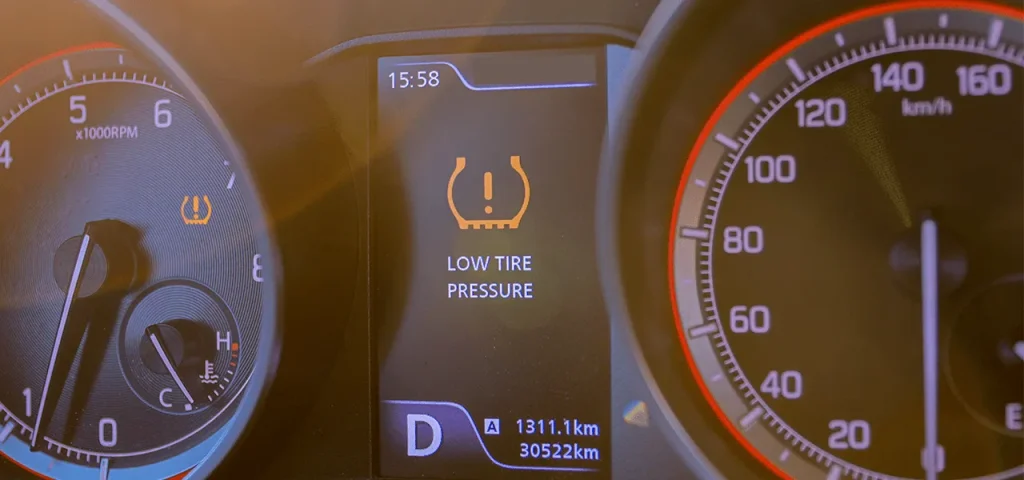
Is your car’s tire pressure light on right now? That little warning can be easy to ignore, but it’s trying to tell you something important about your safety and your vehicle’s performance.
You might wonder if it’s just a false alarm or if you need to take action immediately. Understanding why this light comes on and what to do next could save you from costly repairs or even a dangerous situation on the road.
Keep reading to find out how to check your tires, what the warning really means, and the simple steps you can take to keep your car running smoothly and safely.

Credit: www.youtube.com
Causes Of Tire Pressure Light
The tire pressure light on your car dashboard signals a problem with tire air levels. It is important to understand what causes this warning.
This guide explains common reasons behind the tire pressure light turning on. Knowing these helps keep your car safe.
Low Tire Pressure
Low tire pressure happens when tires lose air over time or from a leak. It reduces fuel efficiency and can cause tire damage.
- Slow leaks from punctures
- Improper inflation
- Natural air loss through tire walls
- Valve stem issues
Temperature Changes
Cold weather causes tire pressure to drop. Air contracts in low temperatures, lowering pressure inside tires.
Rapid temperature shifts can make the tire pressure light come on even if tires are fine.
Faulty Sensor
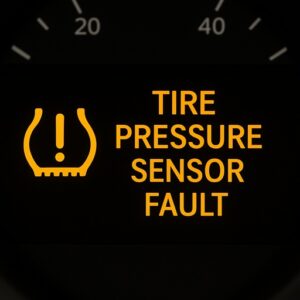
The tire pressure monitoring system uses sensors to check air levels. Sometimes sensors fail or give wrong readings.
| Sensor Issue | Effect |
|---|---|
| Dead battery | Sensor stops sending data |
| Damaged sensor | False low pressure warnings |
| Interference | Incorrect readings |
Tire Damage
Damage to tires like cuts or cracks lets air escape. This triggers the tire pressure light.
- Punctures from nails or sharp objects
- Sidewall damage from hitting curbs
- Wear and tear causing leaks

Credit: www.lowestrates.ca
How To Check Tire Pressure
Keeping your tire pressure at the right level is important. It helps your car run safely and saves fuel.
If your tire pressure light is on, you need to check your tires soon. Here is how to do it.
Using A Tire Pressure Gauge
A tire pressure gauge measures how much air is in your tires. You can buy one at most stores.
To use it, remove the valve cap on the tire. Press the gauge on the valve stem. Read the number shown.
- Take the reading quickly to avoid air loss
- Check all four tires for accurate pressure
- Replace the valve caps after checking
Recommended Pressure Levels
The right pressure is different for each car. Check your car’s manual or the sticker inside the driver’s door.
Most passenger cars need between 30 and 35 psi. Do not guess the pressure; use the exact recommended level.
| Tire Type | Recommended Pressure (psi) |
|---|---|
| Compact Cars | 30–32 |
| Sedans | 32–35 |
| SUVs and Light Trucks | 35–40 |
When To Check
Check your tire pressure at least once a month. Tires lose air over time.
Check before long trips or if the tire pressure light turns on. Always check when tires are cold.
- Check in the morning or after the car sits for hours
- Avoid checking right after driving
- Check more often in cold weather
Fixing Low Tire Pressure
A tire pressure light means one or more tires have low air. Low tire pressure can cause poor driving and damage.
It is important to fix low tire pressure quickly. This guide helps you inflate tires, find air stations, and seal leaks.
Inflating Tires Properly
Use a tire gauge to check the current pressure. Compare it to the recommended pressure in your car’s manual or door sticker.
Slowly add air to the tire until it reaches the correct pressure. Check the pressure often while inflating to avoid overfilling.
- Remove the valve cap
- Press the air hose firmly onto the valve
- Inflate and check pressure with a gauge
- Replace the valve cap after inflating
Finding Air Stations
Air stations are often found at gas stations and some auto shops. Many cities have free or paid air pumps available.
You can also find air stations using maps on your phone. Look for stations near highways or busy roads for convenience.
- Check gas stations near you
- Use smartphone maps to search “air pump”
- Visit tire shops or car service centers
- Some parking lots have air stations
Sealing Small Leaks
Small leaks can cause slow air loss in tires. Look for nails, screws, or cracks on your tire’s surface.
Use a tire sealant product to stop small leaks. Follow product instructions carefully to avoid damage to your tire.
- Locate the leak by listening for hissing sounds
- Apply sealant inside the tire through the valve stem
- Drive the car a short distance to spread the sealant
- Check tire pressure again after sealing
Resetting The Tire Pressure Light
The tire pressure light warns you when your tires lose air. It helps keep you safe on the road. Sometimes, the light stays on even after fixing the pressure.
Resetting the tire pressure light clears the warning. You can do this by yourself using different methods. Here are some ways to reset the light.
Manual Reset Methods
Many cars let you reset the tire pressure light by hand. This often involves buttons or tools inside your car.
- Turn the ignition to the “on” position without starting the engine.
- Press and hold the tire pressure reset button until the light blinks and goes off.
- Drive the car for 10 to 15 minutes to allow sensors to reset fully.
- If your car has no reset button, disconnect the car battery for 15 minutes to reset the system.
Using Vehicle Settings
Modern cars often have reset options in their dashboard menus. You can use your car’s settings screen to clear the tire pressure warning.
| Action | Details |
| Access Settings | Use steering wheel buttons or touchscreen to open vehicle menu. |
| Find Tire Pressure Menu | Look under “Vehicle” or “Maintenance” options. |
| Reset TPMS | Select “Reset Tire Pressure” or “Calibrate TPMS” and confirm. |
| Drive Car | Drive for a few minutes to let sensors update. |
When To Visit A Mechanic
Sometimes, the tire pressure light stays on after resets. This can mean a sensor problem or a tire leak.
- If the light flashes or stays on after resetting, get a professional check.
- Mechanics can test sensors and fix leaks.
- Visit a mechanic if you hear a hissing sound from a tire.
- Regular maintenance helps keep your tires and sensors working well.
Preventing Tire Pressure Issues
Your car’s tire pressure light warns about low or high tire pressure. Proper tire pressure keeps you safe and saves fuel.
Prevent tire pressure problems by checking and caring for your tires often. This helps avoid sudden issues on the road.
Regular Maintenance Tips
Check your tire pressure once a month. Use a reliable pressure gauge for best results. Do this when tires are cold.
Inspect tires for cuts, cracks, or uneven wear. Replace damaged tires to keep pressure stable and safe.
- Check tire pressure monthly
- Use a good pressure gauge
- Inspect tires for damage
- Replace worn or damaged tires
Seasonal Tire Care
Cold weather can lower tire pressure. Check pressure more often in winter to keep tires safe. Warm weather can raise pressure.
Change to winter tires if you live where it snows. Winter tires keep better grip and stable pressure in cold weather.
- Check tire pressure more in winter
- Be aware of pressure changes in heat
- Use winter tires in snowy areas
Monitoring Tire Health
Watch for the tire pressure light on your dashboard. If it comes on, check tires immediately to find the problem.
Keep track of tire age. Tires older than six years may lose pressure and need replacement even if they look fine.
- Respond to tire pressure light quickly
- Check tires for slow leaks
- Replace tires older than six years
Credit: wfirm.com
Frequently Asked Questions
Why Is My Car’s Tire Pressure Light On?
The tire pressure light indicates one or more tires have low air pressure. This can affect safety and fuel efficiency. Check your tire pressure with a gauge and inflate tires to the recommended level found in your owner’s manual or door jamb.
Can Driving With The Tire Pressure Light On Cause Damage?
Yes, driving with low tire pressure can cause uneven tire wear, poor handling, and increased risk of a blowout. It also reduces fuel efficiency. Address the issue promptly by checking and adjusting tire pressure to avoid costly repairs and unsafe driving conditions.
How Often Should I Check My Tire Pressure?
It’s best to check tire pressure at least once a month and before long trips. Temperature changes can affect tire pressure. Regular checks help maintain optimal performance, safety, and fuel economy. Use a reliable tire pressure gauge for accurate readings.
What Causes The Tire Pressure Light To Turn On Unexpectedly?
Sudden drops in temperature, a slow leak, or a faulty sensor can trigger the light. Tire pressure monitoring systems detect pressure changes and alert you. Inspect tires for damage or punctures and verify sensor functionality if the light stays on.
Conclusion
A tire pressure light on your car should never be ignored. It warns you about low air in your tires. Driving with low pressure can cause accidents or damage. Check your tire pressure regularly with a gauge. Inflate tires to the recommended level found in your car’s manual.
Fix slow leaks or replace damaged tires quickly. Staying alert helps you drive safely and save money. Keep your car’s tires in good shape for a smooth ride. Don’t wait—act as soon as the light comes on.