Are you thinking about upgrading your kitchen with a new cutting board? If so, you might have come across zebra wood and wondered if it’s the right choice for you.
Choosing the perfect cutting board is important because it affects how you prep your food and how long your board lasts. Zebra wood stands out with its striking stripes and unique look, but is it practical for everyday use in your kitchen?
Keep reading to find out if zebra wood cutting boards are worth adding to your cooking space and how they can impact your cooking experience.
Zebra Wood Characteristics
Zebra wood is a popular choice for cutting boards. It has unique features that make it special. Understanding its characteristics helps decide if it suits your kitchen.
We will look at the grain and texture, color and patterns, and hardness and density of zebra wood.
Grain And Texture
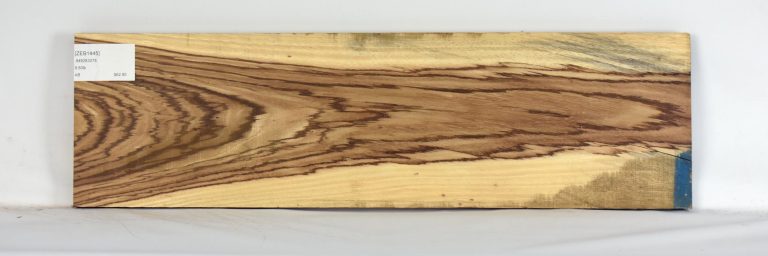
Zebra wood has a straight to slightly wavy grain. The texture is coarse and uneven. This texture gives a natural feel but can be rough to the touch.
The grain helps the wood resist wear and tear. It also affects how easy the wood is to clean and maintain as a cutting board.
Color And Patterns
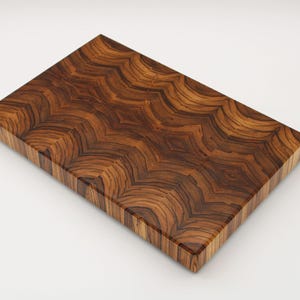
Zebra wood is known for its striking color contrast. It has light tan or cream base with dark brown or black stripes. This pattern looks like zebra stripes.
The color and pattern make each board unique. These natural designs add beauty to kitchen tools and decor.
- Light background with dark stripes
- Random and uneven stripe patterns
- Natural shine when polished
Hardness And Density
Zebra wood is hard and dense. It rates about 1600 on the Janka hardness scale. This means it resists dents and scratches well.
Its density helps the cutting board stay strong and last longer. But the hardness means it may dull knives faster than softer woods.
Credit: www.etsy.com
Durability For Cutting Boards
Zebra wood is a popular choice for cutting boards. Its unique striped pattern makes it look nice. But the real question is how strong and durable it is for daily kitchen use.
Durability is important for cutting boards. They face constant chopping and washing. The wood must hold up well over time without damage.
Resistance To Wear And Tear
Zebra wood is hard and dense. This helps it resist scratches and dents. It can handle heavy use without showing much damage.
Because of its strength, zebra wood cutting boards last a long time. They do not wear down quickly even with sharp knives and repeated chopping.
Knife Friendliness
Zebra wood is firm but not too hard. This means it is gentle on knives. It helps keep knives sharper longer compared to very hard woods.
Using a zebra wood board reduces dulling of knife edges. It is a good balance of hardness and softness for cutting safely.
Water And Moisture Resistance
Zebra wood has natural oils that help resist water. This stops the wood from soaking in moisture and swelling or cracking easily.
Still, it is important to dry the board after washing. Proper care will keep the wood strong and prevent damage from water over time.
Aesthetic Appeal
Zebra wood is popular for its striking look. Its natural design adds style to cutting boards.
The beauty of zebra wood comes from its unique grain and color contrast. It makes any kitchen item stand out.
Unique Stripes And Patterns
Zebra wood has dark stripes on a light background. These stripes vary in thickness and direction.
- Each board has a one-of-a-kind pattern
- Stripes create a bold, eye-catching look
- Natural variation means no two boards are alike
Complementing Kitchen Styles
Zebra wood cutting boards fit many kitchen designs. They work well with both modern and rustic styles.
| Kitchen Style | How Zebra Wood Fits |
| Modern | Adds a natural, textured contrast |
| Rustic | Matches wood tones and rough finishes |
| Minimalist | Provides a subtle but striking pattern |
| Eclectic | Blends with varied colors and shapes |
Aging And Patina
Over time, zebra wood develops a warm patina. This aging process adds character to the cutting board.
The natural oils in zebra wood help protect it as it ages.
- Color deepens, enhancing the stripes
- Surface becomes smoother with use
- Patina gives a vintage, well-loved look

Credit: www.muskokamillworksandclay.com
Maintenance And Care
Zebra wood is a beautiful choice for cutting boards. Keeping it in good shape needs some care. Proper maintenance helps the wood last longer and look great.
Regular cleaning, oiling, and avoiding damage keep your cutting board safe to use. Let’s look at the best ways to care for zebra wood cutting boards.
Cleaning Tips
Clean your zebra wood cutting board after every use. Use warm water and mild soap. Avoid soaking it in water or using a dishwasher.
- Wash with a soft sponge or cloth
- Rinse with warm water
- Dry immediately with a clean towel
- Never leave the board wet for long periods
Oiling And Conditioning
Oiling zebra wood keeps it from drying out and cracking. Use food-safe mineral oil or special wood conditioner. Apply oil once a month or when the wood looks dry.
| Step | Action |
|---|---|
| 1 | Clean and dry the board |
| 2 | Pour oil on the surface |
| 3 | Rub oil evenly with a soft cloth |
| 4 | Let the oil soak in for 4-6 hours |
| 5 | Wipe off any extra oil |
Preventing Cracks And Warping
Zebra wood can crack or warp if it dries too fast or stays wet. Keep it away from extreme heat and moisture. Store in a dry, cool place.
- Do not leave the board in direct sunlight
- Avoid placing near stoves or heaters
- Do not soak the board in water
- Use both sides to balance wear
- Apply oil regularly to keep moisture balanced
Comparing With Other Woods
Zebra wood is often chosen for cutting boards because of its unique look. It has dark stripes that many find attractive. But how does it compare to other popular woods?
We will look at maple, bamboo, and walnut. These woods are common choices for cutting boards. Each has its own strengths and weaknesses.
Maple Vs Zebra Wood
Maple is a classic wood for cutting boards. It is hard and dense. This makes it durable and good for knives. Maple has a smooth, light color, which hides stains well.
Zebra wood is harder than maple but can be more brittle. Its striped pattern shows scratches more clearly. Maple tends to be easier to clean and maintain over time.
Bamboo Vs Zebra Wood
Bamboo is not a wood but a grass. It is very fast-growing and eco-friendly. Bamboo boards are light and hard, which helps resist cuts and dents.
- Zebra wood is heavier than bamboo.
- Bamboo is less porous, so it resists water better.
- Zebra wood has a unique look; bamboo is more uniform.
- Bamboo boards often cost less than zebra wood boards.
Walnut Vs Zebra Wood
| Feature | Walnut | Zebra Wood |
|---|---|---|
| Hardness | Medium | High |
| Color | Dark brown | Light with dark stripes |
| Durability | Good | Very good but brittle |
| Maintenance | Easy | Needs more care |
Credit: www.rarewoodsusa.com
Sustainability And Sourcing
Zebra wood is a popular choice for cutting boards due to its unique look. Understanding its sustainability and sourcing helps buyers make informed decisions.
This section covers the environmental impact, ethical harvesting, and availability of zebra wood for cutting boards.
Environmental Impact
Zebra wood comes from trees native to West Africa. Its harvesting affects local ecosystems and biodiversity.
- Zebra wood grows slowly, making it less renewable.
- Cutting trees without replanting harms the forest.
- Transporting wood from Africa adds to carbon emissions.
- Using certified wood helps reduce environmental damage.
Ethical Harvesting
Ethical harvesting means collecting wood in ways that protect nature and respect local communities.
Key practices in ethical harvesting of zebra wood include:
- Obtaining forest management certifications like FSC
- Supporting fair wages for local workers
- Ensuring trees are cut selectively, not clear-cut
- Promoting reforestation efforts in harvested areas
Availability And Cost
Zebra wood is not as common as other hardwoods. This affects its price and availability for cutting boards.
| Factor | Effect on Zebra Wood |
|---|---|
| Supply | Limited due to slow growth and controlled harvesting |
| Demand | High for specialty wood products and furniture |
| Cost | Higher price compared to common woods like maple |
| Market | Mostly found in specialty and eco-conscious stores |
Frequently Asked Questions
What Makes Zebra Wood Suitable For Cutting Boards?
Zebra wood is known for its hardness and durability. It provides a stable surface for cutting. Its striking appearance adds an aesthetic appeal to kitchen spaces. Additionally, its density helps resist knife marks and scratches. However, regular maintenance is needed to keep it in top condition.
Is Zebra Wood Safe For Food Preparation?
Yes, zebra wood is generally safe for food preparation. It is a dense hardwood, reducing the likelihood of harboring bacteria. Regular cleaning and oiling are essential to maintain its safety. Ensure the cutting board is finished with food-safe oils to prevent contamination.
How Durable Is A Zebra Wood Cutting Board?
Zebra wood cutting boards are highly durable due to their hardness. They can withstand regular use without excessive wear. Proper care, like regular oiling, enhances their lifespan. Despite its durability, avoiding harsh detergents and soaking is important to maintain its quality.
Does Zebra Wood Affect Knife Sharpness?
Zebra wood is dense, which might dull knives over time. However, its hardness helps resist deep cuts and gouges. Regular sharpening of knives is recommended. Using cutting boards with softer woods can help preserve knife sharpness. Proper maintenance ensures both the board and knives last longer.
Conclusion
Zebra wood can make a strong and attractive cutting board. Its hardness helps resist scratches and dents. The unique stripes add a nice look to any kitchen. It also holds up well with proper care and oiling. Keep it dry and clean to avoid damage.
Overall, zebra wood offers both style and function. A good choice for those who want something different. Durable, easy to maintain, and visually appealing. Definitely worth considering for your next cutting board.