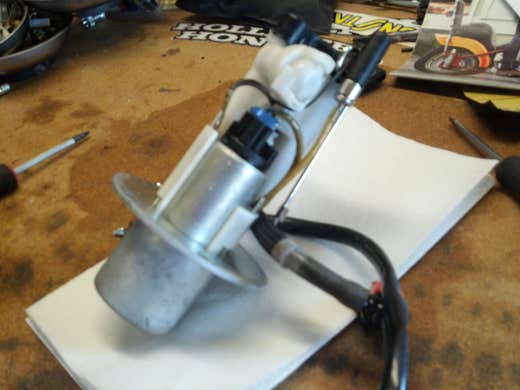
Is your Kawasaki acting up or struggling to start? You might be facing fuel pump problems, a common issue that can bring your ride to a sudden halt.
Understanding what causes these problems and how to spot the warning signs can save you time, money, and frustration. You’ll discover exactly what to look for and how to fix your Kawasaki’s fuel pump issues before they turn into bigger headaches.
Keep reading to protect your bike and get back on the road with confidence.
Common Fuel Pump Issues
Fuel pumps are vital for Kawasaki motorcycles. They push fuel from the tank to the engine. Common fuel pump issues can cause serious troubles. Understanding these problems helps riders fix them early. Avoid long-term damage and costly repairs by knowing the signs.
Signs Of A Failing Fuel Pump
- Engine sputters or stalls during rides
- Difficulty starting the motorcycle
- Loss of power under heavy acceleration
- Unusual whining noise from the fuel tank
- Engine misfires or runs roughly
- Reduced fuel efficiency and poor mileage
Impact On Motorcycle Performance
A weak fuel pump limits fuel flow to the engine. This causes poor combustion and low engine power. The motorcycle may hesitate or jerk when accelerating. Fuel starvation can lead to engine overheating. Continuous issues harm other parts like injectors. Riding becomes unsafe and less enjoyable with a faulty pump.
Credit: www.krxforum.com
Root Causes Of Fuel Pump Problems
Understanding the root causes of fuel pump problems can save you time, money, and frustration. Identifying the exact reason behind a failing fuel pump helps in fixing the issue efficiently and prevents repeated breakdowns. Let’s break down the main factors that commonly lead to these problems in Kawasaki vehicles.
Fuel Contamination
Fuel contamination is a frequent culprit behind fuel pump failures. Dirt, rust, or water in the fuel tank can clog the fuel pump, reducing its efficiency or causing it to fail entirely.
If you notice your bike sputtering or losing power, contaminated fuel might be the cause. Regularly checking and cleaning your fuel tank can prevent this issue.
Electrical Failures
Fuel pumps rely on electrical connections to operate smoothly. Faulty wiring, blown fuses, or a weak relay can interrupt power supply, causing the pump to stop working.
Have you checked your bike’s electrical system lately? A loose connection could be silently draining your fuel pump’s power without obvious signs.
Wear And Tear
Like any mechanical part, fuel pumps wear out over time. Continuous use causes internal components to degrade, leading to reduced fuel pressure and eventual failure.
Think about how long you’ve been using your Kawasaki without servicing the fuel pump. Regular maintenance can extend its lifespan significantly.
Fuel Quality Concerns
Low-quality or incorrect fuel can harm your fuel pump. Additives, impurities, or incorrect octane levels might cause corrosion or clogging inside the pump.
Are you fueling your bike with recommended gasoline? Sticking to high-quality fuel protects the pump and keeps your Kawasaki running smoothly.
Diagnosing Fuel Pump Faults
Diagnosing fuel pump faults in Kawasaki motorcycles involves careful checks and tests. Identifying issues early prevents breakdowns and costly repairs. Understanding common symptoms and knowing how to inspect the pump helps maintain your bike’s performance.
Visual Inspection Techniques
Start by examining the fuel pump area for visible damage. Look for cracks, leaks, or corrosion on the pump and surrounding hoses. Check electrical connections for loose wires or burnt spots. Dirt and debris can block fuel flow, so clean the area thoroughly. Visual signs often point to the root of the problem.
Using Diagnostic Tools
Use a multimeter to test the electrical circuit of the fuel pump. Measure resistance and voltage at the pump terminals. A faulty reading indicates an electrical issue. Some Kawasaki models support onboard diagnostic systems. Connect a scan tool to check for error codes related to the fuel system. These tools help pinpoint hidden faults quickly.
Testing Fuel Pressure
Fuel pressure testing confirms the pump’s ability to deliver fuel. Attach a fuel pressure gauge to the fuel line. Turn the ignition on without starting the engine. The gauge should show pressure within Kawasaki’s specified range. Low or no pressure means the pump may be weak or failing. Regular pressure checks keep the fuel system reliable.

Credit: www.highflowfuel.com
Effective Repair Methods
Dealing with Kawasaki fuel pump problems can be frustrating, but knowing the right repair methods can save you time and money. Effective repairs often start with simple fixes but may require part replacements or expert help. Understanding each approach helps you make informed decisions about your bike’s health.
Cleaning And Maintenance
Regular cleaning is essential to keep your fuel pump working smoothly. Dirt and debris can clog the pump, causing poor fuel flow and engine performance.
Use a fuel system cleaner or carefully clean the pump components if accessible. Make sure you check the fuel filter and replace it if it’s dirty.
Have you ever noticed your bike sputtering after sitting for a while? That’s often a sign your fuel pump needs attention through cleaning or maintenance.
Replacing Faulty Components
If cleaning doesn’t fix the problem, faulty parts may be the culprit. Common issues include worn-out seals, damaged impellers, or electrical failures within the pump.
Replacing these components can restore your fuel pump’s function quickly. However, you need the right tools and parts designed specifically for Kawasaki models.
Think about how much longer you want to deal with inconsistent fuel delivery before you decide to replace these parts. Sometimes, a new fuel pump assembly might be the most reliable solution.
Professional Repair Services
Not every repair fits into a DIY project. Complex electrical issues or internal pump failures often require professional diagnosis and repair.
Experienced mechanics have specialized tools and knowledge to handle Kawasaki fuel pump problems effectively. Their service can prevent costly mistakes and ensure your bike runs safely.
Would you trust a general mechanic with your Kawasaki’s fuel system, or prefer a specialist? Choosing professional help might be your best investment for long-term performance.
Preventing Future Fuel Pump Issues
Preventing fuel pump problems in your Kawasaki saves time and money. The fuel pump works hard to keep your engine running smoothly. Taking simple steps helps avoid costly repairs and sudden breakdowns.
Regular Maintenance Schedule
Stick to the maintenance schedule in your Kawasaki manual. Regular checks catch small issues early. Replace fuel filters on time to keep the pump clean. Inspect fuel lines for leaks or cracks. Clean the fuel tank to prevent dirt buildup.
Using Quality Fuel
Choose clean, high-quality fuel for your Kawasaki. Low-quality fuel contains impurities that harm the pump. Avoid filling up at questionable gas stations. Use fuel additives occasionally to keep the system clear. Clean fuel means a longer-lasting pump and better engine performance.
Protecting Electrical Connections
Fuel pumps need strong, clean electrical connections. Check wires and plugs for damage or corrosion. Secure loose connections to prevent power loss. Keep connectors dry and free from dirt. Proper electrical care ensures the pump runs reliably every time.
Credit: www.kawiforums.com
Upgrading And Modifying Fuel Systems
Upgrading and modifying fuel systems in Kawasaki motorcycles can solve many fuel pump problems. Enhancing the fuel system improves performance and reliability. It also helps the engine run smoother under different conditions. These upgrades often involve installing better fuel pumps, filters, and regulators. Proper modifications can extend the life of your bike’s fuel system.
Benefits Of Upgrades
Upgraded fuel systems provide consistent fuel flow. This prevents engine stalling and hesitation. Better fuel pumps handle higher pressure and volume. This supports more powerful engine setups. Improved fuel filters protect the pump from dirt and debris. Upgrades reduce the chance of breakdowns during rides. They also help save fuel by optimizing delivery. Overall, these changes enhance the riding experience.
Choosing Compatible Parts
Select parts made for your Kawasaki model. Compatibility ensures proper fit and function. Avoid generic parts that may cause damage. Check manufacturer specifications before buying. Use OEM or high-quality aftermarket components. Confirm fuel pump ratings match your engine’s needs. Consider parts designed for your bike’s year and engine size. Proper parts prevent costly repairs and improve safety.
Frequently Asked Questions
What Causes Kawasaki Fuel Pump Issues?
Kawasaki fuel pump problems can be caused by clogged filters, electrical failures, or mechanical wear. Regular maintenance and timely replacements help prevent these issues. Keeping fuel tanks clean can also reduce the risk of blockages and ensure optimal pump performance.
How Do I Know If My Kawasaki Fuel Pump Is Failing?
Signs of a failing Kawasaki fuel pump include engine sputtering, difficulty starting, and reduced fuel efficiency. If you notice these symptoms, inspect the fuel pump. Regularly checking for unusual noises or performance dips can help identify issues early.
How Can I Fix Kawasaki Fuel Pump Problems?
Fixing Kawasaki fuel pump issues often involves cleaning or replacing the pump. Check fuel lines and filters for blockages. If problems persist, consult a professional mechanic for detailed diagnostics and repairs to ensure the best results.
Are Kawasaki Fuel Pump Problems Common?
Kawasaki fuel pump problems aren’t extremely common but can occur. Routine maintenance reduces the likelihood of issues. Regular inspections and timely replacements help ensure reliable performance, minimizing the chances of unexpected failures.
Conclusion
Kawasaki fuel pump problems can cause bike troubles and poor performance. Regular checks help spot issues early. Clean fuel and filters protect the pump. Fixing problems quickly saves money and avoids bigger damage. Know the signs like stalling, hard starts, or low power.
Taking care of your fuel pump keeps your Kawasaki running smooth and strong. Stay alert and act fast to enjoy safe rides every time.