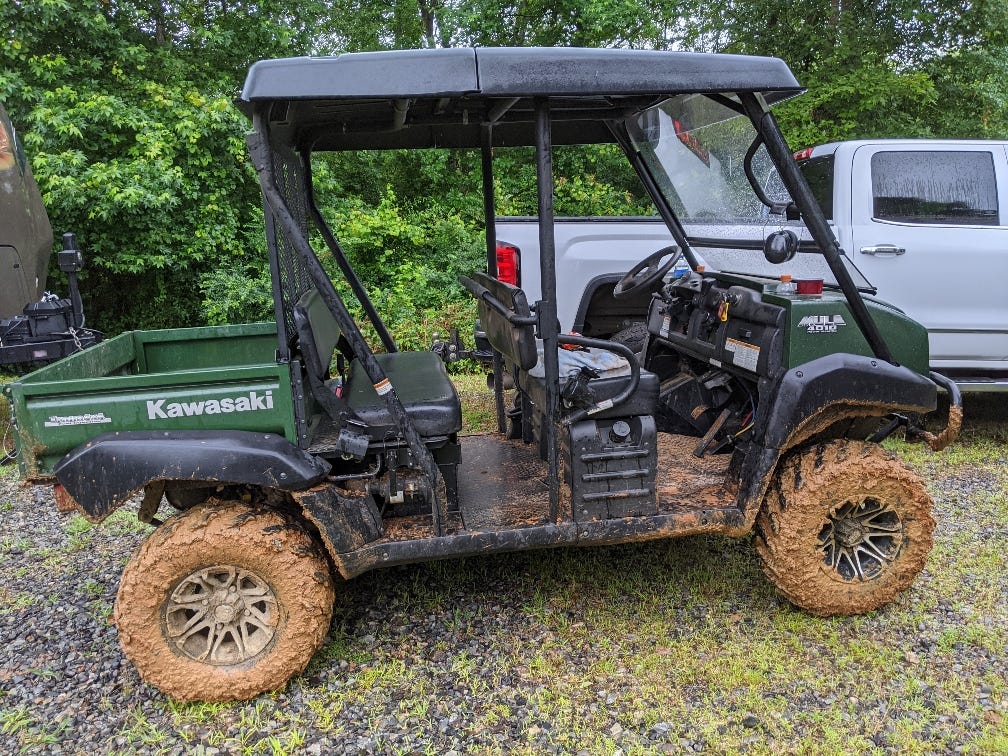
If you own a Kawasaki Mule 4010, you know how reliable and tough it can be. But what happens when unexpected problems start popping up?
These issues can slow you down and cause frustration. You want to keep your Mule running smoothly, but first, you need to understand the common problems it faces. You’ll discover the most frequent Kawasaki Mule 4010 problems and how to spot them early.
Knowing what to watch for can save you time, money, and hassle. Keep reading to protect your investment and get the most out of your ride.
Engine Troubles
The engine is the heart of your Kawasaki Mule 4010, and any trouble here can quickly turn a smooth ride into a frustrating experience. Understanding common engine issues helps you stay ahead and keep your Mule running strong. Let’s dive into some of the frequent engine troubles owners face and how you can tackle them.
Starting Difficulties
One of the most common complaints is that the Mule 4010 struggles to start. This can happen because of a weak battery, dirty spark plugs, or fuel system problems.
If your engine hesitates or won’t turn over, check the battery charge first. You might also want to clean or replace spark plugs regularly to avoid misfires. Fuel issues, like clogged filters or stale gas, can also stop your engine from firing up.
Have you ever experienced a no-start situation in the middle of a job? Keeping a simple tool kit and spare parts handy can save you hours in downtime.
Overheating Causes
Overheating is another frequent issue that can damage your engine if ignored. It usually happens due to clogged radiators, low coolant levels, or faulty fans.
Make sure to check your coolant regularly, especially if you notice the temperature gauge rising. Cleaning the radiator fins of dirt and debris improves airflow and keeps your engine cool. Also, verify that the cooling fan is operating correctly; a broken fan means your engine won’t get the airflow it needs.
Think about when you last flushed the cooling system. Regular maintenance here can prevent costly repairs down the road.
Power Loss Reasons
Feeling a sudden drop in power can be alarming and often signals underlying engine problems. Common causes include dirty air filters, fuel contamination, or worn-out engine components.
A clogged air filter restricts airflow, causing the engine to choke and lose power. Contaminated fuel can foul injectors or carburetors, reducing efficiency. Worn piston rings or valves also degrade engine performance over time.
Next time your Mule feels sluggish, start by inspecting the air filter and fuel quality. You might find that a simple cleaning or fuel change restores your ride’s strength.

Credit: www.youtube.com
Electrical Glitches
Electrical glitches in the Kawasaki Mule 4010 can catch you off guard, especially when you’re out in the field. These issues often disrupt your ride and work, leaving you wondering what went wrong. Understanding the common electrical problems can help you troubleshoot faster and get back on track.
Battery Problems
Your Mule’s battery is its heart when it comes to electrical power. A weak or dead battery can cause starting failures or erratic electrical behavior.
Check for signs like slow engine cranking or dim dashboard lights. Corroded battery terminals and loose connections are frequent culprits that can be fixed with a simple cleaning and tightening.
Have you ever experienced your Mule refusing to start after a long idle? Often, a fully charged battery and regular maintenance prevent such surprises.
Lighting Malfunctions
Lighting problems can be more than just an annoyance—they can create safety risks, especially during early morning or late evening rides.
Common issues include flickering headlights, burnt-out bulbs, or lights that won’t switch on at all. Sometimes, the problem lies in the bulb itself; other times, a faulty relay or fuse is the cause.
Try swapping out bulbs or checking your fuses before heading to a mechanic. Do you keep spare bulbs in your toolbox for quick replacements?
Switch And Wiring Issues
Switches and wiring harnesses are often overlooked but critical parts of your Mule’s electrical system. Faulty switches can cause intermittent power loss or unresponsive controls.
Wiring problems might show up as sparks, exposed wires, or inconsistent electrical flow. These problems often stem from wear and tear or exposure to moisture and dirt.
Inspect your wiring regularly for damage and ensure your switches operate smoothly. What’s your routine for electrical checks on your Mule?
Transmission And Drivetrain Issues
The transmission and drivetrain are vital for the Kawasaki Mule 4010’s performance. Problems in these areas can reduce power delivery and cause breakdowns. Owners often report issues that affect the vehicle’s smooth running and reliability.
Transmission troubles can make driving difficult and unsafe. Drivetrain problems may lead to unusual noises and vibrations. Understanding these common faults helps in spotting issues early and keeping the Mule 4010 working well.
Gear Shifting Challenges
Shifting gears in the Mule 4010 may become stiff or unresponsive. This happens due to worn shift forks or damaged synchronizers. Drivers might feel grinding or slipping during gear changes. Regular inspection and timely repairs help avoid bigger transmission damage.
Clutch Wear And Tear
The clutch system faces heavy use and can wear out quickly. Signs include slipping, difficulty in engaging gears, and a burning smell. Clutch plates and springs lose effectiveness over time. Keeping the clutch adjusted and replacing worn parts maintains smooth operation.
Drive Shaft Concerns
Drive shafts transmit power from the transmission to the wheels. Problems arise from bent shafts or worn universal joints. This causes vibrations, noise, and sometimes loss of power. Routine lubrication and checks prevent serious drivetrain failures and costly repairs.

Credit: www.youtube.com
Suspension And Steering Faults
The suspension and steering system of your Kawasaki Mule 4010 plays a crucial role in ensuring a smooth and safe ride. However, several common faults can arise that affect handling and comfort. Recognizing these issues early can save you from costly repairs and keep your Mule performing at its best.
Steering Play
Steering play happens when there’s excessive free movement in the steering wheel before the vehicle responds. You might notice a loose feeling or delayed reaction while turning. This often points to worn tie rods, loose steering box components, or damaged bushings.
Have you felt your Mule wandering or requiring more effort to steer? Checking and tightening the steering linkage can often restore control. Regularly inspect these parts, especially if you use your Mule on rough terrain, as constant vibrations can speed up wear.
Suspension Noise
Hearing clunks, squeaks, or rattles from the suspension is a clear sign something isn’t right. These noises typically come from worn-out shocks, loose bolts, or damaged control arms. Ignoring these sounds can lead to further damage and a rougher ride.
Try to pinpoint when the noise occurs—is it over bumps, during turns, or when accelerating? This can help identify the faulty component faster. Lubricating moving parts and tightening bolts often reduces noise, but sometimes replacement parts are necessary.
Alignment Problems
If your Mule pulls to one side or your tires wear unevenly, alignment issues may be the cause. Misalignment affects steering response and increases tire wear, costing you more in the long run. It can result from hitting obstacles, bent suspension parts, or worn bushings.
Have you checked your tire wear patterns lately? Uneven tread can signal alignment faults. Getting a professional alignment check is crucial, but you can also visually inspect for bent components or loose nuts yourself between rides.
Brake System Problems
The brake system on the Kawasaki Mule 4010 is crucial for safe operation. Problems in this system can reduce stopping power and increase risk. Understanding common brake issues helps in identifying and fixing them early. Regular checks keep the brakes in good working condition and ensure safety during rides.
Brake Fade
Brake fade happens when brakes lose effectiveness after heavy use. It feels like the brakes are soft or less responsive. This occurs because of heat buildup in the brake parts. Riding downhill or using brakes often can cause this problem. Brake fade makes stopping harder and requires more pedal pressure.
Pad And Rotor Wear
Brake pads and rotors wear out over time from friction. Worn pads reduce braking power and make noise. Rotors can become thin or warped, causing vibrations when braking. Regular inspection helps spot wear before it becomes dangerous. Replacing pads and rotors on time keeps the brake system reliable.
Brake Fluid Leaks
Brake fluid leaks lower the hydraulic pressure in the brake system. Leaks can appear around brake lines, calipers, or master cylinders. Fluid loss results in soft brake pedals and poor braking response. Inspecting brake lines and connections helps find leaks early. Fixing leaks quickly prevents brake failure and maintains safety.
Credit: www.etsy.com
Fuel System Concerns
The fuel system of the Kawasaki Mule 4010 is crucial for smooth operation. Problems in this system can cause poor engine performance or stalling. Understanding common fuel system concerns helps keep the Mule running well.
Fuel Delivery Issues
Fuel delivery problems often cause the engine to hesitate or lose power. Clogged fuel lines or a failing fuel pump can restrict fuel flow. Dirt and debris may block the fuel path, leading to inconsistent engine response.
Signs include rough idling, difficulty starting, or engine sputtering. Regular checks on fuel lines and pumps can prevent these issues.
Carburetor And Injector Cleaning
The carburetor or fuel injectors can become dirty over time. This buildup restricts fuel flow and affects combustion. Cleaning these parts restores proper fuel atomization and engine efficiency.
Use a carburetor cleaner or injector cleaner spray designed for the Mule 4010. Ensure all jets and passages are clear for smooth fuel delivery.
Fuel Filter Replacement
A clogged fuel filter blocks fuel flow and reduces engine power. It traps dirt and contaminants from reaching the engine. Replacing the fuel filter regularly keeps the fuel clean and the engine running smoothly.
Check the filter according to the maintenance schedule or if you notice performance issues. A fresh filter ensures proper fuel pressure and engine reliability.
Routine Maintenance Tips
Routine maintenance keeps your Kawasaki Mule 4010 running smoothly. It helps spot problems early and extends the vehicle’s life. Simple checks and timely care prevent costly repairs later.
Regular Inspection Checklist
- Check tire pressure and condition for safe driving.
- Inspect brakes for wear and proper function.
- Look over the lights and signals to ensure visibility.
- Examine the battery terminals for corrosion or loose connections.
- Test the steering and suspension for smooth handling.
- Inspect belts and hoses for cracks or damage.
- Check fluid levels: oil, coolant, and brake fluid.
Lubrication Points
Lubricating moving parts reduces wear and prevents rust. Focus on these points regularly:
- Steering joints and linkage
- Suspension pivot points
- Drive shaft and U-joints
- Throttle and brake cables
- Gear shift mechanism
Use recommended grease or oil to keep parts moving freely.
Parts Replacement Schedule
| Part | Replacement Interval |
|---|---|
| Engine Oil and Filter | Every 100 hours or 6 months |
| Air Filter | Every 200 hours or yearly |
| Brake Pads | Check every 100 hours, replace as needed |
| Spark Plugs | Every 300 hours |
| Coolant | Every 2 years |
Frequently Asked Questions
What Are Common Kawasaki Mule 4010 Problems?
Common issues include electrical problems, overheating, and transmission troubles. Users report battery drain and starter failure. Overheating can result from clogged radiators or low coolant. Transmission problems often involve gear shifting difficulties. Regular maintenance can prevent many of these issues.
Proper care and timely servicing ensure optimal performance.
How To Fix Kawasaki Mule 4010 Overheating?
Check the radiator for clogs or debris. Ensure coolant levels are adequate. Clean the radiator and refill the coolant if needed. Inspect the fan for proper operation. Regular maintenance helps prevent overheating. Ensuring proper airflow and coolant levels is crucial for preventing engine damage.
Why Is My Kawasaki Mule 4010 Not Starting?
A dead battery or faulty starter are common causes. Check battery connections for corrosion. Inspect the starter motor and solenoid for issues. Ensure fuel lines are clear and fuel is fresh. Regular maintenance can help avoid starting problems. Keeping the electrical system in check is essential.
How To Solve Kawasaki Mule 4010 Transmission Issues?
Transmission issues often involve gear shifting problems. Check transmission fluid levels and condition. Inspect for leaks and replace worn components. Regularly servicing the transmission can prevent major issues. Addressing minor problems early helps maintain smooth operation. Proper lubrication is key to a healthy transmission.
Conclusion
Kawasaki Mule 4010 can face some common problems over time. Regular checks help catch issues early and keep it running well. Fixing small problems fast saves money and stress later. Knowing what to watch for makes ownership easier. Stay patient and take care of your Mule.
It will serve you better and longer. Simple maintenance keeps your ride smooth and safe. Keep your Mule ready for any work or fun ahead.