
Sure! Could you please provide the specific keyword or title you’d like me to write the introduction for?
Seo Basics
SEO means making your website easy to find on search engines. It helps more people visit your site. Good SEO brings more visitors without paying for ads.
To start with SEO, you must understand how search engines work and what to track. This guide explains these basics.
How Search Engines Work
Search engines find and show websites based on what people search for. They use robots called crawlers to visit pages. These crawlers read the content on your site.
The search engine then organizes and stores this information. When someone searches, the engine shows the best match from its database.
- Crawling: Scanning web pages for new content
- Indexing: Storing and organizing content
- Ranking: Ordering results by relevance and quality
Key Seo Metrics To Track
To improve SEO, watch important numbers that show your website’s health. These metrics tell you what works and what needs fixing.
Tracking these metrics helps you make better choices for your site’s growth.
- Organic Traffic: Number of visitors from search engines
- Keyword Rankings: Position of your site for key search terms
- Bounce Rate: Percentage of visitors who leave quickly
- Page Load Speed: Time it takes for your site to open
- Backlinks: Links from other sites pointing to yours
Keyword Research
Keyword research helps you find words people search for online. It guides your content to match user interests and needs.
Good keyword choices improve your site’s visibility and attract the right visitors. This makes your content more useful and relevant.
Finding High-impact Keywords
High-impact keywords bring more traffic to your site. These words have good search volume and low competition. They help you reach a larger audience.
- Use keyword tools to find popular search terms
- Focus on keywords with clear user intent
- Check search volume and competition levels
- Choose keywords relevant to your content
- Consider seasonal or trending terms
Using Long-tail Keywords
Long-tail keywords are longer and more specific phrases. They have less competition and attract targeted visitors. These keywords often lead to higher conversion rates.
| Keyword Type | Example | Benefit |
| Short-Tail | “shoes” | High volume, high competition |
| Long-Tail | “women’s running shoes size 8” | Lower volume, low competition, more targeted |
Analyzing Competitor Keywords
Look at the keywords your competitors use. This helps you find gaps and opportunities. Analyzing competitor keywords shows what works in your market.
Try these tips to analyze competitor keywords:
- Identify your main competitors online
- Use SEO tools to find their top keywords
- Compare their keywords with your list
- Find keywords they miss but are relevant to you
- Adjust your content to include those keywords
On-page Seo Techniques
On-page SEO helps search engines understand your website better. It improves your chances of ranking higher.
Using the right techniques on your page makes your content easier to find and read.
Optimizing Title Tags And Meta Descriptions
Title tags show the main topic of your page in search results. Keep titles clear and include your main keyword.
Meta descriptions summarize your page content. Write descriptions that encourage people to click.
- Use keywords naturally in titles and descriptions
- Keep title tags under 60 characters
- Limit meta descriptions to about 155 characters
- Make titles and descriptions unique for each page
Improving Content Quality
High-quality content answers users’ questions clearly. Use simple words and short sentences.
Make sure your content is original and easy to read. Add useful information that visitors want.
- Focus on one main topic per page
- Use examples and facts to support your points
- Break text into small paragraphs
- Check grammar and spelling carefully
Enhancing Url Structure
URLs help both users and search engines understand your page. Keep URLs short and descriptive.
Use keywords in URLs and avoid unnecessary numbers or symbols. This makes links easier to share.
- Use hyphens to separate words
- Make URLs lowercase
- Avoid long strings of random characters
- Keep URLs consistent and logical
Using Header Tags Effectively
Headers organize your content and guide readers through the page. Use them to show main ideas.
Start with one H1 tag for the page title. Use H2 and H3 tags for sections and subsections.
- Include keywords in headers when natural
- Use headers to break content into sections
- Do not skip header levels (H1, then H2, then H3)
- Keep headers short and clear
Technical Seo
Technical SEO helps search engines find and understand your website. It improves your site’s performance and ranking.
Good technical SEO makes your website faster, easier to use, and more visible to search engines.
Boosting Site Speed
Site speed affects how users and search engines see your site. Faster sites keep visitors longer and rank better.
Use tools to check your site speed and fix slow parts. Compress images and use caching to load pages faster.
- Optimize images by reducing file size
- Enable browser caching for repeat visitors
- Use a content delivery network (CDN)
- Minimize code like CSS, JavaScript, and HTML
Mobile Optimization Tips
More people use mobile devices to browse websites. Your site must look good and work well on phones and tablets.
Use a responsive design that changes layout based on screen size. Make buttons big and text easy to read.
- Use responsive themes or designs
- Keep page layouts simple on small screens
- Test your site on different mobile devices
- Make sure links and buttons are easy to tap
Fixing Crawl Errors
Crawl errors happen when search engines cannot read your pages. Fixing these helps your site get indexed properly.
Check for broken links, missing pages, and server errors. Use tools like Google Search Console to find these issues.
- Find and fix broken links (404 errors)
- Correct server errors (500 errors)
- Update or remove deleted pages
- Submit a sitemap to search engines
Implementing Structured Data
Structured data helps search engines understand your content better. It can show rich results like reviews and ratings.
Add schema markup to your pages using JSON-LD format. This makes your site more attractive in search results.
- Use schema for articles, products, and events
- Add review and rating markup if available
- Test your markup with Google’s Rich Results Test
- Keep markup updated with your content
Link Building Strategies
Link building helps improve your website’s ranking in search engines. It means getting other sites to link to your pages.
Good links bring more visitors and build trust for your site. Here are some smart ways to get quality backlinks.
Earning High-quality Backlinks
High-quality backlinks come from trusted and relevant websites. These links help your site rank higher in search results.
Create useful content that others want to share. This can be guides, studies, or helpful tips related to your topic.
- Write detailed articles that solve problems
- Share original data or research
- Make infographics that explain ideas clearly
- Create tools or resources others can use
Guest Posting Tactics
Guest posting means writing articles for other websites. It helps you reach new audiences and get backlinks.
Choose sites that relate to your niche and have good authority. Write helpful and original content for them.
- Find blogs with active readers in your field
- Offer topics that fit their audience
- Include a natural link to your site in the article
- Build relationships with site owners for future posts
Using Social Media For Links
Social media helps share your content widely. It can lead to more people linking back to your site.
Post regularly and engage with followers. Join groups and communities related to your topic.
- Share blog posts and helpful tips
- Participate in discussions and answer questions
- Connect with influencers who can share your links
- Use social platforms to build your brand presence
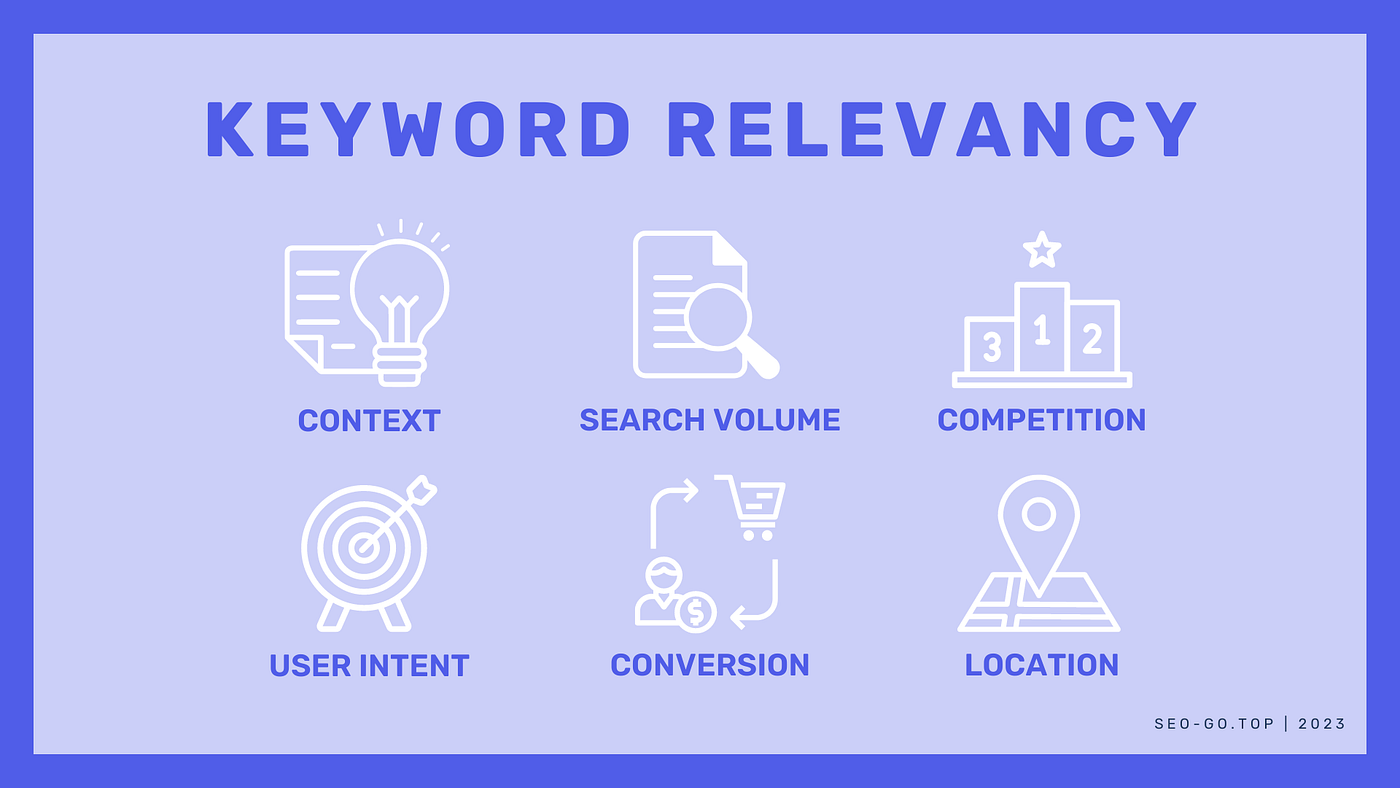
Credit: medium.com
Content Marketing For Seo
Content marketing helps improve your website’s ranking on search engines. It means creating useful and interesting content for your visitors.
Good content attracts more visitors and keeps them on your site longer. This helps search engines see your site as valuable.
Creating Engaging Content
Write content that answers questions your audience has. Use simple words and clear sentences. Make your content easy to read and understand.
Use stories, examples, and facts to keep readers interested. Engaging content encourages visitors to stay longer and share your pages.
- Use clear headings and short paragraphs
- Include questions and answers
- Add real examples to explain ideas
Updating Old Content
Review your older posts regularly to keep them fresh. Update facts, links, and statistics to make content accurate.
Search engines prefer websites with current information. Updating old content can boost your SEO without starting from scratch.
- Fix broken links and errors
- Add new information or trends
- Improve keywords and readability
Leveraging Multimedia Elements
Use images, videos, and charts to explain your points better. Multimedia helps keep visitors interested and makes content easier to understand.
Search engines can rank pages higher if they have rich media. Make sure to add alt text to images for better SEO.
- Use relevant images to support text
- Add videos to show how things work
- Create charts to display data clearly
- Include alt text with keywords for images
User Experience And Seo
User experience and SEO work together to improve your website’s success. Good design helps visitors find information fast. Search engines also rank sites higher when users stay longer.
Simple navigation, fast loading, and mobile-friendliness keep users happy. This guide covers key ways to boost both user experience and SEO on your site.
Improving Site Navigation
Clear site navigation helps users find pages easily. It also helps search engines understand your site structure. Use menus that are simple and organized.
- Use descriptive labels for menu items
- Keep navigation consistent on all pages
- Include a search bar for quick access
- Limit menu items to avoid clutter
- Add breadcrumbs to show page location
Enhancing Mobile Usability
More people use phones to browse websites. A mobile-friendly site improves experience and helps SEO rankings. Make sure buttons and text are easy to read on small screens.
| Mobile Usability Factor | Why It Matters |
| Responsive Design | Adjusts layout to screen size |
| Fast Loading | Reduces wait time on mobile data |
| Touch-friendly Buttons | Easy to tap without errors |
| Readable Fonts | Improves text clarity on small screens |
Reducing Bounce Rates
A high bounce rate means visitors leave quickly. This hurts SEO and shows poor user experience. Improve your site to keep visitors interested.
- Use clear headlines to show page content
- Improve page speed to avoid delays
- Add engaging images and videos
- Make content easy to scan with short paragraphs
- Include links to related pages

Credit: www.arimetrics.com
Monitoring And Analytics
Monitoring and analytics help you understand how your website performs. They show what works and what needs change.
Using data from these tools, you can improve your site’s traffic and search rankings over time.
Tracking Seo Performance
Tracking SEO performance means watching how your site ranks in search engines. It also means checking visitor behavior.
Key metrics to track include traffic, keyword rankings, and bounce rate. These help you see if your SEO efforts work.
- Monitor keyword positions regularly
- Check organic traffic growth
- Analyze page load speed
- Watch bounce and exit rates
Using Google Search Console
Google Search Console gives free data about your website’s search presence. It shows clicks, impressions, and errors.
You can use it to find which keywords bring visitors and what pages need fixing.
- Check search queries and clicks
- Identify pages with high impressions but low clicks
- Spot crawl errors and fix them
- Submit sitemaps and monitor indexing
Adjusting Strategies Based On Data
Data from monitoring tools helps you change your SEO plan. You can focus on what works and fix what does not.
Adjusting strategies often leads to better rankings and more visitors over time.
- Improve content for low-performing pages
- Target new keywords with high potential
- Fix technical SEO issues found in reports
- Test changes and track results continuously

Credit: medium.com
Frequently Asked Questions
What Is Keyword And Why Is It Important?
A keyword is a word or phrase users type into search engines. It helps websites rank higher and attract relevant traffic, boosting visibility and engagement.
How To Find The Best Keywords For Seo?
Use keyword research tools like Google Keyword Planner or Ahrefs. Focus on relevance, search volume, and competition to choose effective keywords.
How Do Keywords Improve Website Ranking?
Keywords signal search engines about your content’s topic. Proper use in titles, headers, and content improves your chances of ranking higher for related queries.
Can Keywords Affect Website Traffic Quality?
Yes, targeted keywords attract visitors genuinely interested in your content. This increases engagement, reduces bounce rates, and improves conversion rates.
Conclusion
Exploring keywords can boost your online visibility. A well-chosen keyword guides potential visitors to your content. It connects users to what they seek, enhancing engagement. Remember to research and select relevant keywords carefully. Consider using tools to find the best options.
This strategy helps your content reach more eyes. It’s simple but effective. Keep content clear and user-friendly. This approach keeps readers interested and informed. Consistent effort in keyword selection improves results over time. Stay focused and watch your online presence grow.