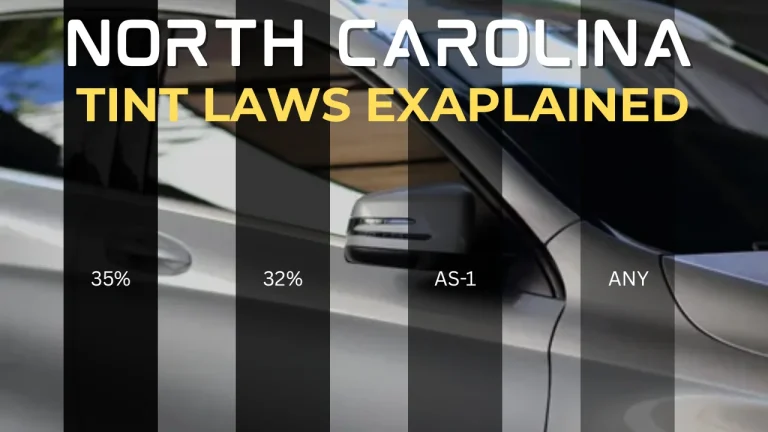
Are you thinking about tinting your car windows in North Carolina? Before you do, it’s important to know the state’s tint laws.
These rules can affect your safety, your driving experience, and even your wallet if you get a ticket. Understanding what’s allowed and what’s not will help you make smart choices and avoid surprises. Keep reading to find out everything you need to know about North Carolina tint law and how it impacts you.
Credit: kepler-dealer.com
North Carolina Tint Regulations
Understanding North Carolina’s tint regulations is key if you want to avoid fines and keep your vehicle street legal. The state has clear rules about how dark and reflective your window tint can be. These rules aim to balance your privacy and comfort with safety on the road.
Tint Darkness Limits
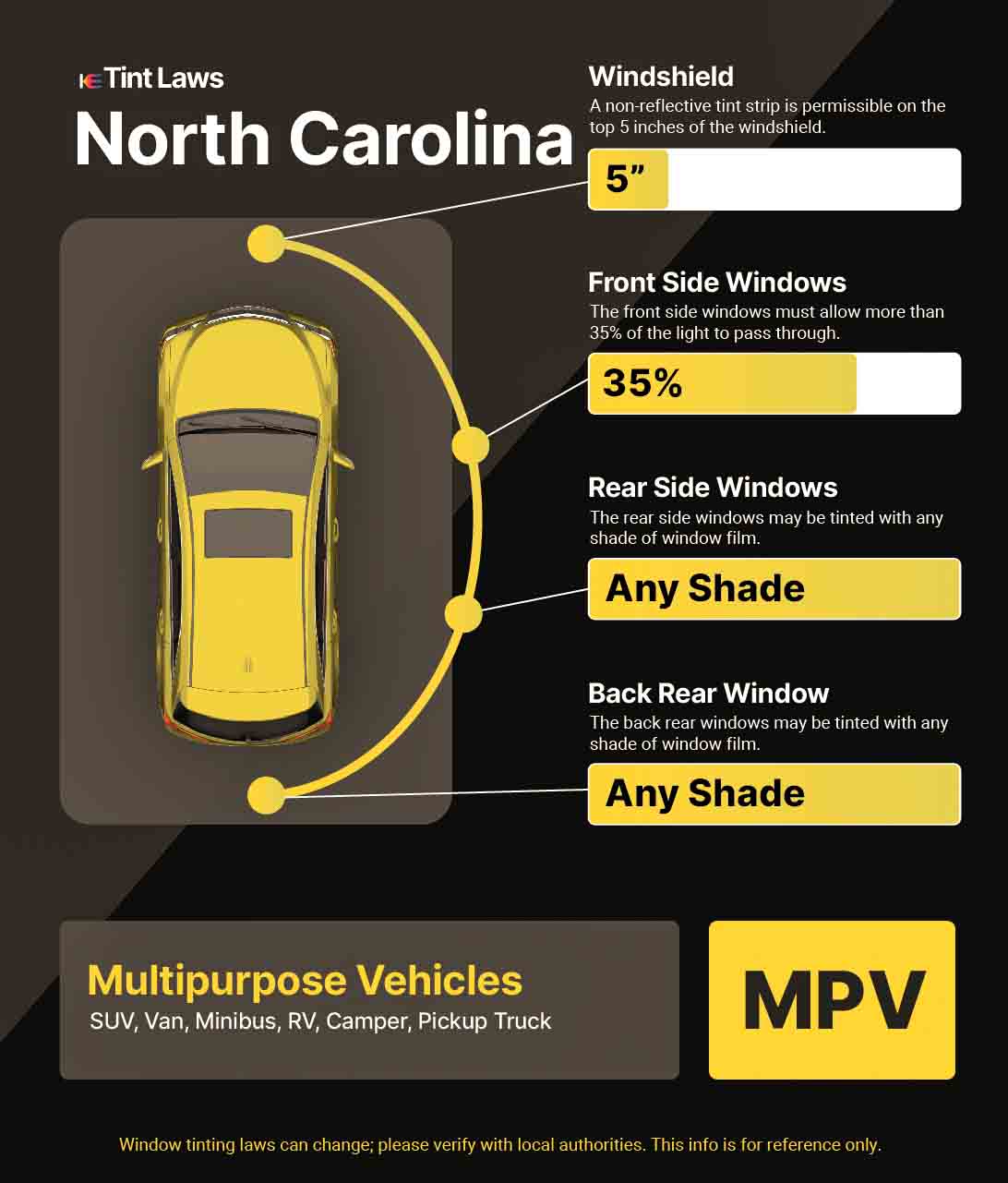
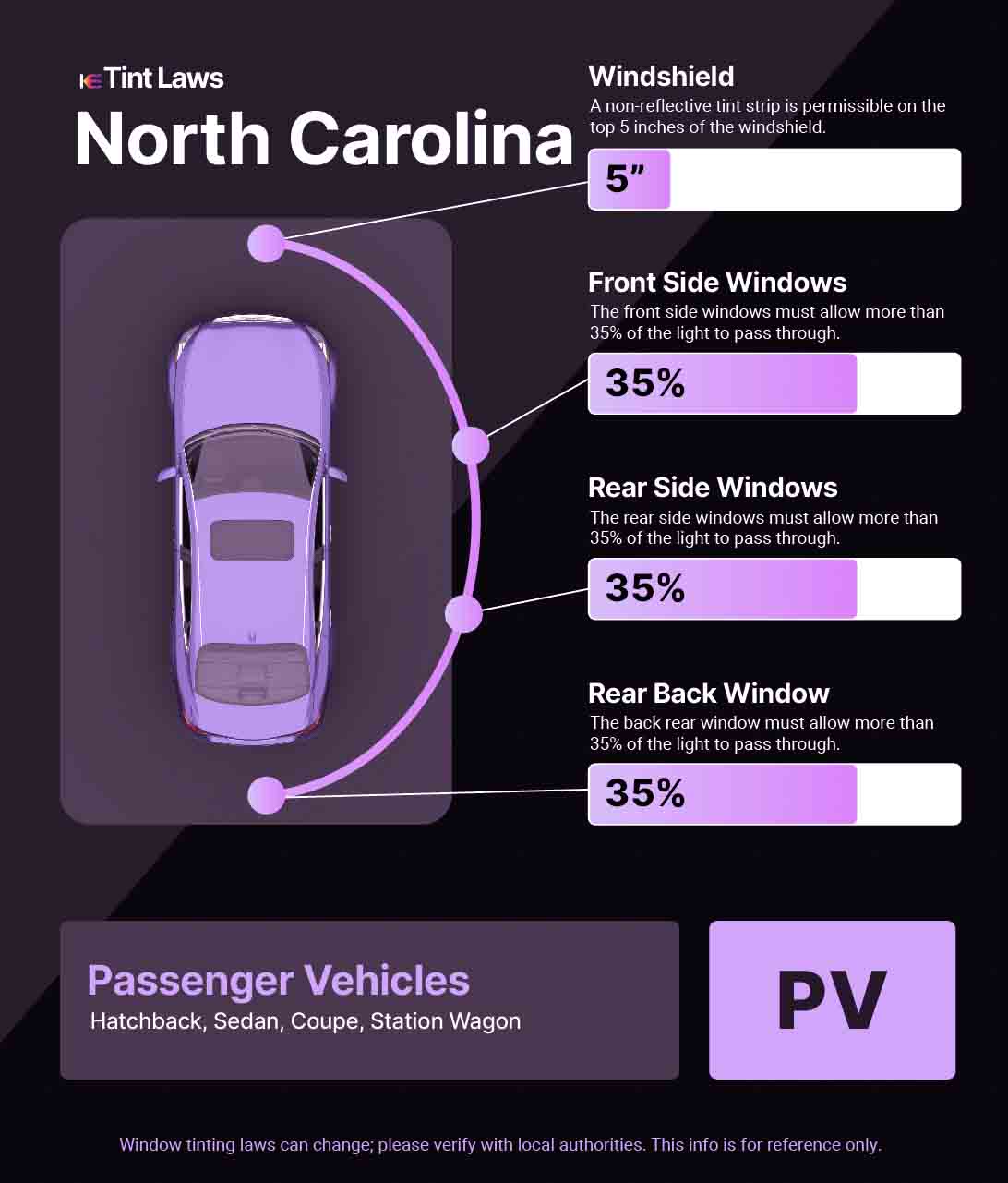
North Carolina specifies the percentage of light that must pass through your windows, known as Visible Light Transmission (VLT). For the front side windows, the VLT must be at least 35%, meaning your tint can block up to 65% of light.
The rear side windows and back window can have any darkness level if your vehicle has side mirrors on both sides. But if you lack mirrors on both sides, the rear windows must meet the same 35% VLT rule.
Have you ever wondered how much tint is too dark? Knowing these limits helps you pick the right shade without risking a ticket.
Tint Placement Rules
Not all windows are treated equally. North Carolina law applies different standards depending on the window location. The front windshield cannot have any tint except a non-reflective strip at the top, commonly called an “eyebrow” strip.
Front side windows must meet the 35% VLT standard, but rear side and back windows can be darker if the vehicle has dual side mirrors. This helps maintain visibility for safe driving.
Think about how your visibility changes with different tints on various windows. It’s not just about looks—it’s about safety for you and others.
Reflectivity Restrictions
The state also limits how reflective your tint can be. Reflective tints that create a mirror-like effect are not allowed on any windows, as they can blind other drivers or reduce your ability to see outside clearly.
North Carolina forbids tint that reflects more than 25% of light. This rule applies to all windows, ensuring your tint won’t cause dangerous glare on the road.
Have you checked if your tint’s reflectivity is within legal limits? It’s an easy detail to overlook but crucial for legal compliance and road safety.
Credit: www.wfmynews2.com
Medical Exemptions
North Carolina allows medical exemptions for window tinting rules in certain cases. Drivers with health issues can apply for special tint permits. This helps protect sensitive skin or eyes while following state law.
Navigating North Carolina’s tint law can be challenging, especially if you’re considering a medical exemption. This exemption allows individuals with certain medical conditions to apply a darker tint to their vehicle windows than generally permitted by state law. But what conditions qualify, and what paperwork is needed? Let’s dive into the specifics.Qualifying Conditions
North Carolina recognizes several medical conditions that may qualify for a window tint exemption. These include lupus, photosensitivity, and other conditions that make individuals sensitive to sunlight. If you have a condition that isn’t commonly known, it’s crucial to consult with your healthcare provider to see if it fits the criteria. Understanding whether you qualify can save time and hassle. Some people with rare conditions might not even realize they’re eligible. Wouldn’t it be a relief to find out you can drive comfortably with the right tint?Documentation Requirements
To obtain a medical exemption, proper documentation is essential. This typically involves a letter from a licensed physician detailing your condition and the necessity for darker tinting. Make sure this documentation is thorough and clearly states your needs. The North Carolina DMV requires that you submit this documentation along with a formal application. Double-check everything before submission. Missing a single piece of paperwork can delay your exemption, leaving you exposed to the harsh sun longer than necessary. Ensure your physician’s letter is on official letterhead and includes all pertinent details. This step is crucial in avoiding any bureaucratic delays. After all, your comfort and safety are worth the extra attention to detail.Enforcement And Penalties
Understanding the enforcement and penalties related to North Carolina’s tint law is essential if you want to avoid unexpected fines or legal trouble. The state takes window tinting regulations seriously, and law enforcement officers are vigilant in checking for compliance. Knowing what to expect during inspections and the consequences of violations can help you stay informed and protect your vehicle investment.
Fines For Violations
If your vehicle’s window tint does not meet North Carolina’s legal standards, you can face monetary fines. Typically, first-time offenders may be fined around $50 to $100.
Repeat violations often lead to higher fines and sometimes additional court fees. Have you ever wondered how strict these fines actually feel on your wallet? For many drivers, even a small fine can be a frustrating surprise.
Vehicle Inspection Procedures
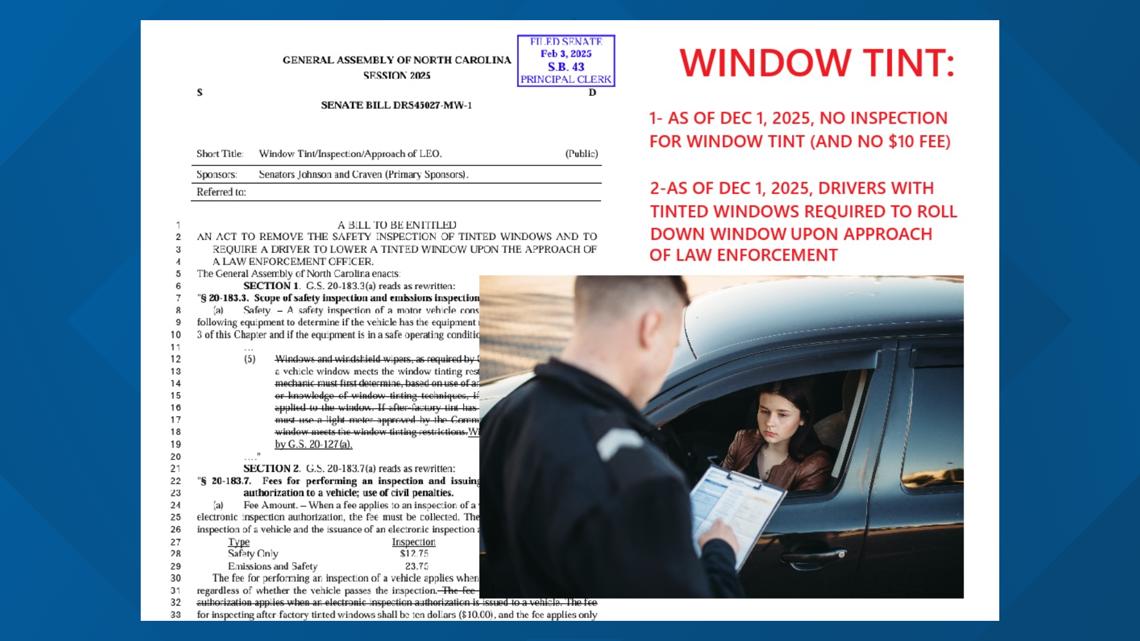
During routine vehicle inspections, officials check your window tint to ensure it complies with the state’s requirements. They use special light meters to measure the Visible Light Transmission (VLT) percentage through your windows.
If your tint falls below the legal threshold, the vehicle fails the inspection until the tint is adjusted or removed. Imagine showing up for an inspection only to be told your car needs immediate changes—many drivers don’t realize how precise these measurements are.
Police Enforcement Practices
Police officers in North Carolina actively monitor vehicles for illegal tint during traffic stops and roadside checks. They have the authority to stop your vehicle if they suspect your tint is too dark.
Officers often combine tint checks with other routine traffic enforcement, making it important to keep your vehicle compliant at all times. Have you ever been pulled over and wondered if your tint was the reason? Staying within the law can prevent such unnecessary stops.
Choosing Legal Tint Films
Choosing the right tint film for your vehicle in North Carolina is crucial to stay within legal limits and avoid fines. The state has specific regulations on how dark and reflective your tint can be, so selecting a compliant film protects you and keeps your car street-legal.
It’s not just about picking any dark film; you need to understand which types are approved, how to verify their certification, and how to install them properly. Let’s break down what you should look for to make a smart choice.
Approved Tint Types
North Carolina law specifies the allowable visible light transmission (VLT) levels for different windows on your vehicle. Typically, the front side windows must allow more light than the rear side or back windows.
- Non-reflective tint:Films that do not increase reflectivity beyond legal limits are generally allowed.
- Metallic or hybrid films:Some metallic tints may be restricted because they interfere with electronic signals or appear too reflective.
- Clear or lightly tinted films:These usually comply easily, especially for windshield and front side windows.
Check the exact VLT percentage allowed by North Carolina law before buying. If you pick a film that is too dark or too reflective, you risk having to remove it or face penalties.
Certification Marks
Every legal tint film should come with a certification label or sticker. This mark proves the film meets state regulations and has been tested for safety and compliance.
- Look for labels from recognized testing organizations like the National Institute of Standards and Technology (NIST) or equivalent.
- Ensure the certification includes the film’s VLT rating and manufacturer details.
- Ask your tint installer to show you this certification before the job starts.
Without this certification, the film might not pass a police inspection. Would you risk a ticket just to save a few dollars on uncertified tint?
Installation Tips
Proper installation affects not just the look but also the legality and durability of your tint. A poorly applied film can bubble, peel, or reduce visibility, causing safety hazards.
- Choose a professional installer experienced with North Carolina tint laws.
- Make sure the installer cleans the windows thoroughly before applying the film.
- Check that the tint is evenly applied, without bubbles or creases.
- After installation, inspect the edges to ensure no lifting occurs over time.
Remember, even the best film won’t protect you from fines if it’s installed incorrectly. What’s your experience with tint installation—have you noticed a difference between DIY and professional jobs?
Impact On Safety And Visibility
The North Carolina tint law plays a critical role in balancing vehicle aesthetics with road safety. Tinting affects how much light passes through car windows. This directly impacts driver visibility and the ability of others to see inside the vehicle. Understanding these effects helps drivers comply with the law and stay safe on the road.
Driver Visibility Concerns
Dark window tint can reduce the amount of light reaching the driver’s eyes. This makes it harder to see pedestrians, road signs, and other vehicles. Limited visibility increases the risk of accidents, especially in poor weather conditions. The law sets limits to ensure drivers maintain a clear view of the road ahead.
Effect On Law Enforcement
Law enforcement officers need to see inside vehicles during stops. Excessive tint can block their view, raising safety concerns for both officers and drivers. The tint law helps officers assess situations quickly. Clear windows make it easier to spot illegal items or identify occupants, improving overall safety.
Nighttime Driving Considerations
Night driving is challenging with dark tints. Reduced light entering the vehicle lowers visibility in low-light conditions. This can delay reaction times and increase danger on the road. North Carolina’s tint limits ensure drivers have enough visibility at night for safer driving.
Credit: kepler-dealer.com
Common Myths And Misconceptions
Tinted windows on your vehicle can spark a lot of questions—and some of those questions come with answers that aren’t quite right. Myths about North Carolina’s tint laws spread easily, leading many drivers to unknowingly break the rules or miss out on legal benefits. Sorting fact from fiction helps you make informed choices about your car’s window tinting.
Legal Limits Clarified
One common myth is that all windows must have the same level of tint. Actually, North Carolina sets different limits for various windows. For instance, the front side windows must allow more light through than the rear ones.
Many believe that any dark tint is illegal. In reality, you can have darker tints on rear windows, but the front windshield has strict restrictions—only the top few inches can be tinted. If you install tints darker than allowed, you risk fines and having to remove the film.
Does your tint let in less than 35% of light on the front side windows? If yes, then it’s likely not legal. Checking the exact Visible Light Transmission (VLT) percentage can save you a headache later.
Misunderstood Exemptions
Some drivers think medical exemptions allow them to use any tint darkness. While North Carolina does offer exemptions for certain medical conditions, these come with paperwork and specific guidelines.
Another misconception is that commercial vehicles have no tint restrictions. Commercial vehicles must follow the same rules as passenger vehicles for window tinting. Assuming otherwise can lead to unexpected citations.
Have you ever wondered if aftermarket films are treated differently? The law does not distinguish between factory-installed and aftermarket tint; both must comply with the same rules.
Steps To Ensure Compliance
Understanding and following North Carolina’s tint law can save you from costly fines and hassle. You don’t want to guess if your window tint is legal—taking clear steps to ensure compliance protects you and your vehicle. Let’s break down what you can do to stay on the right side of the law.
Checking Tint Levels
Start by measuring your window tint’s darkness. North Carolina law requires that the front side windows allow more than 35% of light to pass through. You can buy an inexpensive tint meter online or visit a local auto shop for a quick check.
Don’t rely on visual inspection alone—tint can look lighter or darker depending on lighting conditions. Have you ever assumed your tint was legal, only to get pulled over? Avoid that risk by testing your windows yourself.
Getting Professional Advice
If you’re unsure about your tint’s legality, ask a professional. Many auto shops and tint installers know the exact regulations and can guide you on what’s allowed. They can also adjust or replace your tint if it doesn’t meet the standards.
Professionals can save you time and money by preventing future violations. Have you ever tried fixing a tint job yourself and ended up making it worse? Consulting an expert first can keep you from headaches later.
Handling Citations
If you receive a ticket for illegal tint, don’t ignore it. Pay close attention to the citation details and deadlines. You might have the option to contest the ticket if you can prove your tint meets legal standards.
Some drivers fix the tint promptly and then provide proof to reduce or dismiss fines. Think about whether it’s worth fighting the citation or just correcting the issue quickly to avoid further penalties.
Frequently Asked Questions
What Are North Carolina’s Legal Window Tint Limits?
North Carolina allows 35% visible light transmission (VLT) on the front side windows. Rear side and back windows have no VLT limit. Windshield tinting is limited to the top 5 inches only. These rules ensure driver visibility and safety.
Are There Penalties For Illegal Window Tinting In Nc?
Yes, violating North Carolina’s tint laws can result in fines and citations. First offenses may include a warning or fine. Repeat violations can lead to higher fines and mandatory removal of illegal tint.
Can I Use Tinted Windows For Medical Reasons In Nc?
Yes, North Carolina permits medical exemptions for window tinting. A doctor’s certification is required to install darker tints. This exemption must comply with specific guidelines and be approved by law enforcement.
Does North Carolina Differentiate Tint Laws For Cars And Trucks?
No, North Carolina applies the same window tint rules to cars and trucks. Both vehicle types must follow the 35% VLT limit on front side windows. Rear windows have no restrictions regardless of vehicle type.
Conclusion
Knowing North Carolina tint laws keeps you safe and legal. Tints help with sun glare but must follow state rules. Always check your car’s tint percentage before driving. Police officers can stop you for illegal tint. Avoid fines by choosing the right tint level.
Stay informed about any changes in the law. Remember, clear visibility protects you and others on the road. Drive smart, stay cool, and keep your tint within limits. Simple steps make a big difference in safety and compliance.