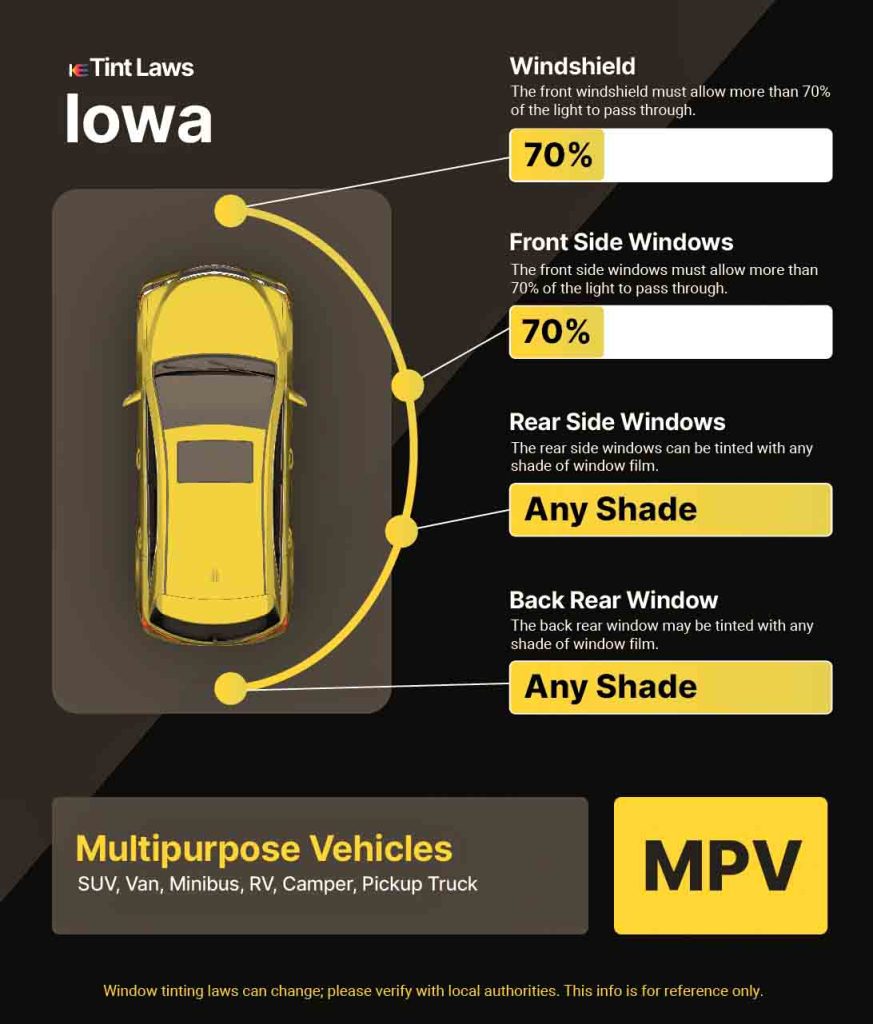
Are you thinking about tinting your car windows in Oklahoma? Before you take that step, it’s important to know the rules that affect your safety and your wallet.
Oklahoma tint law can be tricky, and breaking it might lead to fines or even having to remove your tint. But don’t worry—this guide will help you understand exactly what’s allowed and what’s not. Keep reading to protect yourself and your vehicle while enjoying the benefits of window tinting.
Tint Darkness Limits
Understanding tint darkness limits is crucial if you want to keep your vehicle compliant with Oklahoma law. These limits dictate how much light can pass through your car windows, affecting both your safety and legal standing. Knowing the specific restrictions for each window type helps you avoid fines and ensures your tint serves its intended purpose without causing trouble.
Front Side Windows
Oklahoma law requires front side windows to allow more light in compared to other windows. The tint darkness limit here is quite strict, with a minimum of 25% Visible Light Transmission (VLT). This means your tint must let at least 25% of outside light through.
Choosing a tint darker than this can lead to tickets or having to remove the film. If you drive mostly at night, you might feel tempted to darken these windows more. But remember, reduced visibility can increase your risk of accidents and attract law enforcement attention.
Back Side Windows
The rules for back side windows are more lenient. Oklahoma allows darker tints on these windows, with no specific minimum VLT percentage specified by state law. However, if you have tinted back side windows, you must have side mirrors on both sides of your vehicle.
This requirement ensures you maintain good visibility despite the darker tint. Many drivers prefer darker tints here to enhance privacy and reduce glare. Just keep in mind that your mirrors play a critical role in safe driving when the rear side windows are tinted heavily.
Rear Window
The rear window in Oklahoma can also have darker tint compared to the front side windows. Like the back side windows, there’s no strict VLT percentage stated for the rear window. But again, side mirrors on both sides are mandatory if you choose to darken this window significantly.
Dark rear windows can protect your car’s interior from sun damage and add a layer of privacy. However, you must ensure your mirrors compensate for any loss in rear visibility. How comfortable are you relying on mirrors when you can’t see clearly through the back window?

Credit: www.youtube.com
Reflectivity And Color Restrictions
Oklahoma tint laws set clear rules about reflectivity and color for vehicle windows. These rules help keep roads safe by reducing glare and ensuring drivers see clearly. Reflective tints can cause distractions or blind other drivers. Color restrictions make sure tint does not hide the driver’s identity or important signals.
Understanding these limits helps avoid fines and keeps your vehicle legal. Here is what you need to know about reflectivity and color restrictions in Oklahoma.
Reflectivity Limits On Vehicle Windows
Oklahoma law limits how shiny or reflective your window tint can be. The tint cannot reflect more than 25% of light. This means your tint should not act like a mirror. Reflective tints can confuse other drivers by reflecting sunlight or headlights.
These rules apply to all windows, including the front, back, and side windows. Reflective tints may also make it hard for law enforcement to see inside your vehicle, which is why they are restricted.
Allowed Tint Colors And Their Purpose
Oklahoma allows only certain colors for window tints. The law forbids colors that can hide the driver or passengers. Common allowed colors include black and gray shades. Bright or flashy colors like red, blue, or green are not allowed.
The goal is to maintain visibility and driver safety. Color restrictions help police officers identify drivers and ensure no illegal activities happen inside the vehicle.
Consequences Of Violating Reflectivity And Color Rules
Drivers who break these rules may face fines and be asked to remove the tint. Police officers check for illegal reflectivity and colors during traffic stops. Non-compliant tints can lead to warnings or citations.
Removing illegal tint quickly avoids further penalties. Following Oklahoma’s tint laws keeps you safe and prevents legal trouble.
Medical Exemptions For Tint
Oklahoma allows medical exemptions for window tinting in certain cases. People with specific health conditions can apply for special tint permits. This helps protect sensitive eyes while following state laws.
Medical exemptions for tint in Oklahoma provide relief for individuals with certain health conditions. These exemptions allow darker window tints than typically permitted by state law. Understanding who qualifies and what documentation is needed is essential for compliance.Qualifying Conditions
Certain medical conditions make individuals sensitive to sunlight. These may include lupus, albinism, and xeroderma pigmentosum. Such conditions cause discomfort or health risks when exposed to sunlight. Oklahoma law acknowledges these situations. It permits darker window tints to ensure individuals’ comfort and safety.Required Documentation
To apply for a medical exemption, specific documents are necessary. A licensed physician must provide a detailed medical certificate. This certificate should state the medical need for darker window tinting. It must include the physician’s contact information and signature. The certificate must clearly explain the condition and the necessity for exemption. Ensure all documentation is current and properly filled out. This helps avoid legal issues and ensures smooth processing of the exemption request. Proper documentation ensures compliance with Oklahoma tint law.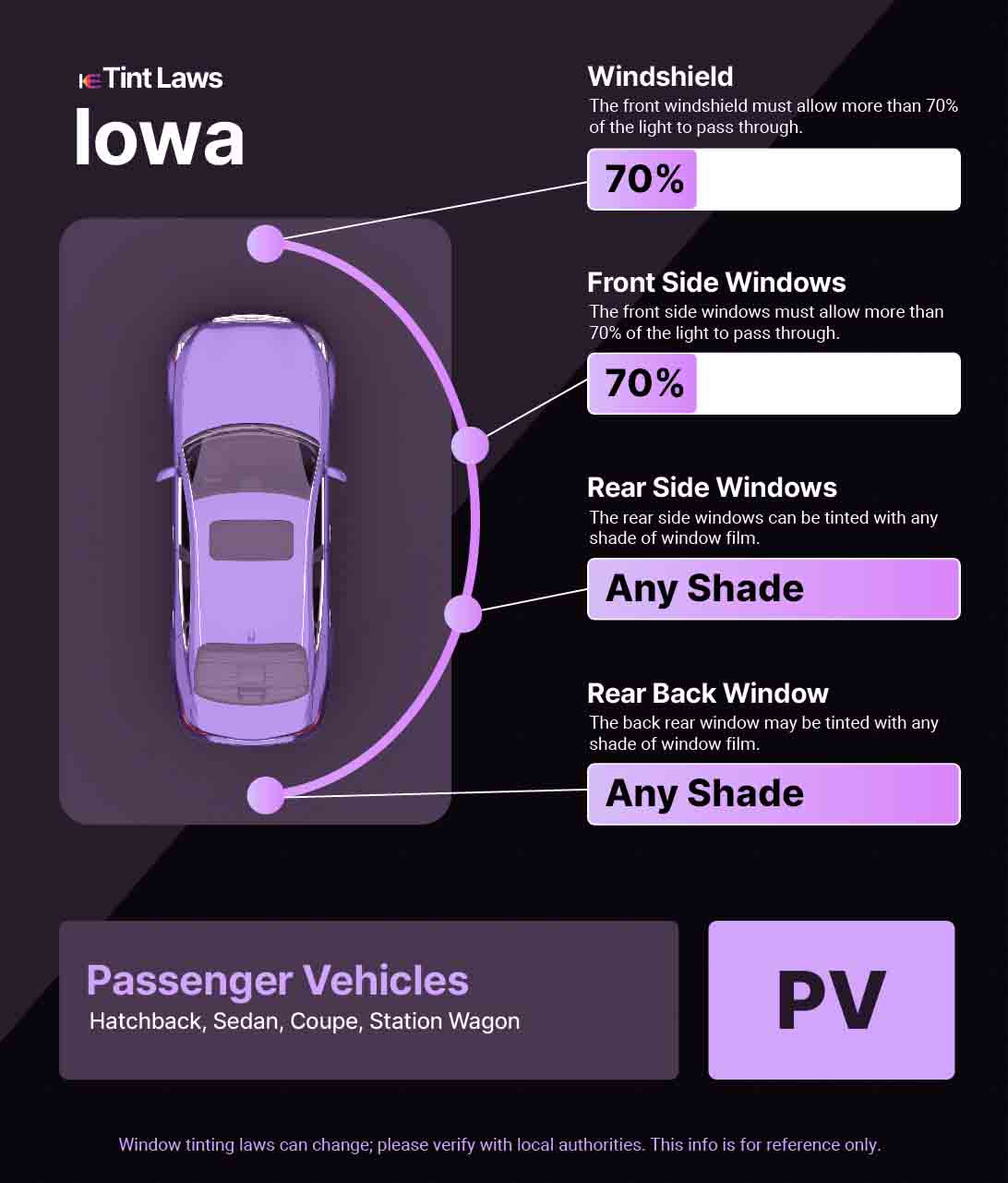
Credit: kepler-dealer.com
Enforcement And Penalties
Understanding how Oklahoma enforces its tint laws can help you avoid unexpected trouble on the road. Enforcement is active, with law officers ready to issue penalties if your vehicle’s window tint exceeds legal limits. Knowing what to expect during inspections and the consequences of violations puts you in control of your driving experience.
Fines And Citations
If your window tint does not comply with Oklahoma’s regulations, you could face fines and citations. These fines vary depending on the severity of the violation but typically start around $100. Repeat offenses or extreme tint darkness may lead to higher penalties or even court appearances.
Officers often issue citations during traffic stops or at checkpoints. You might wonder, is it worth risking a fine just to have darker windows? Remember, avoiding penalties also means keeping your vehicle safe and legal.
Vehicle Inspections
Oklahoma may require vehicle inspections where tint levels are checked with special tools. These inspections ensure that all drivers meet state standards for visibility and safety. If your tint is too dark, you could be asked to remove or modify it before regaining vehicle compliance.
Inspections can occur during routine registration renewals or if a law enforcement officer suspects illegal tinting. Have you checked your tint with a meter before hitting the road? It’s a simple step that can save you time and money.
Benefits Of Legal Tinting
Legal tinting offers more than just a sleek look for your vehicle. It brings practical benefits that improve your driving experience and protect your car’s interior. Understanding these benefits can help you appreciate why following Oklahoma’s tint laws matters.
Heat Reduction
Have you ever felt like your car turns into an oven under the Oklahoma sun? Legal tinting helps reduce the heat inside your vehicle significantly.
By blocking a portion of the sun’s infrared rays, tint keeps your car cooler. This means less reliance on your air conditioner, saving you fuel and making your drives more comfortable.
Uv Protection
Ultraviolet rays can damage your skin and your car’s interior. Legal tinting blocks up to 99% of harmful UV rays, protecting you and your passengers from skin problems.
Think about how your dashboard and seats can crack or fade over time. Tinting helps preserve them, which keeps your car looking newer and maintains its resale value.
Privacy And Security
Do you worry about prying eyes when you park your car? Legal tinting adds a layer of privacy, making it harder for strangers to see inside your vehicle.
Besides privacy, tinting can also help keep you safe. It makes glass less likely to shatter on impact, which can reduce injuries in accidents or break-ins.
Choosing The Right Tint
Choosing the right window tint for your vehicle in Oklahoma involves more than just picking a shade that looks cool. You need to consider legal limits, durability, and the quality of the installation. Making the right choice can save you from fines and enhance your driving comfort.
Certified Installers
Finding a certified installer is crucial. Certified professionals understand Oklahoma’s tint laws and ensure your tint complies with legal standards. They use proper tools and techniques, which means your tint will last longer and look better.
DIY tinting might seem tempting, but it often leads to bubbling, peeling, or uneven application. Have you ever seen a car with a poorly installed tint? It’s not just ugly—it can cost you more to fix later. Certified installers also offer warranties, so you get peace of mind.
Film Types
Not all tint films are created equal. There are several types you can choose from, each with different benefits and price points. Understanding these can help you match your needs with the right film.
- Dyed Film:Affordable and reduces glare, but may fade over time.
- Metalized Film:Adds strength and blocks heat effectively but can interfere with electronics.
- Carbon Film:Offers a matte finish and good heat rejection without electronic interference.
- Ceramic Film:High-end option with excellent heat rejection, clarity, and durability.
Think about how you use your vehicle daily. Do you spend a lot of time in the sun? Or is privacy your main concern? Your answers will guide you to the best film type for your lifestyle.
Updating Tint Laws
Oklahoma has updated its tint laws to improve road safety and clarify rules. These changes affect how dark and reflective window tints can be on vehicles. Drivers must understand new limits to avoid fines and ensure compliance.
The updates reflect concerns about visibility for drivers and law enforcement. They balance personal privacy with the need for clear sightlines. Knowing the latest rules helps drivers make smart choices about window tinting.
New Tint Darkness Limits
The updated law sets specific limits on how dark tint can be. For front side windows, tint must allow more light through than before. Rear windows have different rules depending on vehicle type. These limits aim to keep drivers safe by ensuring clear visibility.
Oklahoma also controls how shiny or reflective tint can be. Highly reflective tints are not allowed on any windows. The law restricts certain tint colors too, preventing shades that block too much light. These rules help prevent glare and distraction on the road.
Exemptions And Medical Exceptions
Certain drivers can apply for exemptions from tint rules. Medical conditions that require darker tint may qualify for special permits. These exceptions must be approved and properly documented. Understanding these helps eligible drivers stay within the law.
Police officers enforce the updated tint laws during traffic stops. Non-compliance can lead to fines or orders to remove illegal tint. Repeat offenses may bring higher penalties. Staying informed avoids trouble and keeps drivers safe.
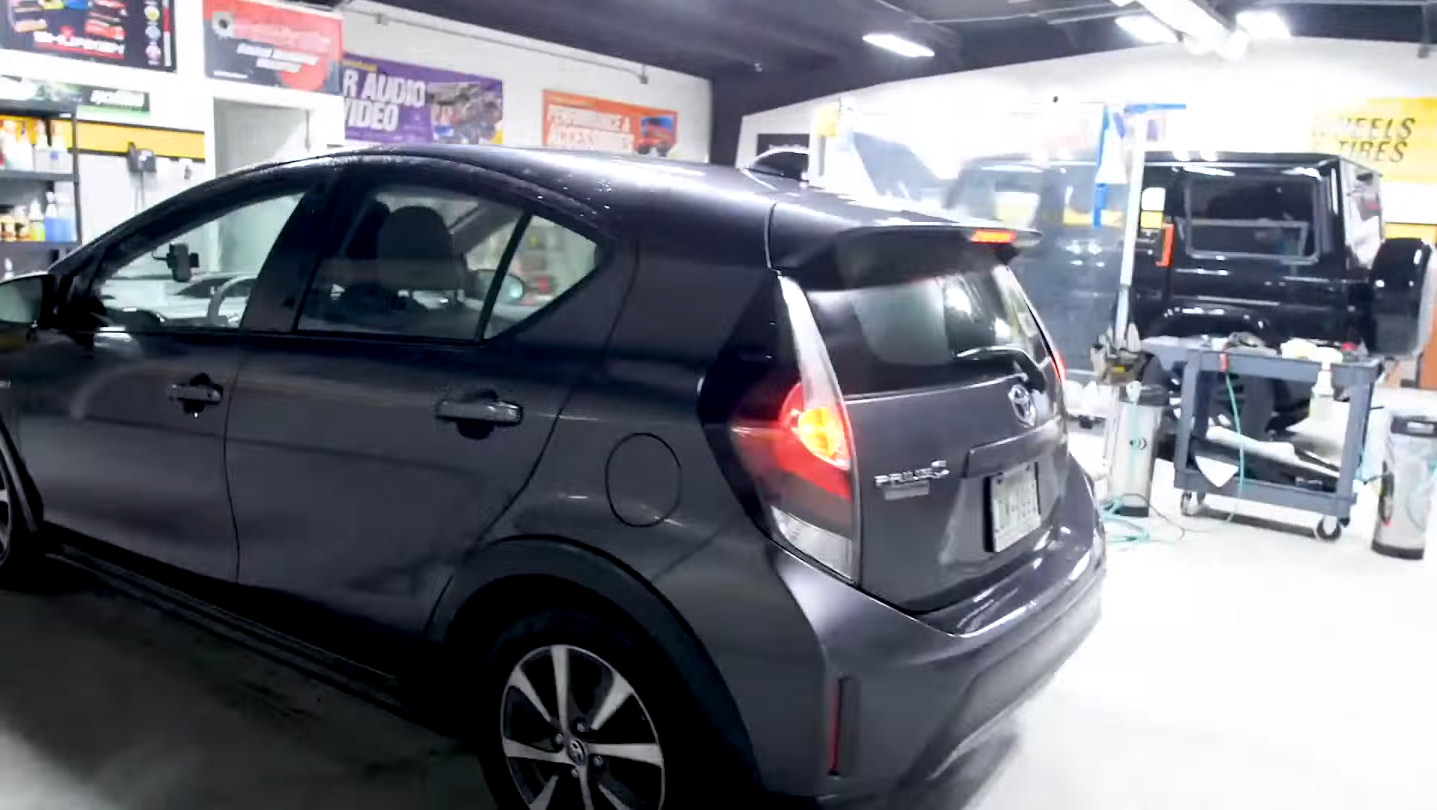
Credit: www.tintworld.com
Frequently Asked Questions
What Are The Legal Tint Limits In Oklahoma?
Oklahoma law allows 25% visible light transmission on front side windows. Rear windows have no specific limits. Windshield tinting is restricted to the top 5 inches only.
How Does Oklahoma Tint Law Affect Vehicle Safety?
Proper tinting reduces glare and UV exposure, enhancing driver visibility. Illegal tint can block police visibility, leading to fines and safety risks.
Are There Medical Exemptions For Window Tint In Oklahoma?
Yes, Oklahoma permits darker tints if a medical condition requires it. Drivers must provide a doctor’s written certification to law enforcement.
Can I Get Fined For Illegal Window Tint In Oklahoma?
Yes, police can issue fines for non-compliant tint levels. Fines vary, and you may be required to remove illegal tint.
Conclusion
Oklahoma tint laws keep drivers safe and protect visibility. Knowing the rules helps avoid fines and trouble. Choose window tints that follow Oklahoma’s limits. Clear vision means safer driving for everyone. Stay informed and check your tint before driving. Simple steps make a big difference on the road.
Remember, following tint laws shows you care about safety. Drive smart, stay legal, and protect yourself.