
Are you wondering whether your compost bin should sit in the sun or stay in the shade? This simple choice can make a big difference in how fast and well your compost breaks down.
If you want to turn your kitchen scraps and garden waste into rich, healthy soil quickly, knowing the best spot for your bin is key. Keep reading, and you’ll discover the secrets to getting the most from your compost bin—no guesswork, just easy tips that work.
Your garden will thank you!
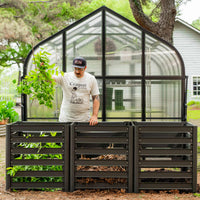
Credit: vego.com
Ideal Compost Bin Location
Choosing the right spot for your compost bin is important. The location affects how fast the compost breaks down.
Both sun and shade have benefits. Knowing these helps you pick the best place for your bin.
Benefits Of Sunlight Exposure
Placing your compost bin in sunlight can speed up the composting process. The warmth helps microbes break down waste faster.
- Sunlight warms the compost, speeding decomposition.
- It reduces moisture, preventing soggy compost.
- Warmer bins attract helpful insects that aid breakdown.
- It can reduce odors by keeping the pile dry.
Advantages Of Shade Placement
Shade keeps the compost cooler and moist. This is helpful in hot climates or dry seasons.
| Shade Advantage | Why It Helps |
| Maintains moisture | Prevents the compost from drying out too fast |
| Protects microbes | Stops heat from killing helpful bacteria |
| Prevents overheating | Keeps compost from getting too hot in summer |
| Slows evaporation | Keeps the compost pile balanced |

Credit: acleanhomecompany.com
Temperature And Composting
Composting depends a lot on temperature. The heat inside a compost bin helps break down materials faster.
Where you place your compost bin can change its temperature and speed of decomposition.
How Sun Affects Heat Levels
Sunlight warms the compost bin. This heat speeds up the breakdown of organic matter. A warm bin helps microbes stay active.
- Sunlight raises the internal temperature.
- Higher temperatures kill weed seeds and pathogens.
- Warm bins reduce composting time.
- Too much sun may dry out the compost.
Impact Of Shade On Decomposition Speed
Shade keeps the compost bin cooler. This slows down the microbes that break down waste. But shade helps keep moisture in the compost.
| Condition | Effect on Composting |
| Shade | Slower heat build-up, slower decomposition |
| Shade | Better moisture retention, less drying out |
| Sun | Faster heating, faster decomposition |
| Sun | More drying, needs frequent watering |
Moisture Management
Deciding where to place a compost bin is important. The location affects how well it maintains moisture. Proper moisture management is key for effective composting.
Both sunlight and shade have their own impacts. Understanding these effects helps in choosing the best spot for your compost bin.
Sunlight And Drying Effects
Sunlight can speed up the composting process. It warms up the bin and helps break down materials faster. But too much sun can dry out the compost.
Dry compost does not decompose well. It’s important to check moisture levels regularly if the bin is in the sun.
- Sunlight increases temperature inside the bin
- Dry compost slows down decomposition
- Regular watering may be needed
Shade And Retaining Moisture
Placing a compost bin in the shade helps keep it moist. Moisture is crucial for breaking down organic material. Shade prevents the compost from drying out too quickly.
With shade, you might water the compost less often. It can maintain the right moisture balance naturally.
- Shade keeps the compost cooler
- Moisture levels are easier to maintain
- Less frequent watering is needed
Choosing Based On Climate
Deciding where to place your compost bin depends on the climate where you live. The sun and shade affect how fast your compost breaks down. It also changes how much water the bin needs.
Understanding your local weather helps you keep the right balance of moisture and heat. This makes composting easier and more effective.
Warm And Dry Climates
In warm and dry areas, compost bins can dry out quickly. Too much sun can cause the compost to lose moisture fast. This slows down the composting process.
- Place the bin in partial shade to keep moisture longer.
- Water the compost regularly to prevent it from drying out.
- Use a cover to reduce water evaporation.
- Turn the compost often to keep air flowing.
Cool And Humid Climates
In cool and humid climates, compost bins can stay wet too long. Too much shade may cause the compost to stay cold and soggy. This can slow decomposition and cause bad smells.
| Placement | Effect | Advice |
| Full Sun | Warms compost and dries excess moisture | Good for faster composting |
| Partial Shade | Keeps compost moist but may stay cool | Use if too dry in sun |
| Full Shade | Keeps compost cold and wet | Avoid to prevent bad odors |
Tips For Optimizing Compost Bin Placement
Choosing the right spot for your compost bin helps speed up the breakdown of waste. The location affects moisture, temperature, and airflow.
Finding a good balance between sun and shade keeps the compost active and healthy. Small changes during the year also help.
Balancing Sun And Shade
Placing your compost bin in full sun warms it up faster, which speeds decomposition. But too much sun can dry it out.
Shade helps keep the bin moist and cool. A mix of sun and shade is best for steady composting.
- Place the bin where it gets morning sun and afternoon shade
- Avoid full sun all day to prevent drying
- Keep it away from dense shade to avoid cold, slow composting
Seasonal Adjustments
Change your compost bin’s spot slightly as seasons change. This keeps the temperature and moisture just right.
In cold months, move the bin to a sunnier spot to keep it warm. In hot months, shift it to shade to avoid drying out.
- Winter: Choose a sunny place to speed up composting
- Summer: Use shade to keep moisture and prevent overheating
- Spring and Fall: Find a balance of sun and shade

Credit: www.reddit.com
Common Mistakes To Avoid
Choosing the right spot for your compost bin is important. Many people make errors that slow down composting.
Understanding sun and shade effects helps keep your compost healthy and working well.
Overexposure To Sun
Placing a compost bin in full sun all day can dry it out fast. This stops the microbes from breaking down waste.
- Compost dries quickly, needing more water
- Heat can kill helpful bacteria
- High temperatures slow composting
- Material may not break down evenly
Try to pick a spot with some morning sun and afternoon shade. This keeps moisture balanced.
Excessive Shade Issues
Too much shade can make your compost cold and soggy. This also slows down the process.
| Problem | Effect on Compost |
| Too cold | Microbes become inactive |
| Too wet | Material rots instead of composts |
| Slow breakdown | Compost takes longer to finish |
Make sure your bin gets some sunlight daily and good airflow to avoid these issues.
Frequently Asked Questions
Should A Compost Bin Be Placed In The Sun Or Shade?
A compost bin can be placed in partial sun or shade. Sunlight helps heat the compost, speeding decomposition. However, too much sun can dry it out. Shade keeps moisture balanced and prevents overheating. A spot with morning sun and afternoon shade is ideal.
How Does Sunlight Affect Compost Decomposition?
Sunlight warms the compost, increasing microbial activity and speeding up breakdown. Warm compost decomposes faster, producing rich soil more quickly. But excessive sun can dry out the pile, slowing decomposition. Maintaining moisture by watering or shading is important for effective composting.
Why Is Moisture Control Important For Compost Bins?
Moisture is vital for microbes breaking down compost material. Too much sun can dry the compost, killing beneficial microbes. Shade helps retain moisture, promoting healthy decomposition. Keeping the pile damp but not soggy ensures efficient composting and prevents unpleasant odors.
Can A Compost Bin In Full Shade Still Work Well?
Yes, a compost bin in full shade can work but decomposition may slow. Cooler temperatures reduce microbial activity. To speed up composting, turn the pile regularly and add nitrogen-rich materials. Keeping the bin moist and aerated helps maintain good compost quality.
Conclusion
Choosing the right spot for your compost bin matters a lot. Sunlight helps speed up the composting process by keeping materials warm. Shade keeps the bin cooler and slows down decomposition but prevents it from drying out. A balanced place with partial sun and shade often works best.
Keep checking moisture and turning the compost regularly. This simple care helps create rich soil faster. Your plants will thank you. Composting becomes easier and more effective this way. Give your compost bin the spot it needs to thrive.