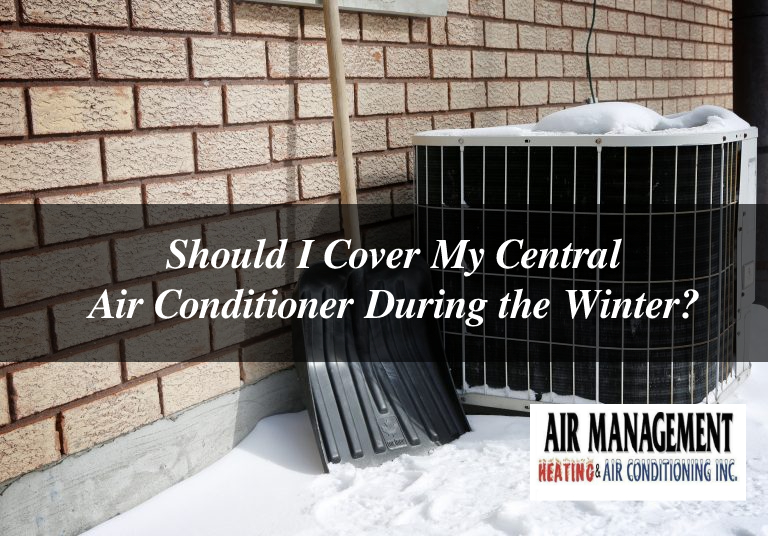
When winter arrives, you might wonder if you should cover your air conditioner to protect it from the cold. You want to keep your unit safe and ready for summer, but is covering it really the best choice?
Making the wrong decision could cause more harm than good. You’ll discover what experts say about protecting your air conditioner during winter. By the end, you’ll know exactly what to do to keep your unit in top shape year-round. Keep reading to make the smartest choice for your home and your wallet.
Winter Impact On Air Conditioners
Cold weather can cause several problems for air conditioners. The freezing temperaturesmay damage the unit’s components. Water left inside can freeze and crack pipes. This leads to costly repairs.
Dust and debris can build up on the outdoor unit. This can block airflow and reduce efficiency. Covering the unit can help keep out dirt, but it must be done carefully to avoid trapping moisture.
| Common Winter Damage | Description |
|---|---|
| Frozen Coils | Ice buildup can block heat exchange. |
| Cracked Pipes | Water freezes and expands inside pipes. |
| Rust and Corrosion | Moisture can cause metal parts to rust. |
| Debris Blockage | Leaves and dirt clog vents and fans. |

Credit: childresshvac.com
Pros Of Covering Your Ac
Covering your air conditioner in winter helps protect it from leaves, dirt, and other debris. These things can clog the unit and make it work poorly. A cover keeps the inside clean and safe.
Snow and ice can cause damage to the AC’s delicate parts. Covering the unit stops ice from forming on it. This helps avoid cracks and breaks during cold weather.
Cons Of Covering Your Ac
Covering an AC can trap moistureinside. This moisture buildup may cause damageover time. Water that stays inside can lead to ruston metal parts. Rust weakens the AC and shortens its life.
Moisture can also cause moldto grow. Mold spreads quickly and harms air quality. It can create unpleasant smellsand health problems.
- Trapped moisture causes rust
- Moldgrowth inside the unit
- Bad smells from dampness
- Damage that leads to costly repairs
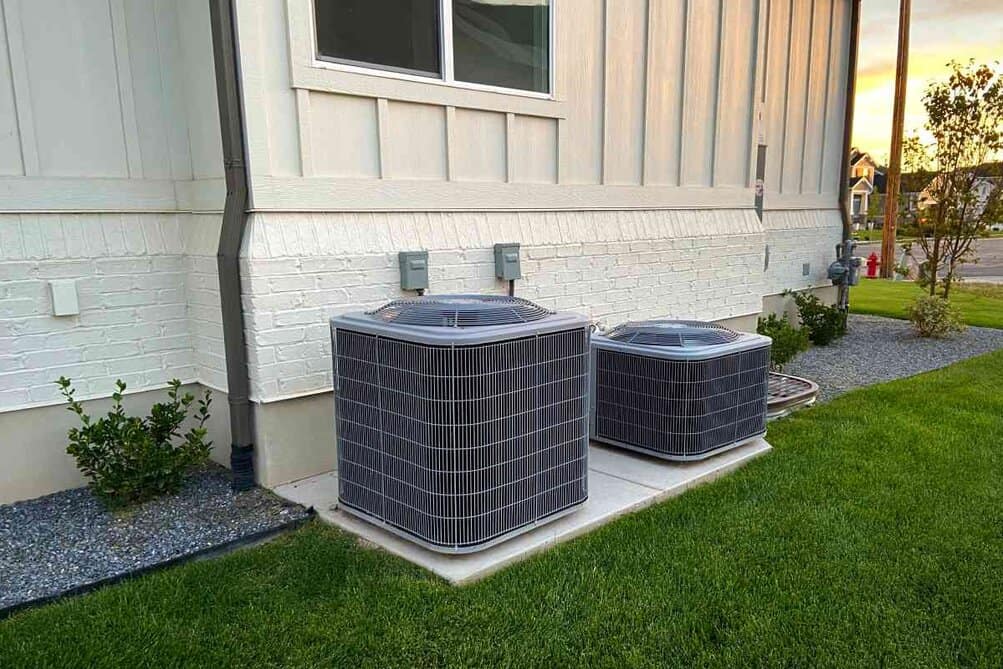
Credit: www.furnaceprices.ca
Types Of Covers To Use
Breathable coverslet air pass through. This stops moisture from building up. Moisture can cause rust and damage inside the air conditioner. These covers are usually made of fabric like polyester or mesh. They protect from dust, leaves, and light rain. But they do not block heavy rain or snow fully. They keep the unit dry while letting it breathe.
Non-breathable coversare made from plastic or vinyl. They block out rain, snow, and ice completely. This keeps the air conditioner dry on the outside. But they can trap moisture inside if water gets in. This moisture can cause mold and rust. Use these covers only in places with little moisture. Remove the cover during warm days to prevent damage.
Alternative Winter Maintenance Tips
Keeping your air conditioner clean is very important during winter. Dirt and debris can build up and cause problems. Clean the filters and coils regularly to keep the unit working well.
Make sure the drainage system is clear. Water should flow out easily to avoid damage. Check the drain pipes for blockages and remove any dirt.
Getting a professional to inspect your unit once in a while helps. They can find small problems before they get big. This keeps your air conditioner safe and ready for summer.

Credit: kayplumbing.com
When To Remove The Cover
Remove the cover only after the cold weather ends. Watch the forecast closely. The temperature should stay above 50°F (10°C)for several days. This helps avoid any frost or cold damage.
Look for signs that your air conditioner needs uncovering:
- Warmer days with no frost at night
- Sunshine that starts melting any ice or snow
- Sounds of the unit preparing to run again
Leaving the cover on too long may trap moisture. This can cause rust or mold. Removing the cover at the right time keeps the unit safe and ready for use.
Frequently Asked Questions
Should I Cover My Ac In Winter?
Covering your AC in winter is optional. It can protect the unit from debris and harsh weather. However, ensure the cover allows moisture to escape to prevent rust and mold. Always consult your manufacturer’s guidelines for specific recommendations regarding covering your air conditioner in winter.
What Are The Risks Of Not Covering An Ac?
Not covering an AC can expose it to debris, snow, and ice. These elements may cause minor damage or reduce efficiency. However, most units are built to withstand winter weather. Regular maintenance and cleaning can mitigate these risks without the need for a cover.
Do All Air Conditioners Need A Winter Cover?
Not all air conditioners need a winter cover. Modern units are designed to handle winter conditions. However, if you live in an area with extreme weather, a cover may offer added protection. Always check your manufacturer’s recommendations to decide if covering is necessary.
Can Covering An Ac Cause Damage?
Improper covering can trap moisture, causing rust and mold. It’s important to use a breathable cover. Ensure the cover is secure but allows air circulation. Regularly check the covered unit for moisture buildup to prevent potential damage from trapped moisture.
Conclusion
Covering your air conditioner in winter can protect it from dirt and weather. But make sure to use a breathable cover to avoid moisture build-up. A good cover helps keep your unit clean and ready for summer. Avoid heavy plastic covers that trap water inside.
Regular maintenance is still important, even with a cover. Taking these simple steps saves money and extends your air conditioner’s life. Keep your unit safe this winter with the right care. Easy and smart protection works best.