As winter approaches, you might wonder if covering your air conditioner unit is a smart move. You want to protect your investment and avoid costly repairs, but is wrapping it up really the best choice?
Making the wrong decision could lead to more problems than you expect. Keep reading to discover what experts say about winterizing your AC and how you can keep your unit safe and ready for next summer. This simple step might save you time, money, and frustration down the road.
Credit: www.fireandiceva.com
Reasons To Cover Ac Units
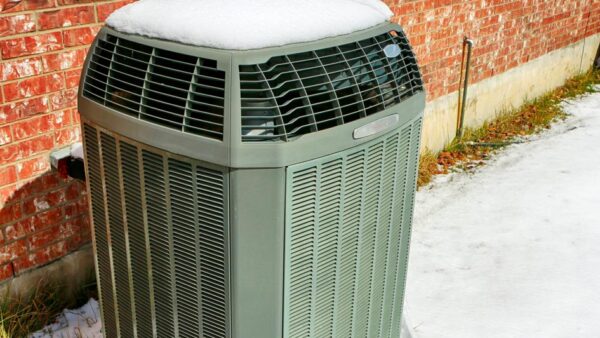
Covering your air conditioner unit in winter can protect it from damage. Cold weather and debris can harm the unit.
Using a cover helps keep the unit safe and ready for use when warm weather returns.
Protection From Debris
Leaves, dirt, and twigs can fall inside your AC unit during winter. This debris can block air flow and cause damage.
A cover stops debris from entering the unit. It keeps the inside clean and working well.
Preventing Moisture Damage
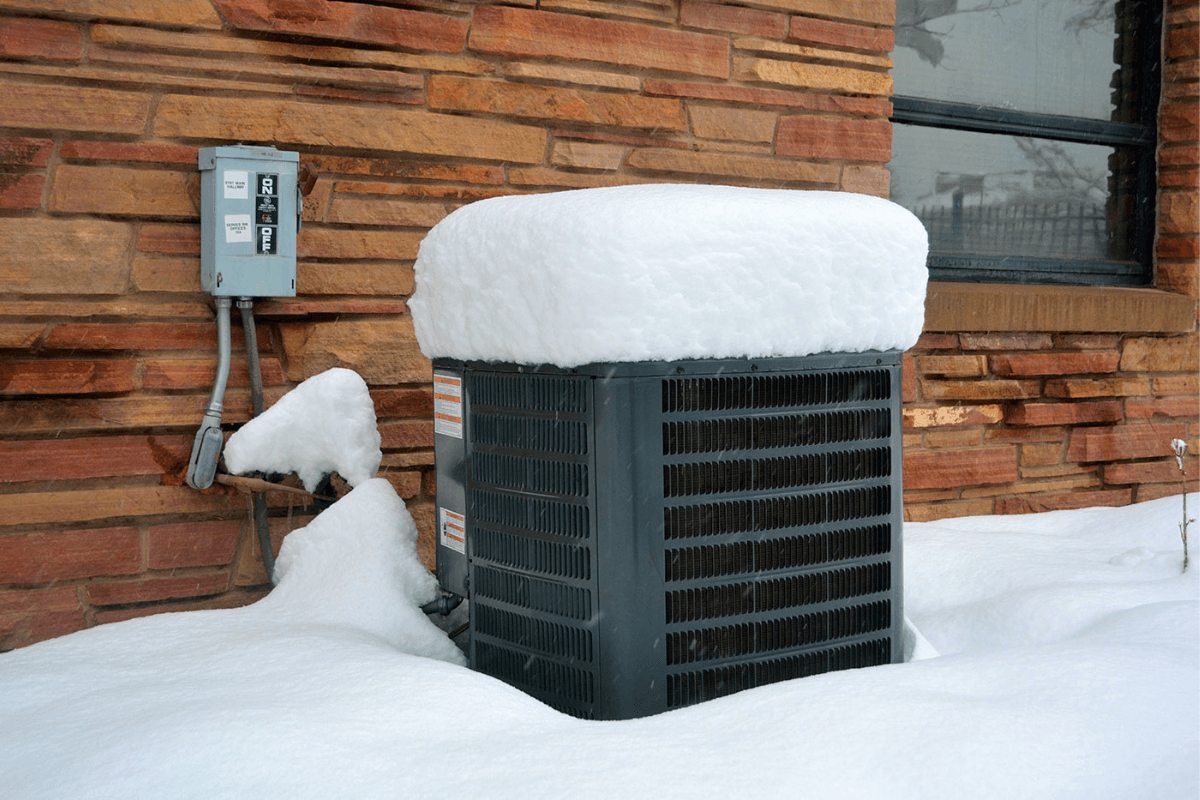
Snow and rain can cause moisture to build up inside the AC unit. Moisture can rust metal parts and damage wires.
Covering the unit keeps water out. This helps prevent rust and keeps the electrical parts safe.
Avoiding Ice Build-up
Ice can form inside and around the AC unit in cold weather. Ice build-up can damage the unit’s components.
A cover reduces ice build-up by blocking snow and freezing rain. This helps keep the unit in good shape.

Credit: kayplumbing.com
Risks Of Covering Ac Units
Many people cover their air conditioner units during winter. They think it protects the unit from cold weather. But covering AC units can cause problems. These problems might damage the unit and lower its lifespan.
This article explains the main risks of covering your air conditioner unit in winter. Understanding these risks helps you make the best choice for your AC unit.
Trapping Moisture Inside
Covering an AC unit traps moisture inside the cover. Snow, rain, and humidity can get trapped. This moisture does not dry out easily. It creates a damp environment around the unit parts.
- Moisture can freeze and thaw repeatedly.
- Water can seep into electrical components.
- Trapped water may cause damage to the unit’s wiring.
- The trapped moisture increases the chance of mold growth.
Promoting Rust And Mold
Moisture trapped by covers causes metal parts to rust. Rust weakens the unit’s structure and parts. Mold can grow on wet surfaces inside the cover. Mold harms the unit and can affect air quality when the unit runs again.
| Problem | Cause | Effect |
| Rust | Trapped moisture on metal parts | Weakened structure and damaged parts |
| Mold Growth | Wet surfaces inside cover | Poor air quality and unit damage |
Impact On Unit Efficiency
Covering the AC can block airflow. Good airflow is important even in winter. Poor airflow causes moisture buildup and freezes inside the unit. This can make the AC work harder or stop working well in spring.
- Blocked airflow leads to ice buildup.
- Ice damages internal parts.
- Unit uses more energy when damaged.
- Efficiency drops, raising repair costs.
When To Cover Your Ac Unit
Covering your air conditioner unit in winter depends on several factors. It helps protect the unit from cold weather damage.
Knowing when to cover the unit can save repair costs and keep it working well next summer.
Climate Considerations
In colder climates, covering your AC unit is often recommended to protect it from snow, ice, and freezing temperatures. In mild climates, covering may not be necessary.
- Cold climates: Cover to prevent ice damage.
- Mild climates: Covering is optional, based on weather.
- Wet climates: Use breathable covers to avoid moisture build-up.
Type Of Ac Unit
Different AC units need different care. Some units are more sensitive to winter conditions than others.
| AC Unit Type | Cover Needed? | Reason |
| Central air conditioner | Yes | Protects from debris and ice |
| Heat pump | No | Designed to handle cold weather |
| Window unit | Sometimes | Depends on storage and exposure |
Duration Of Inactivity
How long your AC unit will be inactive affects whether you should cover it. Short breaks may not need covering.
- If inactive less than 3 months, covering is optional.
- If inactive 3 to 6 months, use a cover to protect the unit.
- If inactive more than 6 months, cover and check for moisture regularly.
How To Cover Ac Units Properly
Covering your air conditioner unit in winter can protect it from snow and debris. It also helps prevent rust and damage.
It is important to cover the unit the right way. This keeps the AC safe without causing harm.
Choosing The Right Cover
Use a cover made specifically for AC units. It should be waterproof but breathable.
A plastic tarp can trap moisture and cause rust. Look for covers with vents or breathable fabric.
- Material should resist water but allow airflow
- Cover size must fit the unit properly
- Avoid heavy plastic that traps moisture
Securing The Cover
Make sure the cover stays in place during strong winds. Use straps or bungee cords to secure it.
Do not wrap the cover too tight. Leave some space so air can move inside the cover.
- Attach straps to corners of the cover
- Use adjustable cords for a snug fit
- Check the cover often for any loose parts
Ensuring Proper Ventilation
Ventilation stops moisture build-up inside the cover. Moisture can cause mold and rust.
Choose a cover with vents or leave small gaps at the bottom. This lets air flow through.
- Use vented covers for better airflow
- Do not seal the unit completely
- Check under the cover for moisture regularly
Alternative Winter Protection Methods
Covering your air conditioner in winter is not always the best choice. Some covers can trap moisture and cause damage. There are other ways to protect your unit during cold months.
These alternative methods help keep your air conditioner safe without causing harm. They focus on care and simple protection steps.
Regular Maintenance
Cleaning and checking your air conditioner before winter helps it last longer. Remove leaves, dirt, and debris around the unit. This prevents blockages and damage from moisture.
Inspect the unit for any cracks or loose parts. Fixing small issues early stops bigger problems later. Regular maintenance keeps your air conditioner ready for use in spring.
Using Protective Coatings
Applying a protective coating can guard metal parts from rust and corrosion. Use a spray designed for outdoor appliances. It forms a barrier against moisture and cold.
Make sure the coating is safe for your unit. Avoid covering vents or electrical parts. This method helps keep the air conditioner in good shape without trapping moisture.
Elevating The Unit
Raising your air conditioner off the ground prevents water damage. Snow and rain can collect around the base and cause rust. Use bricks or a sturdy platform to lift the unit.
Elevating the unit also improves airflow and keeps it dry. Check that the platform is stable and strong enough to hold the air conditioner safely.
Credit: deepchill.com.au
Expert Recommendations
Many people wonder if they should cover their air conditioner units during winter. Covering your AC can protect it from dirt and snow. Experts have different views on this topic.
It is important to follow proper care steps to keep your unit safe and ready for summer use. Let’s look at some expert advice.
Seasonal Inspection Tips
Check your air conditioner before winter starts. Look for any damage or debris around the unit. Clean the area to stop leaves and dirt from piling up.
Remove any plants or objects near the unit to allow good airflow. Inspect the fan and coils for rust or wear. Early checks prevent big problems later.
Professional Servicing Advice
Hire a professional to service your AC before winter. They can clean the inside parts and check the refrigerant levels. Servicing helps the unit last longer.
Technicians can also tell if covering the unit is needed. Some experts say using a breathable cover can protect from heavy snow and ice. Avoid plastic covers that trap moisture.
Signs Your Ac Needs Attention
Watch for unusual noises from your air conditioner. Squealing or grinding sounds mean the unit might be damaged. Check if the fan blades move freely.
Look for rust, leaks, or ice buildup on the unit. These signs show your AC needs repair. Contact a technician if you see any of these issues.
Frequently Asked Questions
Should I Cover My Air Conditioner In Winter?
Covering your air conditioner is optional. A breathable cover protects against debris and moisture. Avoid plastic covers that trap condensation, causing rust and damage.
What Type Of Cover Is Best For Ac Units?
Choose a breathable, waterproof cover designed for AC units. It prevents moisture buildup and debris while allowing air circulation, protecting your unit effectively during winter.
Can Covering Ac Units Cause Damage?
Yes, improper covers can trap moisture, causing rust and mold. Use breathable covers to avoid damage. Avoid sealing units completely to ensure proper ventilation.
Does Covering Ac Units Improve Their Lifespan?
Covering your AC unit with a proper breathable cover can reduce wear from weather exposure, potentially extending its lifespan by preventing rust and debris buildup.
Conclusion
Covering your air conditioner in winter can protect it from dirt and debris. It helps keep the unit clean and ready for spring. But make sure the cover fits well and allows air to flow. Too much moisture trapped inside can cause damage.
Check the manufacturer’s advice for best care tips. Simple steps now can save costly repairs later. Protect your air conditioner to keep it working long. Winter care matters for better cooling next year.