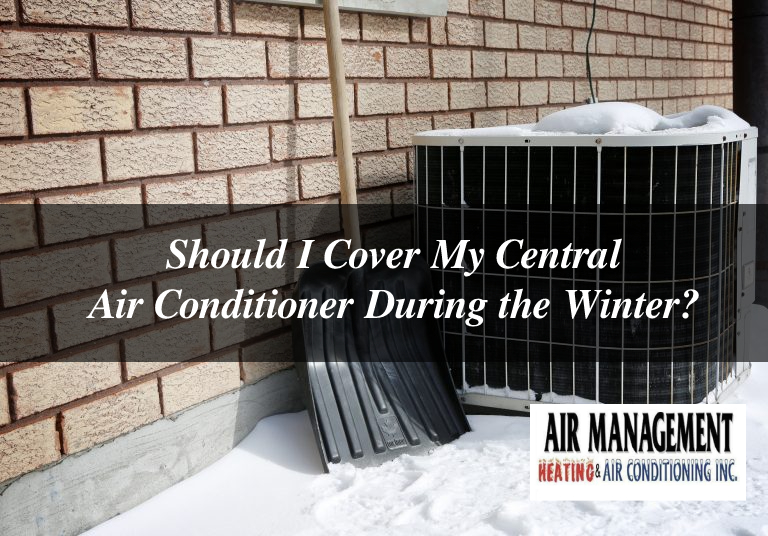
Is it really necessary to cover your air conditioner during the winter? You might think leaving it exposed is harmless, but what if that simple choice could protect your unit and save you money?
Many homeowners are unsure whether covering their AC helps or harms it when cold weather hits. You’ll discover the truth behind covering your air conditioner in winter and learn exactly what you should do to keep your system safe and working smoothly year after year.
Don’t risk costly damage—read on to find out what’s best for your AC.
Winter Effects On Air Conditioners
Air conditioners face many challenges during winter months. Cold weather can affect their parts and performance.
Some people wonder if they should cover their air conditioners in winter. Understanding winter effects helps make the right choice.
Common Winter Damage
Winter can cause damage to air conditioners if they are not protected. Parts like coils and fans can wear out or break.
Cold temperatures may cause metal parts to contract and crack. Dirt and debris can also build up and cause rust.
- Cracked coils and pipes
- Rust on metal surfaces
- Damaged fan blades
- Clogged drainage pipes
Impact Of Snow And Ice
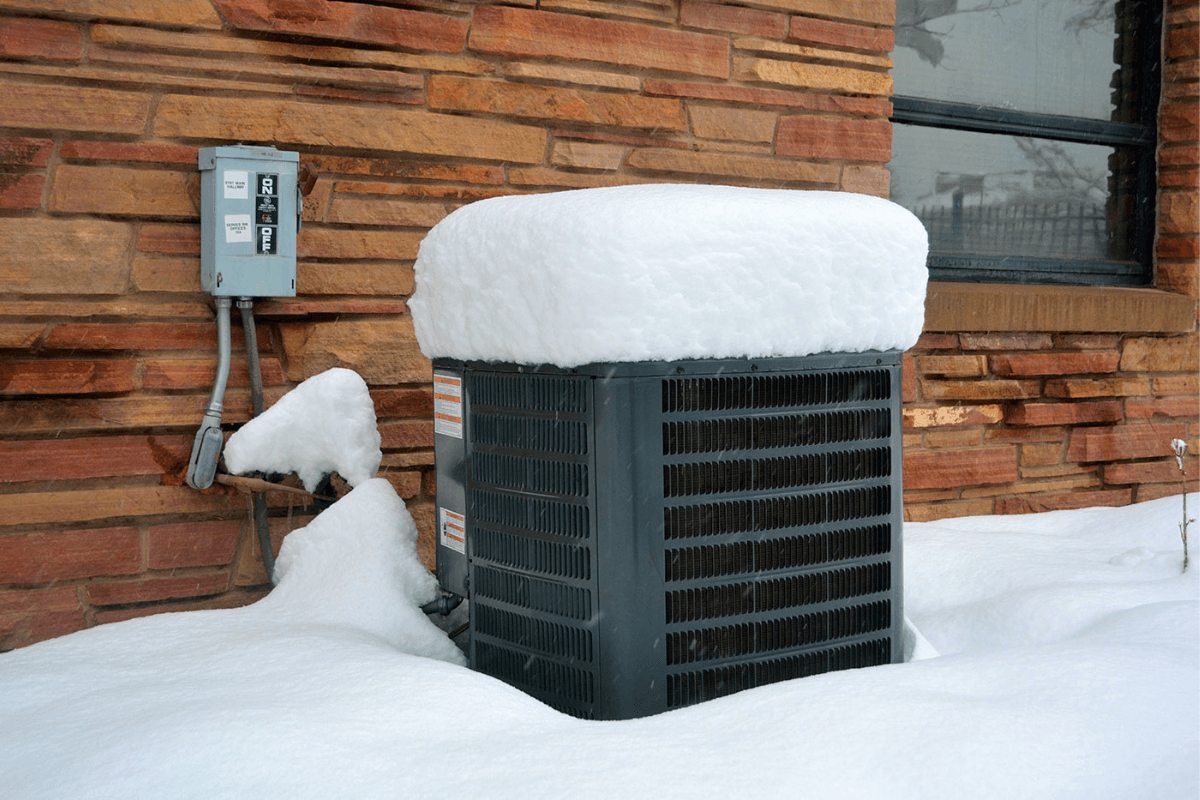
Snow and ice can cover the outdoor unit of the air conditioner. This adds weight and moisture that can harm the unit.
Ice buildup can block airflow and stop the fan from working properly. Snow can melt and cause water to enter electrical parts.
- Extra weight on the unit
- Blocked airflow from ice
- Water damage from melting snow
- Frozen parts that stop working
Cold Weather Challenges
Cold weather makes air conditioners work harder in spring and fall. Low temperatures can cause oil to thicken inside the unit.
Frozen parts and stiff oil reduce efficiency and can cause early wear. Proper care and maintenance are needed to avoid these problems.
- Thickened oil slows moving parts
- Frozen parts reduce performance
- Harder starts in cold weather
- Need for regular winter maintenance
Credit: deepchill.com.au
Pros Of Covering Air Conditioners
Covering air conditioners in winter helps protect them from damage. It keeps the unit safe from outside elements. This can extend the life of your air conditioner.
Many people wonder if covering their unit is worth the effort. Here are some benefits of using a cover during cold months.
Protection From Debris
Leaves, dirt, and sticks can get inside your air conditioner. These debris can cause blockages and damage the fan or coils. Covering the unit stops debris from entering.
- Prevents leaves from clogging the system
- Keeps dirt and dust away
- Stops small branches from falling inside
- Reduces risk of animal nests forming
Preventing Moisture Buildup
Moisture from rain or snow can build up inside the unit. This causes rust and damage to metal parts. Covering the air conditioner helps keep moisture out.
| Effect | Without Cover | With Cover |
|---|---|---|
| Rust on Metal Parts | High risk | Low risk |
| Water Damage | Possible | Mostly prevented |
| Ice Formation | Likely | Reduced chance |
Reducing Wear And Tear
Covering the unit reduces exposure to cold, wind, and debris. This lowers the stress on parts. The air conditioner will need fewer repairs and last longer.
- Protects electrical components
- Prevents damage from harsh weather
- Maintains cleaner internal parts
- Helps keep the unit running smoothly
Cons Of Covering Air Conditioners
Many people cover their air conditioners in winter to protect them. This seems helpful but can cause problems.
Covering units can trap moisture and reduce airflow. This can harm the air conditioner over time.
Risk Of Trapping Moisture
When an air conditioner is covered, moisture can build up inside. This happens because the cover blocks air from escaping.
Moisture can come from rain, snow, or humidity. Trapped moisture can cause metal parts to rust and wear out faster.
Potential For Mold Growth
Mold grows well in damp, dark places. A covered air conditioner creates a perfect environment for mold.
- Mold can damage the unit’s components.
- Mold spores can affect your home’s air quality.
- Cleaning mold is costly and time-consuming.
Airflow Restriction Issues
Air conditioners need good airflow to stay dry and work correctly. Covers block airflow and trap heat inside.
| Problem | Effect |
|---|---|
| Blocked airflow | Unit stays damp and rusts faster |
| Trapped heat | Parts wear out quicker |
| Reduced ventilation | Possible damage to electrical components |
Credit: www.furnaceprices.ca
Types Of Covers To Use
Choosing the right cover for your air conditioner in winter is important. Covers protect the unit from dirt and weather damage. Some covers block moisture well. Others let the air flow to prevent rust.
There are several types of covers available. Each has its own benefits and drawbacks. Knowing these helps you pick the best one for your AC unit.
Breathable Covers
Breathable covers are made from materials that allow air to pass through. They stop moisture from building up inside the cover. This lowers the risk of rust and mold growth on your AC.
These covers are usually made from mesh or fabric. They provide good protection against leaves and dust. They are not fully waterproof but reduce water buildup.
Waterproof Options
Waterproof covers block rain, snow, and ice completely. They keep your AC dry during wet weather. These covers are often made from plastic or vinyl.
- Protects against heavy rain and snow
- Prevents water from entering the unit
- Can trap moisture if not ventilated
- May cause rust if moisture builds up inside
It is important to check that the cover has vents. Vents help air circulate and stop moisture from staying trapped inside.
Diy Vs. Commercial Covers
| Cover Type | Pros | Cons |
| DIY Covers | Low cost, Custom fit | May lack durability, Poor ventilation |
| Commercial Covers | Designed for AC units, Better materials | Higher cost, May not fit all models |
DIY covers can work if made carefully. Use breathable fabric and add ventilation holes. Commercial covers are made to protect ACs well. They usually last longer and fit better.
Proper Covering Techniques
Covering your air conditioner during winter can protect it from snow and debris. Using the right methods helps avoid damage and keeps the unit ready for spring. Let’s look at how to cover it properly.
Good covering techniques include securing the cover well, avoiding harm during installation, and maintaining the unit while covered. Each step is important for the AC’s health.
How To Secure The Cover
To keep the cover in place, use strong fasteners and check that it fits snugly. Loose covers can blow away or let in moisture. A tight fit keeps the unit dry and clean.
- Choose a cover made for your AC size.
- Use straps, bungee cords, or clips to hold it tight.
- Check for gaps around the edges and seal them.
- Make sure the cover does not block airflow if the unit runs in winter.
Avoiding Damage During Installation
Put on the cover carefully to avoid scratches or bending parts. Handle the AC gently to keep its shape and function. Use soft materials that won’t damage the surface.
Here is a simple table showing what to avoid and best practices:
| Avoid | Best Practice |
|---|---|
| Sharp tools near the unit | Use soft cloth or foam padding |
| Forcing the cover on | Fit the cover gently and adjust slowly |
| Covering vents fully | Leave vents partially open for airflow |
Maintenance While Covered
Check the cover regularly to remove snow and ice buildup. Clean dirt or leaves that gather on top. This keeps the unit safe and prevents moisture damage.
- Inspect the cover once a month during winter.
- Brush off snow gently to avoid pressure on the cover.
- Fix any tears or holes in the cover right away.
- Remove the cover if the unit needs to run on warm winter days.
Alternative Winter Protection Methods
Protecting your air conditioner in winter helps keep it running well. Instead of covering it, try other safe methods. These ways can stop damage and save you time.
Below are some tips to keep your air conditioner safe during cold months. Each method has its own benefits and easy steps to follow.
Using A Protective Shelter
A shelter can block snow, ice, and rain from your unit. It helps air flow and stops heavy weather from causing harm. Use a cover made for outdoor units or build a small roof.
- Place the shelter to allow air to move freely
- Use materials that resist water and wind
- Make sure the shelter does not trap moisture
- Keep the area around the unit clear of debris
Regular Cleaning And Inspection
Cleaning your air conditioner before winter stops dirt and leaves from building up. Checking the unit can find small problems early. This saves repair costs later.
| Task | Why It Matters |
| Remove debris around unit | Prevents blockages and damage |
| Clean coils and fins | Improves efficiency and airflow |
| Check for rust or damage | Fix issues before winter worsens them |
| Inspect electrical parts | Ensures safe operation in cold weather |
Adjusting Thermostat Settings
Setting your thermostat right helps protect your AC unit from freezing. Keep the temperature high enough to avoid ice build-up. This keeps the system ready for use when warmer weather returns.
Try these thermostat tips:
- Keep the heat on at a low level during very cold days.
- Set the thermostat to at least 55 degrees Fahrenheit.
- Use a programmable thermostat for easy control.

Credit: childresshvac.com
Frequently Asked Questions
Should I Cover My Air Conditioner In Winter?
Covering your air conditioner in winter can protect it from debris and harsh weather. However, ensure covers allow ventilation to prevent moisture buildup and rust.
Does Covering Air Conditioners Prevent Winter Damage?
Yes, covers can prevent damage from snow, ice, and dirt. Proper covering extends the AC unit’s lifespan by reducing exposure to harsh elements.
Can Covering Air Conditioners Cause Mold Or Rust?
Improper covers without ventilation trap moisture, leading to mold and rust. Use breathable covers designed for AC units to avoid moisture buildup.
When Is The Best Time To Cover The Ac Unit?
Cover your AC unit after the last use in fall. Ensure the unit is dry before covering to prevent mold and corrosion.
Conclusion
Covering your air conditioner in winter can protect it from snow and debris. But it might trap moisture, causing rust and damage. A breathable cover lets air flow while keeping dirt out. Check your unit regularly for ice or leaves.
Proper care helps your AC last longer and work well next summer. Think about your climate and unit type before deciding. Simple steps can save money on repairs later. Keep your air conditioner safe, not trapped.