When winter arrives, you might wonder if covering your air conditioner is a smart move. Should you wrap it up to protect it from cold weather, or is it better to leave it as it is?
Making the wrong choice could cost you money or damage your unit. You’ll discover the truth about winterizing your air conditioner and learn simple tips to keep it safe and working well. Keep reading to find out what really works for your AC during the chilly months.
Winter Effects On Air Conditioners
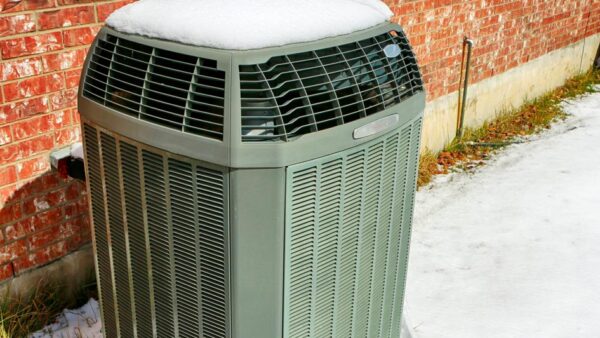
Cold weather can cause several issues for air conditioners. Freezing temperatures may lead to frozen coilsand damaged parts. Ice buildup can block airflow and reduce efficiency.
Strong winds and snow can also harm the unit’s exterior. Dirt and debris might get trapped inside, causing clogged filtersand mechanical problems. Covering the unit helps prevent this damage.
| Potential Damage Risks | Effect |
|---|---|
| Frozen coils | Blocks airflow and reduces cooling power |
| Ice buildup | Can damage the compressor and pipes |
| Snow and debris | Clogs filters and harms the unit |
| Strong winds | May loosen or break parts |
Pros Of Covering Air Conditioners
Covering air conditionersin winter helps keep leaves, dirt, and debrisout. This prevents blockages that can damage the unit.
It also stops animals and insectsfrom nesting inside the machine. This keeps the air conditioner clean and ready for use in warmer months.
Using a cover can reduce moisture buildupinside the unit. Excess moisture can cause rust and corrosion, which shortens the life of the air conditioner.
A proper cover allows airflowwhile protecting the unit. This helps prevent mold growthand keeps the parts dry.
Cons Of Covering Air Conditioners
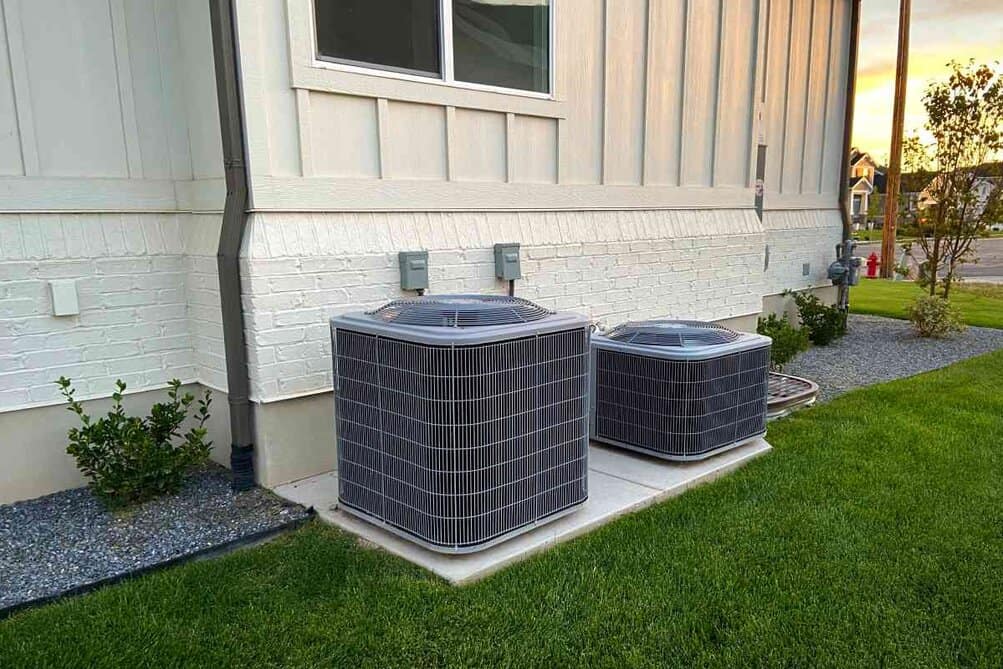
Covering air conditionersin winter may cause serious moisture problems. Moisture can get trapped inside, leading to rust and damageto metal parts. This trapped water may also cause mold and mildew growth, which can harm your unit and air quality.
Restricting airflowaround the unit can cause overheatingor other issues. Air conditioners need some air movement to stay dry and safe. Covering them tightly blocks this airflow, which can lead to damage over time.
Credit: www.furnaceprices.ca
Types Of Covers To Use
Breathable coversallow air to flow through the unit. This stops moisture buildup and rust. They protect the air conditioner from dust and dirt. These covers are made from materials like mesh or fabric. They fit snugly over the unit but do not trap water. Good for areas with mild winter weather. Easy to remove and clean.
Waterproof coversblock rain, snow, and ice from the unit. These covers are made from plastic or vinyl. They protect the air conditioner from water damage. However, they do not let air pass through. This can cause moisture to collect inside. May lead to rust or mold over time. Best for short periods or heavy snow areas. Make sure to remove them when the weather is dry.
Proper Covering Techniques
Start by removing any dirt and debris from the air conditioner. Use a soft brush or cloth to clean the surface gently. Make sure the unit is dry before covering it. Moisture left on the unit can cause rust or mold.
Choose a cover made of breathable material. Plastic covers trap moisture and can damage the unit. A fabric cover lets air flow, keeping the air conditioner safe.
- Secure the cover tightly around the unit
- Use straps or bungee cords to hold it in place
- Avoid leaving gaps where water or pests can enter
- Check the cover regularly for any damage or looseness
Alternatives To Covering
Regular maintenancehelps keep air conditioners safe during winter. Cleaning debris and leaves around the unit stops blockages. Checking for rust or damage early saves money later. Covering the unit may trap moisture, causing mold or rust. Instead, keep it dry and clean.
Positioning and shieldingprotect the AC from harsh weather. Placing it under an overhang or roof keeps snow and rain away. Use a simple screen or fence to block wind but allow airflow. This reduces wear and tear without trapping moisture.
When To Remove The Cover
Remove the coveronce the weather warms up. Signs of early use include rising temperaturesor heat waves. The air conditioner may need to run sooner than expected. Check for unusual soundsor if the room feels too hot. These signs mean it’s time to uncover your unit.
Covering the unit too long can cause moisture build-up. This leads to rustand damage. Remove the cover carefully to avoid tearing or leaving debris inside.
- Check weather forecasts often.
- Inspect the unit for dirt or moisture.
- Make sure the cover is dry before putting it back on.
- Store the cover properly when not in use.

Credit: kayplumbing.com
Credit: www.fireandiceva.com
Frequently Asked Questions
Should I Cover My Air Conditioner In Winter?
Covering your air conditioner is optional. A breathable cover protects it from debris and snow. Avoid plastic covers that trap moisture and cause rust.
Does Covering An Ac Unit Prevent Winter Damage?
Yes, a proper cover can prevent leaves, dirt, and ice buildup. This protection reduces the risk of damage during freezing temperatures and harsh weather.
Can Covering The Ac Cause Mold Or Rust?
Improper covers that trap moisture can cause mold and rust. Use a breathable cover to allow airflow, preventing moisture buildup and protecting your unit.
When Is The Best Time To Cover The Ac?
Cover your AC after the last use in fall, before snow or ice arrives. Remove the cover before spring to ensure proper airflow and maintenance.
Conclusion
Covering your air conditioner in winter can protect it from snow and debris. But too much coverage may trap moisture and cause damage. Choose a breathable cover that lets air flow. Keep it light and easy to remove. Check your unit regularly to avoid problems.
A little care helps your air conditioner last longer. Simple steps can save money on repairs. Think about your climate and needs before covering. Your AC will thank you in spring.