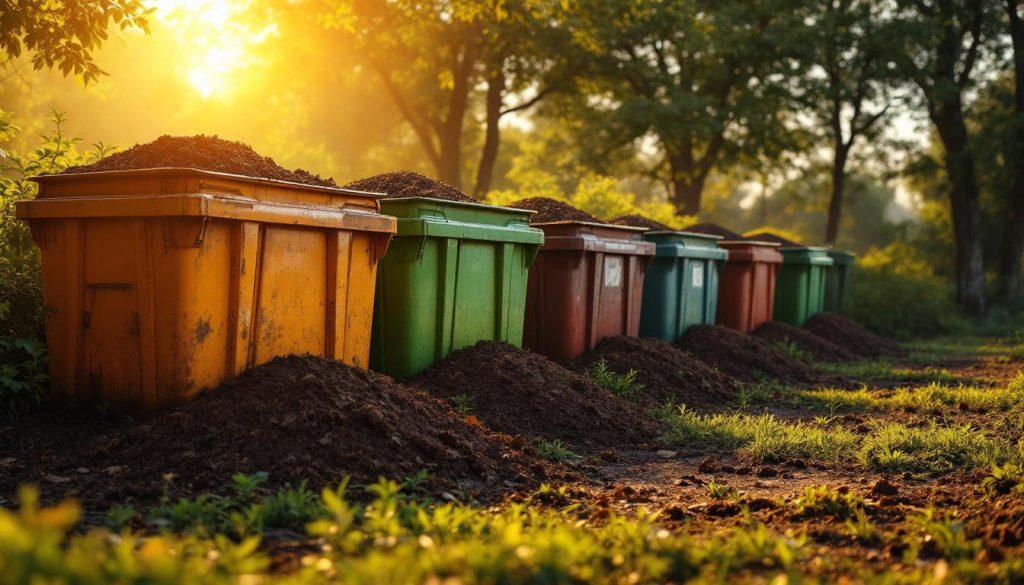
Are you wondering whether your compost bin should sit in the sun or stay in the shade? This simple choice can make a big difference in how quickly and effectively your compost breaks down.
If you want to turn kitchen scraps and yard waste into rich, healthy soil faster, knowing where to place your bin is key. You’ll discover the pros and cons of both sun and shade spots, helping you make the best decision for your garden.
Keep reading to unlock the secret to composting success!
Ideal Location For Compost Bins
Choosing the right spot for your compost bin helps it work best. The location affects how fast materials break down and the smell.
Sun or shade both have good points. Your choice depends on your garden and climate.
Benefits Of Sunlight Exposure
Placing a compost bin in the sun warms it up. Heat speeds up the breakdown of food and yard waste.
Sunlight helps keep the compost dry enough. It stops the pile from getting too wet and smelly.
- Faster composting in warm weather
- Reduces excess moisture
- Helps kill harmful bacteria
- Supports beneficial microbes
Advantages Of Shade Placement
Putting a compost bin in shade keeps it cooler during hot days. This avoids drying out and protects microbes.
Shade helps keep the pile moist longer. Moisture is important for good composting and stops bad odors.
- Prevents overheating in summer
- Keeps moisture balanced
- Protects from heavy rain
- Good for sensitive compost materials

Credit: savvygardening.com
Impact Of Sunlight On Composting
Deciding whether to place a compost bin in the sun or shade can affect how well composting works. Sunlight has a big role in how fast and effectively materials break down.
Understanding the effect of sunlight on composting helps in choosing the best spot for your compost bin.
Temperature Regulation
Temperature is crucial in composting. Sunlight can increase the heat in a compost bin, speeding up the decomposition process.
- A warm compost pile breaks down materials faster.
- Too much heat can dry out the pile.
- Shade can keep the temperature more stable.
Moisture Levels
Sunlight affects the moisture content in a compost bin. A balance of moisture is necessary for effective composting.
| Sunlight Exposure | Moisture Impact |
| Full Sun | Can dry out compost quickly |
| Partial Shade | Helps retain moisture |
| Full Shade | May keep compost too wet |
Microbial Activity
Microbes play a key role in breaking down compost materials. Their activity is influenced by the temperature and moisture levels in the bin.
Effects Of Shade On Compost Process
Placing a compost bin in the shade affects how the compost breaks down. Shade changes the temperature and moisture inside the bin. These changes can slow or help the compost process.
Understanding the effects of shade helps you decide where to keep your compost bin. This guide looks at moisture, decomposition speed, and heat control in shaded areas.
Maintaining Moisture
Shade helps keep the compost moist by reducing water evaporation. Compost needs moisture to break down materials well. Too dry compost slows decomposition.
- Shade lowers the sun’s heat on the bin.
- Moisture stays longer in shaded compost.
- You will water the compost less often.
Slower Decomposition
Shade cools the compost bin, which slows the breakdown of materials. Microbes work best at warm temperatures. Cooler compost means microbes work slower.
| Temperature | Effect on Decomposition |
| High (in sun) | Faster breakdown |
| Moderate (shade) | Slower breakdown |
| Low (cold shade) | Very slow or halted |
Preventing Overheating
Shade stops the compost bin from getting too hot. Overheating can kill helpful microbes. It also dries out the compost quickly.
Benefits of preventing overheating:
- Keeps microbes alive and active
- Maintains balanced moisture levels
- Prevents bad odors from too much heat
Climate Considerations
Choosing the right spot for your compost bin depends on your local climate. The sun or shade placement affects compost speed and moisture.
Understanding climate helps keep your compost healthy and breaks down waste properly.
Hot And Dry Climates
In hot and dry areas, compost bins should be placed in partial shade. Too much sun can dry out the compost fast.
Shade helps keep moisture inside the bin. This stops the compost from becoming too dry and slows down decomposition.
- Place bin under a tree or near a shaded wall
- Water the compost regularly to keep it moist
- Turn compost often to add air and speed up decay
Cool And Moist Climates
In cool and wet places, put the compost bin in a sunny spot. Sun warms the bin and helps break down materials faster.
Sunlight also helps reduce excess moisture. Too much wetness can cause bad smells and slow decomposition.
- Choose a spot with morning or afternoon sun
- Cover compost if rain is heavy to avoid waterlogging
- Turn compost to add air and prevent smell
Placement Tips For Optimal Composting
Choosing the right spot for your compost bin helps speed up the breakdown of materials. Sun and shade affect moisture and temperature inside the bin.
This guide covers how to balance sunlight and shade, keep the bin accessible, and protect it from weather.
Balancing Sun And Shade
Your compost bin needs some warmth but not too much heat. Sunlight helps keep the pile warm. Shade stops it from drying out too fast.
- Place the bin where it gets morning sun and afternoon shade.
- In hot climates, more shade helps keep moisture in.
- In cooler areas, more sun speeds up composting.
- A partly shaded spot works well year-round.
Accessibility And Convenience
Easy access to your compost bin encourages regular use. It should be close to your kitchen or garden.
| Factor | Tip |
| Distance | Keep within 10-20 feet of your kitchen door. |
| Path | Use a clear, flat path to reach the bin. |
| Tools | Store compost tools nearby for convenience. |
| Size | Choose a size that fits your space and needs. |
Protection From Elements
Protect your compost bin from heavy rain, strong winds, and extreme cold. This keeps the pile balanced and active.
Tips to protect your compost bin:
- Place it near a fence or wall to block wind.
- Use a lid or cover to keep rain out.
- In winter, add extra insulation like straw around the bin.
- Ensure good drainage to avoid waterlogging.

Credit: www.reddit.com
Common Mistakes To Avoid
Choosing the right spot for your compost bin is key. Mistakes in location can slow down composting or cause bad smells.
Some people put compost bins in the wrong place. This guide points out common errors to help you avoid them.
Overexposure To Sun
Placing a compost bin in full sun all day can dry it out fast. Compost needs moisture to break down well.
- Dry compost slows the decay process.
- Too much heat can kill helpful microbes.
- Bins may need frequent watering in hot sun.
- Overheating can cause bad odors.
Excessive Shade
Too much shade makes compost cold and wet. This slows down decomposition and can cause bad smells.
| Problem | Effect |
| Cold Compost | Slower breakdown |
| Too Wet | Bad odor and pests |
| Low Microbe Activity | Less nutrient-rich soil |
Ignoring Drainage
Water must drain well from the compost bin. Poor drainage leads to soggy compost and smells.
Check your compost bin for these drainage tips:
- Make holes at the bottom for water to escape.
- Place bin on soil or gravel, not concrete.
- Turn compost often to aerate and dry it.
Monitoring And Adjusting Compost Conditions
Keeping an eye on your compost helps it break down faster and better. You need to check its temperature, moisture, and air levels.
Adjusting these conditions is key to making healthy compost. Let’s look at how to do it step by step.
Checking Temperature
Temperature shows how active the microbes are inside the compost. Use a compost thermometer to check it. Ideal heat ranges from 135°F to 160°F. Too cold means slow composting, too hot can kill good bacteria.
Managing Moisture
Moisture keeps microbes alive but too much water can cause bad smells. The compost should feel like a damp sponge. If it is dry, add water. If it is too wet, add dry materials.
- Check moisture by squeezing a handful of compost
- Add water if it feels dry and dusty
- Add dry leaves or straw if it feels soggy
- Keep moisture level steady for best results
Turning And Aeration
Turning the compost adds oxygen, which helps microbes work faster. Without air, compost can smell bad and slow down.
| Turning Frequency | Effect |
| Once a week | Good aeration, faster compost |
| Every two weeks | Slower compost, less air |
| Rarely | Bad smell, slow breakdown |
Credit: ezypeazy.co.nz
Frequently Asked Questions
Should A Compost Bin Be Placed In Sun Or Shade?
A compost bin works best in partial sun to maintain warmth and moisture. Sunlight speeds decomposition, but too much sun can dry out materials. Shade prevents overheating and moisture loss. A balanced spot ensures effective composting year-round.
How Does Sunlight Affect Compost Bin Temperature?
Sunlight increases the compost bin’s temperature, accelerating decomposition. Warm conditions help microbes break down organic material faster. However, excessive heat can dry out the compost, slowing progress. Moderate sunlight exposure is ideal for maintaining optimal compost temperature.
Can Shade Slow Down Composting Process?
Yes, shade can slow composting by keeping temperatures cooler. Microbial activity decreases in cooler conditions, delaying material breakdown. However, shade helps retain moisture and prevents overheating. Finding a balance between sun and shade improves composting efficiency.
Is Moisture Retention Better In Sun Or Shade?
Moisture retention is generally better in shade. Direct sun can dry out compost quickly, requiring frequent watering. Shade helps keep compost moist, which is essential for microbial activity. Proper moisture levels speed up the composting process.
Conclusion
Choosing the right spot for your compost bin matters a lot. Sunlight helps speed up the composting process by keeping materials warm. Shade can keep the bin from drying out too fast, which also helps. A place with partial sun and some shade is often best.
Keep the bin moist but not too wet. Watch your compost and adjust its spot if needed. Good compost comes from good care and the right location. Your garden will thank you for it.