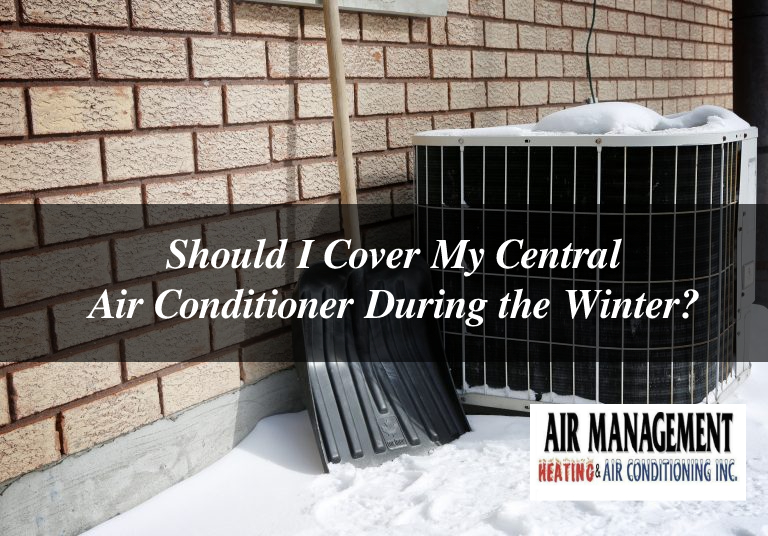
When winter arrives, you might wonder if you should cover your air conditioner. It’s a simple question, but the answer isn’t always clear.
You want to protect your unit, save money, and avoid damage—but how do you do that the right way? This guide will help you understand whether covering your air conditioner in winter is a smart move or a hidden risk.
Keep reading to find out what works best for your home and how to keep your AC in top shape all year long.
Credit: www.amazon.ca
Why Covering Matters
Covering an air conditionerduring winter helps keep it safe from dirt and leaves. Debris can block air flow and cause damage. A cover stops leaves, dust, and small branches from piling up inside the unit.
Moisture from rain or snow can cause rust and damageto metal parts. A good cover keeps water out and prevents ice from forming inside. This helps the air conditioner last longer and work better in summer.
Winter weather can be very harsh. Cold winds, snow, and ice can harm the unit. A cover acts as a shield, protecting it from the elements. It also stops animals from nesting inside the air conditioner.
Choosing The Right Cover
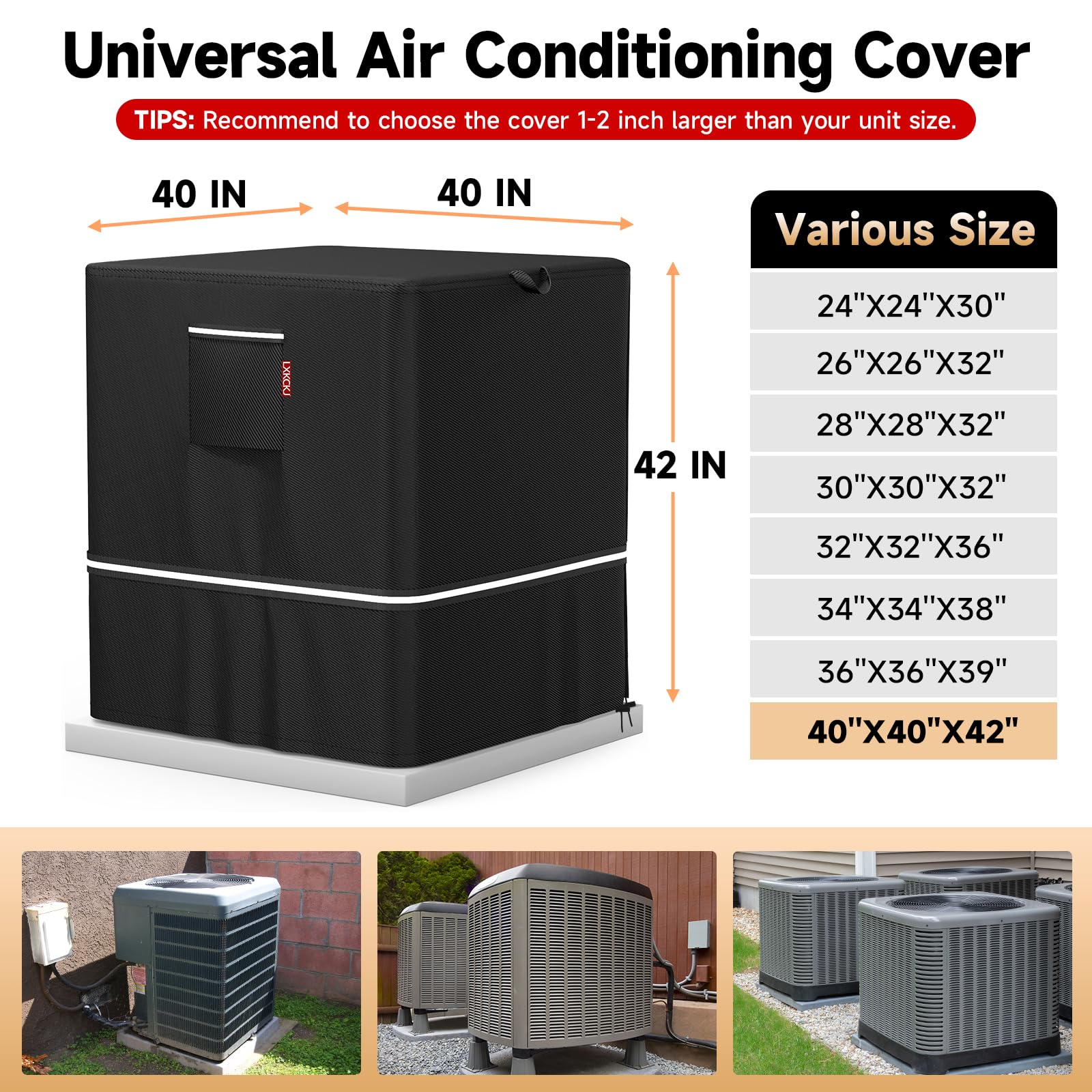
Choosing the right cover for your air conditioner helps protect it during winter. Covers come in different materials, such as plastic, vinyl, or fabric. Plastic covers are cheap but can trap moisture, which may cause rust. Vinyl covers are stronger and resist water but may not breathe well. Fabric covers allow air to pass through, reducing moisture build-up and mold risk.
Size and fit matter a lot. A cover that is too small won’t protect the unit fully. A cover that is too large can flap in the wind and let dirt in. It should fit snugly and cover all parts of the air conditioner.
Breathabilityis key to prevent moisture inside the cover. Look for covers with vents or breathable fabric. This helps keep your air conditioner dry and safe from damage.
How To Properly Cover Your Ac
Before covering your air conditioner, clean it well. Remove dirt, leaves, and debrisfrom the unit. Use a soft brush or cloth to wipe the surface gently. Clearing the area around the AC is also important to avoid mold and damage.
Choose a cover made for air conditioners. Make sure it fits snugly but allows air to flow. Secure the cover with straps or cordsto keep it from flying away in strong winds.
Avoid common mistakes like using plastic sheets that trap moisture inside. Do not cover the unit too tightly or block air vents. Leave some space for air to circulate. Check the cover regularly to prevent mold and rust buildup.
Credit: www.furnaceprices.ca
When Not To Cover
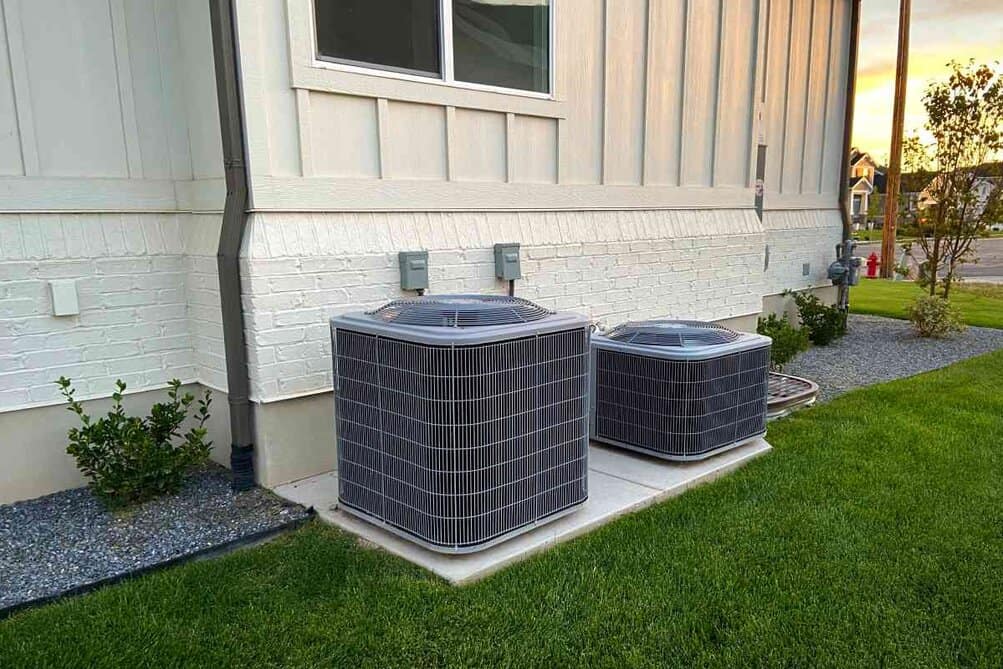
Some air conditioner models are built to stay outside all year. These year-round modelshave covers or coatings that protect them from cold and moisture. Covering these units can trap humidity, causing rustor mold inside. This can lead to damageor short circuitsin electrical parts.
Overcovering your air conditioner can be risky too. A tight cover can block airflow and trap moisture. This creates a warm, damp spacethat harms the unit. Covers that do not breathe can cause corrosionand mechanical failure. It is best to use covers made for your model or none at all if designed for winter use.
Additional Winter Ac Care Tips
Regular inspections help spot issues early. Check for any damage or dirt on the unit. Clean the fan blades and remove debris around the AC. This keeps the system working well and extends its life.
Snow and ice can block air flow. Clear them gently from the unit’s surface. Avoid using sharp tools that could cause damage. Keeping the AC free from snow helps it stay safe and ready for warmer days.
Schedule professional maintenance before winter starts. A technician can clean parts deeply and check for hidden problems. This service improves efficiency and prevents costly repairs later.

Credit: kayplumbing.com
Frequently Asked Questions
Why Cover Your Air Conditioner In Winter?
Covering your air conditioner in winter can protect it from harsh weather elements. It prevents damage from snow, ice, and debris. This helps in maintaining the efficiency and longevity of the unit, reducing potential repair costs.
Does Covering Ac Improve Energy Efficiency?
Covering your AC in winter doesn’t directly improve energy efficiency. However, it protects against environmental damage. This can help maintain optimal performance when in use, contributing to overall energy savings.
Can Covering Ac Prevent Rust?
Yes, covering your air conditioner in winter can help prevent rust. It shields the unit from moisture, snow, and ice. This reduces the risk of rust formation on metal components, prolonging the unit’s lifespan.
Is It Necessary To Cover All Ac Types?
Not all air conditioners need covering in winter. Central AC units benefit from protection against debris and ice. Some manufacturers may advise against covering certain models, so it’s best to consult your AC’s manual.
Conclusion
Covering your air conditioner in winter can protect it from dirt and weather. But too much moisture can cause damage. Choose a breathable cover to keep air flowing. Remove the cover on warm days to prevent mold. Regular checks help spot problems early.
Proper care extends your AC’s life. Think about your local climate before deciding. Small steps now can save money later. Protect your AC wisely this winter.