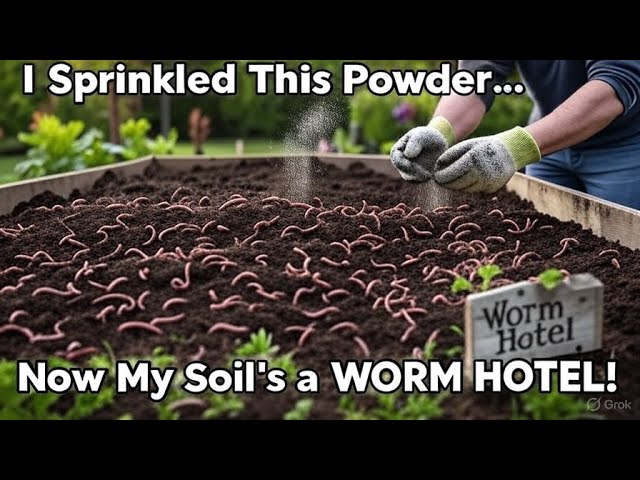
Are you wondering if adding worms to your raised garden bed is worth it? You might have heard that worms can work wonders for your soil, but is it really necessary?
Imagine your plants growing stronger, healthier, and producing more—what if a simple addition to your garden could make that happen? You’ll discover how worms can transform your raised bed, the benefits they bring, and whether they’re the missing piece in your gardening puzzle.
Keep reading to find out if worms are the secret ingredient your garden needs.

Credit: www.youtube.com
Benefits Of Worms In Raised Beds
Adding worms to your raised garden bed helps improve the soil naturally. Worms work underground to make the soil healthier and better for plants.
They do many useful things that support plant growth. Let’s look at some key benefits worms bring to raised beds.
Improved Soil Aeration
Worms dig tunnels through the soil. These tunnels let air reach plant roots easier. Good air flow helps roots breathe and grow strong.
Better aeration also helps water drain well. This stops the soil from becoming too wet or compacted.
Enhanced Nutrient Availability
Worms eat dead leaves and plant matter. They turn this into worm castings, which are rich in nutrients. These nutrients feed your plants.
- Worm castings contain nitrogen, phosphorus, and potassium.
- They release nutrients slowly for long-lasting soil health.
- Plants absorb nutrients easier from worm-processed soil.
Natural Pest Control
Worms help keep your garden healthy by reducing harmful pests. They improve soil conditions, which support strong plants that resist pests better.
| Pest | How Worms Help |
|---|---|
| Aphids | Stronger plants survive aphid attacks |
| Root maggots | Better soil blocks pest development |
| Fungus gnats | Improved drainage lowers fungus gnat problems |
Types Of Worms To Use
Adding worms to your raised garden bed helps improve soil health. Worms break down organic matter and make nutrients easy for plants to use.
There are different types of worms you can add. Each type has special benefits for your garden soil.
Red Wigglers
Red wigglers are the best worms for composting in garden beds. They live near the soil surface and eat decaying leaves and food scraps.
These worms work fast and help turn waste into rich compost. They stay in the topsoil where most plant roots grow.
Nightcrawlers
Nightcrawlers are larger worms that burrow deep into the soil. Their tunnels help air and water reach plant roots.
They are good for loosening hard soil and making it easier for roots to grow. Nightcrawlers come out mostly at night.
Composting Worms
Composting worms include several types like red wigglers and European nightcrawlers. They are great at turning kitchen scraps into nutrient-rich compost.
These worms prefer moist, dark places with lots of organic material. Adding them helps create healthy soil in your raised bed.
How Worms Boost Plant Growth
Adding worms to your raised garden bed can help plants grow better. Worms make the soil healthier and provide nutrients for plants.
Worms play a key role in improving soil quality. They make it easier for plants to absorb water and nutrients.
Soil Structure Improvement
Worms create tunnels in the soil. These tunnels help air and water reach plant roots. This makes the soil fluffy and loose.
Loose soil is important for plant growth. It allows roots to spread easily and take up nutrients.
- Worms mix organic matter into the soil
- Tunnels prevent soil from becoming compacted
- Improved soil structure enhances root growth
Increased Microbial Activity
Worms increase the number of helpful microbes in the soil. These tiny organisms help break down organic material.
More microbes mean plants can access nutrients faster. This helps plants grow strong and healthy.
- Worms produce waste that feeds microbes
- Microbes help decompose dead plant material
- Healthy soil has a balanced ecosystem
Faster Nutrient Cycling
Worms speed up the process of nutrient cycling. They eat dead leaves and other organic materials, turning them into rich soil.
This process makes nutrients available to plants quickly. It ensures that plants have what they need to grow.
- Worms break down organic matter into simpler forms
- Nutrients become part of the soil quickly
- Plants absorb these nutrients for better growth

Credit: www.reddit.com
When To Add Worms
Adding worms to your raised garden bed can improve soil health. Knowing the right time to add them helps them survive and work well.
Worms need good conditions to thrive. This guide explains when to add worms based on seasons, soil, and bed readiness.
Seasonal Considerations
Spring and fall are the best seasons to add worms. The soil is moist and temperatures are mild during these times.
Avoid adding worms in extreme heat or cold. Worms may not survive well in summer or winter.
- Spring: soil warms up, ideal for worm activity
- Fall: cooler weather, worms prepare for winter
- Summer: soil can be too dry or hot
- Winter: soil may freeze, harming worms
Soil Conditions
Worms need moist, loose soil to move and breathe. Avoid adding worms if the soil is dry or compacted.
Check soil temperature before adding worms. Ideal soil temperature is between 55°F and 77°F (13°C to 25°C).
- Moist but not waterlogged soil
- Loose soil with good air flow
- Neutral pH around 6 to 7
- Temperature between 55°F and 77°F
Bed Preparation
Prepare your raised bed by adding organic matter like compost. This gives worms food to eat and helps soil quality.
Remove chemicals or pesticides from the bed before adding worms. These can harm or kill them.
- Add a layer of compost or leaf mold
- Water the bed to keep soil moist
- Remove any harmful chemicals
- Ensure good drainage to avoid waterlogging
How To Introduce Worms
Adding worms to your raised garden bed helps improve soil health. Worms break down organic matter and enrich the soil with nutrients.
Introducing worms correctly ensures they thrive and benefit your plants. Learn how to select healthy worms, place them properly, and keep moisture levels right.
Selecting Healthy Worms
Choose worms that are active and look healthy. Red wigglers are a popular choice for garden beds. Avoid worms that look slimy or slow.
- Look for worms that move quickly
- Pick worms with a smooth, moist body
- Avoid worms with cuts or dry skin
- Buy from a trusted source or collect from healthy soil
Proper Placement Techniques
Place worms where they can easily find food and moisture. Adding organic matter helps them settle in and start working.
| Placement Tip | Details |
| Depth | Place worms 4 to 6 inches deep in the soil |
| Organic Material | Add shredded leaves, compost, or vegetable scraps nearby |
| Shade | Keep area shaded to prevent drying out |
| Soil Type | Loamy soil is best for worm movement |
Maintaining Moisture Levels
Worms need moist soil to survive. Too dry or too wet soil can harm them. Check soil moisture regularly and water lightly if needed.
- Test soil by touch; it should feel like a damp sponge
- Water the bed gently to avoid flooding
- Avoid letting the soil dry out completely
- Cover soil with mulch to retain moisture
Potential Challenges
Adding worms to a raised garden bed can improve soil health. Still, some challenges may arise from their presence. It is important to know these potential issues before adding worms.
This section covers common problems like overpopulation, predators, and soil balance. Understanding these helps maintain a healthy garden bed environment.
Overpopulation Risks
Worms multiply quickly under good conditions. Too many worms can cause problems in your raised bed. Overpopulation might lead to soil becoming too loose.
- Soil structure may weaken with too many tunnels.
- Plant roots might not get enough support.
- Excess worm castings can change soil chemistry.
- Competition for organic matter may increase.
Predators And Pests
Worms attract natural predators and pests. Birds, rodents, and insects may come to feed on the worms. This can disturb your garden bed.
| Predator | Possible Effect |
| Birds | Dig up soil and eat worms |
| Rodents | Damage plants while searching for worms |
| Beetles | Feed on worms and soil organisms |
| Ants | Compete for food and disturb soil |
Soil Imbalance
Worms change the soil by breaking down organic matter. Too many worms can upset the soil’s natural balance. This may affect nutrient levels and pH.
Signs of soil imbalance include:
- Unusual soil smell or color
- Plants showing nutrient deficiencies
- Soil becoming too acidic or alkaline
- Reduced growth of beneficial microbes
Tips For Worm Care
Adding worms to your raised garden bed helps improve soil health. To keep worms happy, you need to care for them well.
Good care means feeding them right, avoiding harm, and checking their health often. This guide explains how to do that.
Feeding Worms
Worms eat soft, organic materials that break down easily. Give them food scraps like fruit peels and vegetable bits.
Avoid feeding worms meat, dairy, or oily foods. These can cause bad smells and attract pests.
- Feed small amounts regularly
- Use fruit and vegetable scraps
- Shred food to help worms eat faster
- Keep the food moist but not wet
Avoiding Harmful Chemicals
Worms are sensitive to chemicals. Do not add pesticides or synthetic fertilizers to your garden bed.
Choose natural compost and organic soil to keep worms safe. Chemicals can kill worms or stop them from working well.
- Use organic compost only
- Never spray pesticides near worms
- Check labels before adding soil amendments
- Keep your garden bed chemical-free
Monitoring Worm Health
Check your worms often to make sure they are healthy and active. Healthy worms are usually red and shiny.
If worms look pale or die, it means something is wrong. Check moisture, food, and temperature to fix the problem quickly.
- Look for red, shiny worms
- Keep soil moist but not soggy
- Keep temperature between 55-77°F (13-25°C)
- Remove any bad smells or mold
Credit: www.youtube.com
Frequently Asked Questions
What Are The Benefits Of Adding Worms To Raised Beds?
Worms improve soil aeration, drainage, and nutrient availability. They break down organic matter, enriching the soil naturally. This boosts plant growth and health in raised garden beds.
Can Worms Survive In Raised Garden Beds Year-round?
Yes, worms can survive year-round if conditions are right. They need moist, cool soil with organic material. Avoid extreme temperatures and dry soil to keep them healthy.
How Do Worms Improve Soil Quality In Raised Beds?
Worms digest organic matter and produce nutrient-rich castings. Their movement aerates the soil, enhancing water retention and root growth. This creates a fertile environment for plants.
Should I Add Specific Worm Species To My Raised Bed?
Red wigglers are ideal for raised beds. They thrive in organic-rich soil and efficiently break down compost. Avoid earthworms that prefer deep, natural soil habitats.
Conclusion
Adding worms to your raised garden bed can help the soil stay healthy. Worms break down dead plants and make the soil soft. This helps plants grow better and stronger. They also bring important nutrients to the roots. Worms do not take much space or care.
They work quietly underground. Consider adding worms if you want a natural way to improve your garden. Your plants will thank you with more leaves and flowers. Simple and effective. A small change for a big difference.