Are you thinking about buying a car but noticed it has an oil leak? You might wonder if this is a big problem or just a small issue you can ignore.
Choosing the right car is important, and hidden troubles like oil leaks can turn your dream purchase into a costly headache. Before you decide, it’s crucial to understand what an oil leak means for your car’s health and your wallet.
Keep reading, because what you learn here could save you money and stress down the road.

Credit: www.reddit.com
Signs Of An Oil Leak
Noticing signs of an oil leak early can save you from costly repairs. Oil leaks reduce engine lubrication and can damage your car’s parts. Detecting these signs helps decide if buying a car with an oil leak is wise. Below are key indicators to watch for.
Common Oil Leak Symptoms
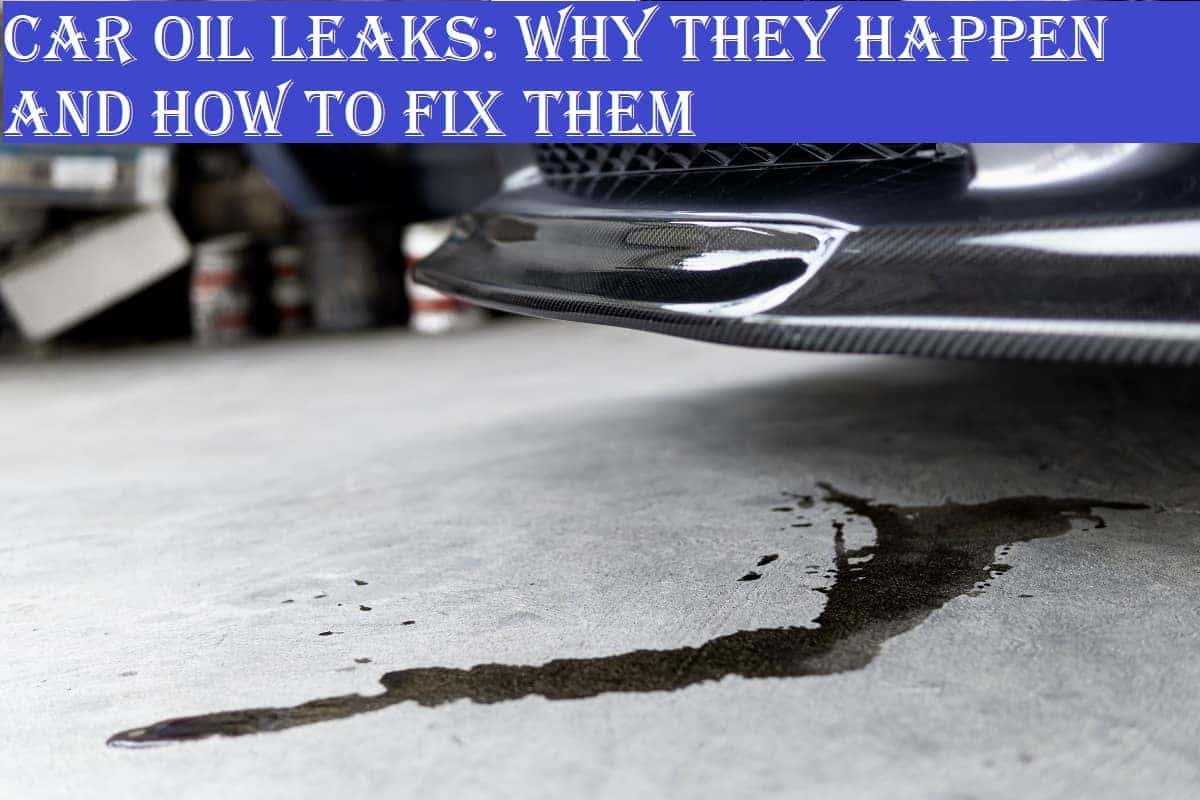
- Dark stains or puddles under the parked car
- Burning oil smell inside or outside the vehicle
- Low oil levels on the dipstick despite regular refills
- Smoke coming from the engine area
- Warning lights on the dashboard related to oil pressure
How To Spot Oil Spots
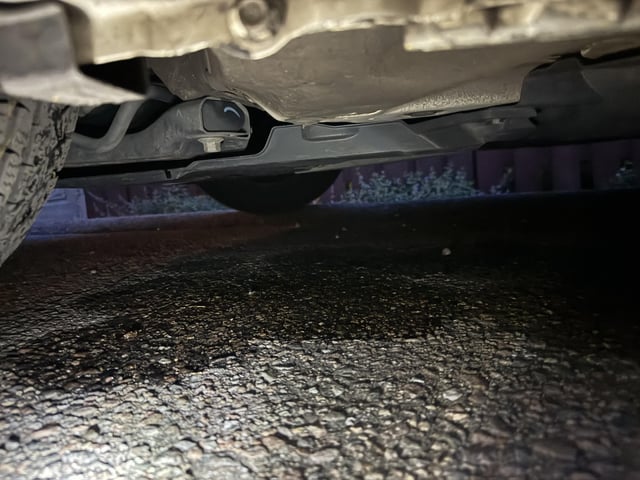
Check the ground where the car is parked for fresh dark spots. Oil leaks create sticky, dark stains that do not dry quickly. Look under the engine and near the oil pan for drips. Use a flashlight to see small leaks. Wipe suspicious areas with a clean cloth to confirm oil presence.
Engine Performance Issues
Oil leaks often cause engine noises like knocking or ticking. The engine may run rough or stall unexpectedly. Acceleration might feel weaker than usual. Excessive exhaust smoke can also signal oil burning. These issues suggest the leak affects engine health.
Causes Of Oil Leaks
Oil leaks can be a significant concern for car buyers. Understanding the causes helps in making an informed decision. Leaks might seem minor, but they can lead to bigger problems. Here are some common causes of oil leaks.
Worn Seals And Gaskets
Seals and gaskets prevent oil from leaking out. Over time, they can wear out. This wear and tear is a natural part of a car’s life. When seals and gaskets degrade, they allow oil to seep through. Regular maintenance can help spot these issues early.
Damaged Oil Pan
The oil pan sits beneath your car’s engine. It’s vulnerable to damage from road debris. A cracked oil pan can lead to significant oil loss. Parking over rough terrain increases the risk of damage. Regularly checking the oil pan for dents or cracks is essential.
Loose Or Broken Components
Loose components can cause oil leaks. This includes bolts and fittings. Vibrations from the engine may loosen these parts over time. Regular inspections help ensure all components are secure. Tightening or replacing these parts may stop leaks.
Risks Of Buying A Car With An Oil Leak
Buying a car with an oil leak carries several risks. Oil leaks often signal deeper mechanical problems. They can affect the car’s performance and safety. Understanding these risks helps you make a better decision.
Potential Engine Damage
Oil lubricates engine parts and prevents friction. An oil leak reduces oil levels quickly. Without enough oil, engine parts can wear out fast. This damage may lead to engine failure. Repairing or replacing an engine is expensive and time-consuming.
Costly Repairs Ahead
Fixing an oil leak is not always cheap. The leak might come from damaged gaskets, seals, or oil pans. These parts can be costly to replace. Ignoring the leak often leads to bigger problems. Repair bills can add up over time.
Safety Concerns
Oil leaks can create slippery spots on roads. This increases the risk of accidents, especially in wet conditions. Leaked oil can also catch fire in extreme cases. Your safety and the safety of others could be at risk. Inspect the car carefully before buying.
Evaluating The Severity
Before deciding to buy a car with an oil leak, understanding how serious the leak is can save you from unexpected costs and headaches. Not all oil leaks are the same—some are easy to fix, while others might signal a bigger problem. Evaluating the severity helps you make a smart choice and negotiate better.
Minor Vs Major Leaks
Minor leaks often show up as small drips or stains under the car. These usually come from worn gaskets or seals and can be fixed without breaking the bank. Major leaks, however, might spray oil or leave large puddles, indicating damaged parts like the oil pan or engine block.
Ask yourself: Is the leak just a slow drip, or is oil visibly pouring out? A tiny leak might only need a seal replacement, but major leaks can lead to engine damage if ignored.
Leak Location Matters
Where the oil is leaking from can tell you a lot. Leaks near the valve cover or oil filter are often less serious and easier to repair. But if oil is leaking near the timing cover, crankshaft, or oil pan, it might mean more complex repairs.
Think about how accessible the leak is. A leak in a hard-to-reach area could mean higher labor costs. Also, some leaks might spray oil onto belts or other components, causing further damage.
Oil Level And Consumption
Check the oil level regularly if you’re considering a car with an oil leak. If the level drops quickly, the leak could be severe and risk engine health. Cars that consume oil fast might leave you topping up frequently, adding to your expenses.
Ask the seller if they monitor oil consumption and how often they add oil. A car that runs low on oil often could mean hidden damage or neglect. Would you want to spend time and money managing this issue after your purchase?
Inspection Tips Before Buying
Buying a car with an oil leak can be risky, but careful inspection can help you avoid costly surprises. Before making any decisions, you need to look closely at the car’s condition and history. Taking the time to inspect thoroughly can save you money and stress down the road.
Check Oil Condition
Start by examining the oil itself. Is it thick and dirty, or clean and fresh? Dark, gritty oil might mean the car hasn’t been maintained well, which could worsen an existing leak.
Also, look under the car for fresh oil spots. Are these spots dry or still wet? Wet spots indicate an active leak that needs immediate attention.
Look For Repair Records
Ask the seller for any service or repair records related to the oil leak. Has the leak been fixed before? Was it a minor gasket replacement or a major engine repair?
Records can reveal if the leak has been a recurring problem. A well-documented repair history shows the seller’s honesty and helps you understand future repair costs.
Consult A Mechanic
Never buy a car with an oil leak without getting a professional opinion. A trusted mechanic can identify the source of the leak and estimate repair costs accurately.
Think about this: would you spend thousands on a car only to face unexpected engine damage? A mechanic’s inspection can give you peace of mind or a solid reason to walk away.
Credit: www.chevroletownersclub.co.uk
Negotiating Price With An Oil Leak
Negotiating the price of a car with an oil leak requires a clear understanding of the problem and its financial impact. Sellers often expect buyers to lower their offer when a leak is present. But how much should you really ask for? Knowing how to approach this negotiation can save you money and prevent future headaches.
Estimating Repair Costs
Before you start negotiating, find out how much it will cost to fix the oil leak. Some leaks are easy and cheap to repair, while others might require extensive work. Getting a mechanic’s estimate or researching typical repair costs online gives you a solid foundation to discuss price reductions.
Ask yourself: Is the leak coming from a gasket, seal, or a more serious engine component? The answer can change the repair price drastically. Having this information helps you avoid overpaying or underestimating the repair burden.
Using Leaks To Lower Price
Once you know the repair costs, use that information to negotiate a fair discount. Point out the exact problem and its impact on the car’s value. Sellers might resist at first, but showing them clear numbers makes your offer stronger.
- Offer a price that accounts for parts and labor.
- Be ready to walk away if the seller ignores the leak’s cost.
- Suggest splitting the repair cost if the seller is hesitant.
Remember, you’re not just bargaining for a price cut—you’re protecting yourself from unexpected expenses.
Weighing Repair Vs Replacement
Sometimes, the cost to fix an oil leak is just the tip of the iceberg. Consider whether repairing the leak is worth it compared to finding another car. If the leak hints at deeper engine problems, you could face bigger bills down the road.
Ask yourself: Is this car a good investment, or will it drain your budget? Sometimes paying a bit more for a leak-free car is smarter than constant repairs. Think about your comfort level with potential risks before finalizing the deal.
When To Walk Away
Deciding whether to buy a car with an oil leak can be tricky. Sometimes, the problem is minor and fixable. Other times, it signals deeper issues that aren’t worth the risk. Knowing when to walk away can save you money and stress.
Signs Of Neglect
If the car shows signs of poor maintenance beyond the oil leak, it’s a red flag. Look for worn-out tires, dirty engine parts, or a neglected interior. These signs often mean the owner didn’t take good care of the vehicle overall.
I once checked out a used car with a small oil leak but noticed the brake pads were almost gone and the dashboard warning lights were on. That was a clear sign to move on.
Multiple Mechanical Issues
An oil leak alone can be manageable, but if the car has other mechanical problems, it’s a warning. Issues like transmission troubles, strange noises, or engine misfires can add up to costly repairs. Ask yourself if you want to deal with one problem or a pile of them.
Imagine buying a car that leaks oil and also has a failing radiator and worn suspension. The repair bills could quickly outweigh the car’s value.
Unwilling Seller Transparency
If the seller avoids answering questions about the leak or refuses to let you get a mechanic’s inspection, it’s a bad sign. Transparency is key to trust. Without it, you risk hidden damage that only shows up after you buy.
Don’t be afraid to walk away if the seller gets defensive or vague. Your money deserves honesty, not excuses.
Credit: www.easternshorehyundai.com
Preventing Future Oil Leaks
Preventing future oil leaks is essential if you want to keep your car running smoothly and avoid costly repairs. Understanding how to care for your vehicle properly can save you from headaches down the road. You don’t have to be a mechanic to take steps that protect your engine and maintain oil integrity.
Regular Maintenance Tips
Checking your oil level frequently helps you spot leaks early. Make it a habit to inspect your car’s oil dipstick every couple of weeks. Changing your oil on time is another key step; old oil can break down seals and gaskets, leading to leaks.
Don’t overlook other engine components like the oil filter and oil pan. Replace worn-out gaskets and seals immediately to prevent oil from seeping out. Have a trusted mechanic do a thorough inspection during each service to catch any developing issues.
Choosing Quality Parts
Using cheap parts may save money upfront but can cause leaks later. Opt for high-quality gaskets, seals, and filters designed specifically for your car model. These parts fit better and last longer, reducing the risk of leaks.
Have you ever noticed a difference after switching to premium oil filters? Many drivers report fewer leaks and better engine performance. Investing in reliable parts is a smart way to protect your car’s engine and your wallet.
Proper Driving Habits
How you drive can impact your car’s oil system health. Avoid aggressive starts and hard braking; sudden temperature changes can stress seals and cause cracks. Give your engine time to warm up before pushing it hard, especially in cold weather.
Parking on uneven ground can also cause oil to pool in the wrong areas, increasing leak risk. Try to park on flat surfaces whenever possible. Small changes in your driving routine can extend the life of your engine seals and prevent leaks.
Frequently Asked Questions
What Are The Risks Of Buying A Car With An Oil Leak?
Buying a car with an oil leak can lead to engine damage and costly repairs. Oil leaks reduce lubrication, causing overheating and wear. It may also indicate poor maintenance. Always inspect the leak severity before purchasing to avoid unexpected expenses.
Can Small Oil Leaks Be Easily Fixed?
Small oil leaks can often be repaired quickly and affordably. Common fixes include replacing gaskets or seals. However, the repair cost depends on the leak’s source and extent. Always get a professional inspection to understand the repair complexity before buying.
How To Identify An Oil Leak During A Car Inspection?
Look for oil stains under the vehicle and on engine parts. Check oil levels regularly; a drop indicates a leak. Smell for burning oil odors and watch for smoke from the engine. A thorough inspection helps detect leaks early.
Should I Negotiate The Price For A Car With An Oil Leak?
Yes, use the oil leak as leverage to lower the price. Factor in repair costs and potential engine damage. Negotiating ensures you don’t overpay for a problematic vehicle. Always get a repair estimate before finalizing the deal.
Conclusion
Buying a car with an oil leak needs careful thought. Oil leaks can cause engine problems and higher repair costs. Check the leak size and source before deciding. Some leaks are small and fixable, others are serious. Ask a mechanic to inspect the car for you.
Consider repair expenses against the car’s price. Think about your budget and how long you want to keep the car. A well-maintained car is safer and lasts longer. Choose wisely to avoid future troubles and expenses. Your decision matters for both safety and money.