
Thinking about buying a used car? You might be wondering if getting an extended warranty is really worth it.
After all, you want to protect your investment without wasting money. But how do you know if an extended warranty will save you from costly repairs or just add extra expenses? You’ll discover the key facts you need to make the right choice for your car and your wallet.
Keep reading to find out whether an extended warranty is a smart move for you.
Benefits Of Extended Warranties
Extended warranties offer several key benefits for used car buyers. They can reduce the risk of unexpected repair costs. This protection helps keep your budget steady. Extended warranties also add value by covering parts that might break down over time.
Financial Protection Against Repairs
Repairs on used cars can be costly and sudden. An extended warranty helps cover these expenses. It limits how much you pay out of pocket. This protection can save hundreds or even thousands of dollars. It gives a clear idea of repair costs before they happen.
Peace Of Mind For Older Vehicles
Older cars have a higher chance of breaking down. Worry about repair bills can cause stress. Extended warranties provide peace of mind by reducing this worry. You can drive with confidence knowing many repairs are covered. It allows you to enjoy your car without fear.
Coverage For Major Components
Extended warranties usually cover key parts of your car. This includes the engine, transmission, and electrical systems. These are often the most expensive to fix. Having coverage means you avoid large repair bills. You get support for the parts that matter most.
Types Of Extended Warranties
Understanding the types of extended warranties available can help you decide whether investing in one for your used car makes sense. Not all warranties are created equal, and knowing the differences can save you from unexpected expenses down the road. Let’s break down the main categories so you can spot what fits your needs best.
Manufacturer Vs Third-party Plans
Manufacturer extended warranties come directly from the car maker and usually offer solid coverage since they know their vehicles inside out. These plans often provide seamless service at authorized dealerships, which can be a big plus if you prefer convenience and trusted repairs.
Third-party warranties, on the other hand, are sold by independent companies. They can be more flexible and sometimes cheaper, but quality varies widely. Have you checked reviews or the company’s reputation before buying? This step can prevent headaches later.
Powertrain Vs Comprehensive Coverage
Powertrain warranties cover major components like the engine, transmission, and drivetrain. They’re often cheaper but offer limited protection. If your car is older or has high mileage, this might cover the most expensive repairs.
Comprehensive coverage goes further, protecting electrical systems, air conditioning, and other parts. It costs more but reduces the risk of surprise repair bills. Think about how much you use your car and what’s likely to break down.
Duration And Mileage Limits
Extended warranties come with specific time frames and mileage caps. For example, a plan might cover you for 3 years or 36,000 miles—whichever comes first. Are you planning to keep the car long-term or sell it soon? This choice affects which duration and mileage limits make sense.
Also, some plans allow you to extend coverage if you buy more miles upfront, which can be handy if you drive a lot. Always read the fine print about these limits to avoid surprises when you need service.
Cost Factors To Consider
Deciding whether to buy an extended warranty on a used car often boils down to understanding the costs involved. Knowing what you’ll pay upfront, the expenses you might face without coverage, and how the warranty affects your car’s resale value can help you make a clearer choice. Let’s break down these key cost factors so you can weigh the financial impact more effectively.
Upfront Premiums And Deductibles
The first cost you’ll encounter is the warranty premium. This is the amount you pay upfront or in installments to secure coverage. Premiums can vary widely based on the car’s age, make, model, and the coverage level you choose.
Besides the premium, consider the deductible—the fee you pay out of pocket for each repair visit. Deductibles typically range from $50 to $200. If you pick a lower premium plan, expect higher deductibles, and vice versa.
Ask yourself: Will these upfront and recurring costs fit your budget without causing financial stress? Sometimes, a higher initial cost is worth it if it means lower expenses later.
Repair Costs Without Warranty
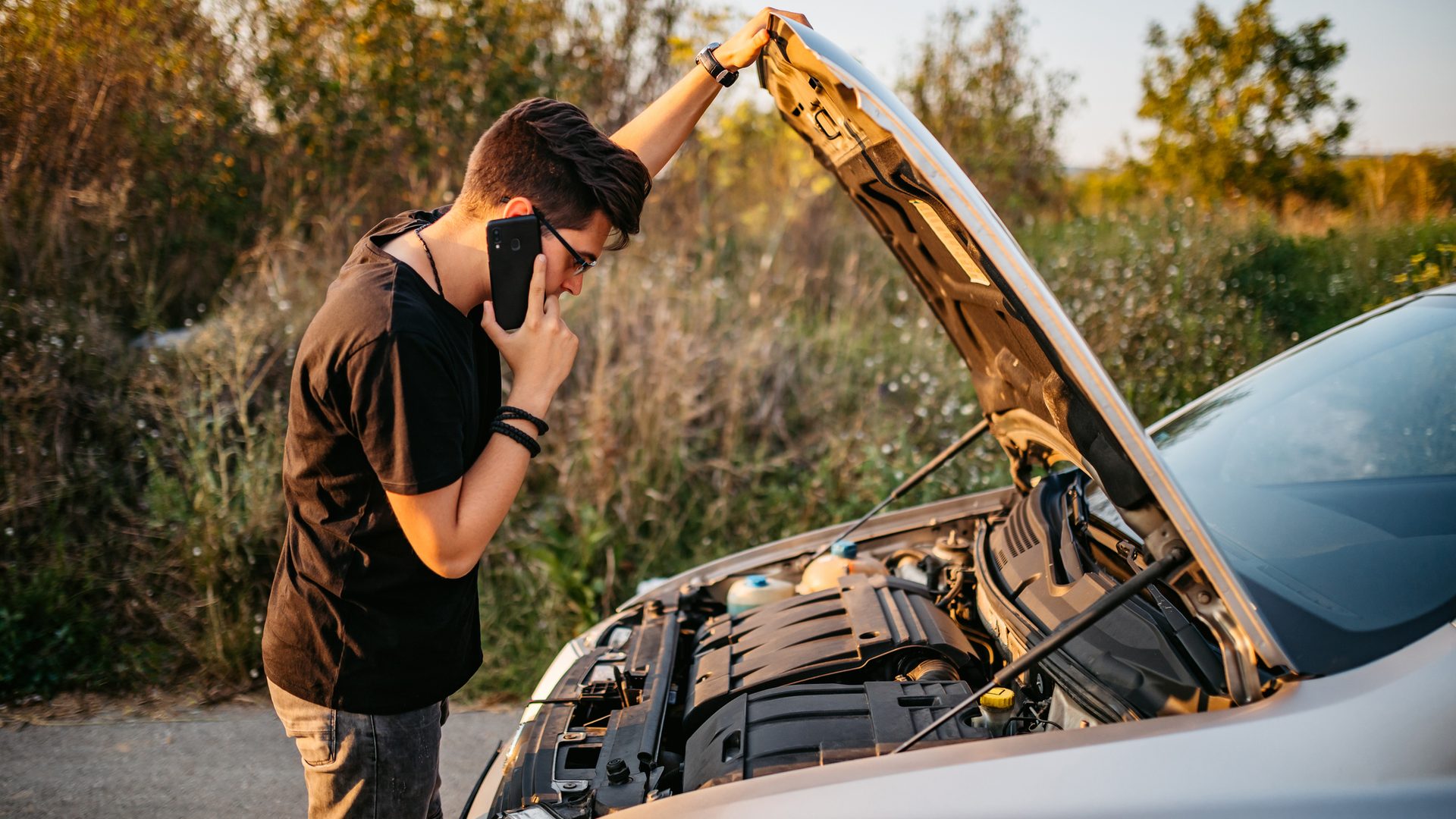
Without an extended warranty, every repair hits your wallet directly. Used cars can surprise you with unexpected breakdowns, especially if they’re older or have high mileage.
Simple fixes like brake pad replacement might cost a few hundred dollars, but engine or transmission repairs can quickly reach thousands. If you’re handy, some maintenance might be cheaper, but complex problems demand professional help.
Think about your risk tolerance. Are you comfortable paying for repairs out of pocket, or would you prefer predictable expenses? This mindset can guide your decision on whether a warranty is a safety net or an unnecessary expense.
Impact On Resale Value
Buying a used car with an active extended warranty can make it more attractive to future buyers. It offers peace of mind and suggests the vehicle has been well cared for.
Some warranties are transferable, which means the next owner can benefit from the remaining coverage. This feature can boost your car’s resale value and help it sell faster.
However, if the warranty cost significantly adds to your initial investment, will the resale benefit outweigh that expense? Consider how long you plan to keep the car and whether the warranty enhances its market appeal enough to justify the price.
Credit: www.nerdwallet.com
Assessing Your Used Car’s Condition
Before deciding to buy an extended warranty on a used car, you need to carefully assess its condition. This helps you understand the risks involved and whether additional coverage is worth the cost. Knowing the car’s current state gives you a clearer picture of potential future expenses.
Vehicle Age And Mileage
The age and mileage of your used car are key indicators of its overall wear and tear. Older cars or those with high mileage tend to have more frequent repairs. Ask yourself: Is the car nearing major service milestones like timing belt replacement or transmission overhaul?
For example, a 10-year-old car with 150,000 miles might need more repairs soon compared to a 3-year-old with 30,000 miles. If your car is older or has high mileage, an extended warranty could provide peace of mind against costly breakdowns.
Maintenance History
A well-maintained car usually faces fewer unexpected problems. Check if the previous owner kept detailed service records, including oil changes, brake replacements, and other routine work. Consistent maintenance reduces the chance of sudden failures and might lessen the need for an extended warranty.
Imagine buying a used car with a spotless service history. You might feel confident skipping additional coverage. But if service records are missing or inconsistent, it’s wise to consider the protection an extended warranty offers.
Common Issues By Make And Model
Some car models are known for specific problems, while others have solid reputations for reliability. Research your car’s make and model to discover common issues other owners report. This can help you anticipate potential repairs that an extended warranty might cover.
For example, certain older German luxury cars often face expensive electronic or transmission repairs. Knowing this, you might lean toward purchasing extra coverage. What are the typical repairs for your car model, and how costly could they be?
When An Extended Warranty Makes Sense
Deciding whether to buy an extended warranty on a used car depends on your specific situation. An extended warranty can provide peace of mind, but it’s not always the best choice. Understanding when it truly makes sense will help you avoid unnecessary expenses and get the most value from your investment.
High Repair Risk Vehicles
Some used cars have a higher chance of needing expensive repairs. Luxury brands, older models, or cars with known mechanical issues often fall into this category. If your car fits this profile, an extended warranty can protect you from sudden, costly repairs that might otherwise drain your savings.
Ask yourself: How much would a major repair cost? If it’s close to or more than the warranty price, coverage might be worth it.
Limited Savings Without Coverage
If your car is reliable and repair costs are generally low, an extended warranty might not save you money. Many repairs on newer or well-maintained used cars are affordable enough to handle out of pocket. In these cases, the warranty could end up costing more than the repairs themselves.
Think about your car’s repair history and typical maintenance expenses. Are you likely to spend more on the warranty than on repairs? If yes, skip the extra coverage.
Lack Of Manufacturer Warranty
When your used car’s original manufacturer warranty has expired, you lose the safety net for many repairs. Buying an extended warranty can fill this gap and reduce your financial risk. This is especially helpful if you don’t have a large emergency fund or dislike unexpected costs.
Consider how long you plan to keep the car and what parts might fail. If you want to avoid surprises, extended coverage can offer valuable security.
When To Skip The Extended Warranty
Deciding against an extended warranty can save money and avoid unnecessary hassle. Some used cars hold up well with little risk of costly repairs. Owners with financial flexibility might prefer to cover repairs themselves. Existing coverage might already protect the vehicle enough.
Reliable Cars With Low Repair Costs
Some car models rarely break down. Their parts and repairs cost less than the warranty price. Buying extra protection for these cars may not be worth it. Check reliability ratings and repair costs before deciding.
Ability To Self-fund Repairs
Having savings set aside for repairs removes the need for extended warranties. Paying out of pocket can be cheaper over time. It avoids extra fees and coverage limits. This works best if repair bills stay low.
Existing Coverage Options
Some cars come with remaining factory warranties. Certified pre-owned programs often include protection. Credit cards or insurance policies might offer roadside assistance. These options reduce the benefit of buying more coverage.
Tips For Buying An Extended Warranty
Buying an extended warranty for a used car can protect you from unexpected repair costs. Choosing the right warranty takes careful thought. Follow these tips to make a smart decision and avoid surprises later.
Research Providers Thoroughly
Look into different warranty companies before buying. Check their reputation and customer reviews. See how long they have been in business. Trustworthy providers offer clear terms and quick service. Avoid companies with many complaints or unclear policies.
Read The Fine Print
Carefully read all warranty documents. Understand what repairs are covered and what are not. Check how long the coverage lasts and any fees involved. Know your responsibilities, like regular maintenance. Clear knowledge helps prevent hidden costs or denied claims.
Check For Exclusions And Limits
Identify parts or repairs the warranty excludes. Some warranties leave out major components or wear and tear. Look for limits on repair costs or claim amounts. Confirm if you can choose your mechanic. Knowing these details helps you avoid unpleasant surprises.
Credit: americandreamautoprotect.com
Alternatives To Extended Warranties
Extended warranties can feel like a safety net, but they aren’t the only way to protect yourself from unexpected car repair costs. You might find other options that fit your budget and needs better. Here are some practical alternatives you can consider instead of buying an extended warranty on a used car.
Setting Up An Emergency Repair Fund
One of the smartest moves is to create a dedicated emergency repair fund. This means regularly putting aside a small amount of money specifically for car repairs.
Imagine having $500 or $1,000 ready when your car suddenly needs a new alternator or brake pads. It feels empowering to know you can handle repairs without stress or debt.
Ask yourself: How much can I realistically save each month without stretching my budget? Even a small fund grows quickly and could save you from pricey repair loans.
Using Consumer Protection Programs
Some states offer consumer protection programs that cover certain repairs or provide dispute resolution for used car buyers. These programs vary but can be a helpful layer of protection.
For example, California has the “Used Car Buyer’s Bill of Rights,” which helps buyers with repairs after purchase. Checking what’s available in your state could uncover benefits you didn’t know existed.
Have you looked into local resources that might support you in case your used car breaks down? It’s worth a quick search or call to your state’s consumer affairs office.
Third-party Insurance Options
Instead of extended warranties, some third-party insurers offer mechanical breakdown insurance (MBI). This works like car insurance but covers repairs after your manufacturer warranty expires.
These plans can be more flexible and sometimes cheaper than extended warranties. They often cover a wide range of repairs and let you choose coverage levels that match your risk tolerance.
Before signing up, compare costs and coverage carefully. Ask: Does this plan cover the parts that are most likely to fail on my car model? Are there deductibles or exclusions that reduce its value?

Credit: obvi.ca
Frequently Asked Questions
What Is An Extended Warranty On A Used Car?
An extended warranty is a service contract that covers car repairs after the original warranty expires. It provides added protection against costly breakdowns, offering peace of mind for used car buyers. Coverage and costs vary depending on the plan and vehicle condition.
Should I Buy An Extended Warranty For An Older Used Car?
Buying an extended warranty for older cars can be beneficial if repair risks are high. It helps manage unexpected expenses from aging parts. However, consider the vehicle’s reliability, warranty cost, and coverage details before deciding.
How Does An Extended Warranty Save Money On Used Cars?
An extended warranty can save money by covering costly repairs and parts replacement. It reduces out-of-pocket expenses and avoids large surprise bills. Ensure the warranty covers common issues for your specific used car model.
Are All Used Car Warranties The Same?
No, used car warranties differ in coverage, duration, and cost. Some cover only major components, while others offer comprehensive protection. Always read the terms carefully to understand what repairs are included and excluded.
Conclusion
Deciding on an extended warranty for a used car can be tough. Consider your car’s condition and your budget. Warranties offer peace of mind and cover unexpected repairs. But they can also be costly. Think about how long you plan to keep the car.
Also, check if the warranty covers the parts you need. Research the warranty provider’s reputation too. Each option has its pros and cons. Choose what aligns best with your needs and financial situation. Make an informed decision to protect your investment wisely.