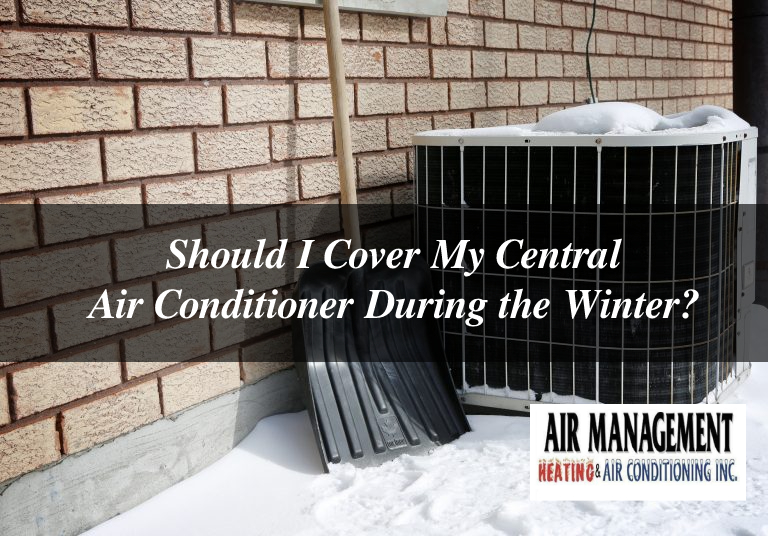
Winter is coming, and you might be wondering: should you cover your air conditioner when the cold sets in? You want to protect your unit, save money, and avoid unnecessary repairs.
But is covering your air conditioner really the best choice? You’ll discover what experts say, the pros and cons of covering your unit, and simple tips to keep your AC safe during winter. Keep reading to make the right decision for your home and your wallet.
Why Covering Matters
Covering your air conditioner in winter helps protect it from damage. Cold weather and debris can harm the unit.
Using a cover keeps your air conditioner safe and ready for use when warm weather returns.
Protecting From Debris
Leaves, dirt, and branches can build up inside the air conditioner. This debris blocks airflow and damages the parts.
- Prevents clogs in the system
- Keeps the fan and coils clean
- Stops animals from nesting inside
Preventing Ice Damage
Ice can form on your air conditioner during winter. This ice can crack or break parts of the unit.
| Risk | Effect on Air Conditioner |
|---|---|
| Ice buildup | Cracks the fan blades and housing |
| Freezing water inside | Damages internal components |
| Weight of ice | Bends or breaks delicate parts |
Avoiding Rust And Corrosion
Moisture from snow and rain causes metal parts to rust. Rust weakens the air conditioner and shortens its life.
- Use covers made from waterproof material
- Ensure cover fits well to block moisture
- Check and replace cover if damaged
Credit: www.furnaceprices.ca
When To Cover Your Air Conditioner
Covering your air conditioner in winter helps protect it from cold weather. Not all climates need covers, so timing is key.
Knowing when to cover your air conditioner can save you money and keep it working well for years.
Climate Considerations
In mild climates, you may not need to cover your air conditioner at all. The unit can handle light rain and cool temperatures.
In colder areas with snow and ice, covering the unit helps prevent damage. It stops debris and water from entering.
- Warm climates: No cover needed
- Cold climates: Cover before first snow
- Wet climates: Use breathable covers
Signs It’s Time To Cover
Look for signs that show your air conditioner needs protection. These can guide you on when to cover it.
If you see falling leaves, heavy rain, or snow forecast, it is time to cover your unit. This prevents clogging and rust.
- Leaves or debris gathering near the unit
- Snow or ice expected soon
- Strong winds blowing dirt around
Choosing The Right Cover
Covering your air conditioner in winter helps protect it from snow and debris. Picking the right cover keeps your unit safe without causing damage.
It is important to find a cover that fits well and lets air pass through. This stops moisture buildup and rust.
Material Options
Covers come in different materials like plastic, fabric, and vinyl. Each type has good and bad points.
Plastic covers block water but can trap moisture inside. Fabric covers let air pass but may not stop snow well.
- Plastic:Waterproof but not breathable
- Fabric:Breathable but less water-resistant
- Vinyl:Durable and water-resistant
Fit And Ventilation
A cover should fit snugly over your unit without gaps. Loose covers let dirt in, tight covers may damage the unit.
Good covers allow airflow to stop moisture from building up. Look for covers with vents or breathable fabric.
- Choose covers made for your AC model size
- Check for ventilation holes or breathable fabric
- Avoid covers that seal completely airtight
Diy Vs. Store-bought Covers
Some people make their own covers using tarps or old sheets. These can be cheap but may not fit well or breathe.
Store-bought covers are designed to fit and protect better. They often include vents and weather-resistant materials.
- DIY covers may not fit your AC precisely
- Store-bought covers offer better protection
- Consider cost and how long you want to use the cover

Credit: www.homeserve.com
How To Properly Cover Your Ac Unit
Covering your air conditioner for winter can protect it from snow and debris. But it is important to do it the right way. A good cover helps your AC last longer.
This guide shows how to prepare, install, and secure the cover correctly. Follow these simple tips to protect your AC unit during cold months.
Preparation Steps
Start by cleaning the AC unit. Remove leaves, dirt, and twigs from around and inside the unit. This stops damage and mold growth under the cover.
Make sure the unit is dry before covering it. Water trapped inside the cover can cause rust. Also, check for any damage that needs fixing before winter.
- Turn off the power to the AC unit.
- Clear leaves and dirt from the unit.
- Let the unit dry completely.
- Inspect the unit for damage.
Cover Installation Tips
Choose a cover made for your AC model. A heavy-duty, waterproof cover works best. Avoid plastic bags or thin sheets that trap moisture.
Place the cover loosely over the unit. It should protect the top and sides but allow air to flow. Avoid sealing the cover too tight to prevent moisture buildup.
- Use a cover made for AC units.
- Pick a waterproof and breathable material.
- Cover the top and sides of the unit.
- Leave space for air to circulate.
Securing The Cover
Secure the cover with straps or bungee cords. This stops it from blowing away in strong wind. Check that no part of the cover touches the ground.
Remove the cover in early spring. Leaving it on too long can trap moisture. Store the cover in a dry place until next winter.
- Use straps or cords to hold the cover tight.
- Keep the cover off the ground to avoid water pooling.
- Remove the cover as soon as winter ends.
- Store the cover in a dry spot.
Common Mistakes To Avoid
Many people wonder if they should cover their air conditioner for winter. Covering can protect it, but some mistakes can cause damage. Avoiding these errors helps your AC stay safe all winter.
Learn about common errors like overcovering, ignoring ventilation, and using wrong materials. These mistakes can harm your unit instead of helping it.
Overcovering Risks
Using a cover that seals your air conditioner too tightly can trap moisture. Moisture can cause rust and damage parts inside the unit.
Overcovering may also block airflow. This can create a damp environment that harms your AC over time.
- Traps moisture inside
- Causes rust and corrosion
- Blocks airflow and ventilation
- May damage electrical parts
Ignoring Ventilation Needs
Your air conditioner needs some airflow even in winter. Ignoring ventilation can lead to mold growth and bad odors inside the unit.
Make sure the cover lets air pass through. This keeps your AC dry and fresh until spring.
- Prevents mold and mildew
- Keeps air fresh inside the unit
- Reduces risk of water damage
- Helps the unit stay dry
Using Improper Materials
Some covers use plastic sheets or tarps that do not breathe. These materials trap moisture and cause damage to your AC.
Choose covers made from breathable fabric. Avoid thick plastic or materials that can tear easily in wind or snow.
- Avoid plastic sheets and tarps
- Use breathable fabric covers
- Pick durable materials for winter
- Check for water resistance and airflow

Credit: www.furnaceprices.ca
Alternatives To Covering
Many people wonder if they should cover their air conditioner in winter. Covering is not the only way to protect your unit. There are other methods that can help keep it safe from cold weather and debris.
These alternatives focus on protecting the unit without trapping moisture or causing damage. Learn about protective coatings, maintenance tips, and even relocating your unit.
Using Protective Coatings
Protective coatings can shield your air conditioner from rust and corrosion. These coatings form a thin layer on the metal parts. They do not block airflow or trap moisture like covers do.
- Use a rust-resistant spray designed for outdoor metal.
- Apply the coating on all exposed metal surfaces.
- Reapply yearly before winter starts.
- Make sure the unit is clean and dry before applying.
Regular Maintenance Tips
Regular maintenance is key to keeping your air conditioner safe through winter. Cleaning and checking the unit helps prevent damage and keeps it ready for summer use.
| Maintenance Task | Frequency | Benefit |
|---|---|---|
| Remove debris and leaves | Monthly during fall | Prevents blockages and rust |
| Check for rust spots | Every 3 months | Allows early treatment |
| Clear drainage pipes | Before winter | Prevents water buildup |
| Tighten loose bolts | Once a year | Improves stability |
Relocating The Unit
Moving your air conditioner to a better spot can protect it from harsh weather. A sheltered place blocks wind, rain, and snow. It can also reduce dirt and debris buildup.
Consider these points before relocating:
- Choose a location with partial cover, like under an awning.
- Ensure good airflow around the unit.
- Keep the unit away from heavy snow drifts.
- Hire a professional to move the unit safely.
Frequently Asked Questions
Should I Cover My Air Conditioner In Winter?
Covering your air conditioner is optional but can protect it from debris and weather damage. Use a breathable cover to avoid moisture buildup and rust. Proper winter maintenance is more important than full coverage.
What Type Of Cover Is Best For Ac Units?
Choose a breathable, waterproof cover designed for air conditioners. Avoid plastic sheets that trap moisture and cause rust. A cover should allow airflow while keeping out leaves, snow, and dirt.
Can Covering My Ac Cause Damage?
Improper covers can trap moisture, leading to rust and mold. Use a breathable cover and ensure proper ventilation. Covering prevents debris buildup but must be done correctly to avoid damage.
Do I Need To Turn Off My Ac Before Winter?
Yes, turn off your AC and disconnect power to avoid electrical issues. Clean the unit thoroughly before covering it for winter. This helps prevent damage and keeps it ready for summer.
Conclusion
Deciding to cover your air conditioner depends on your climate. In milder areas, covers might not be necessary. They can trap moisture, leading to rust. In colder climates, a cover may protect from debris. But ensure proper ventilation to prevent mold.
Always clean the unit before winter. Consider using a breathable cover if needed. Check manufacturer guidelines for advice. Regular maintenance keeps your unit running efficiently. Remember, each situation is unique. Evaluate your circumstances. Make an informed choice for your air conditioner.