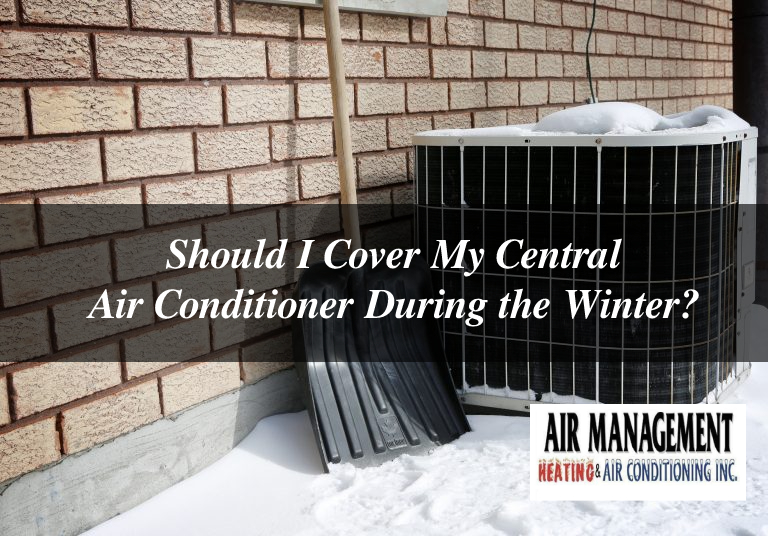
Are you wondering if you should cover your air conditioner during the winter months? It’s a common question that many homeowners ask as the cold season approaches.
You want to protect your unit, but you also don’t want to cause any damage by covering it the wrong way. Making the right choice can save you money, avoid costly repairs, and keep your AC running smoothly when summer returns.
Keep reading to discover what experts say about covering your air conditioner in winter and how you can make the best decision for your home.
Benefits Of Covering Your Ac
Covering your air conditioner helps keep debrislike leaves and dirt out. This stops clogs and keeps the unit clean. A clean AC works better and lasts longer.
Ice can build up on the unit during cold months. Covering the AC helps prevent ice damage. Ice can crack parts and cause leaks. The cover acts like a shield.
Protection from harsh weather means less wear and tear. Covers reduce exposure to rain, snow, and wind. This helps the AC stay in good shape and avoids costly repairs.
Credit: www.furnaceprices.ca
Risks Of Covering Your Ac
Covering your air conditionerduring winter can cause moisture buildupinside. This moisture traps water around the unit, which can lead to damage. Water and cold air create a perfect place for rustto form on metal parts.
Moldmay grow inside the cover due to trapped moisture. Mold can damage the unit and cause health issuesif spores spread.
Using a cover might also void your AC’s warranty. Many companies say covers can cause damage and refuse to fix the unit if problems happen.
- Moisture buildup causes rust and mold
- Rust damages metal parts
- Mold growth can harm health
- Warranty may be voided by using covers
Types Of Covers
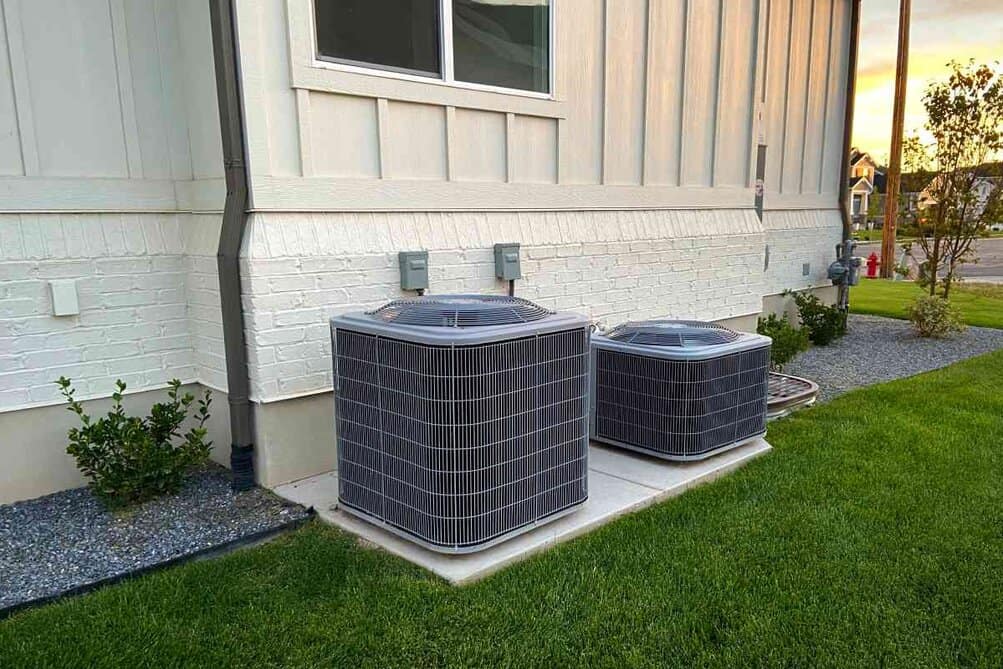
Breathable coversallow air to flow through. This stops moisture and mold build-up. They protect your air conditioner from leaves and dirt without trapping water.
Plastic tarpsare cheap and easy to use. But they do not let air pass. This can cause moisture to stay inside, which may damage the unit.
Custom-fit coversfit your air conditioner perfectly. They offer good protection from weather and debris. Many are made from breathable materials to keep moisture out.

Credit: www.furnaceprices.ca
When To Cover Your Ac
Covering an air conditioner depends on your climate. In cold places with lots of snow, covering can protect it from ice and debris. In mild areas, it might trap moisture and cause damage.
Consider how often you use your AC. If you turn it off for the winter, a cover can keep dust and leaves out. But if you use it occasionally, leaving it uncovered helps prevent mold.
| Season | Covering Advice |
|---|---|
| Late Fall | Cover after final use to protect from falling leaves |
| Winter | Cover in snowy or very cold areas to prevent damage |
| Early Spring | Remove cover before first use to avoid moisture build-up |
How To Properly Cover Your Ac
Remove leaves, dirt, and debris from your AC unit. Use a soft brush or cloth for cleaning. Clear away any plants or objects around the unit. This helps prevent mold and damage during winter.
Choose a cover that fits your AC snugly. Secure it tightly with straps or bungee cords. Make sure the cover stays in place during wind or snow. Avoid using plastic sheets that trap moisture.
Leave space for air to flow inside the cover. Too much covering can cause rust and mold. Only cover the top and sides, not the bottom. This allows moisture to escape and keeps the unit dry.
Credit: www.homeserve.com
Alternative Winter Ac Care Tips
Regular maintenancekeeps the air conditioner working well during winter. Clean the filters and remove dirt from the unit. This helps the AC stay in good shape for the next summer.
Using a protective barriercan stop leaves, dirt, and snow from harming the AC. Use a cover made for air conditioners. It should protect but still let the unit breathe to avoid moisture build-up.
Professional inspectionscatch small problems early. A technician checks the parts and makes sure everything works right. This prevents costly repairs and keeps the AC ready for hot days.
Frequently Asked Questions
Should I Cover My Air Conditioner In Winter?
Covering your air conditioner in winter can protect it from debris and harsh weather. However, modern units are built to withstand cold. Use a breathable cover to prevent moisture buildup and corrosion. Proper covering helps extend your AC’s lifespan and reduces maintenance needs.
What Type Of Cover Is Best For Ac Units?
A breathable, waterproof cover is best for AC units in winter. It keeps out rain, snow, and leaves while allowing air circulation. Avoid plastic covers that trap moisture, causing rust and mold. Choose covers designed specifically for outdoor air conditioners for optimal protection.
Can Covering An Ac Cause Damage In Winter?
Covering an AC improperly can cause damage by trapping moisture. Moisture leads to rust and mold growth inside the unit. Always use a breathable cover and ensure proper drainage. Avoid sealing the unit completely to prevent condensation damage during winter.
Is It Necessary To Cover A Heat Pump In Winter?
It’s generally not necessary to cover a heat pump in winter. Heat pumps are designed to operate in cold weather. Covering can block airflow and reduce efficiency. Only cover when the unit is not in use for an extended period or during severe storms.
Conclusion
Covering your air conditioner in winter can protect it from dirt and snow. But too much moisture inside the cover can cause damage. Choose a breathable cover to avoid trapped water and rust. Check your unit regularly to keep it clean and dry.
This simple step helps your AC last longer and work better next summer. Taking care now saves money and hassle later. Keep your air conditioner safe and ready for warm days ahead.