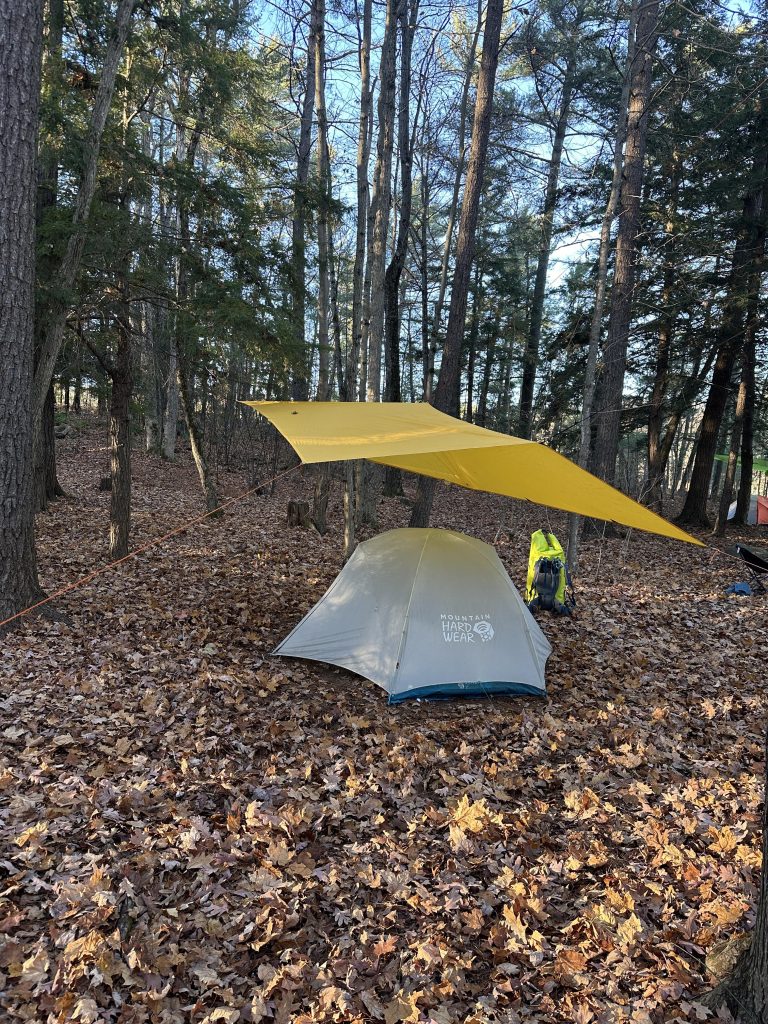
Are you planning your next camping trip and wondering if you should put a tarp under your tent? It’s a simple question, but the answer can make a big difference in your camping experience.
Using a tarp might seem like an extra step, but it can protect your tent, keep you dry, and even extend the life of your gear. You’ll discover why a tarp could be your best camping companion, how to choose the right one, and tips to set it up perfectly.
Keep reading to find out if adding a tarp is worth your time and effort on your next outdoor adventure.
Benefits Of A Tent Tarp
Using a tarp under your tent helps protect your camping gear. It adds a layer between the ground and your tent floor.
A tarp can keep your tent dry and clean. It also helps your tent last longer by reducing wear and tear.
Protecting Tent Floor
A tarp shields the tent floor from sharp rocks and sticks. This stops holes and tears that can ruin your tent.
- Prevents punctures from rough ground
- Reduces dirt buildup on the tent floor
- Keeps the bottom of the tent clean and dry
Preventing Moisture
A tarp blocks moisture from the ground. It stops water from seeping into your tent on wet grass or soil.
| Benefit | How a Tarp Helps |
| Stops Ground Moisture | Acts as a barrier to water and dampness |
| Keeps Tent Dry | Prevents water from soaking the tent floor |
| Improves Comfort | Dry floor means a warmer, more comfortable tent |
Extending Tent Lifespan
A tarp reduces wear on your tent’s floor by keeping it clean and dry. This helps your tent last for many camping trips.
Using a tarp also means less cleaning and fewer repairs. This saves time and money over the years.

Credit: www.reddit.com
Choosing The Right Tarp
Using a tarp under your tent can protect it from moisture and damage. Picking the right tarp helps keep your camping experience dry and comfortable.
Consider the tarp’s material, size, and weight before buying. These factors affect how well it performs with your tent.
Material Types
Tarp materials vary in strength and water resistance. Common types include polyethylene, nylon, and polyester.
- Polyethylene:Durable and waterproof, but heavier and less packable.
- Nylon:Lightweight and strong, often coated for water resistance.
- Polyester:Resists stretching and UV damage, good for long use.
Size And Fit
Choose a tarp size that matches your tent’s footprint. A tarp too small won’t protect well. Too large may collect water or cause tripping.
| Tarp Size | Use Case | Pros | Cons |
|---|---|---|---|
| Smaller than tent | Minimal protection | Light and compact | Less ground coverage |
| Same size as tent | Basic protection | Covers tent footprint | Edges may get wet |
| Larger than tent | Extra coverage | Keeps water away from tent | May catch wind and puddle water |
Weight Considerations
Lightweight tarps are easier to carry on long trips. Heavy tarps offer more durability but add bulk.
- Length of your trip
- How much gear you carry
- Weather conditions
- Durability needed
Setting Up A Tarp Correctly
Placing a tarp under your tent can protect it from moisture. It also adds an extra layer of comfort. Knowing how to set it up correctly is crucial.
Follow these steps to ensure your tarp is secure and effective. Proper setup can prevent water from pooling and damaging your tent.
Placement Tips
Choose a spot with good drainage for your tent. Lay the tarp out flat and ensure it is slightly smaller than your tent’s footprint.
- Clear debris like sticks and stones from the ground.
- Position the tarp so it does not extend beyond the tent.
- Ensure the tarp is flat with no wrinkles or folds.
Securing The Tarp
Securing the tarp properly prevents it from shifting. It also helps avoid water from seeping under the tent.
Avoiding Water Pockets
Water pockets can form if the tarp is not set up right. This can lead to water pooling under your tent.
| Issue | Solution |
| Water pooling | Adjust tarp to ensure water runs off |
| Tarp shifting | Secure with stakes or rocks |
| Wrinkles on tarp | Smooth out for even surface |

Credit: www.reddit.com
When To Skip The Tarp
Using a tarp under your tent can protect it from moisture and damage. Still, there are times when you do not need to put a tarp below your tent.
Knowing when to skip the tarp can save weight and setup time. This guide helps you decide based on different camping situations.
Hard Or Rocky Surfaces
On hard or rocky ground, a tarp might not help much. It can bunch up and create uneven spots under your tent floor. Instead, place your tent directly on the flat rocks or hard dirt.
In these cases, skip the tarp to avoid discomfort and reduce setup hassle.
Using Built-in Tent Footprints
Some tents come with built-in footprints or floors made from tough material. These protect the tent bottom well without needing extra tarps.
- Built-in footprints match the tent shape perfectly.
- They reduce extra weight and gear to carry.
- They prevent damage and block dirt from below.
If your tent has a built-in footprint, you can usually skip the tarp unless the ground is very wet or rough.
Lightweight Backpacking Scenarios
Backpackers often try to carry as little as possible. A tarp adds weight and bulk, so skipping it can make a big difference.
| Reason | Benefit of Skipping Tarp |
|---|---|
| Weight Reduction | Less load on your back |
| Faster Setup | Quicker camp setup and breakdown |
| Less Gear | More space in your pack |
Only skip the tarp if you trust the ground is dry and smooth enough. Otherwise, a lightweight groundsheet may offer some protection without much weight.
Common Mistakes To Avoid
Putting a tarp under your tent can protect it from damage and moisture. Yet, many campers make mistakes that reduce its benefits. Knowing what to avoid helps you stay dry and comfortable.
This guide covers common errors like overlapping edges, wrong tarp size, and ignoring the terrain. Fixing these issues improves your camping experience.
Overlapping Edges
One common mistake is letting the tarp edges overlap the tent floor. Overlapping can trap water between the tarp and tent. This causes moisture to seep inside your tent.
Make sure the tarp is slightly smaller than your tent floor. This way, water runs off and does not pool under your tent.
Wrong Tarp Size
Choosing the wrong tarp size reduces its effectiveness. A tarp that is too small leaves parts of your tent floor exposed. A tarp that is too large can collect water and dirt.
- Measure your tent floor before buying a tarp.
- Pick a tarp just smaller than the tent floor size.
- Avoid excess tarp material around the edges.
- Consider the shape of your tent for better fit.
Ignoring Terrain
Ignoring the terrain under your tarp can cause problems. Rocky or uneven ground can damage your tent floor even with a tarp. Moist or low spots can hold water, increasing wetness risk.
| Terrain Type | Effect on Tent Setup | Tip |
| Rocky ground | Can puncture tent floor | Clear sharp rocks before pitching tent |
| Uneven surface | Creates pressure points | Use padding or move to flatter spot |
| Wet or low area | Water pools under tent | Choose higher ground or build drainage |
| Leafy or pine needle floor | Can retain moisture | Clear debris to reduce dampness |

Credit: www.reddit.com
Additional Camping Gear To Consider
Camping is fun but having the right gear helps you stay safe and dry. Some extra items protect your tent and make camping easier.
These gear pieces are great to think about if you want to improve your camping experience. They help protect your tent and keep you comfortable.
Ground Cloths
Ground cloths are simple sheets placed under your tent. They stop moisture from the ground reaching the tent floor. They also protect the tent from dirt and small rocks.
- Usually made from plastic or waterproof fabric
- Easy to fold and carry
- Help extend the life of your tent floor
- Should be smaller than the tent base to avoid water pooling
Tent Footprints
Tent footprints are custom covers designed for a specific tent model. They fit exactly under your tent and give extra protection from wear and tear.
| Feature | Benefit |
| Custom Fit | Protects all tent floor areas |
| Thick Material | Better durability against rough ground |
| Lightweight | Easy to pack and carry |
| Water Resistant | Keeps moisture from seeping inside |
Rain Flies
Rain flies are extra covers placed over your tent. They protect from rain, wind, and dew. They keep your tent dry and add a layer of insulation.
Choose rain flies that:
- Fully cover the tent roof and walls
- Allow air to flow under to stop condensation
- Are easy to set up and remove
- Made of waterproof material
Frequently Asked Questions
Should I Always Use A Tarp Under My Tent?
Using a tarp under your tent protects the tent floor from damage and moisture. It adds an extra layer of insulation and keeps your tent cleaner. However, ensure the tarp doesn’t extend beyond the tent edges to prevent water pooling underneath.
Can A Tarp Prevent Tent Floor Leaks?
Yes, a tarp acts as a waterproof barrier between the ground and tent floor. It helps reduce water seepage from wet or uneven surfaces. This extra protection is especially useful during heavy rain or camping on damp ground.
What Size Tarp Should I Use Under My Tent?
Choose a tarp slightly smaller than your tent’s footprint. This ensures rainwater doesn’t collect between the tarp and tent walls. A tarp too large can cause water to pool under your tent, increasing leak risks and damaging the tent floor.
Does A Tarp Improve Tent Insulation?
A tarp adds a thin insulation layer that helps keep ground moisture and cold away. It can make your tent floor warmer and more comfortable, especially in chilly or wet conditions. This simple addition improves overall camping comfort.
Conclusion
Putting a tarp under your tent can protect it from damage and wet ground. It helps keep the bottom dry and clean. This extra layer also adds comfort and extends your tent’s life. Tarps are lightweight and easy to carry.
They are a simple way to improve your camping experience. Think about the type of ground and weather before choosing one. A tarp is a smart, easy choice for most campers. It keeps your shelter safe and your trip more pleasant.