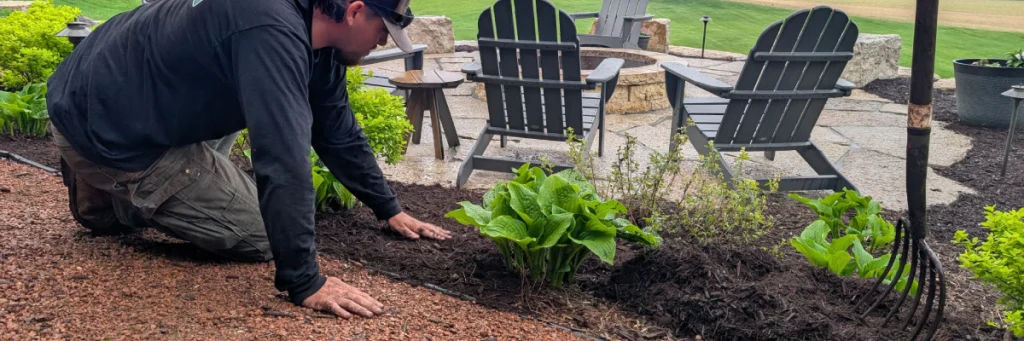
Are you wondering if you should put landscape fabric under your mulch? You’re not alone.
Many gardeners and homeowners ask this question because they want their gardens to look great and stay weed-free without extra work. Using landscape fabric might seem like an easy fix, but is it really the best choice for your yard?
You’ll discover the pros and cons of using landscape fabric under mulch, so you can make the right decision for your garden’s health and beauty. Keep reading to find out what experts say and how you can get the most out of your landscaping efforts.
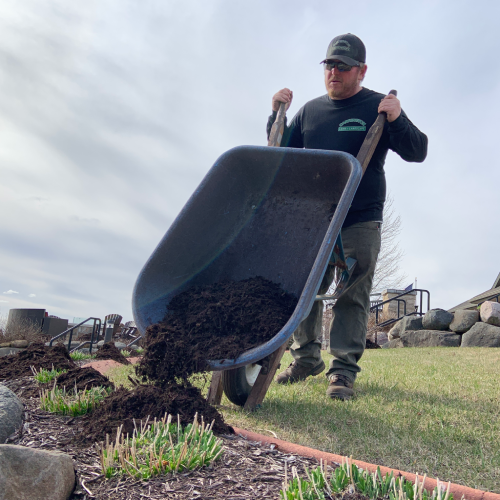
Credit: www.carringtonlawn.com
Purpose Of Landscape Fabric
Landscape fabric is a material placed under mulch in gardens and yards. It helps manage plant growth and soil health.
Understanding its purpose helps gardeners decide if it suits their needs.
Weed Control Benefits
One main use of landscape fabric is to reduce weeds. It blocks sunlight from reaching weed seeds. This stops many weeds from growing.
- Prevents weeds from emerging through mulch
- Reduces the need for chemical weed killers
- Keeps garden beds tidy and clean
- Makes weeding easier by limiting weed growth
Soil Moisture Retention
Landscape fabric helps keep soil moist. It slows down evaporation by covering the soil surface. This saves water and helps plants stay healthy.
| Benefit | Effect on Soil |
| Water retention | Reduces water loss |
| Temperature control | Keeps soil cooler in summer |
| Root protection | Prevents soil from drying out |
Erosion Prevention
Landscape fabric can stop soil from washing away. It holds soil in place during rain and wind. This protects garden beds and slopes from damage.
Key ways landscape fabric prevents erosion:
- Secures soil under mulch
- Reduces runoff by absorbing water
- Supports plant roots that hold soil
Types Of Landscape Fabric
Landscape fabric helps control weeds under mulch. It lets water and air pass through while blocking weed growth. Choosing the right type of fabric is important for your garden’s needs.
There are different landscape fabric types. Each type works best in certain situations. Understanding these options helps you pick the right one.
Woven Fabric Options
Woven landscape fabrics are made by weaving plastic threads together. This creates a strong and durable material. It resists tearing and lasts a long time in the garden.
These fabrics are good for heavy weed control. They allow water and air to flow but block sunlight to stop weeds. They can be reused after removing mulch.
- Made from woven polypropylene or polyester
- Strong and tear-resistant
- Good for long-term use
- Allows water and air flow
Non-woven Fabric Varieties
Non-woven fabrics are made by bonding plastic fibers together. This creates a felt-like texture. They are softer and more flexible than woven fabrics.
Non-woven fabrics absorb water well. They help keep soil moist and prevent erosion. These fabrics break down faster than woven ones but still last a few years.
- Made from bonded polypropylene fibers
- Soft and flexible texture
- Good water absorption
- Breaks down faster than woven fabric
Biodegradable Choices
Biodegradable landscape fabrics come from natural materials. They break down into the soil over time. These are better for the environment and easy to remove.
They work well for short-term projects. These fabrics improve soil health as they decompose. You may need to replace them more often than synthetic fabrics.
- Made from materials like jute, coir, or paper
- Break down naturally in soil
- Good for short-term weed control
- Improve soil as they decompose
Advantages Of Using Fabric Under Mulch
Using landscape fabric under mulch can be beneficial for your garden. It helps in managing weeds and maintaining a tidy look.
Let’s explore some advantages of placing fabric under your mulch to enhance your gardening experience.
Long-term Weed Suppression
Landscape fabric acts as a barrier to weeds. It blocks sunlight and prevents weed seeds from germinating.
- Keeps garden beds clean
- Reduces the need for herbicides
- Minimizes manual weeding time
Reduced Maintenance Effort
With fabric beneath the mulch, garden care becomes easier. This setup decreases the time and effort spent on upkeep.
By reducing weed growth, you spend less time pulling weeds. Enjoy more leisure time in your garden with family and friends.
Improved Mulch Longevity
Fabric under mulch extends its life. It prevents soil from mixing with the mulch, keeping it fresher longer.
| Mulch Type | Longevity with Fabric |
| Bark Mulch | 2–3 years |
| Wood Chips | 3–4 years |
| Straw Mulch | 1–2 years |
Drawbacks Of Landscape Fabric
Landscape fabric is often used under mulch to stop weeds. It looks helpful at first. But it can cause problems for your garden in the long run.
This article explains some drawbacks of using landscape fabric. It focuses on soil health, water issues, and root growth problems.
Soil Health Impact
Landscape fabric stops leaves and organic matter from reaching the soil. This can reduce the natural nutrients in the soil. Over time, soil becomes less rich and less healthy.
Without natural matter, beneficial insects and microbes may decrease. These creatures help keep the soil alive and balanced.
Water Penetration Issues
Landscape fabric can block water from reaching the soil below. Water may stay on top or run off, leaving roots dry. This is bad for plant growth.
Mulch alone lets water pass through easily. Fabric makes watering less effective. Plants might need more frequent watering to stay healthy.
Root Growth Restrictions
Plant roots can struggle to grow through landscape fabric. The fabric acts as a barrier and stops roots from spreading naturally. This limits plant size and strength.
Roots may grow only above the fabric. This makes plants less stable and less able to find water and nutrients deep in the soil.
When To Use Landscape Fabric
Landscape fabric is a tool that helps control weeds under mulch. It allows water and air to reach the soil but blocks weed growth.
Using landscape fabric is not always necessary. It works best in certain garden situations, with specific plants, and in some climates.
Ideal Garden Situations
Landscape fabric fits well in gardens with heavy weed problems. It works best under thick mulch layers to stop weeds from growing.
It is useful around trees, shrubs, and in flower beds where you want less maintenance. It helps keep soil moist by reducing evaporation.
- New garden beds with weeds
- Paths or walkways under mulch
- Areas around trees and shrubs
- Places where soil erosion is a concern
Suitable Plant Types
Use landscape fabric with plants that do not need deep root growth. It is good for bushes, trees, and perennials with shallow roots.
Avoid using fabric with plants that spread roots widely or grow deep. These plants may struggle to get nutrients and water through the fabric.
- Shrubs and small trees
- Perennials with shallow roots
- Plants that do not need frequent replanting
- Avoid deep-rooted vegetables and vines
Climate Considerations
Landscape fabric works well in dry and warm climates. It helps keep moisture in the soil and reduces watering needs.
In wet climates, fabric may cause water to pool and harm plants. It can also trap too much moisture, leading to root rot.
- Best in dry, sunny regions
- Use with caution in areas with heavy rainfall
- Check soil drainage before installing fabric
- Remove fabric if it causes water buildup
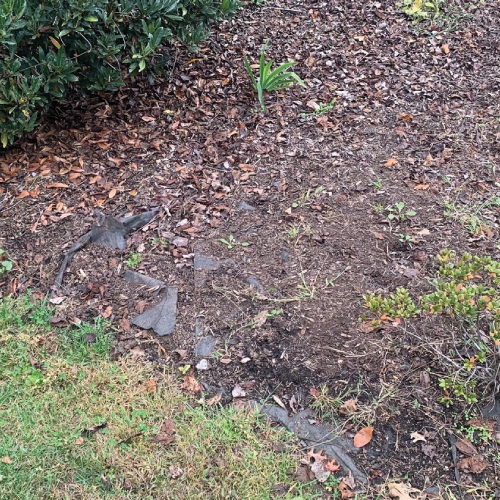
Credit: www.carringtonlawn.com
Alternatives To Landscape Fabric
Landscape fabric is often used to control weeds under mulch. Some gardeners look for other methods to reduce weed growth. These alternatives help keep your garden healthy without fabric.
This guide shares ways to replace landscape fabric with natural options. You will learn about mulch layers, weed barriers, and maintenance tips.
Organic Mulch Layers
Using thick layers of organic mulch blocks sunlight and stops weed seeds from growing. Mulch also improves soil health by adding nutrients as it breaks down.
- Wood chips or bark mulch
- Shredded leaves or grass clippings
- Compost mixed with straw
- Newspaper or cardboard under mulch
Natural Weed Barriers
Instead of synthetic fabric, use natural materials that stop weeds but let water and air through. These are safe for the environment and easy to remove.
| Material | Description | Benefit |
| Cardboard | Thick layers of flattened cardboard | Blocks light, biodegradable |
| Newspaper | Multiple sheets layered thick | Stops weeds, easy to wet |
| Mulch mats | Made from coconut fiber or jute | Natural, allows air and water |
Regular Maintenance Techniques
Consistent garden care helps keep weeds low. Pulling weeds early stops them from spreading. Watering and fertilizing plants also helps them grow strong and crowd out weeds.
- Check garden beds weekly for weeds
- Hand-pull or hoe weeds before they seed
- Water plants deeply but less often
- Use mulch to retain soil moisture
- Feed plants with natural fertilizer
Installation Tips
Using landscape fabric under mulch can help control weeds and keep your garden tidy.
Proper installation is key to getting the best results from landscape fabric.
Proper Fabric Placement
Lay the fabric flat on the soil, removing any debris first. Overlap edges by at least 6 inches to prevent weed growth between seams.
Cut slits or holes only where plants will grow. Avoid large cuts to keep the fabric effective.
Securing The Fabric
Use garden staples or pins to hold the fabric in place. Secure it every few feet along the edges and seams.
- Place staples about 12 inches apart
- Pin down fabric near plant holes
- Check and adjust after heavy rain or wind
Choosing The Right Mulch
Choose mulch that works well with fabric to keep moisture in and weeds out.
| Mulch Type | Best Use | Notes |
| Wood Chips | Flower beds, shrubs | Breaks down slowly |
| Shredded Bark | Paths, garden edges | Good for moisture retention |
| Straw | Vegetable gardens | Lightweight, easy to move |
| Rubber Mulch | Play areas, long-term | Does not decompose |
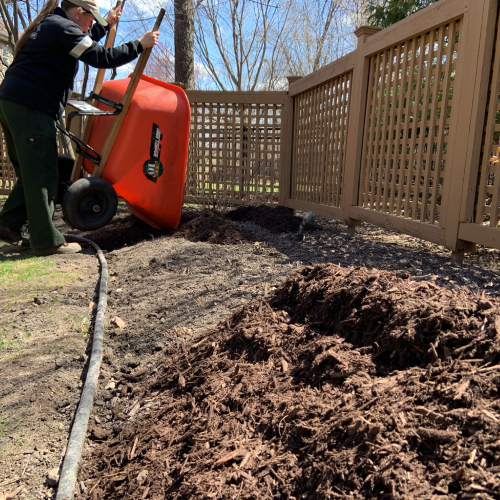
Credit: www.carringtonlawn.com
Removing Landscape Fabric
Landscape fabric can help control weeds under mulch. Sometimes, you need to remove it to keep your garden healthy.
Removing old or damaged fabric lets you improve soil and plant growth. Use safe methods to avoid harming the soil.
Signs To Replace Fabric
Look for these signs to know when to replace landscape fabric:
- Fabric is torn or broken in many spots
- Weeds grow through or on top of the fabric
- Soil under fabric looks compacted or unhealthy
- Mulch does not stay in place properly
Safe Removal Methods
Follow these safe steps to remove landscape fabric without hurting your garden:
- Cut mulch away from the fabric carefully
- Use gloves to pull up the fabric slowly
- Remove any stakes or pins holding the fabric
- Dispose of the old fabric properly
- Check for leftover pieces and remove them
Soil Restoration Tips
After removing fabric, help your soil recover with these tips:
| Tip | Description |
| Loosen Soil | Use a garden fork to break up compacted areas |
| Add Compost | Mix organic compost to improve nutrients and texture |
| Water Deeply | Water the soil well to help plants absorb nutrients |
| Mulch Lightly | Apply a thin layer of mulch to protect the soil |
Frequently Asked Questions
Does Landscape Fabric Prevent Weeds Under Mulch?
Yes, landscape fabric acts as a barrier, reducing weed growth beneath mulch. It blocks sunlight, limiting weed seed germination while allowing water and air to pass through. However, some persistent weeds may still grow over time.
Can Landscape Fabric Improve Mulch Durability?
Landscape fabric helps mulch last longer by preventing soil mixing and reducing erosion. It keeps mulch layers stable, minimizing the need for frequent replenishment. This extends the mulch’s effectiveness and maintains a neat garden appearance.
Is Landscape Fabric Necessary Under Mulch?
Landscape fabric is not always necessary but beneficial in high-weed areas. It helps control weeds and maintains soil moisture. For low-maintenance gardens, you may skip fabric and rely on thick mulch layers instead.
Will Landscape Fabric Harm Soil Or Plants?
No, quality landscape fabric is designed to be breathable and non-toxic. It allows water and nutrients to reach plant roots while controlling weeds. Proper installation ensures it won’t suffocate soil or damage plants.
Conclusion
Using landscape fabric under mulch can help control weeds effectively. It also keeps soil from washing away during rain. But it might stop water and air from reaching plant roots. Choose fabric carefully and place mulch properly for best results.
Think about the type of plants and soil in your garden. A good balance between fabric and mulch can make your garden healthier. Experiment and watch how your garden responds over time. This way, you find what works best for your plants and soil.