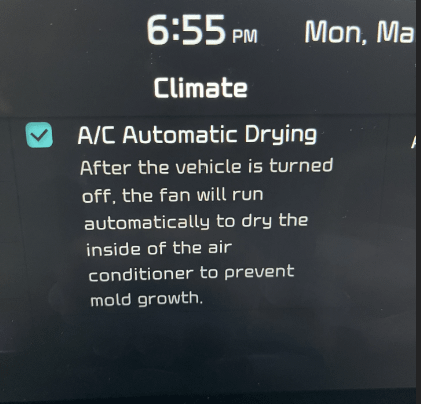
Have you ever wondered whether you should turn off your car’s air conditioner before switching off the engine? It might seem like a small detail, but what you do can affect your car’s performance and even your comfort the next time you drive.
You’ll discover the simple steps that can help protect your vehicle and save you money in the long run. Keep reading to find out why this little habit matters more than you think—and how it can make a difference for your car every day.

Credit: www.youtube.com
How Car Air Conditioners Work
Car air conditioners keep you cool by removing heat from inside the car. They use a special system to cool and dry the air.
This system relies on several parts working together to make cold air flow into the cabin. Understanding these parts helps answer if you should turn off the AC before switching off the car.
Basic Mechanism
The car air conditioner works by moving a refrigerant through a closed loop. This refrigerant absorbs heat inside the car and releases it outside.
- The refrigerant starts as a low-pressure gas.
- The compressor raises its pressure and temperature.
- Hot gas flows to the condenser where it cools down and becomes liquid.
- The liquid refrigerant passes through an expansion valve, lowering its pressure.
- Cold refrigerant absorbs heat from inside the car through the evaporator.
- The refrigerant changes back to gas and returns to the compressor.
Role Of The Compressor
The compressor is the heart of the air conditioning system. It pumps the refrigerant and keeps it flowing through the system.
| Component | Function |
| Compressor | Compresses refrigerant gas to high pressure |
| Condenser | Cools gas into liquid by releasing heat outside |
| Expansion Valve | Reduces pressure of refrigerant before entering evaporator |
| Evaporator | Absorbs heat inside car, cooling the air |
Impact On Engine Load
Running the air conditioner puts extra load on the car engine. The compressor uses power from the engine belt to work.
The extra engine load affects fuel consumption and power:
- Higher engine load uses more fuel.
- Engine power drops slightly when AC runs.
- Turning off AC before engine stops can reduce sudden engine strain.

Credit: www.carparts.com
Effects Of Turning Off Ac Before Engine
Many drivers wonder if they should turn off their car’s air conditioner (AC) before switching off the engine. This question relates to how the AC system and engine work together.
Understanding the effects of turning off the AC before the engine can help maintain your car’s performance and avoid damage.
Potential Benefits
Turning off the AC before the engine may help in several ways. It reduces the load on the engine just before shutdown. This can protect engine components and save fuel.
- Prevents extra strain on the engine at shutdown
- May extend the life of the AC compressor
- Helps avoid battery drain by stopping electrical load early
- Improves overall fuel efficiency slightly
Possible Drawbacks
There are few drawbacks, but some drivers report discomfort or minor issues. Turning off the AC too early can cause the cabin to heat up quickly. Also, it may not make a big difference in some car models.
| Drawback | Description |
| Cabin Heat Rise | Stopping AC early causes quick temperature rise inside car |
| Minimal Engine Impact | Some modern engines handle AC load well, so no clear benefit |
| Driver Discomfort | May feel uncomfortable if cabin gets hot during short stops |
Expert Opinions
Many mechanics suggest turning off the AC before the engine. They say it reduces strain on the compressor and engine parts. Some experts recommend waiting a minute with the AC off before shutting the engine.
- Switch off AC 30 seconds to 1 minute before engine shutdown
- Let the engine idle with AC off to cool the system
- Avoid switching off engine immediately with AC running
Engine And Ac Interaction
Many drivers wonder if they should turn off the air conditioner before switching off the car. The engine and AC system work closely together. Understanding their interaction helps protect your vehicle.
The air conditioner uses power from the engine. This connection affects engine parts and fuel use. Let’s look at what happens when you leave the AC on or off before turning off the car.
Idling With Ac On
Idling means running the engine without moving. When the AC is on during idling, the engine works harder. It needs extra power to run the AC compressor.
Running AC while idling can cause the engine to heat up more. This may lead to faster wear if done for a long time. It is best to keep idling short if you use AC.
Stress On Engine Components
The AC system puts stress on engine parts like the compressor and belts. Turning off the AC before the engine stops helps reduce this stress. The parts can cool down properly.
Stopping the engine with the AC still running can cause damage over time. It may shorten the life of the compressor and other parts. This can lead to costly repairs later.
Fuel Consumption Considerations
The AC uses extra fuel because it makes the engine work harder. Leaving the AC on while idling wastes fuel. Turning off the AC before stopping the car can save fuel.
- AC running increases fuel use by up to 10%
- Turning AC off before stopping reduces fuel waste
- Less fuel use means lower costs and emissions
Modern Cars Vs Older Models
Many drivers wonder if they should turn off the air conditioner before turning off the car. The answer depends on the car’s age and design. Older cars and modern cars use different technology.
This article explores how air conditioning systems work in older and newer vehicles. It also explains manufacturer advice for using the AC properly.
Technological Advances
Modern cars have advanced engines and electronics. These changes affect how the AC system runs. New cars often use electric compressors that need less engine power.
- Older cars use belt-driven AC compressors linked to the engine.
- New cars may have electric compressors powered by the battery.
- Electric AC compressors keep cooling even when the engine stops briefly.
- Modern cars often include sensors to protect the AC system.
Ac System Design Changes
The design of air conditioning systems has changed a lot. Older models require the engine to run for the AC to work. Turning off the car stops the compressor immediately.
| Feature | Older Models | Modern Cars |
| Compressor Type | Engine-driven belt | Electric or engine-driven |
| AC Operation After Engine Off | Stops immediately | May continue briefly |
| System Protection | Basic | Advanced sensors and controls |
| Energy Source | Engine power | Battery and engine power |
Manufacturer Recommendations
Car makers give advice on using air conditioners to protect the system. Following their guidelines helps extend the AC’s life and avoid damage.
- Turn off the AC a minute before turning off the engine in older cars.
- In modern cars, it is usually safe to turn off the car with the AC running.
- Check the owner’s manual for model-specific instructions.
- Keep the AC system maintained for best performance.
Practical Tips For Car Ac Usage
Using your car’s air conditioner correctly can help it last longer. It also saves fuel and keeps you comfortable.
One common question is whether to turn off the AC before turning off the car engine. Let’s explore some useful tips.
Optimal Ac Shutdown Practices
It is best to turn off the air conditioner a few minutes before you switch off the car. This allows the system to cool down properly.
Running the AC with the engine off can drain the battery. Turning off the AC first avoids this problem.
- Turn off AC 2-3 minutes before engine shutdown
- Keep windows slightly open if parked in heat
- Let the system run without AC before turning off
Maintaining Ac System Health
Proper use helps protect the AC compressor and other parts. Avoid sudden stops of the AC system to reduce wear.
Regular maintenance like cleaning filters and checking coolant keeps the AC working well. This prevents costly repairs.
- Turn off AC before engine to prevent compressor stress
- Service AC system every 1-2 years
- Clean or replace cabin air filter often
Saving Fuel And Extending Engine Life
The AC uses engine power and fuel. Turning off the AC before the engine can reduce fuel use slightly over time.
Letting the engine run without AC for a short time lowers engine load. This helps the engine last longer.
- Turn off AC first to reduce engine load
- Use AC only when needed to save fuel
- Park in shade to reduce AC use

Credit: www.msn.com
Frequently Asked Questions
Should I Turn Off Ac Before Switching Off Car?
Yes, turning off the AC before the car prevents compressor strain. It helps avoid potential damage to the AC system and ensures a longer lifespan for the compressor.
What Happens If I Turn Off Car With Ac On?
Turning off the car with AC on can cause compressor damage. The AC system stops abruptly, which may lead to costly repairs and reduced efficiency.
Does Turning Off Ac First Save Car Battery?
Turning off the AC before the engine reduces battery load. It prevents unnecessary power draw, helping maintain battery health and ensuring smooth engine shutdown.
How Long Should I Wait Before Turning Off Car Ac?
Wait about 30 seconds after turning off AC before switching off the car. This allows the compressor to cool down and prevents mechanical wear.
Conclusion
Turning off the air conditioner before stopping your car helps protect the system. It prevents damage to the compressor and saves energy. This small step can extend your car’s AC life. It also keeps your car running smoothly. Remember, a little care goes a long way.
Try this habit for better car maintenance. Your AC will thank you with longer service. Simple and smart.