Are you wondering if you should turn off your air conditioner when you’re not home? It’s a common question with more to consider than you might think.
Turning off your AC could save money, but could it also make your home uncomfortable or increase energy use later? What’s the smartest choice for your comfort and your wallet? Keep reading to uncover the surprising facts that will help you make the best decision for your home and budget.

Credit: www.goodhousekeeping.com
Energy Savings With Ac Management
Turning off the air conditionerwhen not home can save a lot of energy. The AC uses power even when cooling an empty house. This wastes electricity and raises bills.
Keeping the AC off allows the temperature to rise naturally. This reduces energy consumptionwithout harming your home.
Using a timer or smart thermostat helps control the AC. Set it to start cooling before you return. This keeps the home comfortable without running all day.
- Turn off AC during long absences.
- Use programmable thermostats for better control.
- Keep blinds closed to reduce heat inside.
- Maintain your AC regularly for best efficiency.

Credit: www.bhg.com
Impact On Electricity Bills
Turning off the air conditioner when not home can save electricity. The AC uses power even if no one is inside. Running it all day increases your electricity bill.
However, turning it off means the house gets hot. The AC will work harder to cool it later. This can use more energy in a short time.
- Turning off:Saves energy during long absences.
- Leaving on:Keeps temperature steady but uses more power.
- Thermostat use:Setting a higher temperature saves energy.
Smart thermostats help by adjusting temperature automatically. They balance comfort and energy use well.
Effect On Ac Lifespan
Turning off the air conditioner when not home can help extend its lifespan. Running an AC nonstop causes more wear and tearon parts like the compressor and fan. This can lead to early breakdownsand expensive repairs.
Short cycles of turning the AC on and off may stress the system. But, giving it a rest by turning off during long absences helps reduce overall usage. This means the unit works less and lasts longer.
- Less running time reduces energy consumption.
- Parts stay cooler and avoid overheating.
- Fewer hours of operation lower mechanical fatigue.
- Turning off prevents dust buildupand clogging.
Smart Thermostat Benefits
Smart thermostatssave energy by adjusting temperature automatically. They learn your schedule and cool only when needed. This prevents wasting power when no one is home.
Remote control via phone lets you change settings from anywhere. No need to guess if the AC is off or on. This keeps your home comfortable and saves money.
- Energy savings:Use less power by running AC smartly.
- Convenience:Control temperature remotely with an app.
- Comfort:Home feels cool when you arrive.
- Cost-effective:Lower electricity bills over time.
Programming Ac For Efficiency
Programming the AC helps save energy and money. Set the temperature higher when no one is home. This prevents cooling an empty space.
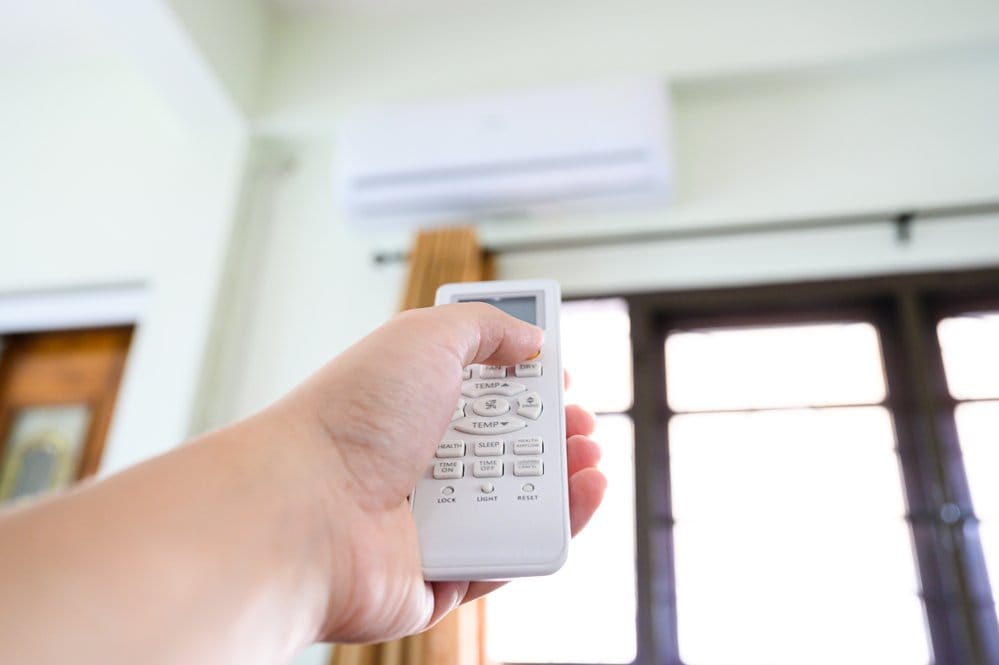
Use a timer or smart thermostat to control running times. It cools the house before you return. This keeps rooms comfortable without wasting power.
- Set temperature 4-6 degrees higher when away.
- Start cooling 30 minutes before arrival.
- Use energy-saving mode if available.
- Adjust settings seasonally for best results.
Proper programming reduces wear on the AC unit. It also lowers electricity bills by running less. Smart controls make this easy and effective.
Environmental Considerations
Turning off the air conditioner when not home helps save energyand reduces carbon footprint. It lowers electricity use, which means less pollution from power plants.
Running the AC all day wastes energy. It also adds to greenhouse gas emissionsthat harm the planet. Saving energy supports environmental protection.
- Less energy use means fewer fossil fuels burned.
- Reduces air pollution and helps fight climate change.
- Extends the life of your air conditioner by using it less.
Alternative Cooling Solutions
Using fans can help keep air moving and make rooms feel cooler.
Close curtains or blinds to block sunlight and heat.
Planting trees or bushes near windows can reduce heat entering your home.
Portable air coolers use less electricity and can cool small areas well.
Setting your thermostat a little higher saves energy but still keeps comfort.
Ventilation during cooler times of the day helps lower indoor temperature.
- Ceiling fans
- Window fans
- Portable air coolers
- Shade from curtains or plants
- Natural ventilation in early morning or evening
Common Misconceptions
Many people think turning off the air conditioner saves more energy. This is not always true. Air conditioners use more power when they cool a very hot room quickly. Keeping it on at a higher temperature uses less energy over time.
Some believe that turning off the AC damages the unit. Modern air conditioners are built to handle on and off cycles. Frequent switching may not harm the system but setting a reasonable temperature can help.
- Turning off AC can make the room very hot.
- Cooling a hot room quickly uses more energy.
- Keeping AC at a higher temperature saves power.
- Modern units handle on/off cycles well.
Credit: deepchill.com.au
Frequently Asked Questions
Should I Turn Off The Ac When Leaving Home?
Turning off the AC saves energy and reduces electricity bills. It prevents unnecessary cooling when no one is home. However, in very hot climates, maintaining a moderate temperature can protect your home and AC system.
Does Turning Off Ac Affect Its Lifespan?
Turning off the AC can extend its lifespan by reducing wear and tear. Continuous running strains the compressor and components. Proper maintenance and timely use prevent breakdowns and improve efficiency, helping your AC last longer.
Will My Home Get Too Hot If Ac Is Off?
Yes, indoor temperatures can rise quickly without AC. This may cause discomfort and damage to heat-sensitive items. Using a programmable thermostat or smart AC controls helps maintain a safe temperature while saving energy.
Is It More Energy-efficient To Turn Off Ac Or Keep It On?
Turning off the AC when away is usually more energy-efficient. Running the AC continuously consumes more power. Using smart thermostats to adjust settings based on occupancy balances comfort and energy savings.
Conclusion
Turning off the air conditioner when not home saves energy and money. It helps reduce electricity bills and lowers environmental impact. Your home stays cool enough without running the AC all day. You can set a timer or use a smart thermostat for control.
This way, the air conditioner runs only when needed. Small changes like this make a big difference over time. Think about your comfort and savings. Simple steps keep your home cool and your costs down.