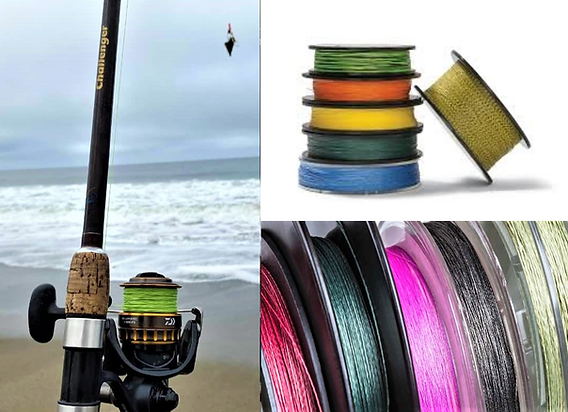
Are you wondering if braided fishing line is the right choice for your next fishing trip? Choosing the right fishing line can make a big difference in your success on the water.
Braided line promises strength, sensitivity, and durability—but is it really worth it for you? You’ll discover the key benefits and drawbacks of braided fishing line, helping you decide if it fits your style and needs. Keep reading to find out how this type of line could change the way you fish.

Credit: www.amazon.com
Benefits Of Braided Fishing Line
Braided fishing line is popular among anglers for many reasons. It offers unique advantages over other fishing lines.
This type of line can improve your fishing experience in different ways. Let’s explore its main benefits.
Strength And Durability
Braided lines are made from several fibers woven tightly together. This gives them high strength without adding thickness.
They can handle heavy loads and resist wear better than many other lines. This makes them last longer in tough conditions.
- Stronger than monofilament of the same diameter
- Less stretch means better control under pressure
- Resists abrasion from rocks and sharp objects
Sensitivity And Bite Detection
Braided lines transmit vibrations well. This helps anglers feel even small bites or movements underwater.
Better sensitivity allows quicker reactions. It improves chances of hooking fish before they spit the bait.
- Minimal stretch delivers clear feedback
- Easy to detect subtle bites
- Improves hook setting speed
Casting Distance And Accuracy
Thin diameter and smooth surface of braided line reduce friction during casting. This helps cast farther and with more control.
Better casting distance lets you reach spots that are harder to access. Accuracy helps place the bait exactly where you want it.
- Thin line cuts through air easily
- Smoother surface reduces friction on guides
- Improves both distance and precision
Types Of Braided Lines
Braided fishing lines come in different types. Each type suits different fishing needs.
Knowing the types helps you pick the right line for your fishing style.
Material Variations
Braided lines are made from several materials. Each material has unique strength and stretch.
Common materials include Spectra, Dyneema, and polyethylene blends. These offer good durability and sensitivity.
- Spectra: Strong and low stretch
- Dyneema: Lightweight and durable
- Polyethylene: Affordable and flexible
Diameter Differences
Braided lines come in many diameters. Thinner lines offer less water resistance and better casting.
Thicker lines have higher strength but can be more visible and less sensitive.
- Thin diameter: Good for light tackle and long casts
- Medium diameter: Balanced strength and sensitivity
- Thick diameter: Best for heavy cover and big fish
Color Options
Braided lines come in many colors. Some colors help with visibility above water.
Other colors blend into water to avoid spooking fish. Choose color based on your fishing needs.
- Bright colors: Easy to see on the water surface
- Camouflage colors: Blend with water for stealth
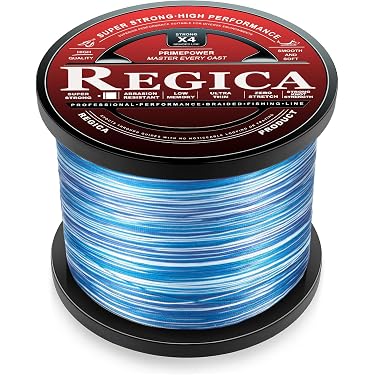
- Multi-color: Change colors every few yards for depth tracking
Comparing Braided Line With Other Lines
Anglers often wonder if they should use braided fishing line. This guide compares braided line with other types of fishing lines.
We will look at how braided line stacks up against monofilament and fluorocarbon lines. Each type has its unique benefits and drawbacks.
Braided Vs Monofilament
Braided line is made from woven fibers, while monofilament is a single strand of material. This difference affects their performance.
- Strength: Braided line is typically stronger than monofilament for the same diameter.
- Visibility: Monofilament is less visible underwater compared to braided line.
- Stretch: Monofilament has more stretch, which can be beneficial for certain fishing techniques.
Braided Vs Fluorocarbon
Fluorocarbon line is known for its low visibility and sensitivity. Let’s compare it with braided line to see which suits your needs better.
| Property | Braided Line | Fluorocarbon Line |
| Visibility | High | Low |
| Sensitivity | Very High | High |
| Abrasion Resistance | Moderate | High |
Best Uses For Braided Line
Braided fishing line is strong and thin. It has little stretch and lasts long. Many anglers choose it for different fishing needs.
This line type works well in many water types and fishing styles. It helps catch fish that need power and sensitivity.
Freshwater Fishing
Braided line works well in freshwater lakes and rivers. Its strength helps when fishing around weeds or rocks. It does not break easily when snagged.
Many anglers use braided line for bass, pike, or catfish. Its thin diameter allows for longer casts and better lure control.
Saltwater Fishing
Braid is a good choice for saltwater fishing. It resists abrasion from salt and rough surfaces. It helps in deep sea or surf fishing.
Use braided line for big fish like tuna or snapper. It holds up well against sharp teeth and strong pulls.
Targeting Specific Fish Species
Different fish need different line features. Braided line offers high strength and low stretch, ideal for certain species.
It works best for fish that fight hard or live in heavy cover. The line helps anglers feel bites and set hooks fast.
- Bass: braid cuts through weeds and brush
- Trout: braid is sensitive for light bites
- Catfish: braid handles heavy weights and strong runs
- Saltwater species: braid resists salt and sharp teeth
Common Challenges With Braided Line
Braided fishing line has many strengths. It is strong and thin. Still, it also comes with some challenges. Knowing these helps you fish better.
This article covers three common challenges: line visibility, knot tying techniques, and abrasion resistance. Each affects how you use braided line.
Line Visibility
Braided line is usually more visible in water than other lines. Fish may see it and avoid the bait. This can reduce your catch rate.
Clear water and bright light make the line easier to see. Using a leader with less visible material can help. Some anglers choose line colors that blend with water.
- Choose green or blue line for clear water
- Use a fluorocarbon leader to hide the line near bait
- Fish early or late in the day to reduce visibility
Knot Tying Techniques
Braided line is slippery and thin, making knots tricky. Some knots may slip or fail under pressure. Learning the right knots improves your fishing.
Popular knots for braided line include the Palomar knot and the Double Uni knot. These knots hold well and are easier to tie with slippery lines.
- Keep knots tight and wet before pulling
- Trim tag ends close to the knot
- Practice knot tying before fishing trips
Abrasion Resistance
Braided line resists stretching but may wear down from rubbing on rocks or debris. Abrasion can weaken the line and cause breaks.
Inspect your line often for frays or cuts. Replace the line if you see damage. Using a shock leader can protect the braided line from rough surfaces.
- Check line after every few casts
- Avoid dragging line over sharp objects
- Use a leader with better abrasion resistance

Credit: www.reddit.com
Tips For Choosing Braided Line
Choosing the right braided fishing line can improve your fishing experience. It helps to match your gear and fishing needs properly.
Consider your rod and reel, fishing conditions, and budget before buying braided line.
Matching Line Strength To Rod And Reel
Check the recommended line strength for your rod and reel. Using too strong or weak line can cause problems.
Look at the pound test rating on your rod and choose a braided line within that range.
| Rod Rating (Pound Test) | Suggested Braided Line Strength |
| 6-12 lbs | 6-12 lbs |
| 12-20 lbs | 12-20 lbs |
| 20-30 lbs | 20-30 lbs |
| 30-50 lbs | 30-50 lbs |
Considering Fishing Conditions
Think about the water type and fish you want to catch. Different conditions need different line features.
- Clear water: Use thinner, less visible line
- Heavy cover: Choose thicker, stronger line
- Saltwater: Pick line with high abrasion resistance
- Freshwater: Standard braided line works well
Budget And Brand Considerations
Price affects the quality and durability of braided line. Choose a brand that fits your budget and has good reviews.
Here is a simple comparison of braided line brands and prices:
| Brand | Price per 100 yards | Durability | Customer Rating |
|---|---|---|---|
| Brand A | $15 | High | 4.5/5 |
| Brand B | $10 | Medium | 4.0/5 |
| Brand C | $7 | Low | 3.5/5 |
Maintenance And Care
Taking good care of your braided fishing line helps it last longer. Proper maintenance keeps the line strong and ready for fishing.
Simple steps like storing, cleaning, and knowing when to replace the line make a big difference. These steps protect your investment.
Proper Storage
Store your braided line in a cool, dry place. Avoid direct sunlight to stop the line from weakening.
Keep the line away from chemicals and sharp objects. Use a spool or line holder to prevent tangles and damage.
- Use a sealed container or bag to keep dust off
- Keep the line away from heat sources
- Store spools horizontally to reduce pressure on the line
Cleaning Braided Line
After fishing, rinse your braided line with fresh water. This removes salt, dirt, and debris that can cause damage.
Gently wipe the line with a soft cloth. Avoid harsh chemicals or scrubbing, which can weaken the fibers.
- Use fresh water to rinse the line
- Dry the line completely before storing
- Check for any dirt or salt buildup regularly
When To Replace
Replace your braided line if you see fraying or cuts. Damaged line can break easily and cause lost fish.
Also, change the line if it feels stiff or loses its smoothness. Old line loses strength over time, even if it looks fine.
- Look for visible damage on the line
- Replace if the line feels rough or stiff
- Change the line after heavy use or long storage
Credit: www.amazon.com
Frequently Asked Questions
What Are The Benefits Of Using Braided Fishing Line?
Braided fishing line offers superior strength and sensitivity. It resists abrasion well and has minimal stretch, enhancing hook sets. Its thin diameter allows for longer casting. This line is ideal for heavy cover fishing and provides better control in tough conditions.
Is Braided Fishing Line Suitable For Beginners?
Yes, braided line can be good for beginners due to its durability. However, it can be tricky to handle because of its thin and slippery texture. Beginners should practice knot tying and casting techniques to avoid line damage or slippage.
How Does Braided Line Compare To Monofilament?
Braided line is stronger and thinner than monofilament of the same strength. It has almost no stretch, improving sensitivity. Monofilament is more forgiving and easier to handle, making it better for novices. Braided line is best for heavy cover and long casts.
Can Braided Fishing Line Affect Casting Distance?
Yes, braided line generally improves casting distance due to its thin diameter and smooth surface. It reduces friction on the rod guides, allowing longer, more accurate casts. Anglers targeting long-range fishing often prefer braided line for this reason.
Conclusion
Braided fishing line offers strength and sensitivity for many anglers. It handles heavy fish and rough conditions well. Its thin diameter lets you cast farther and feel bites easily. Some may find it less stretchable, which suits certain fishing styles.
Choose braided line if you want durability and better control. It works best in clear water and heavy cover. Overall, braided line fits many fishing needs but consider your style first. Try it out, and see if it matches your fishing goals.