Are you planning to lay gravel for your driveway, garden path, or patio? You might be wondering if using landscape fabric underneath is really necessary.
The right choice can save you time, money, and a lot of future headaches. Imagine having a gravel surface that stays neat, weed-free, and stable for years to come. You’ll discover the key benefits and potential drawbacks of using landscape fabric under gravel.
By the end, you’ll know exactly what’s best for your project and how to get the most out of your gravel surface. Keep reading to make a smart decision that protects your investment and keeps your outdoor space looking great.
Benefits Of Landscape Fabric
Landscape fabric is a useful material for garden and yard projects. It lies under gravel or soil to help improve your outdoor space.
This fabric offers many benefits, from stopping weeds to helping water flow better. It also keeps the ground stable for longer.
Weed Prevention
One main reason to use landscape fabric is to block weeds. It stops weed seeds from growing through the gravel or soil.
- Blocks sunlight that weeds need to grow
- Reduces the need for chemical weed killers
- Keeps your garden looking neat and clean
Soil Stabilization
Landscape fabric helps keep soil in place under gravel or mulch. This prevents the soil from moving or washing away.
| Benefit | How It Works |
| Prevents soil erosion | Holds soil particles together |
| Supports gravel | Stops gravel from sinking into soil |
| Maintains level ground | Keeps surface even and stable |
Improved Drainage
Landscape fabric lets water pass through while keeping soil in place. This helps avoid puddles and water build-up.
Good drainage helps plants stay healthy and stops damage to walkways. Landscape fabric acts like a filter:
- Allows water to flow down
- Prevents soil from washing away
- Reduces mud and mess in wet areas

Credit: serbu.ca
Types Of Landscape Fabric
Landscape fabric helps control weeds and supports gravel areas. Choosing the right type matters for your garden or pathway.
This guide explains the main types of landscape fabric and their benefits.
Woven Vs Non-woven
Woven fabric is made by weaving threads tightly together. It lets water pass but blocks weeds well. Non-woven fabric is made by pressing fibers into a mat. It offers better water flow and root protection.
- Woven fabric:Strong and durable, good for heavy use areas.
- Non-woven fabric:Softer and thicker, better for plant roots.
- Water permeability:Non-woven allows more water through than woven.
- Weed control:Both block weeds but woven is more effective.
Durability And Lifespan
| Fabric Type | Typical Lifespan | Durability Features |
|---|---|---|
| Woven | 5 to 10 years | Strong threads resist tearing and wear |
| Non-Woven | 3 to 7 years | Thicker material but can break down faster |
Choose fabric based on how long you want it to last and how tough your area is.
When To Use Landscape Fabric
Landscape fabric can be helpful under gravel. It keeps weeds away and gravel in place. Decide if it is right for your project.
Think about the type of project you have. Some projects need landscape fabric. Others can do without it. Consider the benefits and needs.
Ideal Gravel Projects
Landscape fabric is good for paths and driveways. It stops gravel from mixing with soil. It also keeps weeds from growing up.
Use it for garden paths and patios. It makes them last longer. It also saves time on maintenance.
- Gravel driveways
- Garden paths
- Patios and sitting areas
Soil And Climate Considerations
Check the soil type in your area. Sandy soil drains well but can shift. Clay soil holds water and can cause problems.
Climate affects your choice. Wet climates may need fabric to prevent erosion. Dry areas might not need it as much.
- Sandy soil benefits from fabric
- Clay soil might need extra drainage
- Wet climates need fabric to stop erosion
Credit: mulchpros.com
Common Drawbacks
Using landscape fabric under gravel can seem like a good idea. It helps stop weeds and keeps gravel in place. Still, there are some common drawbacks to think about before using it.
Knowing these drawbacks helps you decide if landscape fabric is right for your project. Two main issues are drainage problems and fabric breaking down over time.
Potential Drainage Issues
Landscape fabric can block water from flowing through the gravel. This can cause water to build up under the fabric. Standing water can damage the gravel base and cause erosion.
Poor drainage may also lead to muddy or soft spots. These spots can make your gravel surface uneven and less stable over time.
- Water pools under fabric instead of draining
- Soft spots form where water collects
- Gravel base may erode faster
- Surface becomes uneven and unstable
Fabric Degradation Over Time
Landscape fabric does not last forever. Sunlight, water, and soil can break it down. Over time, the fabric may tear or rot, losing its strength.
When fabric breaks down, weeds can grow through it. Gravel may also mix with the soil below, reducing its effectiveness.
- Fabric tears or rots after years of use
- Weeds grow through damaged areas
- Gravel mixes with soil below fabric
- Maintenance becomes harder and more frequent
Installation Tips
Using landscape fabric under gravel helps control weeds and stabilize the surface. Proper installation is key for the fabric to work well and last long.
Follow these tips to prepare your site, place the fabric correctly, and secure it firmly before adding gravel.
Site Preparation
Clear the area of any plants, roots, and debris. Remove topsoil if it is loose to create a firm base. Level the ground to avoid uneven spots.
- Remove grass and weeds completely.
- Dig down 2 to 4 inches for a solid base.
- Compact the soil to prevent sinking.
- Fix slopes or dips to ensure proper drainage.
Proper Fabric Placement
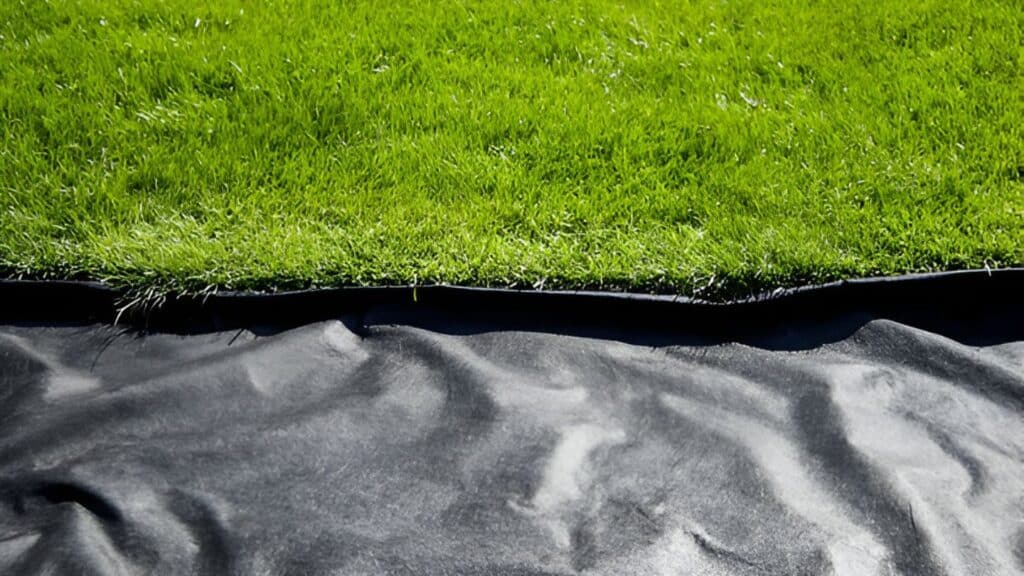
Unroll the fabric across the entire area. Overlap edges by at least 6 inches to stop weeds from growing through gaps. Cut the fabric to fit corners and curves.
| Fabric Placement Tip | Reason |
| Overlap edges 6 inches or more | Prevent weed growth between seams |
| Lay fabric flat without wrinkles | Avoid uneven gravel surface |
| Cut fabric carefully around plants or obstacles | Maintain weed control and neat appearance |
Securing The Fabric
Anchor the fabric to keep it from moving during gravel installation. Use stakes or pins around the edges and in the middle sections.
- Place stakes every 3 to 4 feet along edges.
- Add extra pins in high traffic areas.
- Use U-shaped landscape staples for strong hold.
- Check fabric tension before adding gravel.

Credit: www.yahoo.com
Alternatives To Landscape Fabric
Landscape fabric is popular under gravel to stop weeds. Some people look for other choices. These options can be simple and cost-effective.
Below are two common alternatives. Each has benefits and drawbacks. You can pick what fits your yard best.
Plastic Sheeting
Plastic sheeting blocks water and weeds well. It stops weeds from growing under gravel. It is cheap and easy to install. But it does not let water soak into the soil.
- Blocks weed growth completely
- Inexpensive and widely available
- Can cause water to pool on top
- May break down in sunlight over time
- Does not improve soil health
Natural Mulch Options
Natural mulches like wood chips or bark slow weed growth. They let water and air reach the soil. Mulch improves soil quality as it breaks down. These mulches need regular replacing.
| Mulch Type | Weed Control | Water Permeability | Soil Benefits | Maintenance |
| Wood Chips | Good | High | Improves soil over time | Replace yearly |
| Bark Mulch | Moderate | High | Improves soil | Replace yearly |
| Straw | Fair | High | Adds organic matter | Replace seasonally |
| Leaves | Fair | High | Good for soil | Replace yearly |
Cost And Maintenance
Using landscape fabric under gravel can affect both your initial costs and the upkeep needed later. It helps control weeds and keeps gravel in place.
Understanding the cost and maintenance involved will help you decide if landscape fabric is right for your project.
Initial Investment
Landscape fabric adds to your upfront expenses. You must buy the fabric and sometimes extra tools for installation. The cost depends on the fabric quality and area size.
- Cost of fabric per square foot
- Tools for cutting and securing fabric
- Possible extra labor if professional help is needed
Long-term Upkeep
Landscape fabric lowers maintenance by reducing weed growth. It keeps gravel neat and stops mixing with soil below. But it can tear or clog over time.
| Maintenance Aspect | Without Fabric | With Fabric |
| Weed Growth | High | Low |
| Gravel Stability | Less Stable | More Stable |
| Fabric Replacement | Not Applicable | Occasional |
| Overall Upkeep | Frequent | Reduced |
Frequently Asked Questions
What Is The Purpose Of Landscape Fabric Under Gravel?
Landscape fabric prevents weed growth and soil mixing under gravel. It allows water drainage while keeping the gravel stable and clean. This reduces maintenance and prolongs the gravel’s appearance and function.
Does Landscape Fabric Improve Gravel Driveway Durability?
Yes, landscape fabric enhances gravel driveway durability by preventing soil erosion and gravel sinking. It keeps the gravel layer intact, reducing repairs and improving longevity.
Can I Install Landscape Fabric Myself Under Gravel?
Yes, installing landscape fabric under gravel is simple. Clear the area, lay the fabric flat, overlap edges, and secure it before adding gravel. It’s a DIY-friendly project that saves time and money.
Will Landscape Fabric Stop All Weeds Under Gravel?
Landscape fabric significantly reduces weeds but may not stop all. Some persistent weeds can grow through or around edges. Regular maintenance helps keep the area weed-free.
Conclusion
Using landscape fabric under gravel can help control weeds effectively. It also keeps gravel from sinking into the soil below. This layer improves drainage and makes the area look cleaner. Yet, fabric can wear out over time and may need replacement.
Think about your budget and how long you want the path or driveway to last. In many cases, fabric adds value and ease to gravel projects. Decide based on your needs and the site conditions. Gravel plus fabric often means less work in the future.
Simple, practical, and worth considering.