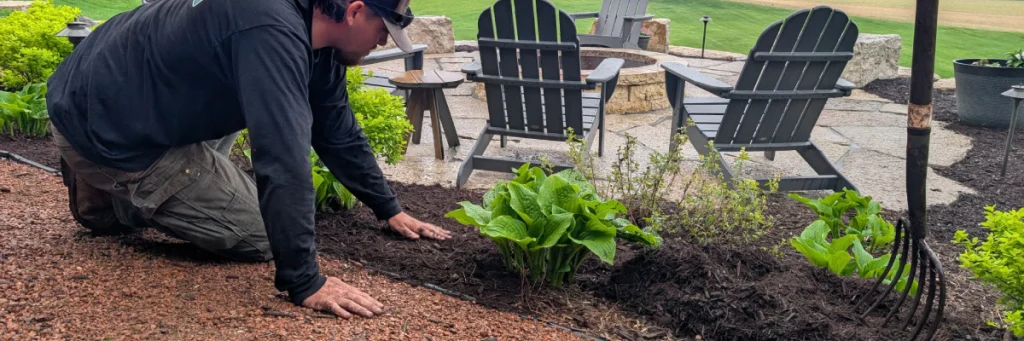
Are you tired of weeds popping up in your garden no matter how often you mulch? You might be wondering if using landscape fabric under mulch is the secret to a weed-free, healthy yard.
But is it really worth it? Before you lay down that fabric, it’s important to understand how it works and whether it fits your garden’s needs. Keep reading, and you’ll discover the surprising pros and cons that can help you decide if landscape fabric is the right choice for your outdoor space.
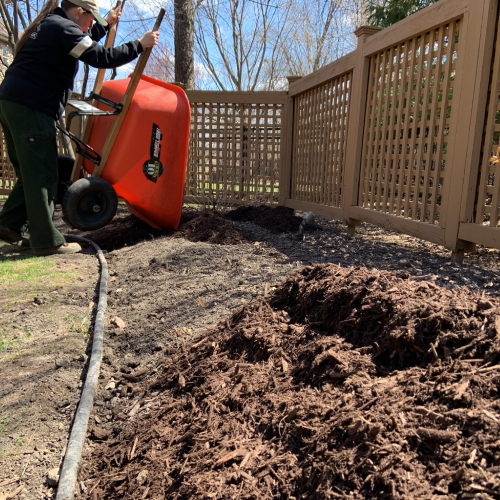
Credit: www.carringtonlawn.com
Benefits Of Landscape Fabric
Landscape fabric is a popular choice for gardeners and landscapers. It helps manage garden beds and paths effectively.
This fabric works under mulch to improve plant health and reduce maintenance tasks.
Weed Control
Landscape fabric blocks sunlight from reaching weed seeds. This stops weeds from growing through the mulch.
- Reduces time spent pulling weeds
- Limits weed growth without chemicals
- Keeps garden beds neat and tidy
Soil Moisture Retention
The fabric allows water to pass through but slows evaporation. This keeps soil moist longer.
Plants get steady moisture, which helps roots grow strong and healthy.
Erosion Prevention
| How Landscape Fabric Helps | Effect on Soil |
|---|---|
| Holds soil in place during heavy rain | Prevents soil washing away |
| Supports mulch layer | Stops mulch from moving too much |
| Reduces soil compaction | Keeps soil loose for roots |
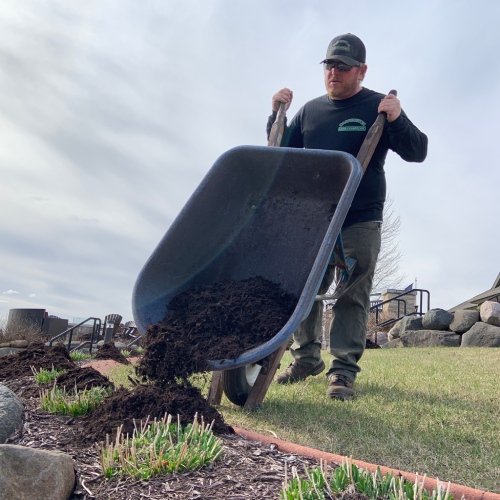
Credit: www.carringtonlawn.com
Types Of Landscape Fabric
Landscape fabric helps control weeds and maintain garden health. It is placed under mulch to prevent weed growth.
There are different types of landscape fabric. Each type serves unique purposes in gardening.
Woven Fabric
Woven fabric is made from tightly woven fibers. It is durable and allows water to pass through.
This type is ideal for areas with heavy foot traffic. It provides strength and prevents tearing.
- Strong and durable
- Allows air and water flow
- Good for high-traffic areas
Non-woven Fabric
Non-woven fabric is made from bonded fibers. It is softer than woven fabric and easy to cut.
It works well in garden beds and flower areas. It is less durable but effective for weed control.
- Softer texture
- Easy to cut and shape
- Good for flower beds
Plastic Sheeting
Plastic sheeting is a solid film made of plastic. It blocks water and light, preventing weed growth.
It is best used in vegetable gardens. It can help retain soil moisture but may need extra drainage.
- Blocks light completely
- Retains moisture in soil
- Needs proper drainage
When To Use Landscape Fabric
Landscape fabric helps control weeds and protects soil under mulch. It can improve garden health in some cases. You should know when using fabric makes sense.
This guide explains when to use landscape fabric. It covers new garden beds, high-weed areas, and sloped landscapes.
New Garden Beds
Use landscape fabric in new garden beds to stop weeds from growing. It blocks sunlight from reaching weed seeds. This helps young plants get a good start.
Fabric keeps the soil moist and prevents erosion. It is best to put fabric before adding mulch or soil on top.
High-weed Areas
In places with many weeds, fabric can reduce weed growth. It acts as a barrier that weeds cannot easily grow through. This lowers the need for weed pulling or chemicals.
Keep in mind some weeds may grow on top of the fabric. Regular mulch and garden care help control them.
Sloped Landscapes
Landscape fabric works well on slopes to stop soil from washing away. It holds soil in place under mulch. This prevents erosion caused by rain or wind.
Using fabric on slopes helps plants grow stronger roots. It keeps the soil steady and moist for better growth.
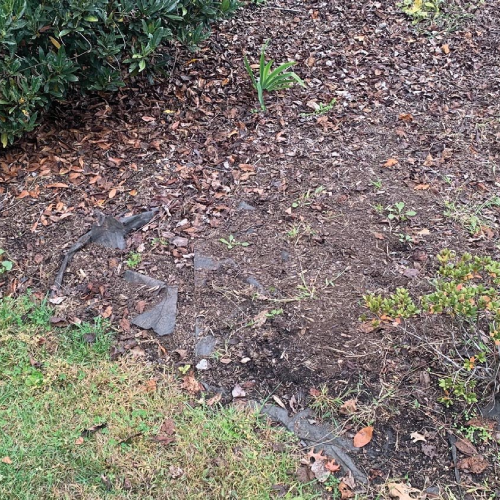
Credit: www.carringtonlawn.com
Potential Drawbacks
Using landscape fabric under mulch may seem helpful at first. It can reduce weeds and keep mulch in place. Still, some problems can come up over time.
It is important to know about these drawbacks before deciding to use landscape fabric in your garden or yard.
Soil Health Impact
Landscape fabric blocks natural materials from reaching the soil. This can stop leaves and organic matter from breaking down into the soil. Over time, the soil may lose nutrients and become less healthy for plants.
- The fabric prevents earthworms and insects from moving freely.
- Soil microbes get less food, which hurts soil life.
- Soil can become compacted and hard.
- Plant roots may not grow deeply through the fabric.
Drainage Issues
Landscape fabric can change how water moves through the soil. It may cause water to pool above the fabric. This creates wet spots that can harm plants. On the other hand, some fabrics stop water from reaching roots well enough.
| Problem | Effect |
| Poor Water Drainage | Water pools and causes root rot |
| Reduced Water Absorption | Plants get less moisture |
| Soil Drying Below Fabric | Plant roots dry out and struggle |
Long-term Maintenance
Landscape fabric needs work after it is placed. Over time, mulch breaks down and may clog the fabric. This makes fabric less effective and harder to clean. Removing old fabric is difficult and can disturb plants.
Signs of landscape fabric needing maintenance:
- Weeds growing through or on top of fabric
- Mulch sinking or washing away
- Fabric tearing or moving out of place
- Hard soil layers forming beneath fabric
Alternatives To Landscape Fabric
Landscape fabric is often used under mulch to block weeds. Some gardeners look for other ways to keep weeds down. These options can be easier to manage and better for the soil.
Here are some alternatives to using landscape fabric under mulch that work well in many gardens.
Organic Mulch Alone
Using organic mulch by itself helps control weeds naturally. Mulch like wood chips or straw covers the soil. This blocks sunlight, which stops weed seeds from growing.
Organic mulch also adds nutrients to the soil as it breaks down. It keeps soil moist and cool for plants.
- Use 2 to 4 inches of mulch for best weed control
- Replenish mulch yearly for continued benefits
- Choose mulch types like bark, straw, or leaves
Ground Covers
Planting ground covers is a natural way to reduce weeds. These plants grow close to the ground and spread fast. They take up space where weeds might grow.
Good ground covers help keep soil healthy and prevent erosion. They add green color and texture to your garden.
- Choose ground covers suited for your climate
- Examples include clover, creeping thyme, and ivy
- Ground covers need some care to spread well
Regular Weeding
Weeding by hand is a simple way to keep your garden clean. Pulling weeds early stops them from spreading seeds. This method works well in small gardens or flower beds.
Regular weeding helps plants grow better. It takes time but keeps your soil healthy without adding materials.
- Weed after rain when soil is soft
- Remove roots to prevent regrowth
- Wear gloves to protect your hands
Installation Tips For Best Results
Using landscape fabric under mulch can help control weeds and keep your garden neat. Proper installation is key for the best outcome.
Follow these tips to prepare the soil, place the fabric correctly, and choose the right mulch for your garden.
Preparing The Soil
Start by clearing the area of weeds, rocks, and debris. Smooth the soil surface to help the fabric lay flat.
Water the soil lightly to keep it moist but not muddy. This makes it easier to work with the fabric and mulch.
Proper Fabric Placement
Roll out the landscape fabric over the prepared soil. Make sure it covers the entire area without gaps.
Overlap edges by 6 to 12 inches to stop weeds from growing through seams. Secure the fabric with landscape staples or pins every few feet.
- Lay fabric flat without wrinkles
- Overlap seams by 6 to 12 inches
- Use staples or pins to hold fabric in place
Choosing The Right Mulch
Select mulch that allows water and air to reach the soil. Organic mulches like bark or wood chips work well over fabric.
Apply mulch at least 2 to 3 inches thick. Avoid mulch that is too fine or dense, as it can block water and cause fabric to rot.
- Use organic mulch like bark or wood chips
- Apply 2 to 3 inches thick mulch layer
- Avoid fine or dense mulch types
Frequently Asked Questions
What Is The Purpose Of Landscape Fabric Under Mulch?
Landscape fabric blocks weed growth while allowing water and air to pass. It helps reduce weed competition and keeps mulch in place, improving garden health and appearance.
Does Landscape Fabric Improve Mulch Longevity?
Yes, landscape fabric prevents soil mixing with mulch, reducing decomposition. This helps mulch last longer and maintain its effectiveness in moisture retention and temperature control.
Can Landscape Fabric Cause Drainage Problems?
Properly installed landscape fabric allows water to drain through. However, poor installation or low-quality fabric can cause water pooling and drainage issues.
Is Landscape Fabric Necessary For All Mulch Types?
Landscape fabric is beneficial for organic mulches like wood chips. For inorganic mulches such as gravel, fabric is usually recommended to prevent weed growth.
Conclusion
Using landscape fabric under mulch can help control weeds effectively. It also keeps the soil moist longer, saving water. But it may stop some nutrients from reaching the soil. Choosing the right fabric and mulch is important for garden health.
Remember, fabric works best in certain garden areas, not everywhere. Consider your plants’ needs before laying fabric. Overall, landscape fabric under mulch can be a useful tool if used wisely. It supports a cleaner, healthier garden with less work. Think about your garden goals before deciding.