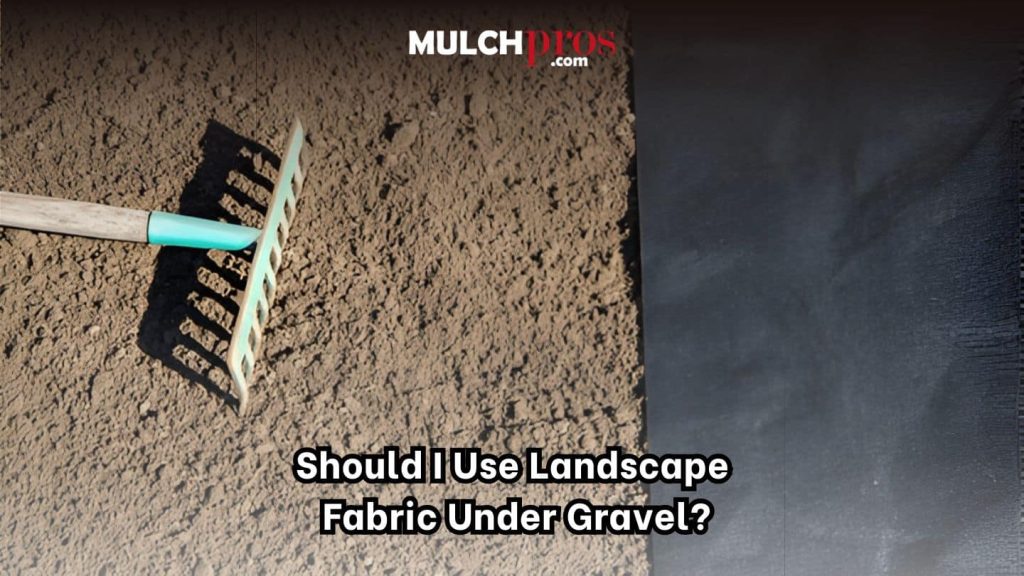
Are you tired of battling weeds in your garden or struggling with soil erosion? You might have heard about landscape fabric as a possible solution.
But is it really worth using? Before you decide, it’s important to understand how landscape fabric works and whether it fits your needs. You’ll discover the pros and cons, practical tips, and everything you need to know to make the best choice for your outdoor space.
Keep reading to find out if landscape fabric is the game-changer your garden has been waiting for.
Benefits Of Landscape Fabric
Landscape fabric helps gardeners keep their beds neat and healthy. It acts as a barrier between soil and plants.
Using landscape fabric can save time and effort in garden care. It offers several benefits that improve plant growth.
Weed Control Advantages
Landscape fabric blocks sunlight from reaching weed seeds. This stops most weeds from growing in your garden beds.
- Reduces the need for pulling weeds by hand
- Prevents weed roots from spreading
- Limits weed growth without chemicals
Moisture Retention
The fabric helps soil keep water longer. This means plants stay hydrated during dry spells.
| Benefit | Effect |
| Reduced evaporation | Soil stays moist longer |
| Less frequent watering | Saves time and water |
| Improved plant health | Better growth and yield |
Soil Erosion Prevention
Landscape fabric holds soil in place during rain or wind. It keeps garden beds stable and protects roots.
Key soil erosion benefits:
- Stops soil from washing away
- Keeps nutrients in the ground
- Supports healthy plant roots

Credit: www.highcountrylandscapesupply.com
Types Of Landscape Fabrics
Landscape fabrics help control weeds and manage soil erosion. They come in different types for various garden needs.
Choosing the right fabric depends on your garden plans. Each type offers unique features.
Woven Vs Non-woven Options
Woven fabrics are made by weaving threads together. They are strong and durable.
Non-woven fabrics are made by bonding fibers. They allow water to pass through easily.
- Woven fabrics last longer in gardens
- Non-woven fabrics are lighter and easier to cut
Biodegradable Fabrics
Biodegradable fabrics break down naturally over time. They are eco-friendly and good for the environment.
These fabrics are ideal for gardens that don’t need long-term weed control.
- Made from natural materials
- Safe for plants and soil
Durability Factors
The durability of landscape fabric depends on its material. Strong fabrics resist tearing and last longer.
Consider fabric strength when planning your garden. Stronger fabrics are better for heavy-duty use.
| Material | Durability |
| Polypropylene | High |
| Natural Fibers | Low |
Choosing The Right Fabric For Your Garden
Landscape fabric helps control weeds and keep soil healthy. Picking the right fabric means thinking about your garden’s needs.
This guide covers how to choose fabric based on your garden type, climate, and plants.
Assessing Garden Needs
Consider what you want from landscape fabric. Some fabrics block all light, while others let water through. Choose based on your garden’s purpose.
- Check if you want full weed control or partial.
- Decide if water drainage is important.
- Think about fabric strength for heavy foot traffic.
- Consider ease of installation and removal.
Climate Considerations
Climate affects fabric performance. Some fabrics last longer in sun and heat. Others work better in rainy areas.
| Climate Type | Recommended Fabric |
| Hot and Sunny | UV-resistant woven fabric |
| Wet and Rainy | Permeable fabric allowing water flow |
| Cold and Frosty | Thick fabric with frost resistance |
| Windy | Heavyweight fabric secured well |
Plant Compatibility
Some plants need different soil and light conditions. The fabric should not harm your plants.
Consider these points for plant compatibility:
- Choose fabrics that allow water and air to reach roots.
- Avoid fabrics that hold too much moisture and cause rot.
- Match fabric thickness to plant root depth.
- Use biodegradable fabrics for annual plants.
Proper Installation Techniques
Using landscape fabric correctly helps control weeds and keeps soil healthy. Good installation makes fabric last longer and work better.
This guide covers the main steps to install landscape fabric the right way for your garden or yard.
Preparing The Soil
Clear the area of all plants, rocks, and debris. Remove weeds completely to stop regrowth under the fabric.
Loosen the soil to improve drainage and help the fabric lay flat. Level the surface for better coverage.
Cutting And Laying Fabric
Measure the area carefully and cut the fabric to fit. Allow extra fabric to overlap edges by several inches.
- Unroll the fabric and position it over the prepared soil.
- Overlap fabric pieces by at least 6 inches to prevent weeds from growing through gaps.
- Cut holes or slits only where plants will grow to avoid gaps.
Securing And Covering
Fix the fabric firmly to the ground to stop it from shifting. Use staples or landscape pins spaced evenly.
| Material | Recommended Spacing |
| Landscape Staples | Every 12-18 inches |
| Landscape Pins | Every 12-18 inches |
Cover the fabric with mulch, gravel, or soil. This protects the fabric from sun damage and improves appearance.
Common Mistakes To Avoid
Landscape fabric can help control weeds and keep your garden neat. Using it the wrong way, though, can cause problems. Avoid these common mistakes to get better results.
Learn about issues like overlapping fabric, ignoring drainage, and using fabric with plants that do not work well with it. Fixing these will protect your garden and soil.
Overlapping Issues
Overlapping landscape fabric too much or too little can cause trouble. Too little overlap lets weeds grow through gaps. Too much overlap can stop water from reaching the soil.
- Overlap fabric pieces by at least 6 inches to block weeds well.
- Do not fold or bunch fabric in overlaps; keep it flat.
- Secure overlaps with landscape staples to keep fabric in place.
Ignoring Drainage
Landscape fabric blocks some water. If you ignore drainage, water can pool and harm plants. Make sure water moves through or around the fabric well.
| Drainage Problem | Effect | Fix |
| Pooled water on fabric | Root rot, soil damage | Cut drainage holes or channels |
| Water runs off quickly | Plants get dry | Use fabric with better water flow |
| No slope or incline | Water stays in one spot | Build slight slope or add gravel |
Using Fabric With Incompatible Plants
Not all plants do well with landscape fabric. Some need loose soil or space to spread roots. Using fabric with these plants can hurt their growth.
Plants that do not work well with landscape fabric include:
- Deep-rooted plants that need to grow down freely
- Plants that spread by runners or stolons
- Plants requiring frequent soil aeration or loose soil
Check your plant types before installing fabric to avoid damage.

Credit: www.carringtonlawn.com
Maintenance Tips For Longevity
Landscape fabric helps control weeds and protect soil. To get the best use, you need to maintain it well. Proper care can make it last longer in your garden.
This guide covers simple steps to keep your landscape fabric strong. Follow these tips to avoid common problems and keep your garden neat.
Regular Inspection
Check your landscape fabric often for signs of wear. Look for dirt buildup, holes, or areas where fabric moves out of place. Early spotting helps fix small issues before they grow.
- Inspect fabric every few months
- Clear debris and soil from the surface
- Make sure edges are secure and pinned down
- Look under mulch to find hidden damage
Repairing Tears
Small tears can let weeds grow through. Fix these quickly to keep fabric effective. Use heavy-duty landscape fabric tape or patches made for repairs.
| Repair Method | Materials Needed | How to Apply |
|---|---|---|
| Patch with Fabric Tape | Landscape fabric tape | Clean area, cut tape to size, press firmly over tear |
| Replace Section | New fabric piece, scissors, pins | Cut damaged part out, overlap new fabric, secure edges |
When To Replace Fabric
Landscape fabric does not last forever. Replace it if it no longer stops weeds or breaks apart too much. Signs you need new fabric include:
- Large holes and tears that are hard to repair
- Fabric breaking down into small pieces
- Weeds growing through in many spots
- Fabric slipping or bunching up despite pins
Alternatives To Landscape Fabric
Landscape fabric is popular for controlling weeds, but it is not the only choice. Many gardeners look for other options that work well in different garden settings.
This guide explains three common alternatives: organic mulches, plastic sheeting, and natural ground covers. Each has its own benefits and uses.
Organic Mulches
Organic mulches come from natural materials like wood chips, leaves, or straw. They help keep soil moist and add nutrients as they break down.
- Reduce weed growth by blocking sunlight
- Improve soil health over time
- Help regulate soil temperature
- Support beneficial insects and microbes
Plastic Sheeting
Plastic sheeting is a strong barrier that stops weeds by blocking light and air. It works well in vegetable gardens and larger planting areas.
| Type | Advantages | Disadvantages |
| Black Plastic | Blocks sunlight completely, warms soil | Does not allow water or air through |
| Clear Plastic | Warms soil faster, good for early planting | Can encourage weed growth under plastic |
Natural Ground Covers
Natural ground covers are low-growing plants that spread to cover soil. They reduce weeds and add beauty to gardens.
Common natural ground covers include:
- Clover – fixes nitrogen and grows quickly
- Thyme – drought-tolerant with small flowers
- Vinca minor – evergreen and spreads fast
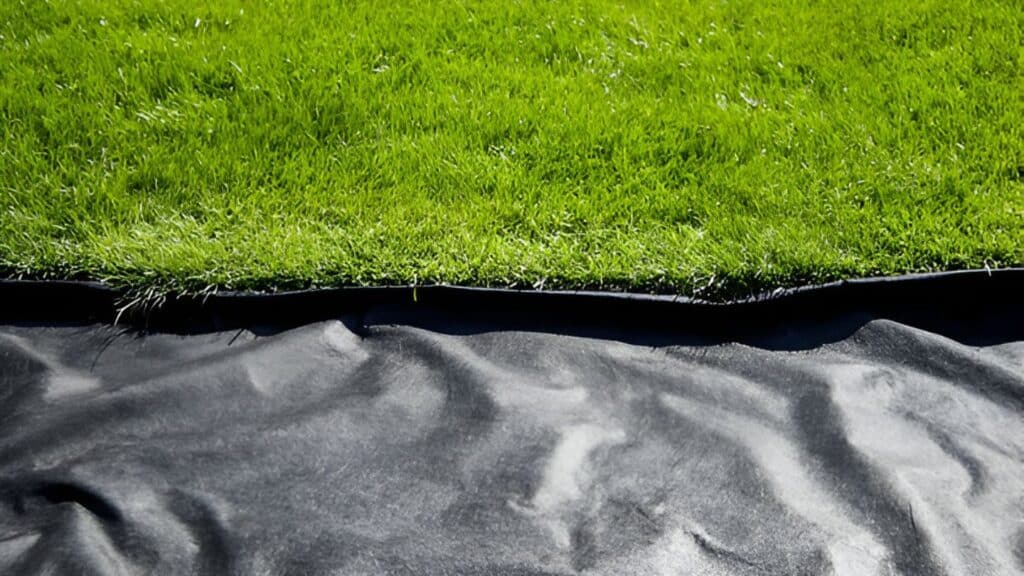
Credit: mulchpros.com
Frequently Asked Questions
What Is Landscape Fabric Used For?
Landscape fabric controls weed growth by blocking sunlight and preventing weed seeds from sprouting. It allows water and air to pass through, promoting soil health while reducing garden maintenance.
Does Landscape Fabric Prevent All Weeds?
Landscape fabric significantly reduces weeds but doesn’t stop all of them. Some aggressive weeds can grow through gaps or edges. Proper installation and mulching improve its effectiveness.
Can Landscape Fabric Harm Plants?
No, landscape fabric does not harm plants when used correctly. It allows water and nutrients to reach roots while blocking weeds. However, improper use may limit root growth in some cases.
How Long Does Landscape Fabric Last?
Landscape fabric typically lasts 5 to 10 years depending on material quality and environmental conditions. UV-resistant fabrics last longer. Regular inspection and maintenance extend its lifespan.
Conclusion
Using landscape fabric can help control weeds and save time. It lets water and air reach your plants easily. But it may not stop all weeds forever. You should consider your garden needs and soil type first. It works best with mulch on top.
Keep in mind, fabric can break down over time. Regular garden care is still important. Choose the right fabric for your space and goals. This simple step can make gardening easier and cleaner. Try it and see how it fits your garden.