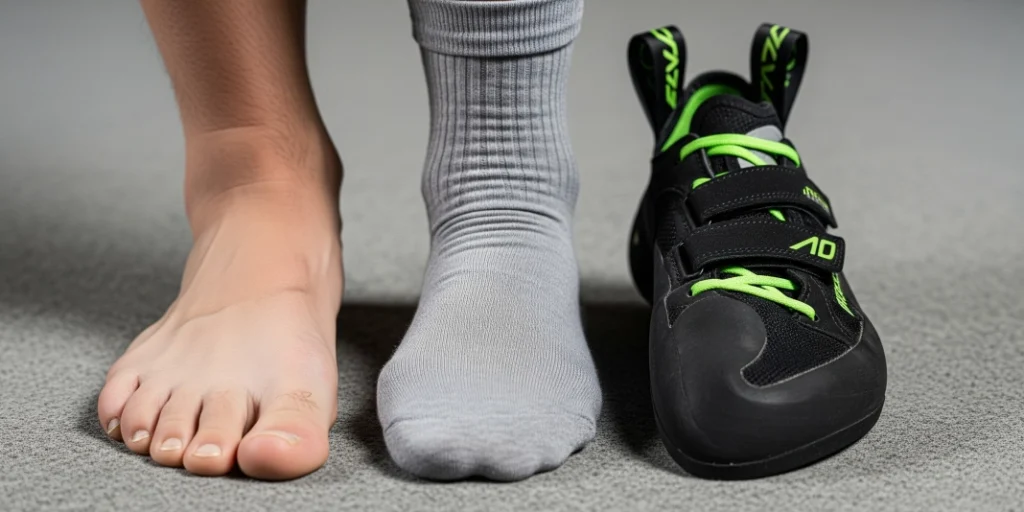
Have you ever wondered whether wearing socks with your climbing shoes helps or hurts your performance? It’s a question that many climbers face, from beginners to seasoned pros.
What you choose can affect comfort, grip, and even how long your shoes last. You’ll discover the real impact socks can have on your climbing experience. By the end, you’ll know exactly what’s best for your feet—and your climbs. Keep reading to find out the surprising truth about socks and climbing shoes.
Credit: www.advnture.com
Pros Of Wearing Socks
Wearing socks with climbing shoes can make your climbing more comfortable. Socks add a layer between your skin and the shoe.
This extra layer helps in several ways. It can keep your feet feeling better during long climbs.
Improved Comfort And Cushioning
Socks add softness inside climbing shoes. They cushion your feet from hard shoe parts. This helps reduce pain and pressure points.
The extra padding can protect your feet on rough surfaces. It makes climbing feel less tiring.
Moisture And Odor Control
Socks absorb sweat to keep your feet dry. Dry feet reduce slipping inside shoes. This helps with grip and control.
- Socks wick moisture away from skin
- Less sweat means fewer bad smells
- Breathable socks improve airflow
Protection Against Blisters
| Benefit | How Socks Help |
|---|---|
| Reduce friction | Socks create a smooth layer to stop rubbing |
| Prevent skin damage | Socks protect skin from direct contact with shoe |
| Ease healing | Socks keep blisters clean and reduce irritation |
Cons Of Wearing Socks
Climbers often wonder if wearing socks with climbing shoes is a good idea. While socks can add comfort, they come with some downsides.
Let’s explore why socks may not be the best choice for climbing shoes.
Reduced Sensitivity And Grip
Socks create a barrier between your feet and the climbing shoes. This barrier can reduce your ability to feel the rock or wall.
With less sensitivity, you might struggle to grip small holds. Precision in foot placements is vital for climbing success.
Potential Fit Issues
Climbing shoes are designed to fit snugly. Adding socks can make them too tight or too loose.
This can lead to discomfort and affect your climbing performance. Proper shoe fit is crucial for safety and efficiency.
Material Bunching Problems
Socks can bunch up inside your climbing shoes. This bunching can create pressure points and cause blisters.
These issues can distract you from your climb and lead to a less enjoyable experience.
Benefits Of Barefoot Climbing
Climbers often wonder if they should wear socks with their climbing shoes. Many prefer barefoot climbing inside their shoes. This means not wearing socks while climbing.
Barefoot climbing has several benefits. It can improve your climbing experience by giving better control and comfort.
Enhanced Precision And Feel
Climbing without socks lets your feet feel the rock better. This helps you place your feet more precisely on small holds.
The bare skin can sense textures and edges easier. This gives better feedback for each step you take.
Better Ventilation
Wearing climbing shoes without socks allows air to reach your skin. This helps keep your feet cooler during climbs.
Less sweat means less chance of bad smells or skin problems. Your feet stay drier and more comfortable.
Closer Shoe Fit
Without socks, your climbing shoes fit tighter. This close fit improves control and power.
The shoes hug your feet better. This reduces slipping inside the shoe and helps you climb more confidently.
When To Choose Socks
Choosing whether to wear socks with climbing shoes depends on several factors. Socks can add comfort but may change the fit of your shoes.
It is important to know when socks help and when they might cause issues during climbing.
Cold Weather Conditions
In cold weather, wearing socks with climbing shoes helps keep your feet warm. Thin, moisture-wicking socks work best to avoid sweat build-up.
- Socks provide insulation in cold environments.
- They help reduce numbness and frostbite risk.
- Thin socks keep the fit snug without extra bulk.
Long Climbing Sessions
For longer climbs, socks can improve comfort and protect your skin. They help reduce friction and prevent blisters.
| Benefit | Reason |
|---|---|
| Moisture control | Socks absorb sweat and keep feet dry |
| Friction reduction | Lower chance of blisters and hot spots |
| Extra cushioning | Reduces pressure points on feet |
Sensitive Skin Considerations
People with sensitive skin should consider socks to avoid irritation. Socks can act as a barrier between the shoe and skin.
Socks protect skin from:
- Rough shoe materials
- Seams that rub against the skin
- Hot spots that cause discomfort
Best Socks For Climbing
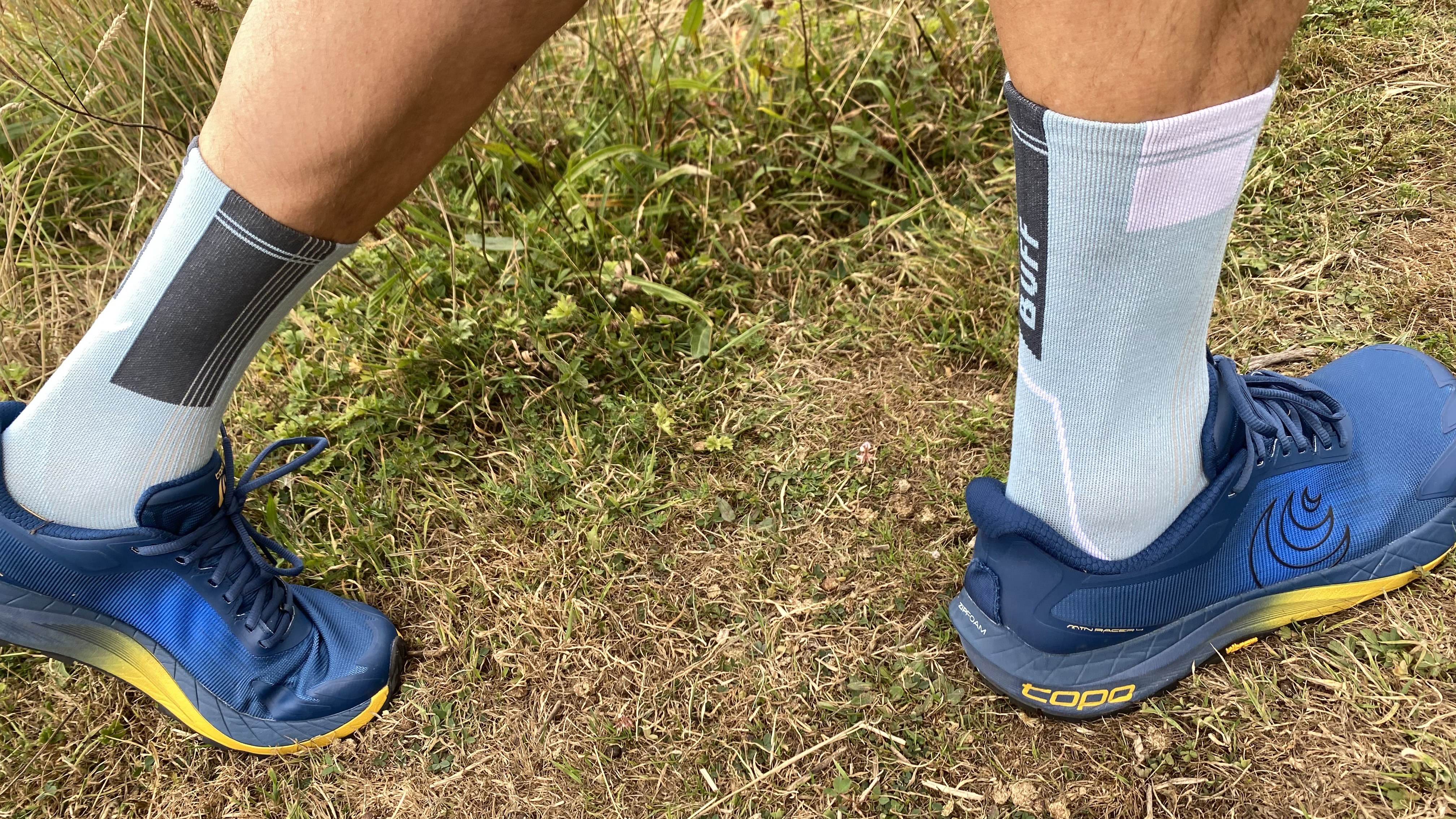
Choosing the right socks can improve your climbing comfort. Socks protect your feet and help your shoes fit better.
Not all socks work well with climbing shoes. Some can cause slipping or make your feet too hot.
Thin And Breathable Fabrics
Thin socks fit better inside tight climbing shoes. They reduce bulk and prevent tight spots.
- Look for socks made of nylon or polyester blends.
- These materials allow air to flow and keep feet cool.
- Thin fabrics help you feel the rock better.
- Breathability stops sweat from building up.
Seamless Designs
Socks without seams prevent blisters and discomfort. Seams can rub against your skin during climbs.
| Feature | Benefit |
| Seamless toe area | Stops toe irritation |
| Flat seams | Reduces rubbing on foot sides |
| Reinforced heel | Improves sock durability |
Moisture-wicking Properties
Moisture-wicking socks keep feet dry by moving sweat away. Dry feet feel more comfortable and avoid slipping.
- Look for socks with materials like Coolmax or merino wool.
- These fabrics pull moisture from skin quickly.
- Dry feet reduce the chance of fungal infections.
- They help keep foot temperature steady.
Tips For Wearing Socks With Climbing Shoes
Some climbers like to wear socks with their climbing shoes. Socks can add comfort and reduce sweat inside the shoe. But not all socks work well with climbing shoes.
These tips will help you wear socks with climbing shoes the right way. You will learn how to pick socks, position them, and keep your shoes fitting well.
Selecting The Right Size
Your climbing shoes should fit tightly even with socks on. Choose socks that are thin and fit close to your feet. Thick socks can make shoes too tight and uncomfortable.
Try on shoes with socks before buying. Make sure your toes can move a little but do not slip. This helps avoid blisters and keeps control while climbing.
- Pick thin climbing or athletic socks
- Avoid thick or bulky socks
- Test shoe fit with socks before climbing
Proper Sock Positioning
Place socks evenly inside the shoe. Make sure no wrinkles or folds form under your feet. Wrinkles can cause pressure points and pain during climbs.
Check that the sock covers your entire foot, including toes and heel. Keep the sock smooth and straight for the best comfort and fit.
- Pull socks fully up your foot
- Smooth out wrinkles before putting on shoes
- Adjust socks if you feel pressure points
Maintaining Shoe Fit
Wearing socks can change how your shoes fit over time. Check your shoe tightness often. If shoes feel loose or tight, adjust sock thickness or shoe size.
Keep your shoes clean and dry. Moisture from socks can affect the shoe material. Dry shoes after climbing to keep their shape and fit.
- Check fit before each climb
- Change sock thickness if needed
- Dry shoes after use to keep shape
Expert Recommendations
Climbing shoes are important for good grip and foot support. People often ask if they should wear socks with these shoes.
Experts give advice based on comfort, performance, and hygiene. This helps climbers decide what works best for them.
When To Go Sockless
Many climbers choose not to wear socks for a better fit. Sockless shoes feel tighter and give more sensitivity.
Going sockless is good for short climbs or indoor climbing. It helps with precise foot placement and control.
Personal Preference And Comfort
Comfort is key when deciding to wear socks or not. Some people find socks stop blisters and sweat.
Others prefer no socks because it feels natural. The best choice depends on your foot shape and shoe type.
Testing Both Options
Try climbing shoes with and without socks to see what feels better. Test during different climbs and times.
- Wear thin socks for a snug fit
- Try sockless for more sensitivity
- Check for foot pain or blisters
- Notice how shoes fit and feel
- Choose the option that feels best

Credit: www.climbing.com
Credit: www.climbing.com
Frequently Asked Questions
Should I Wear Socks With Climbing Shoes For Better Comfort?
Wearing socks with climbing shoes can add comfort and reduce odor. However, socks may reduce shoe sensitivity and fit. Choose thin, moisture-wicking socks if you prefer extra cushioning without compromising performance.
Can Socks Affect Climbing Shoe Fit And Performance?
Yes, socks can slightly alter the shoe fit, making it looser. This may reduce climbing precision and sensitivity. For tight-fitting climbing shoes, it’s best to go barefoot for optimal control.
What Type Of Socks Are Best For Climbing Shoes?
If you wear socks, opt for thin, breathable, and moisture-wicking types. Avoid thick or bulky socks as they can affect fit and performance. Specialized climbing socks are available to balance comfort and shoe fit.
Do Socks Help Prevent Foot Odor In Climbing Shoes?
Yes, socks absorb sweat and reduce bacteria buildup, helping prevent odor. Wearing clean socks daily keeps feet fresh and climbing shoes cleaner. Barefoot climbing increases odor risk due to sweat and bacteria.
Conclusion
Wearing socks with climbing shoes depends on your comfort and needs. Socks can add warmth and protect your feet from blisters. Bare feet offer better grip and sensitivity on the rock. Some climbers prefer thin socks for hygiene during long sessions.
Try both ways to find what feels best for you. Remember, climbing should be safe and enjoyable. Choose what helps you climb better and stay comfortable. The right choice can improve your experience on every climb.