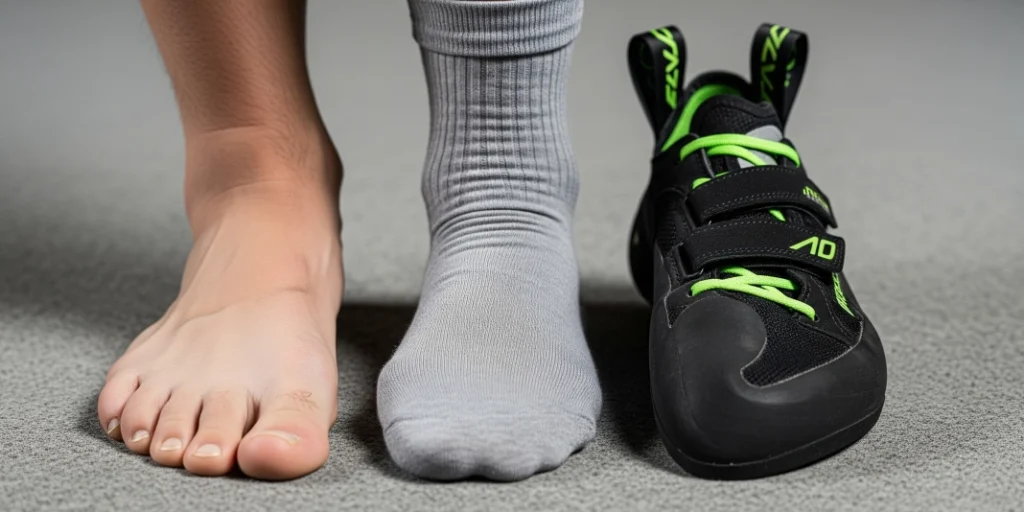
Are you wondering if you should wear socks with your climbing shoes? It’s a common question that many climbers face, whether you’re just starting out or have been climbing for years.
The choice might seem simple, but it can actually change how comfortable you feel and how well you perform on the wall. You’ll discover the pros and cons of wearing socks with climbing shoes, and learn what works best for your feet and your climbing style.
Keep reading to find out how to make the right decision for your next climb.
Credit: www.climbing.com
Benefits Of Wearing Socks
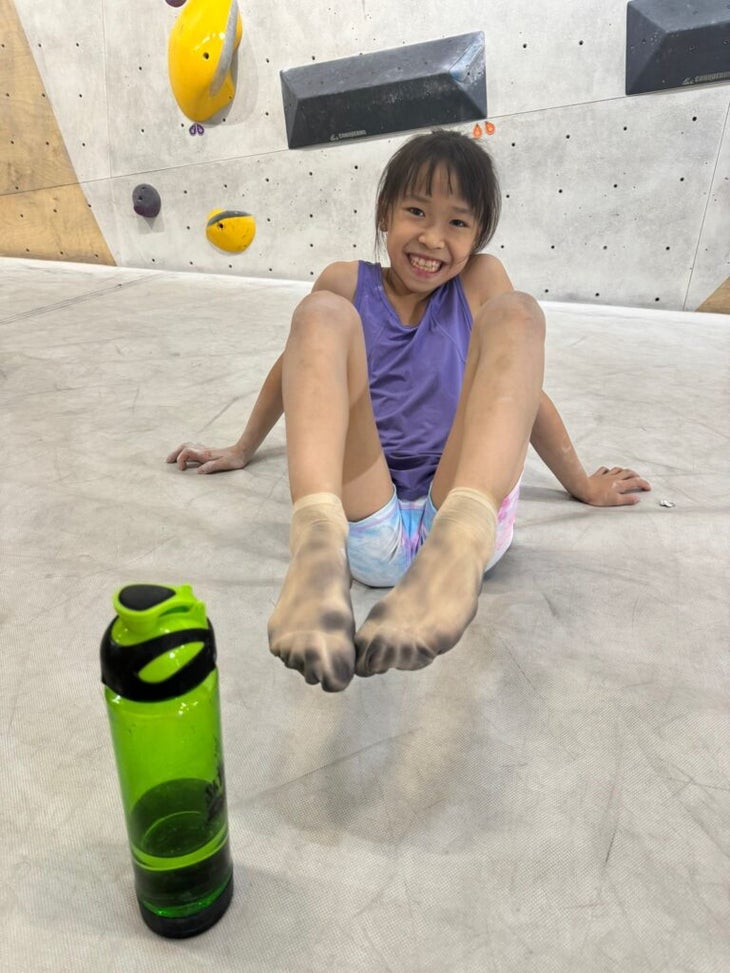
Wearing socks with climbing shoes can improve your climbing experience. Socks add a layer of protection and comfort.
This extra layer helps keep your feet safe and dry during climbs. Below are key benefits of wearing socks with climbing shoes.
Improved Comfort And Cushioning
Socks provide extra cushioning between your feet and climbing shoes. This can reduce pressure points and make shoes feel softer.
They also help your shoes fit better by filling small gaps. This makes climbing more comfortable for longer periods.
Moisture Management
Climbing can cause your feet to sweat. Socks help absorb this moisture and keep your feet dry.
- Socks wick sweat away from skin
- They help shoes stay fresh longer
- Dry feet reduce slipping inside the shoe
- Helps prevent bad odors
Prevention Of Blisters And Skin Irritation
Socks reduce friction between your skin and climbing shoes. This lowers the chance of blisters forming.
| Benefit | How Socks Help |
|---|---|
| Reduce Friction | Socks create a smooth surface to prevent rubbing |
| Protect Skin | Extra layer stops direct contact with rough shoe material |
| Prevent Blisters | Lower skin irritation from sweat and movement |
Advantages Of Going Sockless
Many climbers wonder if they should wear socks with their climbing shoes. Choosing to go without socks can offer several benefits. It often improves comfort and performance during climbs.
Wearing climbing shoes without socks gives a closer feel to the rock. This can help climbers move more precisely and feel the surface better.
Better Fit And Sensitivity
Going sockless lets your shoes fit tighter to your feet. Socks add extra space, which can make shoes feel loose or bulky. A snug fit helps you feel the rock better.
Without socks, your skin touches the shoe directly. This contact improves your ability to sense small holds and textures. It helps with precise foot placement on tricky routes.
Enhanced Foot Control
Climbing shoes without socks give you more control over your foot movements. The direct contact reduces slipping inside the shoe. This leads to better stability on small edges and cracks.
Better control means you can trust your feet more. This helps you make quick adjustments and hold difficult positions with ease.
Reduced Bulk Inside Shoes
Socks add thickness inside your climbing shoes. This extra bulk can make shoes feel tight or uncomfortable. Going sockless removes this layer, letting shoes fit as designed.
Less bulk means your shoes feel lighter and less crowded. This helps prevent hot spots and blisters caused by friction between socks and shoe lining.
Types Of Socks For Climbing
Choosing the right socks can improve your climbing comfort. Socks help reduce friction and protect your feet.
Not all socks are the same. Different materials and thicknesses suit different climbing styles.
Thin Synthetic Socks
Thin synthetic socks are popular for climbing shoes. They are lightweight and fit snugly.
These socks wick sweat away to keep feet dry. They reduce the risk of blisters by lowering friction.
- Made from materials like nylon or polyester
- Provide a close fit inside tight climbing shoes
- Dry quickly to prevent moisture buildup
- Offer moderate cushioning for comfort
Merino Wool Options
Merino wool socks are soft and breathable. They keep feet warm in cold weather and cool in heat.
This natural fiber resists odor and helps with moisture control. Merino wool is gentle on the skin.
- Ideal for long climbs in varying temperatures
- Thicker than synthetic socks but still flexible
- Help prevent blisters by cushioning the foot
- Can be worn with or without liners for extra comfort
Specialized Climbing Socks
Specialized climbing socks are designed for climbers’ needs. They often have reinforced areas for durability.
These socks may feature extra padding on the heel and toes. Some have arch support to improve fit.
- Use blends of synthetic and natural fibers
- Offer targeted cushioning to reduce pressure points
- Improve shoe fit and foot stability
- Help prevent slipping inside the shoe
When To Choose Socks
Wearing socks with climbing shoes is not common for many climbers. But certain situations call for socks. They can protect your feet and make climbing more comfortable.
This guide covers when to wear socks based on weather, session length, and foot health.
Cold Weather Climbing
Cold weather makes your feet lose heat fast. Thin socks can add warmth without making shoes tight. Socks also protect against frostbite in freezing conditions.
- Use thin, moisture-wicking socks to keep feet dry.
- Avoid thick socks that reduce shoe fit and control.
- Consider wool socks for extra insulation.
Long Climbing Sessions
During long climbs, feet sweat more. Wearing socks can help reduce blisters and keep feet comfortable. Socks absorb sweat and prevent shoe rubbing.
| Benefit | Description |
| Blister prevention | Socks reduce friction inside shoes. |
| Comfort | Keep feet dry and cushioned. |
| Hygiene | Limit odor and bacteria build-up. |
Dealing With Foot Conditions
Some foot issues need extra care. Socks can protect sensitive skin and help with foot problems during climbing.
- Blisters or hot spots
- Athlete’s foot or fungal infections
- Dry or cracked skin
Socks act as a barrier and keep the feet cleaner and less irritated.
When To Skip Socks
Climbing shoes fit tightly to give better grip and control. Sometimes, wearing socks can change how your shoes feel.
Skipping socks can help in certain situations. It can improve fit, sensitivity, and performance on the wall.
Short And Intense Climbs
For short climbs, you want your shoes to fit snugly. Socks add extra space and reduce sensitivity.
Skipping socks helps you feel the rock better. This can improve your precision on holds.
- Improves shoe fit
- Increases foot sensitivity
- Reduces heat and moisture buildup
High-performance Scenarios
When climbing hard or competing, every little advantage counts. Bare feet inside the shoes give more control.
Wearing no socks lets you feel holds better. It also helps the shoes mold to your feet quickly.
- Better grip on small holds
- More precise foot placements
- Faster shoe break-in
Shoes Designed For Barefoot Use
Some climbing shoes are made to be worn without socks. They use materials that fit closely to bare feet.
These shoes can feel tight and uncomfortable with socks. Skipping socks gives the best fit and comfort.
- Shoes have thin liners
- Designed for direct skin contact
- Maximizes sensitivity and fit
Credit: www.advnture.com
Expert Tips For Sock Selection
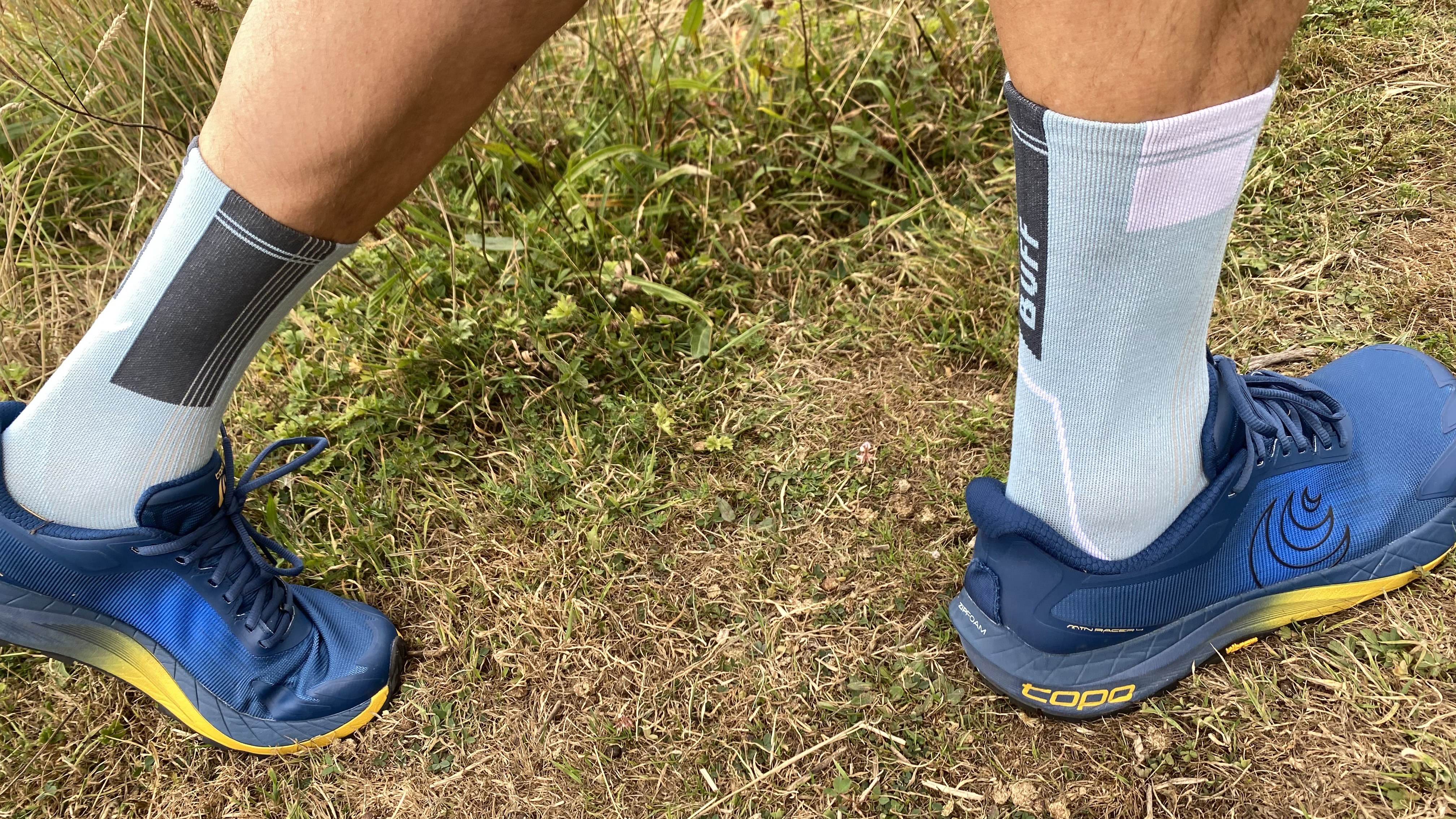
Choosing the right socks for climbing shoes can improve comfort and performance. Socks protect your feet and help control moisture during climbs.
This guide covers key points about materials, fit, thickness, and care for climbing socks.
Material Choices
Socks come in many materials, each with benefits for climbing. Natural fibers like wool keep feet warm and dry. Synthetic fibers dry quickly and reduce blisters. Some socks mix materials for balance.
- Merino wool: soft, warm, and odor-resistant
- Nylon: durable and quick-drying
- Polyester: moisture-wicking and lightweight
- Blends: combine strength and comfort
Proper Fit And Thickness
| Aspect | Details |
| Fit | Socks should fit snugly without wrinkles or tight spots. |
| Thickness | Thin socks work well for tight shoes; thicker socks add cushioning. |
| Length | Choose ankle or no-show socks to reduce bulk. |
Good fit prevents hot spots and blisters. Avoid socks that bunch up or slide down.
Maintenance And Hygiene
Clean socks keep feet healthy and fresh. Wash socks after each climb. Use gentle detergents and avoid fabric softeners. Dry socks fully before storing.
- Wash in cold water to keep material quality
- Air dry to prevent shrinking or damage
- Replace socks if holes or thinning appear
- Keep multiple pairs to rotate use

Credit: www.climbing.com
Frequently Asked Questions
Should I Wear Socks With Climbing Shoes?
Wearing socks with climbing shoes is generally uncommon. Socks can reduce sensitivity and fit, affecting performance. However, thin socks may add comfort and prevent odor. Choose based on personal preference and climbing type.
Do Socks Affect Climbing Shoe Fit And Performance?
Yes, socks change the shoe’s fit by adding thickness. This can make shoes feel tighter or looser. Most climbers prefer no socks for better sensitivity and control. Thin socks may be used for comfort or hygiene.
Can Wearing Socks Prevent Blisters In Climbing Shoes?
Socks can help reduce friction and prevent blisters during climbing. Thin, moisture-wicking socks are best if you choose to wear them. Without socks, proper shoe fit and foot care are key to avoiding blisters.
Are Socks Necessary For Indoor Climbing Shoes?
Socks are optional for indoor climbing. Some gyms require socks for hygiene reasons. If allowed, thin socks can improve comfort and reduce odor. Many climbers prefer barefoot for better shoe sensitivity indoors.
Conclusion
Choosing to wear socks with climbing shoes depends on your comfort and climbing style. Some climbers prefer socks for hygiene and warmth. Others like bare feet for better grip and sensitivity. Thin socks can offer a middle ground. Try both ways to see what feels best.
Comfort matters most during climbs. Keep your feet dry and avoid blisters. Your preference can change with seasons and shoe types. Find what helps you climb safer and enjoy more. Experiment and trust your feet’s feedback.