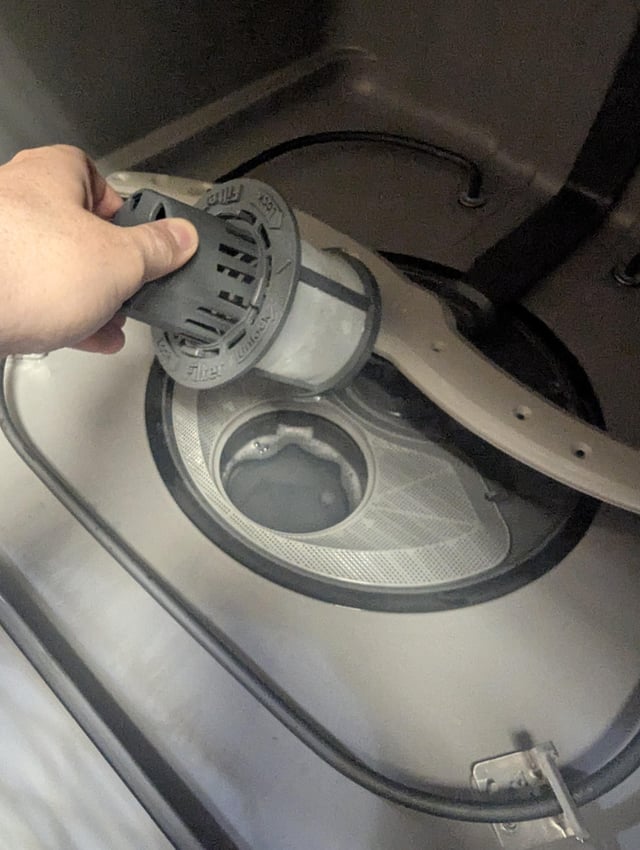
Imagine this: You’ve just finished loading your dishwasher after a hearty family meal, and as you close the door, a thought crosses your mind. Should there be water under the dishwasher filter?
It’s a question that many homeowners have, yet few know the definitive answer. You might wonder if this is a sign of a malfunction or if it’s perfectly normal. Understanding this aspect of your dishwasher can save you time, worry, and potentially costly repairs.
You’ll discover the truth about the water beneath your dishwasher filter. You’ll learn whether it’s a harmless quirk of your appliance or a red flag you shouldn’t ignore. By the end, you’ll have the peace of mind that comes with knowing how to properly care for one of the most essential tools in your kitchen arsenal. So, if you’re curious about what’s really going on inside your dishwasher, keep reading.

Credit: www.reddit.com
Why Water Appears Under Dishwasher Filter
Noticing water pooling under your dishwasher filter can be puzzling. You might wonder if this is a sign of a problem or just a normal part of how dishwashers work. Understanding why water appears here can help you decide whether to take action or simply let it be.
Normal Dishwasher Operation
During a wash cycle, some water naturally stays inside the dishwasher, including around the filter area. This small amount of water helps keep the filter wet, which is essential for trapping food particles effectively.
After the cycle ends, a little water might remain because the dishwasher’s drainage system doesn’t always remove every drop. So, seeing some moisture there doesn’t always mean there’s a leak or malfunction.
Design Of Dishwasher Filters
Dishwasher filters are usually positioned at the bottom of the dishwasher tub, sitting in a small sump area designed to hold water temporarily. This design helps prevent food debris from clogging the drain pump.
The filter’s mesh catches particles while allowing water to flow through. Because of this setup, a thin layer of water under the filter is normal and expected—it acts as a barrier to keep debris from moving back into the dishwasher.
Common Causes Of Water Accumulation
- Clogged Filter or Drain:When food particles or grease block the filter, water can’t drain properly and pools under the filter.
- Improper Installation:If the filter isn’t seated correctly, water may leak or collect where it shouldn’t.
- Drain Pump Issues:A faulty pump can fail to remove water, causing it to accumulate.
- Blocked Drain Hose:Kinks or clogs in the hose prevent water from flowing out, resulting in standing water.
Have you checked your filter recently? Cleaning it regularly is one simple step that can prevent water buildup and keep your dishwasher running smoothly.
Credit: www.drugstoredivas.net
Potential Issues From Water Under Filter
Finding water pooling under your dishwasher filter might seem harmless at first, but it can signal underlying problems that affect your appliance’s health and your home’s hygiene. Ignoring this issue could lead to complications that are more expensive and inconvenient to fix. Let’s break down what risks come with water staying under the filter and why you shouldn’t overlook it.
Risk Of Mold And Mildew
Water trapped under the dishwasher filter creates a damp environment perfect for mold and mildew growth. These fungi thrive in moist, dark places, and the filter area fits the description well.
If you notice a musty smell or black spots near the filter, it’s a clear sign mold is developing. Mold can affect your dishwasher’s cleanliness and pose health risks, especially if you or your family members have allergies or respiratory issues.
Impact On Dishwasher Performance
Water under the filter can interfere with how well your dishwasher cleans. The filter’s job is to catch food particles and prevent clogs, but standing water may cause debris to stick or circulate back into your dishes.
You might find your dishes coming out dirtier than usual or notice increased residue after a wash. This can make you question if your dishwasher is broken, while the real culprit may be the water under the filter.
Possible Damage To Dishwasher Components
Persistent water under the filter doesn’t just stay put—it can seep into other parts of your dishwasher. Over time, this moisture can cause corrosion or rust on metal components.
Electrical parts near the filter may also get damaged, leading to costly repairs or even a complete replacement of the dishwasher. Have you checked your dishwasher filter recently? Taking a few minutes to inspect it could save you from a bigger headache down the road.
When Water Under Filter Is A Concern
Noticing water under your dishwasher filter can be normal in small amounts, but it becomes a concern when it signals a deeper problem. Understanding when this water indicates an issue helps you avoid bigger damages and costly repairs. Let’s look at the main reasons why water under the filter could be a red flag for your dishwasher’s health.
Signs Of Blockage Or Clogs
Water pooling under the filter often points to a blockage. Food particles, grease, or debris can clog the filter or drain hose. When this happens, water can’t flow properly, causing it to collect beneath the filter area.
If you notice your dishwasher cycle takes longer or leaves residue on dishes, it’s a sign something might be stuck. Cleaning the filter and checking the drain hose regularly can prevent these issues from escalating.
Leaks And Seal Problems
Water under the filter might also come from leaks around the filter seal or door gasket. Over time, seals can wear out, crack, or become misaligned. This allows water to escape and pool where it shouldn’t.
Have you ever opened your dishwasher only to find water on the floor or inside the base? This often means a faulty seal. Inspect your seals for visible damage and replace them if you spot any wear or gaps.
Water Drainage Failures
If the dishwasher isn’t draining fully, water will remain trapped under the filter. A malfunctioning pump or a blocked drain can cause this problem. You might hear unusual noises during the drain cycle or see standing water after a wash.
Ensuring your dishwasher’s drainage system is clear and the pump operates smoothly can save you from persistent water issues. Regular maintenance checks can spot these failures early, before they cause more serious damage.

Credit: www.reddit.com
Maintenance Tips To Prevent Water Issues
Water pooling under your dishwasher filter can be frustrating and might signal deeper issues. Preventing these water problems often comes down to simple, regular maintenance that you can easily manage. Let’s look at practical tips to keep your dishwasher running smoothly and avoid water troubles.
Regular Filter Cleaning
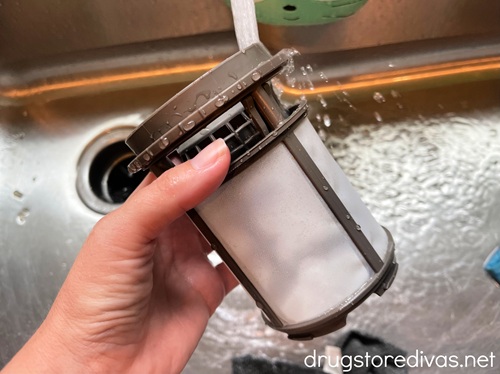
Cleaning the dishwasher filter is crucial. Food particles and debris can block the filter, causing water to collect underneath. You should remove the filter every few weeks and rinse it under warm water.
Use a soft brush to scrub away stubborn bits. This keeps water flowing freely and prevents unwanted smells. Have you noticed your dishwasher smells musty or leaves residue? A dirty filter might be the cause.
Checking Drain And Seals
Drain problems often lead to water buildup under the filter. Check the drain hose for kinks or clogs that stop water from exiting properly. Also, inspect the seals around the door and filter area for cracks or damage.
Seals that are worn out allow leaks and water pooling. Replacing damaged seals can be a simple fix that saves you from bigger repairs. When was the last time you looked at your dishwasher’s seals?
Proper Loading Techniques
How you load your dishwasher impacts water drainage. Overloading can block the spray arms and prevent water from circulating and draining correctly. Always leave enough space between dishes for water to move freely.
Place larger items on the sides or back, not in front of the filter. This helps avoid water collecting under the filter area. Have you tried rearranging your dishes to see if it improves drainage?
Expert Recommendations For Users
Experts agree that understanding the water presence under the dishwasher filter is important. It affects the appliance’s performance and longevity. Users should adopt good habits to keep their dishwashers running smoothly.
Small efforts in maintenance can prevent bigger problems later. Awareness about water under the filter helps in spotting issues early. Following expert advice ensures proper care and avoids damage.
Routine Inspection Practices
Check the filter regularly for any trapped debris or water. Remove and clean the filter every few weeks. Look for standing water and wipe it out to keep the area dry.
Ensure the filter is seated properly after cleaning. A loose filter can cause leaks or poor drainage. Use a soft brush to clean the filter and avoid harsh chemicals.
When To Call A Professional
Contact a technician if water pools persist under the filter. Persistent water may indicate a blocked drain or broken pump. Strange noises or odors also require expert help.
A professional can inspect internal parts and fix leaks safely. Avoid attempting complex repairs without proper tools or knowledge. Early professional intervention prevents costly damage.
Avoiding Common Mistakes
Do not ignore water under the filter; it signals a problem. Avoid overloading the dishwasher, which can block drainage. Never use sharp objects to clean the filter as it can cause damage.
Skip harsh cleaning agents that may corrode parts. Always follow the manufacturer’s cleaning instructions. Proper care increases the dishwasher’s lifespan and efficiency.
Frequently Asked Questions
Why Is There Water Under My Dishwasher Filter?
Water under the dishwasher filter is normal as it helps trap food particles. It prevents clogs and keeps the dishwasher clean. However, standing water could indicate a drainage issue or a clogged filter that needs cleaning.
Should Water Always Be Present Under The Dishwasher Filter?
A small amount of water usually remains under the filter to catch debris. Excess water or pooling may suggest a problem like a blocked drain or faulty pump. Regular filter cleaning ensures proper drainage and prevents water buildup.
How Often Should I Clean The Dishwasher Filter?
Clean the dishwasher filter every 1-3 months, depending on usage. Frequent cleaning prevents food buildup, odors, and drainage issues. A clean filter ensures your dishwasher runs efficiently and extends its lifespan.
Can Water Under The Dishwasher Filter Cause Bad Odors?
Yes, stagnant water under the filter can cause foul smells. Trapped food particles in water may rot and emit odors. Regular cleaning and proper drainage prevent odor buildup and keep your dishwasher fresh.
Conclusion
Water under the dishwasher filter is normal to some extent. It helps catch food bits and stops clogging. Too much water or strong smells may signal a problem. Regular cleaning keeps the filter working well and prevents bad odors. Check your dishwasher manual for specific care tips.
Small steps keep your dishwasher running smoothly and your dishes clean. Don’t ignore any unusual signs under the filter. A little attention goes a long way in dishwasher care.