
As winter approaches, you might be wondering what to do with your air conditioner. Should you cover it to protect it from the cold, snow, and ice?
You want to keep your AC safe, but is covering it really the best choice? Making the wrong decision could cost you money and cause damage. You’ll discover the truth about covering your air conditioner for winter. By the end, you’ll know exactly what to do to keep your unit in perfect shape—so keep reading!
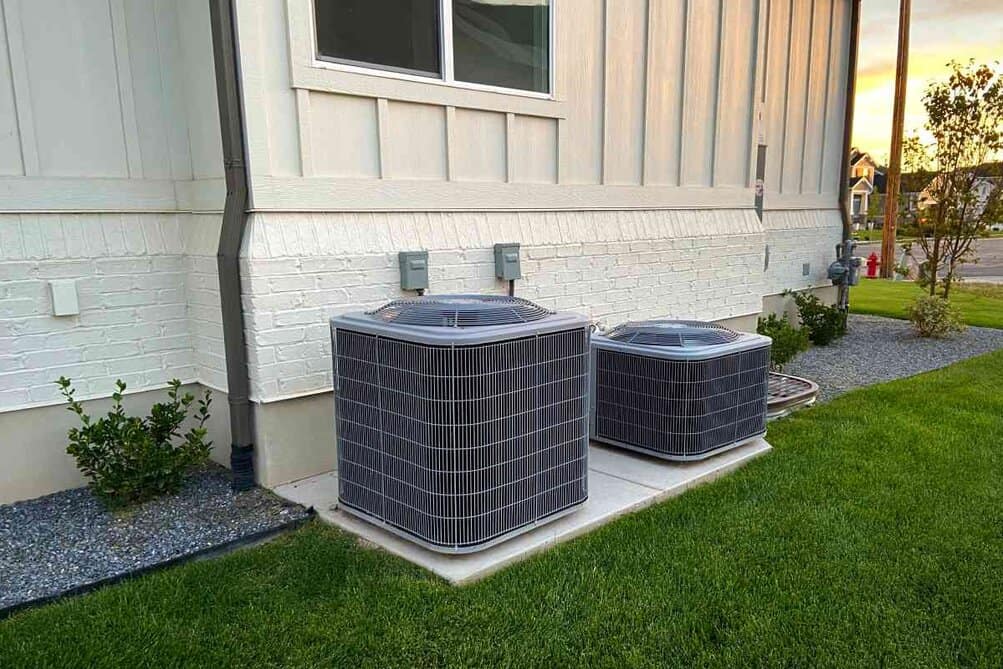
Credit: www.furnaceprices.ca
Why Covering Matters
Covering an air conditioner during winter helps protect it from debrislike leaves and dirt. These can clog the unit and reduce its efficiency. A cover keeps the inside clean and ready for use.
Moisture from rain or snow can cause rustand damage the metal parts. A cover acts as a shield, preventing water from getting inside. This helps the air conditioner last longer.
Pests such as rodents and insects may try to enter the unit for shelter. Covering it blocks their access and stops nests or damage. This keeps the system working well.

Credit: www.youtube.com
When To Cover Your Ac Unit
Covering an air conditioner depends on the climate. In areas with heavy snow or ice, covering helps protect the unit. It keeps debris, leaves, and moisture away. But in mild climates, covering might trap moisture and cause rust.
Seasonal timing matters too. Cover the AC only after turning offand cleaning it. Use a cover made for AC units to avoid damage. Remove the cover before spring to prevent moisture buildup inside the unit.
Choosing The Right Cover
Choosing the right coverfor your air conditioner helps protect it during winter. Some covers block moisture, while others let air flow.
Material optionsvary:
- Plastic coverskeep water out but can trap moisture inside.
- Vinyl coversare durable but may not allow enough air.
- Fabric coversoffer good breathability and protect from dust.
Proper fit and ventilationare important. A cover should fit snugly without gaps. Too tight can block airflow and cause rust. Too loose lets dirt enter.
Look for covers with vents or mesh panels to keep air moving. This stops mold and damage. Always check the cover fits your AC size exactly.
Potential Risks Of Covering
Covering an air conditioner can cause moisture to get trappedinside. This moisture can lead to rust and damageto the unit’s parts. Water buildup may also promote mold growth, which harms air quality.
Using a cover reduces airflow around the unit. Poor airflow can cause overheatingor freezing of parts. This may shorten the air conditioner’s lifespanand increase repair costs.
Alternatives To Covering
Regular cleaning helps keep the air conditioner clear of dirt and debris. It prevents buildup that can cause damage during winter months. Cleaning the unit ensures better airflow and efficiency when you start it again.
Professional maintenance is important for keeping the air conditioner in good shape. Experts check for any worn parts and fix small issues before they become big problems. This service can extend the life of your unit and save money in the long run.
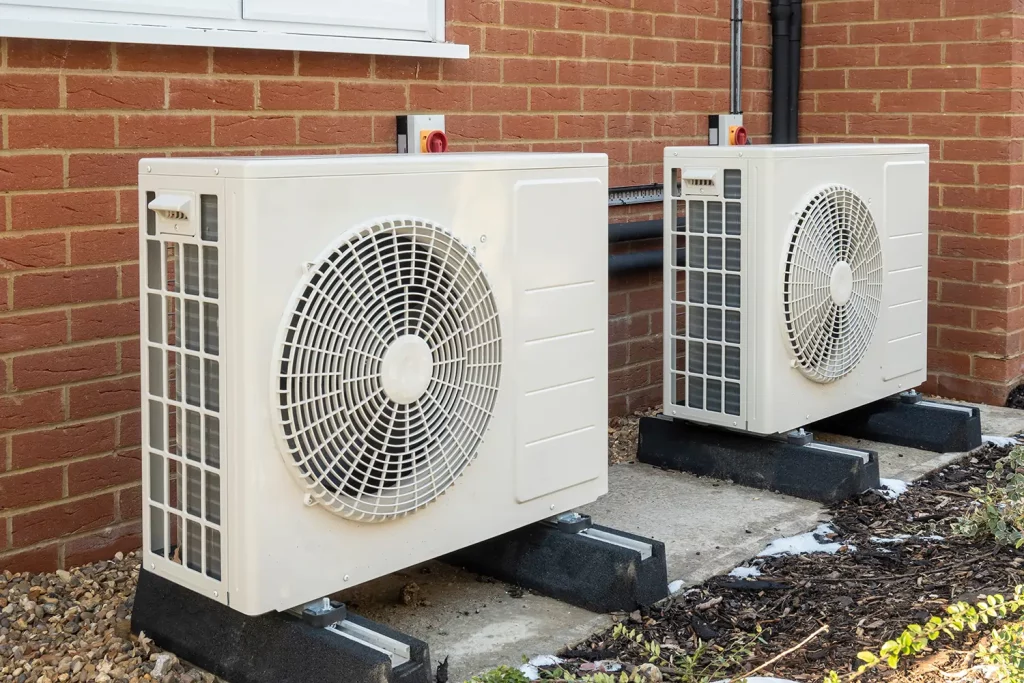
Credit: www.mjfrickco.com
Expert Maintenance Tips For Winter
Clearing leaves, dirt, and debris around the air conditioner keeps it safe. Debris can block airflow and cause damage during winter. Use a broom or blower to remove anything near the unit. This prevents moisture buildup and rust.
Check drainage pipes to ensure they are not clogged. Clogged drains cause water to pool and freeze. Frozen water can harm the system and nearby parts. Clear any dirt or ice blocking the pipes.
Inspect electrical components and wiring for damage or wear. Cold weather can make wires brittle and prone to break. Tighten loose connections to avoid power loss. Protect the unit from snow or ice buildup by gently brushing off snow.
Frequently Asked Questions
Why Cover Your Air Conditioner In Winter?
Covering your air conditioner in winter protects it from debris and snow. This helps prevent potential damage and extends its lifespan. A cover can also keep moisture out, reducing rust risk. However, it’s crucial to ensure proper ventilation to prevent mold growth underneath the cover.
Can Covering Ac Cause Mold?
Yes, covering an air conditioner can cause mold if not done correctly. It’s essential to ensure proper ventilation when covering your unit. This prevents trapped moisture, which can lead to mold and mildew. Use a breathable cover to allow airflow and avoid sealing it completely.
Is It Necessary To Cover Ac In Winter?
It’s not always necessary to cover your air conditioner in winter. Modern units are built to withstand harsh weather. However, if you live in an area with heavy snowfall or debris, covering can offer extra protection. Consider your local climate and specific unit needs before deciding.
What Material Is Best For Ac Covers?
The best material for AC covers is breathable and water-resistant fabric. This allows moisture to escape while keeping debris out. Avoid plastic covers, as they can trap moisture and cause mold. Look for covers specifically designed for air conditioners for optimal protection.
Conclusion
Covering your air conditioner for winter can protect it from dirt and weather. Choose a breathable cover to avoid moisture buildup. Too much moisture can cause rust and damage. Keep vents clear to ensure airflow. Regular maintenance also helps your unit last longer.
Protect your air conditioner wisely this winter for better performance next summer. Simple steps can save money and avoid repairs. Think about your local climate before deciding to cover it. A little care goes a long way.