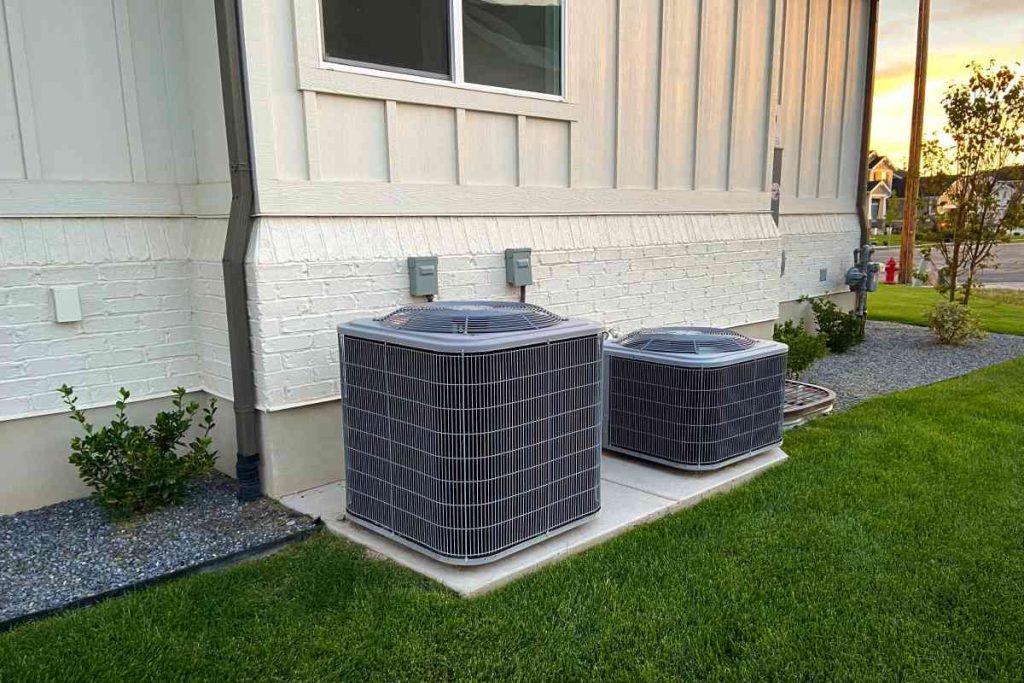
When winter arrives, you might wonder if covering your air conditioner is a good idea. Should you protect it from snow and ice, or let it breathe?
Making the right choice can save you money and prevent damage. You’ll discover exactly what to do to keep your AC safe and ready for summer. Keep reading to find out the simple steps that can protect your investment and keep your home comfortable year-round.
Credit: www.homeserve.com
Benefits Of Covering Your Ac
Covering your AC unit during winter helps keep it clean and safe. Dirt, leaves, and other debris can clog the system. This makes the AC work harder and may cause damage.
Using a cover also stops moisture from getting in. Water can cause rust and harm the metal parts. A cover helps keep the unit dry and prevents costly repairs.
Protecting the AC from dirt and moisture extends its life. The unit stays in good shape for many years. This means fewer problems and better performance when summer comes back.

Credit: www.furnaceprices.ca
Risks Of Covering Your Ac
Covering an air conditionerduring winter can trap moisture. This moisture can cause mold and mildewgrowth inside the unit. Mold damages the system and can harm air qualityin your home.
Using the wrong type of cover may lead to physical damage. Covers that do not fit well can cause cracks or rust. This can make repairs costly and frequent.
Covering the AC can also block airflow and ventilation. Proper airflow is needed to keep the unit dry and in good shape. Without ventilation, moisture builds upand causes problems.
When To Cover Your Air Conditioner
Climate plays a big role in deciding to cover your air conditioner. In places with heavy snow or ice, covering can protect the unit. Areas with mild winters may not need covers at all. Covers help keep out leaves, dirt, and moisture.
How often you use your air conditioner during winter matters too. If the unit runs occasionally for heating or fan use, covering it might block airflow. For units that stay off all winter, a cover adds extra protection.
| Local Weather | Cover Needed? |
|---|---|
| Heavy snow and ice | Yes, to prevent damage |
| Mild winters with little snow | No, leave uncovered |
| Rainy winters | Yes, to keep moisture out |
| Dry and cold | Optional, based on unit use |

Credit: www.furnaceprices.ca
Choosing The Right Cover
Choosing the right coverprotects your air conditioner during winter. The cover should be made from waterproofand breathable materials. Plastic covers may trap moisture and cause rust. A fabric cover with vents allows air flow and stops mold.
Size matters. A cover too tight may damage the unit. Too loose, and wind can blow it away. Measure your air conditioner before buying. Look for covers with adjustable straps or elastic edges for a snug fit.
- Do not cover the unit too tightly.
- Avoid covers that block air vents.
- Never leave water trapped inside the cover.
- Remove the cover during warm days to prevent moisture build-up.
Alternative Winter Protection Methods
Regular maintenance and cleaningkeep your air conditioner healthy during winter. Dirt and debris can cause damage. Clean the unit and remove leaves or dust. Check for any broken parts or leaks. This helps the unit last longer and work well.
Using protective screens or shieldscan stop debris and animals from entering the unit. These covers let air flow freely. They guard against snow, ice, and falling leaves. This protection avoids costly repairs and keeps the system ready for spring.
Professional winterizing servicesoffer expert care. Technicians check all parts and prepare the unit for cold weather. They drain water and protect pipes from freezing. This service ensures the air conditioner stays safe and ready for use.
Expert Recommendations
Experts suggest covering your air conditioner only if it is exposed to harsh weather. A good cover protects the unit from snow, ice, and debris. It must be breathable to stop moisture build-up inside. Avoid plastic covers that trap water and cause rust.
Do not cover your air conditioner if it is in a sheltered spot or indoors. Covering in such cases can trap moisture and damage the system. Also, avoid covering if your unit has a built-in winter mode.
- Clean the unit before covering to remove dirt and leaves.
- Use a cover made for air conditioners, not a random sheet.
- Make sure the cover fits well but allows some air flow.
- Check the unit periodically for signs of moisture or pests.
Frequently Asked Questions
Why Cover Your Air Conditioner In Winter?
Covering your air conditioner in winter protects it from debris, ice, and snow. This helps prevent damage to the unit. A cover can also deter rodents from nesting inside. However, ensure the cover is breathable to prevent moisture buildup, which can cause rust and mold.
Do Covers Prevent Air Conditioner Damage?
Yes, covers can prevent damage by shielding the unit from harsh weather. They block debris, ice, and snow, which can harm the system. Covers also help deter animals from entering. However, ensure proper ventilation to avoid moisture problems that can lead to rust and mold.
Are Air Conditioner Covers Necessary?
While not always necessary, covers provide added protection during winter. They shield the unit from ice, snow, and debris. This can extend the lifespan of your air conditioner. However, ensure the cover allows airflow to prevent moisture buildup and potential damage.
Can Covers Cause Air Conditioner Issues?
Improper covers can lead to issues like moisture buildup, causing rust and mold. Ensure your cover is breathable and fits well. Poorly fitted covers can trap moisture and debris. Check your cover regularly to ensure it’s not causing more harm than good.
Conclusion
Covering your air conditioner in winter can protect it from dirt and weather. A simple cover helps keep debris out and prevents damage. Still, make sure the cover fits well and allows air to flow. Avoid trapping moisture, which can cause rust or mold.
Regular checks during winter keep your unit safe and ready for summer. Taking these small steps saves money and extends your AC’s life. Think of it as simple care that pays off later.