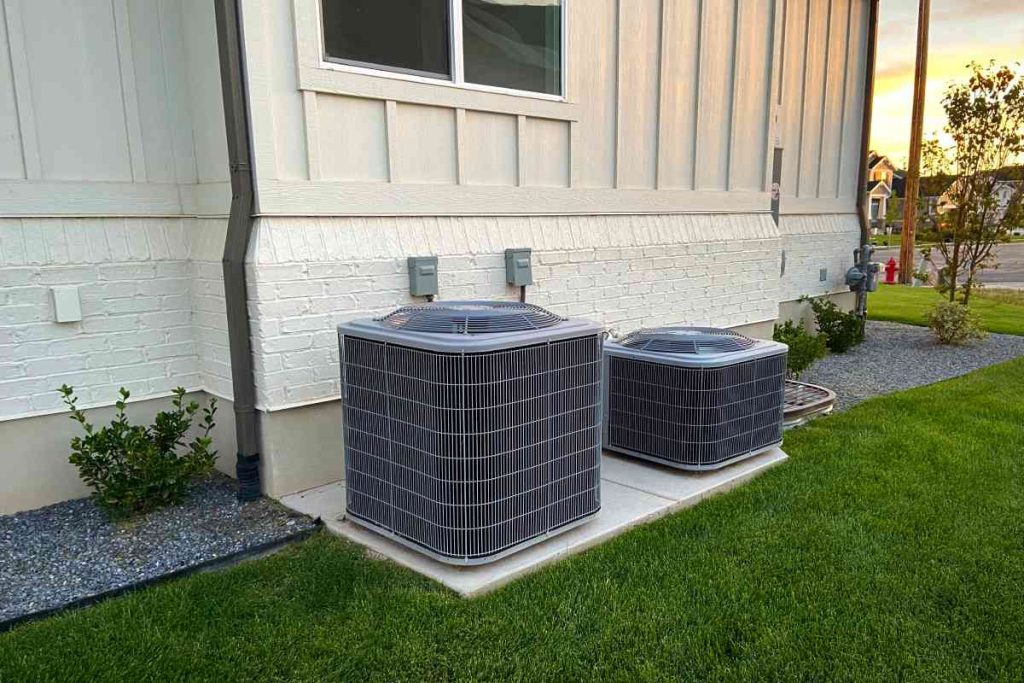
Winter is coming, and you might be wondering what to do with your air conditioner. Should you cover it to protect it from the cold, or leave it as it is?
This simple question can save you money and prevent costly damage, but the answer isn’t always clear. You’ll discover the pros and cons of covering your air conditioner during winter. By the time you finish reading, you’ll know exactly what’s best for your unit and how to keep it running smoothly year after year.
Don’t risk unnecessary repairs—let’s dive in and find out what your AC really needs this winter.
Winter Impact On Air Conditioners
Cold weather can cause damage to air conditioner parts. Metal pieces may shrink or crack. Water inside the unit can freeze and cause problems. Dust and dirt can build up during winter, making the unit less efficient. Covering the AC helps keep dirt and moisture out.
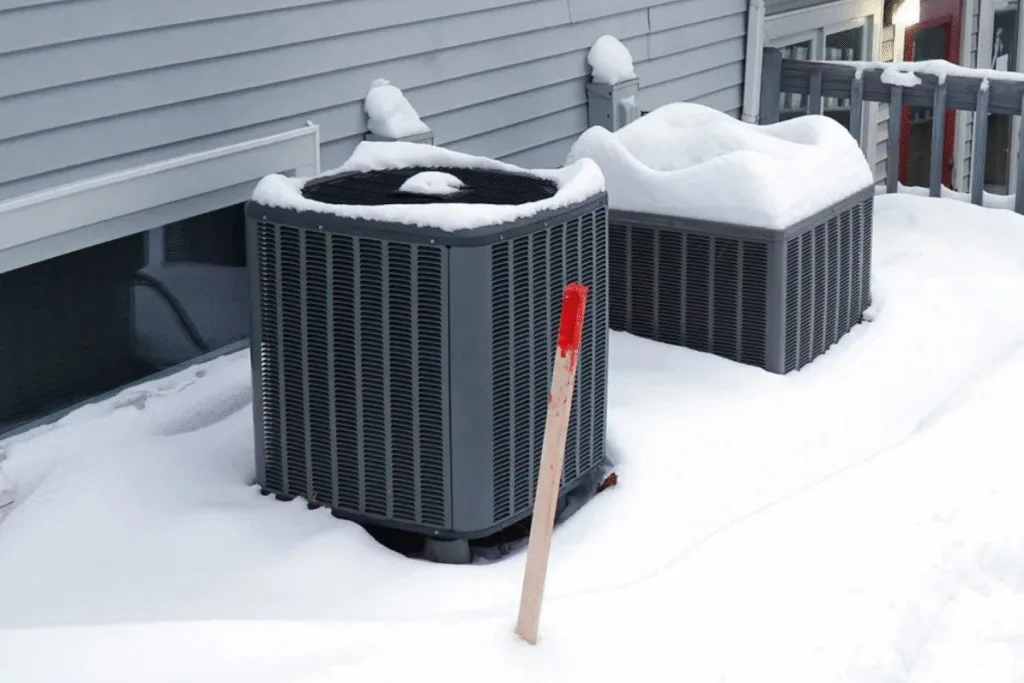
Not covering the unit may lead to rust and wear. Strong winds can carry debris that harms the fan and coils. Snow and ice buildup may block airflow and cause damage. A cover protects the unit from these risks.
| Potential Damage | Cause |
|---|---|
| Rust and Corrosion | Moisture and snow exposure |
| Cracked Metal Parts | Freezing temperatures |
| Blocked Airflow | Snow and ice buildup |
| Debris Damage | Wind carrying leaves and dirt |
Benefits Of Covering Your Ac
Covering your air conditionerkeeps out leaves, dirt, and other debris. This helps the unit stay clean and work well in spring.
A cover also stops moisture from getting inside. Moisture can cause damage and reduce the AC’s life.
Rust and corrosioncan form on metal parts if left exposed. A cover protects these parts and keeps them safe during winter.
- Prevents leaves and twigs from clogging the unit
- Blocks rain and snow from soaking the AC
- Helps avoid rust on metal surfaces
- Keeps the AC ready for use in warm months
Risks Of Covering An Air Conditioner
Covering an air conditionerduring winter can trap moisture inside. This moisture can cause serious problems. Moisture buildup leads to rust and damageon metal parts. It also makes the unit less efficient and shortens its life.
Trapped moisture creates a perfect place for mold and mildew growth.Mold can harm the air quality and cause health issues. It also creates bad odors and stains on the unit.
- Moisture buildup inside the cover
- Rust and corrosion of metal parts
- Growth of mold and mildew
- Unpleasant smells and health risks
- Reduced efficiency and lifespan of the unit

Credit: www.reddit.com
Choosing The Right Cover
Choosing the right cover protects your air conditioner from winter damage. Covers come in various material options, like plastic, vinyl, or fabric. Plastic covers keep water out but may trap moisture inside. Fabric covers allow air to pass through, reducing mold risk. Vinyl covers provide a balance but must fit well.
A proper fitis key. Covers that are too loose let debris in. Covers that are too tight can cause damage or block airflow. Always check for ventilation openings or holes. Good ventilation prevents moisture build-up that harms the unit.
Alternative Winter Protection Methods
Routine maintenancekeeps the air conditioner safe during winter. Clean the unit by removing leaves and dirt. Check for any cracks or damage in the parts. Cover the fan blades with a plastic bag to stop rust. Make sure the drain is not blocked to prevent water build-up.
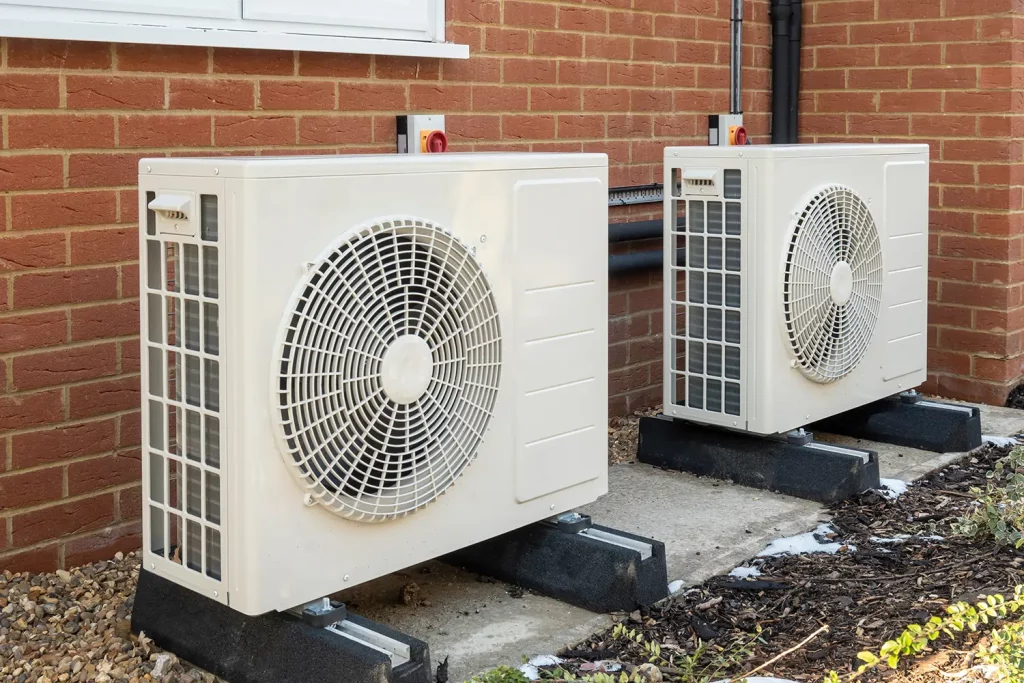
Using a shelter or enclosurehelps protect the AC from snow and ice. A simple cover made of wood or plastic can block wind and moisture. Make sure the shelter does not trap moisture inside. Leave space for air to flow freely around the unit to avoid damage.
Credit: www.mjfrickco.com
When To Remove The Cover
Signs that it is time to remove the air conditioner cover include visible moisture or frost on the unit. If the weather begins to warm up, covering the unit may trap moisture inside. This can cause rust or damage. Also, if you hear unusual noises when the unit turns on, uncover it to check for obstructions or damage.
Preparing for spring use means cleaning the unit and inspecting it for wear. Remove the cover carefully and clean dirt or debris from the outside. Check the filters and vents to ensure good airflow. Testing the unit before full use can help avoid problems later.
Credit: deepchill.com.au
Frequently Asked Questions
Why Cover An Air Conditioner In Winter?
Covering an air conditioner in winter protects it from debris and harsh weather. It can prevent rust and prolong the unit’s lifespan. However, ensure proper ventilation to avoid moisture buildup, which can cause damage.
Can Covering An Ac Cause Damage?
Yes, improper covering can trap moisture, leading to rust and electrical issues. Always use breathable covers designed for air conditioners. This ensures adequate ventilation while protecting the unit from external elements.
Is It Necessary To Cover All Ac Units?
Not all AC units need covering. Modern units are built to withstand winter conditions. Check your manufacturer’s guidelines to determine if your specific model requires a cover during the off-season.
What Materials Are Best For Ac Covers?
Breathable, water-resistant materials like polyester or vinyl are ideal for AC covers. These materials prevent moisture buildup and allow air circulation, protecting the unit from damage caused by trapped condensation.
Conclusion
Covering an air conditioner in winter can protect it from dirt and snow. A good cover keeps moisture out and prevents damage. Still, make sure the cover fits well and allows air to flow. Avoid trapping water inside, which can cause rust.
A simple cover helps your AC last longer and stay clean. Think about your local weather before deciding. Proper care saves money and avoids repair costs. Small steps make a big difference in winter AC care.