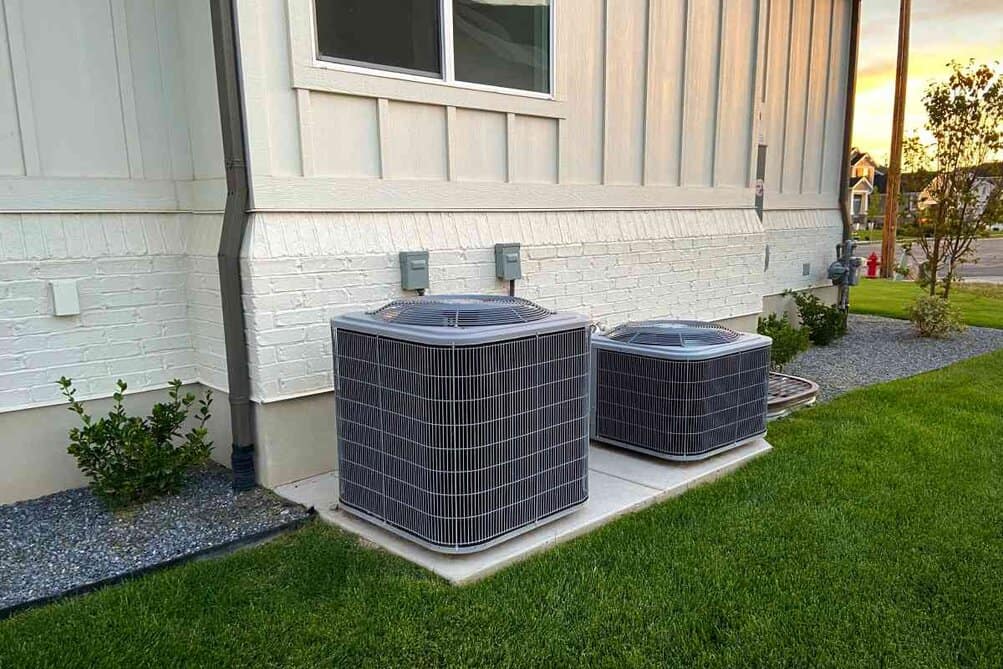
Have you ever wondered if you should cover your air conditioner when it’s not in use? It’s a question many homeowners ask as the seasons change.
You want to protect your investment, save money, and avoid unexpected repairs. But does covering your air conditioner really help, or could it cause more harm than good? Keep reading to discover the surprising truth and learn exactly what you should do to keep your AC running smoothly year after year.

Credit: www.aljazeera.com
Benefits Of Covering Your Ac
Covering your air conditioner during off-seasons can protect it from damage. It helps keep the unit clean and ready for use.
This simple step can save money and extend the life of your AC system.
Protecting From Debris And Snow
Leaves, dirt, and snow can clog your AC unit. Covering it keeps these materials out. This prevents blockages that reduce efficiency.
- Keeps leaves and twigs away
- Prevents snow buildup on the unit
- Stops dirt from entering the coils
- Reduces the chance of pest nesting
Preventing Rust And Corrosion
Moisture can cause metal parts of your AC to rust. A cover blocks rain and snow from reaching the metal. This reduces corrosion and keeps the unit strong.
Reducing Maintenance Costs
Covering your AC can lower repair bills. It stops dirt and water from causing damage. This means fewer fixes and less money spent on parts.
| Benefit | Impact on Maintenance |
| Debris Protection | Less frequent cleaning needed |
| Rust Prevention | Longer lifespan of parts |
| Snow Shield | Reduces winter damage |
| Cost Savings | Lower repair and replacement costs |
Risks Of Covering Your Ac
Covering your air conditioner might seem like a good idea for protection. But it can cause several problems that affect your AC’s performance and lifespan.
Understanding the risks helps you make the right choice about whether to cover your unit or not.
Trapping Moisture And Mold Growth
Covers can trap moisture inside your air conditioner. This trapped moisture can lead to mold and mildew growth. Mold can harm your AC and cause health issues.
- Moisture collects from rain, snow, or humidity.
- Mold grows in damp, covered spaces.
- Mold spores can spread inside your home.
- Cleaning mold from your AC is costly and difficult.
Potential Damage From Improper Covers
Using the wrong cover or fitting it poorly can damage your AC parts. Covers that do not fit well can block vents or trap debris.
| Cover Type | Risk |
| Plastic sheets | Trap moisture, cause rust |
| Loose tarps | Blow off in wind, let debris in |
| Improper fabric covers | Block airflow, damage fins |
Impact On Airflow And System Health
Covers can block airflow around your AC. Poor airflow makes the system work harder and reduces efficiency. This extra strain can cause early breakdowns.
- Blocked vents trap heat inside the unit.
- Reduced airflow lowers cooling power.
- System parts wear out faster due to stress.
- Energy use and bills go up.
Types Of Covers To Use
Covering your air conditioner helps protect it from dirt and weather damage. Choosing the right cover is important to keep the unit safe and working well.
Different covers offer various levels of protection. Some allow air flow while others block moisture. Knowing these types will help you pick the best one.
Breathable Covers
Breathable covers let air pass through while keeping rain and debris out. They help prevent moisture buildup and rust inside the unit.
These covers are usually made from fabric materials that are light and water-resistant. They protect the air conditioner without trapping humidity.
Plastic Tarps And Their Drawbacks
Plastic tarps are cheap and easy to find. They block water completely, but they do not allow air to flow.
- Trap moisture inside the unit
- Cause rust and mold over time
- Can blow away in strong winds
- May damage the air conditioner’s finish
Because of these issues, plastic tarps are not the best choice for covering air conditioners.
Custom-fit Vs. Universal Covers
| Cover Type | Fit | Protection Level | Price |
| Custom-Fit | Exact to unit size | High | Higher |
| Universal | One size fits most | Medium | Lower |
Custom-fit covers wrap tightly around the air conditioner. They protect better but cost more. Universal covers are cheaper and fit many sizes but offer less protection.

Credit: thechillbrothers.com
When To Cover Your Ac
Covering your air conditioner can protect it during certain times. It helps keep dirt and damage away.
Knowing when to cover your AC depends on several factors. These include the weather and how long you won’t use it.
Climate Considerations
In cold climates, covering your AC protects it from snow and ice. This prevents rust and damage.
In mild or warm climates, covering your AC may not be necessary. Rain and dust are less harmful in these areas.
- Cold climates: cover to avoid ice buildup
- Warm climates: usually no cover needed
- Humid climates: cover to prevent moisture damage
Duration Of Non-use
If you will not use your AC for several months, covering it is a good idea. This keeps it clean and safe.
Short breaks, like a week or two, usually do not require a cover. The AC can handle short idle times.
- Long non-use (months): cover the unit
- Short non-use (days or weeks): no cover needed
- Check local weather before deciding
Signs Your Unit Needs Protection
Look for dirt buildup or debris around your AC. If this happens often, covering helps keep it clean.
If you see rust spots or water damage, a cover can protect the AC from more harm. Also, strong winds can blow things into the unit.
- Frequent dirt or leaves near unit
- Rust or water damage signs
- High wind or storm seasons
Proper Steps To Cover Your Ac
Covering your air conditioner protects it during colder months. It stops dirt and debris from piling up. Taking the right steps ensures your unit stays safe.
Follow simple actions to clean, choose a cover, and secure it well. These steps help keep your AC in good shape.
Cleaning The Unit First
Before covering your AC, clean the unit carefully. Remove leaves, dirt, and dust from the surface. Use a soft brush or cloth to wipe it down.
Check for any damage or loose parts. Fix these before you put on the cover. A clean unit lasts longer and works better when you use it again.
Choosing The Right Cover
Select a cover made for air conditioners. It should fit snugly but allow air to flow. Avoid plastic covers that trap moisture.
| Cover Type | Pros | Cons |
| Breathable fabric | Prevents moisture build-up | May cost more |
| Plastic sheet | Cheap and easy to find | Traps water and causes rust |
| Custom fit cover | Fits perfectly and protects well | Needs accurate measurements |
Securing The Cover Safely
Make sure the cover stays on during wind or snow. Use straps or cords to tie it down. Check that it does not block drainage holes.
- Place the cover evenly over the unit.
- Attach straps or ties at the base.
- Leave space for airflow and drainage.
- Check the cover after storms or strong wind.

Credit: www.newsobserver.com
Alternatives To Covering Your Ac
Covering your air conditioner is a common idea to protect it. But there are other ways to keep it safe and working well. These methods help your AC last longer without blocking airflow.
Below are some good alternatives to covering your unit. Each method focuses on protection and maintenance.
Routine Maintenance
Cleaning and checking your AC often keeps it running smoothly. Remove leaves, dirt, and debris from around the unit.
- Clear debris near the unit every few weeks
- Change or clean filters regularly
- Check the fins and coils for damage
- Schedule yearly professional inspections
Elevating The Unit
Raise your air conditioner off the ground to avoid water damage. Elevation stops rust and keeps the unit dry during rain or snow.
| Elevating Method | Benefits |
|---|---|
| Concrete Pad | Stable base and good drainage |
| Metal Stand | Elevates and prevents ground moisture |
| Wooden Platform | Easy to build, but needs treatment |
Using Protective Coatings
Protective coatings help guard your AC parts from rust and weather damage. Use coatings made for metal and outdoor use.
- Apply rust-resistant paint on metal surfaces
- Use waterproof sprays on exposed areas
- Reapply coatings every few years to maintain protection
Frequently Asked Questions
Should I Cover My Air Conditioner In Winter?
Covering your air conditioner in winter can protect it from debris and harsh weather. However, ensure the cover is breathable to prevent moisture buildup, which can cause rust and damage. Proper coverage helps maintain your unit’s longevity and efficiency.
Does Covering An Air Conditioner Improve Efficiency?
Covering an air conditioner when not in use prevents dirt and debris buildup. This can help maintain its efficiency by reducing wear and tear. However, the cover should allow ventilation to avoid moisture accumulation, which can harm the unit’s components.
What Type Of Cover Is Best For Air Conditioners?
A breathable, waterproof cover is best for air conditioners. It protects against rain, snow, and debris while preventing moisture buildup. Avoid plastic tarps that trap condensation, as they can lead to rust and damage over time.
Can Covering My Ac Cause Damage?
Yes, using a non-breathable cover can trap moisture and cause rust. Improper covering may also restrict airflow, leading to mold growth or mechanical issues. Always use a suitable cover designed for air conditioners to avoid damage.
Conclusion
Deciding to cover your air conditioner depends on climate and needs. In snowy areas, covers can protect from ice and debris. But they might trap moisture, causing rust. In mild climates, covers may not be necessary. Consider your local weather patterns first.
Always prioritize proper maintenance and regular cleaning. This ensures your air conditioner runs efficiently. Balance protection with ventilation for best results. Your unit’s longevity depends on careful choices. Be mindful of your specific situation. Make informed decisions for optimal performance.