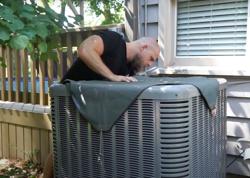
Winter is coming, and you might be wondering: should you cover your air conditioner when the cold sets in? It’s a question many homeowners ask but few know the real answer to.
You want to protect your unit from the harsh weather, but could covering it actually cause more harm than good? You’ll discover the surprising truths about winterizing your air conditioner. By the end, you’ll know exactly what to do to keep your system safe and ready for next summer.
Keep reading to make sure you don’t make a costly mistake this winter!

Credit: www.furnaceprices.ca
Pros Of Covering Your Ac Unit
Covering your air conditioner in winter can protect it from damage. It helps keep the unit clean and safe during cold months.
Using a cover can reduce repair costs and extend the life of your AC unit. It acts as a shield against harsh weather and dirt.
Protection From Debris
Leaves, dirt, and twigs can fall into your AC unit during winter. This debris can block airflow and cause damage.
A cover stops debris from entering the unit. It keeps the inside clean and ready for use in warmer months.
Shield Against Ice And Snow
Ice and snow can build up on your AC unit. This can harm the parts and reduce efficiency.
A cover prevents ice and snow from piling up on the unit. It helps keep the AC safe and dry all winter long.
Preventing Rust And Corrosion
Water from melted snow can cause rust on metal parts of your AC unit. Rust weakens the unit over time.
Covering the AC stops water from reaching the metal. This prevents rust and keeps the unit working well.
Credit: airdeko.com
Cons Of Covering Your Ac Unit
Covering your air conditioner in the winter might seem helpful. It can protect the unit from snow and debris. Still, there are some downsides you should know about.
Using a cover can cause problems that affect your AC’s performance and lifespan. Let’s look at some risks of covering your unit.
Moisture Accumulation Risks
When you cover your AC unit, moisture can get trapped inside. Snow or rain can seep in under the cover. This moisture can cause rust and damage metal parts.
Also, trapped water can freeze and crack the unit’s components. This damage may cost you more in repairs later.
Potential For Mold And Mildew
Moisture inside the cover creates a perfect place for mold and mildew. These fungi grow on damp surfaces and can harm your AC unit.
- Mold can block air filters and vents.
- Mildew causes unpleasant smells when the AC runs again.
- Both can reduce air quality inside your home.
Pest Infestation Concerns
Covering your AC may invite pests to nest inside. Small animals look for warm, dry places in winter. Your covered AC can become a new home for them.
| Pest Type | Possible Damage |
|---|---|
| Rodents | Chew wiring and insulation |
| Insects | Build nests and block airflow |
| Birds | Leave droppings that corrode metal |
Types Of Covers Available
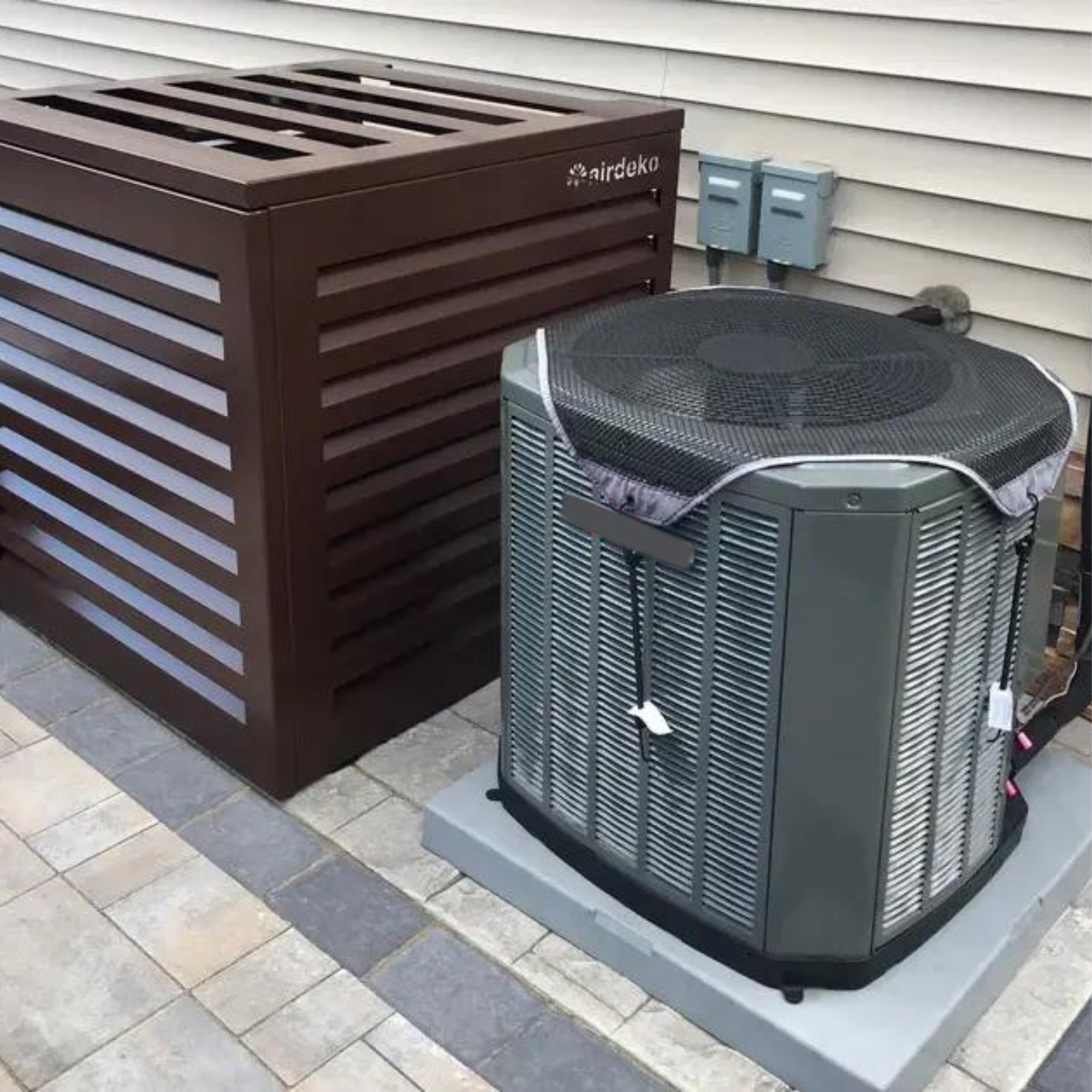
Covering your air conditioner in winter can protect it from snow and debris. There are different types of covers to choose from. Each type offers unique features and levels of protection.
Understanding these types helps you pick the right cover for your needs. Let’s look at the main types available in the market.
Full Covers
Full covers wrap around the entire air conditioner unit. They create a sealed barrier against snow, rain, and dirt. These covers are usually made from heavy-duty plastic or vinyl.
While full covers block moisture, they can trap condensation inside. This may cause rust or damage if not used carefully.
Top-only Covers
Top-only covers protect just the top part of the air conditioner. They shield the unit from falling snow, leaves, and rain. These covers allow air to flow freely around the sides.
- Prevent debris build-up on top
- Allow ventilation to reduce moisture
- Easy to install and remove
- Less risk of trapping water inside
Breathable Covers
Breathable covers use materials that let air pass through but keep water out. These covers help avoid moisture build-up inside the unit. They protect against dust and dirt while allowing ventilation.
| Cover Type | Material | Protection Level | Ventilation |
| Full Cover | Plastic or Vinyl | High | Low |
| Top-Only Cover | Polyester or Fabric | Medium | Medium |
| Breathable Cover | Mesh or Special Fabric | Medium | High |
Factors To Consider Before Covering
Covering your air conditioner in winter can protect it from snow and debris. Still, it is not always the best choice.
Think about some important factors before you decide to cover your unit.
Climate And Weather Conditions
Check how cold and wet your area gets in winter. Some places have mild winters with little snow.
In places with heavy snow and ice, covering might protect the unit. In milder areas, covering can trap moisture.
- Heavy snow needs protection from buildup
- Wet climates risk moisture inside the cover
- Dry, mild winters may not need covering
Location Of The Unit
Think about where your air conditioner sits outside. Is it in a shaded spot or exposed to sun and rain?
Units under eaves or protected areas often need less covering. Units fully exposed may benefit from a cover.
- Covered or shaded spots limit weather damage
- Exposed units face more snow, leaves, and dirt
- Good drainage around the unit helps prevent water
Manufacturer Recommendations
Look at the instructions from your air conditioner’s maker. They often say if you should cover the unit.
Some brands warn against covering because it can trap moisture. Others may suggest specific covers designed for their models.
- Follow the manufacturer’s advice carefully
- Use only recommended covers if suggested
- Wrong covers can cause damage or void warranties
Alternative Protection Methods
Covering your air conditioner in winter is a common idea. Yet, there are other ways to protect it without covering. These methods help keep your unit safe and working well.
Let’s look at some alternative ways to protect your air conditioner during cold months.
Regular Cleaning And Maintenance
Cleaning your air conditioner before winter keeps it safe from dirt and debris. Dirt can block airflow and cause damage. Remove leaves, dust, and other debris around the unit.
Check the fins and coils for damage. Clean them gently using a soft brush or hose. Also, clear any plants or grass growing near the unit to keep air flowing well.
- Remove leaves and dirt
- Clean fins and coils carefully
- Keep plants and grass trimmed
- Inspect for any visible damage
Installing A Protective Barrier
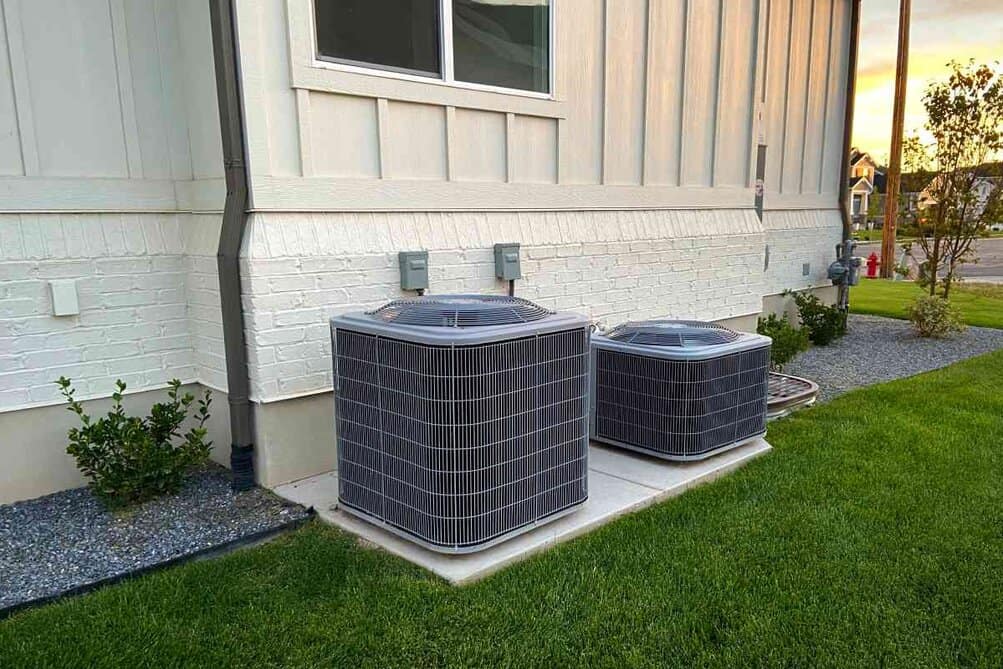
A protective barrier shields the air conditioner from wind, snow, and ice. You can build a simple fence or screen around the unit. This stops heavy snow from piling up directly on it.
Make sure the barrier does not block airflow. Leave space around the unit for air to move freely. A barrier helps reduce damage without trapping moisture.
- Build a fence or screen nearby
- Keep space for airflow
- Use weather-resistant materials
- Check barrier for damage regularly
Using A Shelter Or Roof
A shelter or roof over your air conditioner offers good protection. It keeps rain, snow, and ice from falling directly on the unit. This helps prevent rust and water damage.
Build a small roof that covers the top and sides but leaves the front open. This design allows air to flow while shielding the unit from bad weather.
- Construct a roof above the unit
- Leave open sides for airflow
- Use strong, weatherproof materials
- Check shelter for leaks or damage
Credit: www.furnaceprices.ca
Expert Opinions On Covering Ac Units
Many homeowners wonder if they should cover their air conditioner in winter. Different experts have varied opinions on this topic.
This guide shares views from HVAC professionals, environmental factors, and the balance of benefits and risks.
Hvac Professionals’ Views
Most HVAC experts say that covering an outdoor AC unit is not always necessary. They note that modern units are built to handle cold weather and snow.
Some professionals recommend using a cover only if it fits properly and allows air circulation. A tight cover can trap moisture and cause rust.
Environmental Factors Considered
- Heavy snow or ice can damage exposed parts of the unit.
- Leaves and debris may block airflow if the unit is left uncovered.
- Areas with mild winters usually need no cover at all.
- Wind and rain can affect unit performance during winter.
Balancing Benefits And Risks
| Benefit | Risk |
| Protects unit from debris and snow | Traps moisture causing rust and mold |
| Keeps dirt out during winter months | Blocks air circulation if cover is tight |
| May extend unit lifespan if done right | Can cause damage if cover is wrong size |
Choosing to cover your AC unit depends on your climate and the cover quality. Always follow manufacturer advice for the best care.
Frequently Asked Questions
Should I Cover My Air Conditioner In Winter?
Covering your air conditioner in winter can protect it from debris and harsh weather. However, use a breathable cover to prevent moisture buildup and avoid damage.
What Type Of Cover Is Best For Ac Units?
Use a lightweight, breathable cover made for air conditioners. It keeps out leaves and snow while allowing airflow, preventing rust and mold formation.
Can Covering Ac Cause Moisture Problems?
Yes, non-breathable covers trap moisture, causing rust and mold. Always choose covers designed to allow ventilation for winter protection.
Is It Necessary To Cover The Ac Every Winter?
Covering your AC is recommended in areas with heavy snow or debris. In mild climates, simply cleaning and maintenance might suffice.
Conclusion
Covering your air conditioner in winter depends on your climate and unit type. Some covers protect from snow and debris. Others trap moisture, causing damage. Always check the manufacturer’s advice. Keep the area clean and dry around the unit. A proper cover can help, but only if used right.
Taking simple steps can save money on repairs later. Think about your specific needs before deciding. Stay informed to keep your air conditioner safe all winter.