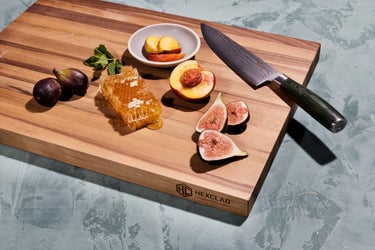
Are you wondering if cutting meat on a wood cutting board is safe and smart? You might have heard different opinions, and it’s easy to feel confused.
Your kitchen tools play a big role in keeping your food fresh and your family healthy. But does wood really hold bacteria more than other materials? Or is it actually a good choice for handling raw meat? Keep reading to discover the surprising truth that could change how you prepare meals forever.
This simple switch might protect you in ways you never expected.
Credit: choppingboards.in
Wood Cutting Boards And Meat Safety
Cutting meat on wood boards has been common for years. Many wonder if wood is safe for raw meat. This topic looks at wood cutting boards and how they handle bacteria.
We will explore the board’s porosity and how it affects bacteria. Then, we compare wood boards with plastic ones for meat safety.
Porosity And Bacterial Growth
Wood is a natural material with tiny pores on its surface. These pores can hold water and bacteria after cutting meat. Some worry this makes wood unsafe.
- Wood pores absorb moisture, which may trap bacteria.
- Hardwoods like maple have smaller pores, reducing absorption.
- Wood has natural antimicrobial oils that can slow bacteria growth.
- Proper cleaning and drying limit bacteria survival on wood boards.
Comparison With Plastic Boards
Plastic boards are popular for meat because they seem easy to clean. They have a smooth surface without pores. But plastic can get deep scratches over time.
| Feature | Wood Cutting Board | Plastic Cutting Board |
| Surface Porosity | Porous with small holes | Non-porous, smooth |
| Bacterial Absorption | Can absorb bacteria in pores | Bacteria stay on surface |
| Natural Antimicrobial Properties | Yes, some woods have this | No natural properties |
| Cleaning | Requires thorough drying | Can be washed in dishwasher |
| Scratch Resistance | More resistant to deep cuts | Scratches easily, trapping bacteria |
Types Of Wood Best For Cutting Meat
Choosing the right wood for cutting meat is important. Wood boards can protect your knives and last a long time.
Not all wood types work well for cutting meat. Some woods are better at handling moisture and bacteria.
Hardwoods Vs Softwoods
Hardwoods come from slow-growing trees. They are dense and strong. This makes them good for cutting boards.
Softwoods come from fast-growing trees. They are less dense and can get damaged easily. Softwoods are not great for cutting meat.
- Hardwoods resist knife marks better.
- Softwoods can absorb moisture and bacteria.
- Hardwoods are less likely to crack or warp.
- Softwoods wear out faster with heavy use.
Popular Wood Choices
Many wood types work well for cutting meat. Some woods are popular for their strength and hygiene.
- Maple:A strong hardwood that resists moisture well.
- Walnut:Hard and durable, with natural antibacterial properties.
- Cherry:Hard but smooth, it is gentle on knives.
- Beech:Dense and tough, it handles heavy use.
Avoid softwoods like pine or cedar. They can absorb juices and get damaged fast.
Cleaning And Maintenance Tips
Wood cutting boards add charm to your kitchen. They can be safe for cutting meat if cleaned well. Good cleaning keeps the board in top shape and free from germs.
Learn how to clean and care for your wood board. Follow these tips to keep it safe and last long.
Proper Washing Techniques
After cutting meat, wash the board right away. Use hot water and soap. Scrub the surface with a brush or sponge. This removes meat residue and juices.
- Rinse the board with hot water
- Apply dish soap and scrub all areas
- Use a brush to reach grooves and cuts
- Rinse soap off with hot water
- Dry with a clean towel or air dry upright
Sanitizing Methods
Sanitizing kills bacteria left after washing. Use natural or store-bought solutions. Vinegar and hydrogen peroxide work well and are safe for wood.
| Sanitizer | How to Use | Notes |
|---|---|---|
| White Vinegar | Spray on board, let sit 5 minutes, rinse | Natural and safe |
| Hydrogen Peroxide (3%) | Apply, wait 10 minutes, rinse | Effective on bacteria |
| Bleach Solution (1 tbsp bleach + 1 gallon water) | Soak 2 minutes, rinse well | Use sparingly to avoid damage |
Preventing Cross-contamination
Use separate boards for meat and other foods. This stops germs from spreading. Label boards or use different colors to avoid mix-ups.
- Keep one board for raw meat only
- Use another board for vegetables and fruits
- Clean boards immediately after use
- Store boards in a dry place to prevent bacteria
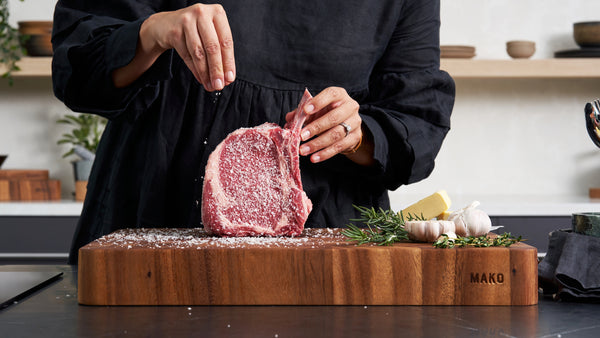
Credit: makokitchenware.com
Durability And Longevity Of Wood Boards
Wood cutting boards are popular for their natural look and feel. Many people ask if cutting meat on wood boards affects their durability and lifespan.
This topic explores how cutting meat impacts wood boards and ways to keep them lasting longer.
Impact Of Meat Cutting On Wear
Cutting meat can leave deep marks on wood boards. These cuts may trap juices and bacteria if not cleaned well. Over time, this can wear down the wood surface.
Repeated use with sharp knives also causes small cracks and scratches. These increase the chance of the board breaking or splitting.
Repair And Refinishing Options
Wood boards can be repaired if they show wear from meat cutting. Sanding smooths out deep cuts and scratches. This helps remove bacteria traps and renews the surface.
Oiling the board after sanding protects the wood and keeps it from drying out. Regular refinishing can extend the board’s life by years.
- Use fine-grit sandpaper to smooth the surface
- Clean the board thoroughly before sanding
- Apply food-safe mineral oil after sanding
- Repeat oiling every few weeks for best care
Expert Recommendations
Wood cutting boards are popular for their durability and style. Many wonder if it is safe to cut meat on them.
Experts share advice on using wood boards to keep food safe and avoid contamination.
When To Use Separate Boards
Using separate boards for meat and other foods is important. It stops bacteria from spreading to vegetables or bread.
Experts suggest having one board for raw meat and another for fruits, vegetables, or cooked foods.
- Use a dedicated board for raw meat only
- Use separate boards for vegetables and bread
- Mark or color code boards to avoid mix-ups
- Clean boards well after each use
Best Practices For Safe Meat Preparation
Wood boards can be safe for meat if cleaned properly. Use hot water and soap after cutting raw meat.
Experts recommend oiling wood boards regularly. This helps prevent cracks where bacteria can hide.
- Wash boards with hot, soapy water after meat use
- Sanitize boards with vinegar or mild bleach solution
- Dry boards completely before storing
- Replace boards if they become deeply scratched or cracked
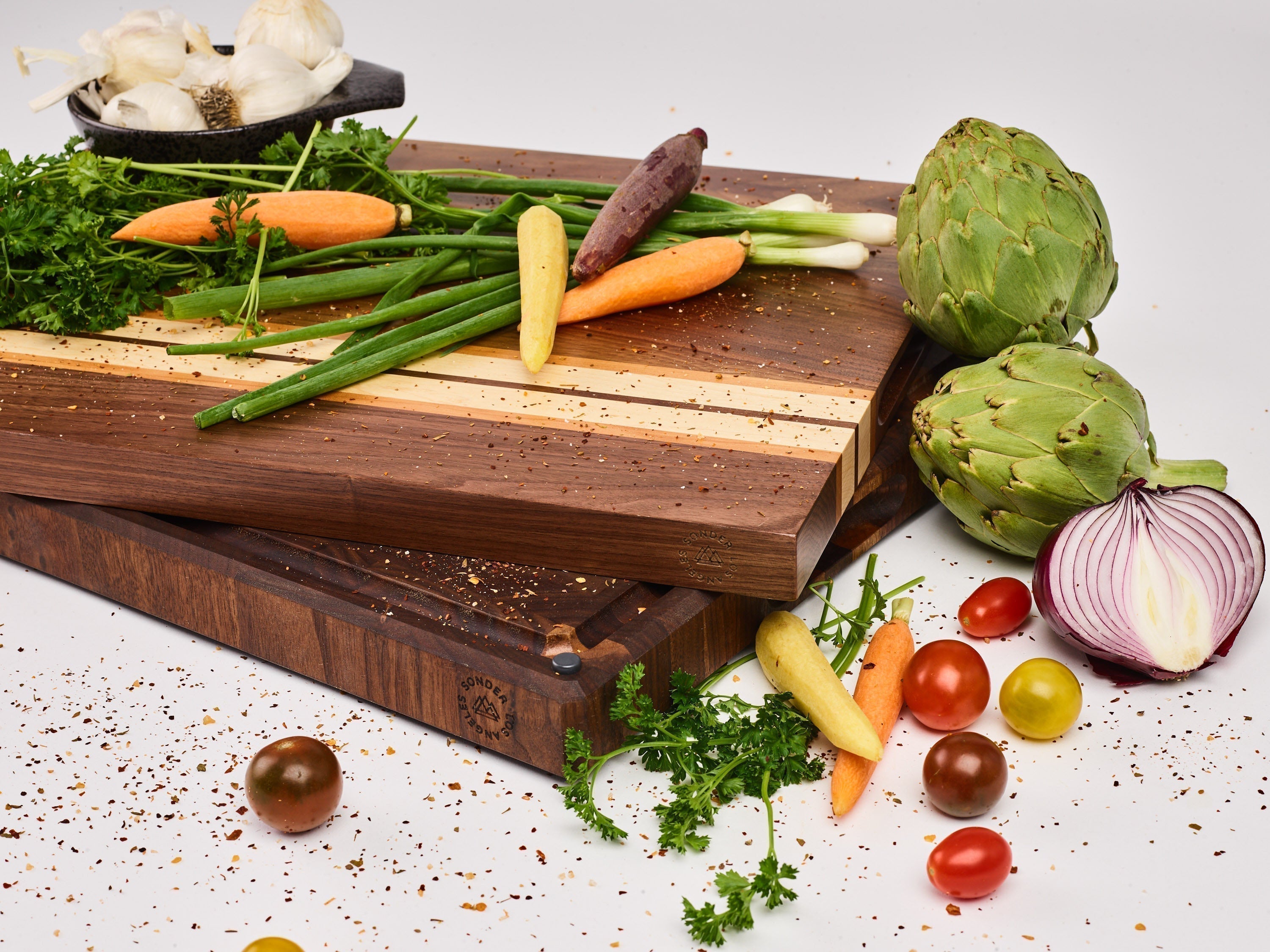
Credit: sonderla.com
Frequently Asked Questions
Is It Safe To Cut Meat On Wood Boards?
Yes, cutting meat on wood boards is safe if properly maintained. Ensure regular cleaning with hot, soapy water. Dry thoroughly to prevent bacteria. Regularly oil your board to maintain its condition. Always use separate boards for raw meat and other foods to avoid cross-contamination.
Do Wood Cutting Boards Harbor Bacteria?
Wood cutting boards can harbor bacteria if not cleaned properly. However, they have natural antimicrobial properties. Regular cleaning and drying are essential. Avoid soaking to prevent damage. Proper maintenance, such as oiling, helps prolong their life and reduces bacterial growth, keeping your kitchen safe.
How Do I Clean A Wood Cutting Board?
Clean your wood cutting board with hot, soapy water after each use. Rinse thoroughly and dry immediately. Avoid soaking to prevent warping or cracking. Occasionally disinfect with a vinegar solution. Regularly oil your board with food-grade mineral oil to maintain its condition and prevent bacteria.
Which Wood Is Best For Cutting Boards?
Hardwoods like maple, walnut, and cherry are best for cutting boards. They are durable and have tight grain structures, which prevent deep cuts. These woods are also less porous, reducing bacteria absorption. Choose end-grain boards for added durability and knife-friendliness, prolonging both board and knife life.
Conclusion
Wood cutting boards can work for cutting meat if cleaned well. They hold up nicely and feel good to use. Always wash boards with hot water and soap after cutting meat. Avoid letting meat juices soak in to stop bacteria growth.
Using separate boards for meat and veggies is a smart idea. This keeps your food safe and your kitchen clean. Choosing wood boards depends on your care habits and preferences. Clean, dry, and maintain them well for best results. Safe cooking starts with good kitchen practices.
Simple steps protect your health every day.