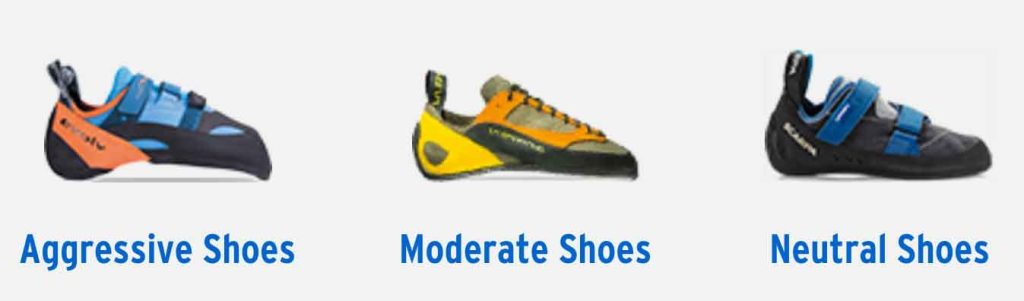
Are you wondering if aggressive climbing shoes are the right choice for your next climb? Choosing the right shoes can make or break your performance on the wall.
Aggressive climbing shoes promise better grip and precision, but they also come with some trade-offs. You’ll discover what makes these shoes different, who should wear them, and how they can boost your climbing skills. Keep reading to find out if aggressive climbing shoes are your next best move.
What Are Aggressive Climbing Shoes
Aggressive climbing shoes are designed for serious climbing. They have a sharp, downward curve that helps hold on to small footholds.
These shoes fit tightly and have a pointed toe. They give climbers better control on steep or overhanging routes.
Shape And Design
Aggressive climbing shoes have a strong downward curve. This shape focuses power on the toe for precision.
The shoes often have a pointed toe to reach small edges. They also have a snug fit to reduce foot movement inside.
- Downturned shape
- Pointed toe box
- Tight fit for support
Materials And Construction
These shoes use stiff rubber soles for grip and support. The upper part is often made of synthetic or leather materials.
Velcro or laces secure the shoe tightly. The rubber covers the toe and edges to help with toe hooks and smearing.
- Stiff rubber soles
- Synthetic or leather uppers
- Velcro or laces for tight fit
- Rubber toe and edge coverage
Use And Performance
Aggressive climbing shoes work best on steep or overhanging rock faces. They help climbers use small footholds and edges.
These shoes are not as comfortable for long climbs. They are made for short, hard moves where precision matters.
- Best for steep and overhanging climbs
- Helps with small footholds and edges
- Less comfortable for long climbs
- Designed for precise foot placement
Key Features Of Aggressive Shoes
Aggressive climbing shoes are designed for hard routes and steep walls. They help climbers perform precise moves on small holds.
These shoes have special features that set them apart from regular climbing shoes. Knowing these features helps you decide if they fit your needs.
Downturned Shape
The downturned shape means the shoe curves downward at the toe. This helps push power to the front of the foot.
This shape is good for steep climbs and tiny footholds. It helps you keep better control on overhangs.
Tight Fit
Aggressive shoes fit very tight to give better sensitivity. They feel like a second skin around your foot.
A tight fit reduces foot movement inside the shoe. This helps with precision on small edges and pockets.
Stiffness And Rubber Quality
These shoes are stiff to support your foot on tiny holds. The stiffness gives power without hurting your foot.
The rubber on aggressive shoes is very sticky. Good rubber helps you grip the rock better and lasts longer.
- Stiff sole for support
- Sticky rubber for grip
- Durable materials for long use
Benefits For Different Climbing Styles
Aggressive climbing shoes have special features. They are designed to help climbers in various ways. Let’s explore how they benefit different climbing styles.
Bouldering Advantages
Bouldering requires short and powerful moves. Aggressive climbing shoes help with this. They have a downturned shape for better toe grip.
These shoes provide more precision on small holds. This is helpful on steep and challenging routes.
- Enhanced toe grip on overhangs
- Better precision on tiny footholds
- Improved footwork on steep terrain
Sport Climbing Uses
Sport climbing involves longer routes. Aggressive shoes are useful here too. They offer support and grip on difficult sections.
These shoes make it easier to stand on small edges. They help maintain balance and control during climbs.
- Support on long, technical routes
- Grip on small edges and cracks
- Maintains balance on challenging sections
Limitations In Trad Climbing
Trad climbing involves placing gear for protection. Aggressive shoes have limits here. They may be uncomfortable on long routes.
Their stiffness can be a downside. Trad climbers need more flexible shoes for crack climbing.
- Less comfort on extended climbs
- Limited flexibility for crack placements
- Not ideal for all-day climbs
When To Choose Aggressive Shoes
Aggressive climbing shoes have a pointed shape and tight fit. They help with steep and difficult climbs. Knowing when to pick these shoes can improve your climbing experience.
It is important to consider your skill, the type of climbing routes, and how often you climb before buying aggressive shoes.
Skill Level Considerations
Aggressive shoes suit climbers who have good technique. Beginners may find them uncomfortable and hard to use. These shoes need precise foot placement and strong feet.
Experienced climbers use aggressive shoes to climb small holds and overhangs. If you are still learning balance and footwork, softer shoes may be better.
Types Of Routes
Aggressive shoes work best on certain climbing routes. They help on steep and technical climbs. If you climb mostly on flat or easy walls, less aggressive shoes can be enough.
- Steep overhangs need pointed shoes for better grip
- Small footholds require precise toe fit
- Slab climbs may not need aggressive shoes
- Bouldering often benefits from aggressive shoes
Frequency Of Use
Think about how often you will use aggressive shoes. They can be tight and less comfortable for long climbs. If you climb every day, you may want more than one pair.
| Frequency | Recommendation |
| Casual (1-2 times/week) | Try aggressive shoes for hard climbs only |
| Regular (3-5 times/week) | Consider a pair for steep routes |
| Daily | Have aggressive shoes plus comfortable shoes |
Potential Drawbacks To Consider
Aggressive climbing shoes are popular for their performance. They help climbers on steep routes. Still, they come with some downsides. Knowing these can help you decide if they fit your needs.
This article covers three main concerns. These are comfort issues, foot health risks, and the break-in period. Read on to learn more about each.
Comfort Issues
Aggressive climbing shoes are designed to fit tightly. This tight fit helps with precision but can cause discomfort. Many climbers feel pain after long use. The pointed shape can squeeze toes uncomfortably.
- Tight fit may cause numbness or tingling
- Pressure points can lead to blisters
- Not ideal for long climbing sessions
- May feel painful during first uses
Foot Health Risks
Wearing aggressive shoes often can affect your foot health. The unnatural shape puts stress on toes and arches. This may cause problems over time. Issues like bunions, hammertoes, or joint pain can develop.
| Risk | Cause | Effect |
| Bunions | Toe crowding | Swelling and pain |
| Hammertoes | Toe curling | Deformity and discomfort |
| Joint pain | Excess pressure | Reduced mobility |
Break-in Period
Aggressive shoes usually need time to break in. They feel very stiff at first. The tight fit can cause soreness during this period. It may take days or weeks before the shoes feel better.
- Wear shoes for short sessions only
- Use them indoors before outdoor climbs
- Stretch toes gently after use
- Choose shoes with some flexibility
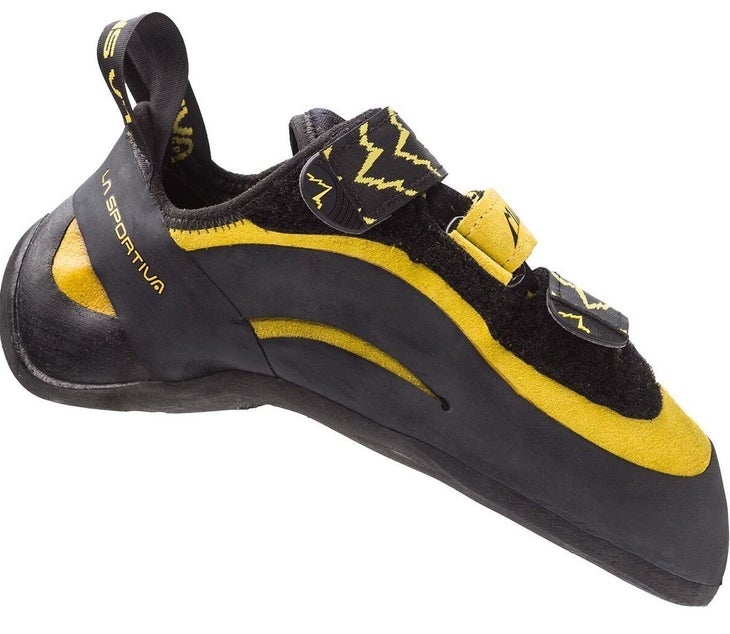
Credit: www.climbing.com
Expert Tips For Buying Aggressive Shoes
Aggressive climbing shoes help with hard climbs and steep routes. Choosing the right pair takes care and knowledge.
These tips will guide you on fit, trying shoes, and good brands to consider.
Proper Fit Guidelines
Aggressive shoes fit tighter than regular climbing shoes. They should feel snug but not painful. Your toes should be curled slightly.
- Check that the heel fits firmly with no slipping
- Toes should press against the front but not cause numbness
- Wear the shoes for short periods at first
- Consider your foot shape when picking the shoe type
Trying Before Buying
Always try aggressive shoes before buying. Sizes differ between brands and models. Bring your climbing socks or go barefoot if you climb that way.
- Put on both shoes and walk around the store
- Test toe and heel fit with simple movements
- Climb on a small wall or hold if possible
- Check for pressure points or discomfort
- Try several sizes and models to compare
Brand And Model Recommendations
| Brand | Model | Best For |
| La Sportiva | Solution | Steep sport climbs |
| Five Ten | Hiangle | Aggressive edging |
| Scarpa | Drago | Precision and sensitivity |
| Mad Rock | Drone | Entry-level aggressive fit |
Caring For Your Aggressive Climbing Shoes
Aggressive climbing shoes need special care to keep them working well. Taking care of them helps the shoes last longer. It also keeps the grip strong and the fit comfortable.
Learn simple ways to clean, maintain, and know when to resole your shoes. This will keep you climbing safely and confidently.
Cleaning Tips
Clean your climbing shoes after each use. Dirt and sweat can damage the material. Use a soft brush to remove dirt from the outside and inside.
Wash shoes by hand with mild soap and warm water. Avoid soaking them. Let them dry naturally away from direct sunlight or heat.
- Remove insoles before cleaning
- Use a soft cloth or brush
- Do not use a washing machine
- Air dry in a cool, shaded area
Maintaining Rubber Grip
The rubber sole is key for good grip on rocks. Keep it clean and free from oils or dirt. Avoid walking on rough surfaces like concrete to prevent wear.
Store shoes in a cool, dry place. High heat can make the rubber hard and less sticky. Check the rubber often for signs of wear or damage.
- Wipe soles with a damp cloth after use
- Avoid walking on abrasive surfaces
- Keep shoes away from heat and sunlight
- Check for cracks or thinning rubber
When To Resole
Resoling means replacing the rubber sole. Do this when the rubber wears thin or has holes. Worn soles reduce grip and can cause slips.
Check your shoes regularly. If the rubber feels smooth or you see the midsole, it is time to resole. Resoling saves money by extending shoe life.
- Look for thin or worn rubber areas
- Check for holes or tears in the sole
- Notice reduced grip on climbs
- Resole before the shoe’s structure gets damaged

Credit: www.reddit.com
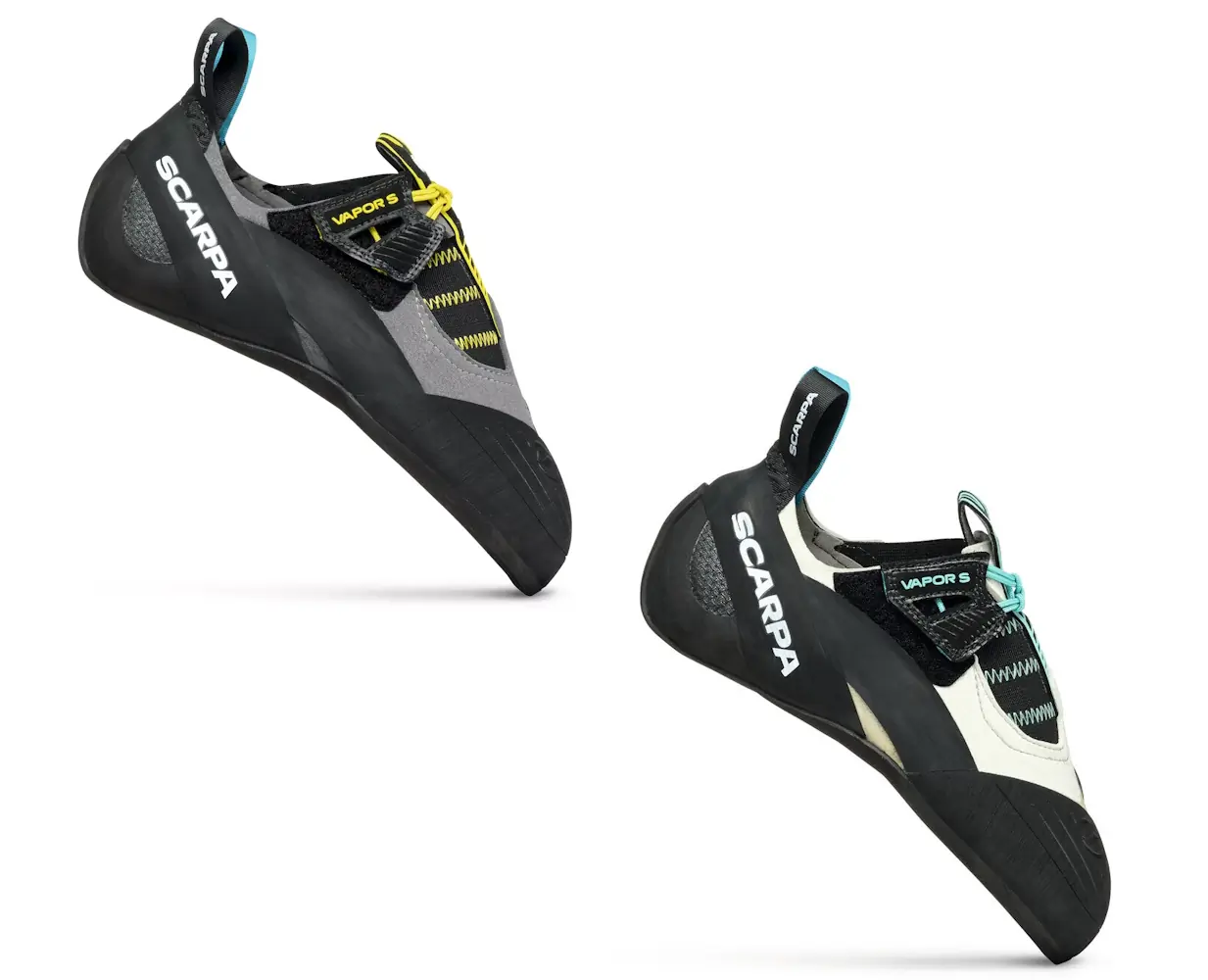
Credit: gearjunkie.com
Frequently Asked Questions
What Are Aggressive Climbing Shoes Used For?
Aggressive climbing shoes are designed for steep, technical climbs. They provide enhanced toe precision and grip on small footholds. These shoes help climbers tackle overhangs and challenging routes effectively.
Are Aggressive Climbing Shoes Comfortable For Beginners?
Aggressive shoes prioritize performance over comfort. Beginners may find them tight and less comfortable initially. It’s best to try them on and gradually adapt to the fit.
How Do Aggressive Climbing Shoes Improve Climbing Performance?
Their downturned shape focuses power on the toes. This allows precise foot placement on tiny holds. The snug fit increases sensitivity and control during technical moves.
Can Aggressive Climbing Shoes Damage Your Feet?
Wearing aggressive shoes for long periods can cause discomfort or pain. Proper fit and limited use reduce risks. Always listen to your feet and take breaks as needed.
Conclusion
Aggressive climbing shoes suit climbers who need precision and tight fits. They help on steep, difficult routes but can feel uncomfortable for long climbs. Consider how often you climb and your skill level before buying. Comfort matters as much as performance.
Trying them on first is best. Choose shoes that match your climbing style and goals. This helps you climb safer and better. Take time to decide, and enjoy your climbing journey.