Are you wondering if leaving your air conditioner on all day is a good idea? You’re not alone.
Many people ask this question because they want to stay cool without wasting money or energy. But what’s the real answer? Should you keep your AC running nonstop, or turn it off when you don’t need it? You’ll discover the surprising facts that can help you make the best choice for your comfort and your wallet.
Keep reading to find out what experts say and how you can save money while staying cool.

Credit: www.bhg.com
Energy Consumption
Air conditionersuse power mainly to cool the air by removing heat. They work by running a compressor and fans, which use electricity.
Running the air conditioner all day means it uses more energy. The compressor runs longer, increasing your electricity bill. Cooling a space that is already cool wastes power.
| Operation | Power Use | Bill Impact |
|---|---|---|
| Off and On as needed | Moderate | Lower bills |
| Left On All Day | High | Higher bills |
Wear And Tear
Running the air conditioner all day increases wear and tear. Parts like the compressor and fan motor work harder. This can lead to more frequent breakdowns. The AC might need repairs sooner. Energy bills can also increase, causing a double cost hit. Continuous use can affect the cooling efficiency too.
Regular maintenance becomes crucial with nonstop use. Filters need frequent cleaning or changing. Dust and debris can clog parts, affecting performance. Regular checks by a technician help keep it efficient. Proper care can extend the life of the unit. Neglecting maintenance can shorten its lifespan.
Comfort Levels
Keeping your air conditioner on all day helps maintain a steady temperature. This avoids big changes in how warm or cool your home feels. Consistent temperatures can make the room feel more comfortablewithout sudden heat or cold.
Air conditioners also help with humidity control. They remove extra moisture from the air. This prevents the room from feeling stickyor damp. Proper humidity levels can improve comfort and protect furniture from damage.
- Stable temperature keeps you cozy all day.
- Better humidity control stops dampness and mold.
- Prevents large temperature swings that cause discomfort.
Alternative Cooling Strategies
Timers and smart thermostatshelp control your air conditioner efficiently. Set the AC to run only during hot hours. This saves energy and lowers bills. Smart thermostats learn your schedule and adjust cooling automatically. They keep rooms cool without wasting power.
Zone coolingfocuses on cooling only the rooms you use. Close vents in unused rooms to save energy. Use fans to spread cool air and make rooms feel comfortable. Fans use less electricity than AC. They help air flow, keeping you cool.
Environmental Impact
Running your air conditioner all day uses a lot of energy and increases pollution. This can harm the environment and raise your electricity bills. Turning it off when not needed helps save energy and protects the planet.
Carbon Footprint Of Ac Usage
Air conditioners use a lot of electricity, which often comes from burning fossil fuels. This process releases carbon dioxide (CO2), a gas that warms the Earth. Running an AC all day raises the carbon footprintmore than using it only when needed. The longer the AC runs, the more energy it uses, increasing pollution and climate change risks.
Older AC units tend to be less efficient and waste more energy. Regular maintenance and using newer models can help reduce energy use. Setting the thermostat to a slightly higher temperature also lowers the carbon footprint. Small changes can make a big difference in saving energy and protecting the environment.
Sustainable Cooling Options
- Fans:Use less power and can cool small spaces effectively.
- Natural ventilation:Open windows and doors to allow cool air inside.
- Shade:Use curtains or plant trees to block sunlight and reduce heat.
- Energy-efficient AC:Choose models with a high Energy Star rating.
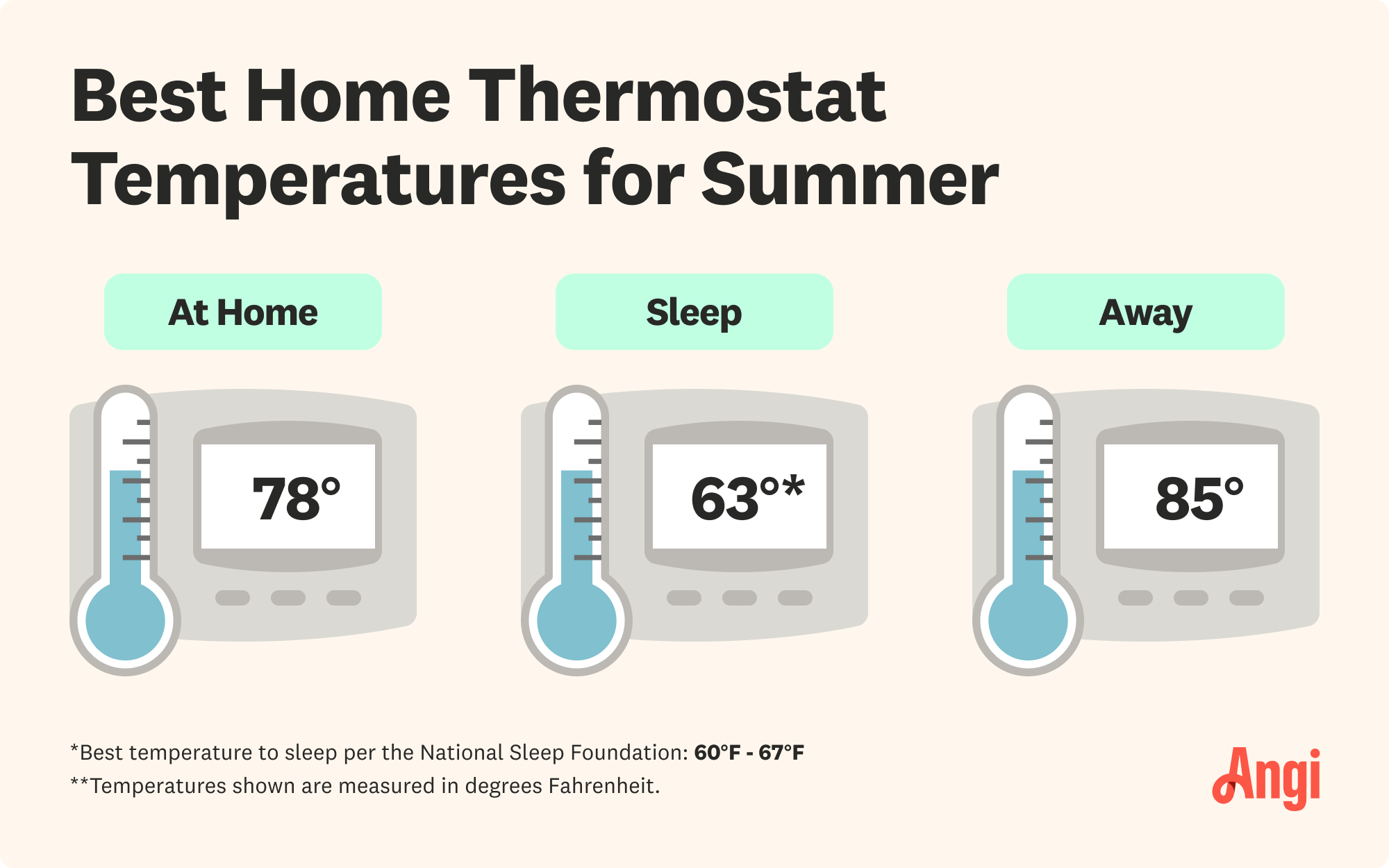
- Smart thermostats:Adjust cooling based on your schedule to save energy.
Credit: www.angi.com
Expert Recommendations
Keeping the AC onduring hot days helps maintain a steady temperature. It prevents the room from getting too hot, so the AC works less hard. This can save energy compared to turning it off and on again.
Turning the AC offmakes sense when no one is home. It saves electricity and lowers your bill. Using a programmable thermostatcan help control the AC better.
- Keep AC on during very hot days for comfort.
- Turn AC off when leaving home for several hours.
- Use a timer or smart thermostat to save energy.
- Close windows and doors to keep cool air inside.
- Set temperature to a moderate level, not too cold.

Credit: www.acostainc.com
Frequently Asked Questions
Should I Keep My Ac On All Day For Cooling?
Keeping your AC on all day can maintain consistent comfort. However, it may increase energy bills. Using a programmable thermostat helps balance comfort and savings by adjusting temperatures when you’re away or asleep.
Does Running Ac All Day Waste Electricity?
Running your AC all day can waste electricity if not managed properly. Modern units with energy-efficient settings use less power. Turning off the AC when not needed or using fans can reduce electricity consumption.
Will Leaving Ac On All Day Damage The Unit?
Leaving your AC on all day generally won’t damage it if maintained well. Regular servicing and cleaning keep it running efficiently. Overworking an old or poorly maintained unit can cause wear and tear.
How Does Constant Ac Use Affect Energy Bills?
Constant AC use increases energy bills due to continuous power consumption. Energy-efficient models and smart thermostats help lower costs. Adjusting temperature settings slightly higher can save significant energy without sacrificing comfort.
Conclusion
Keeping your air conditioner on all day might not save energy or money. Turning it off when not needed helps reduce bills. Setting a comfortable temperature and using a timer works best. Regular maintenance keeps your unit running smoothly and efficiently.
Think about your home’s needs and climate before deciding. Small changes can make a big difference in comfort and cost. Stay cool smartly, without wasting energy or cash.