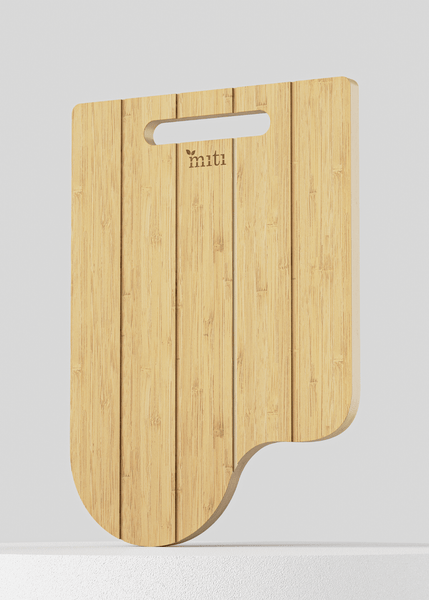
Are you wondering if you should oil your bamboo cutting board? You might think it’s just another kitchen chore, but the truth is, proper care can make a big difference.
Oiling your board can keep it looking fresh, stop cracks, and even make your food prep safer. If you want to protect your investment and keep your cutting board in top shape, understanding when and how to oil it is key.
Keep reading to find out everything you need to know about caring for your bamboo cutting board the right way.
Benefits Of Oiling Bamboo Boards
Bamboo cutting boards are popular for their strength and eco-friendliness. Oiling these boards helps keep them in good shape.
Regular oiling protects the bamboo and makes the board last longer. It also keeps the surface smooth and clean.
Enhances Durability
Oiling bamboo boards adds a protective layer that keeps water and stains out. This layer helps the board resist damage from daily use.
- Prevents water from soaking in
- Reduces wear from knives
- Makes the board stronger over time
Prevents Cracking
Bamboo can dry out and crack if not cared for. Oiling keeps the wood moist and flexible, stopping cracks from forming.
| Without Oil | With Oil |
|---|---|
| Dries quickly | Retains moisture |
| Develops cracks | Stays smooth and solid |
| Shorter lifespan | Lasts many years |
Maintains Appearance
Oiling bamboo boards keeps their natural color bright and fresh. It also stops stains from setting deep into the surface.
- Restores natural shine
- Reduces dullness and discoloration
- Makes cleaning easier
When To Oil Your Bamboo Board
Oiling your bamboo cutting board keeps it strong and looking good. It stops the wood from drying out and cracking.
Knowing when to oil your board helps it last longer and stay safe for food use.
Signs Your Board Needs Oil
Look for these signs to know if your bamboo board needs oil:
- The board looks dry or dull instead of shiny.
- Water drops soak in quickly instead of beading up.
- Small cracks or rough spots appear on the surface.
- The board starts to feel rough or sticky after washing.
Recommended Oiling Frequency
How often you oil your bamboo board depends on how you use it. Here is a simple guide:
| Use Level | Oiling Frequency |
| Heavy use (daily chopping) | Once a week |
| Medium use (few times a week) | Every 2 weeks |
| Light use (once a week or less) | Once a month |
Choosing The Right Oil
Oiling bamboo cutting boards keeps them strong and shiny. It helps stop cracks and warping.
Choosing the right oil is key to protecting your board safely. Some oils are better than others.
Food-safe Oils To Use
Only use oils safe for food contact. These oils soak into bamboo well and protect it.
Oils like mineral oil and some plant oils work great. They keep the board sealed and clean.
- Mineral oil – clear and odorless, easy to find
- Coconut oil – solid at room temperature, good for moisture
- Walnut oil – natural and safe for most people
- Food-grade tung oil – hardens to protect wood
- Beeswax blends – add extra water resistance
Oils To Avoid
Some oils can spoil or be harmful. Avoid oils that can go rancid or are not food safe.
Vegetable oils and olive oil often go bad and smell bad over time. They can ruin your board.
- Olive oil – can turn sticky and rancid
- Canola oil – not stable, can spoil quickly
- Vegetable oil – often contains chemicals
- Linseed oil – unless it is food-grade, avoid it
- Non-food grade oils – never use on cutting boards

Credit: www.amazon.com
Step-by-step Oiling Process
Oiling bamboo cutting boards keeps them strong and looking good. It stops cracks and water damage.
This guide shows the steps to oil your bamboo board correctly. Follow each part carefully.
Cleaning Before Oiling
Clean the board well to remove dirt and food. Use warm water and mild soap. Rinse and dry fully.
- Use a soft sponge or cloth
- Do not soak the board in water
- Dry with a towel or air dry completely
Applying The Oil
Choose food-safe mineral oil or bamboo board oil. Apply it evenly to the surface using a cloth.
| Oil Type | Application Tips |
| Mineral Oil | Use a clean cloth, apply in circular motion |
| Bamboo Board Oil | Apply generously, let soak for 20 minutes |
| Natural Oils (e.g. coconut) | Use only if food-safe and non-rancid |
Drying And Buffing
Let the oil soak in for several hours or overnight. After drying, buff the board to remove excess oil.
- Leave the board in a dry place to absorb the oil
- Use a clean dry cloth to rub the surface gently
- Remove any sticky or oily residue
- Repeat oiling every few weeks for best care
Additional Bamboo Board Care Tips
Oiling bamboo cutting boards helps keep them strong and prevents cracking. Besides oiling, care is important to make your board last long.
Here are some useful tips to care for your bamboo cutting board properly.
Proper Cleaning Techniques
Clean your bamboo board after every use. Use warm water and mild soap. Avoid harsh cleaners that can damage the surface.
Scrub gently with a soft sponge or cloth. Rinse well to remove all soap. Dry the board immediately with a towel.
Avoiding Excess Moisture
Do not soak your bamboo board in water. Bamboo can absorb water and swell or crack. Keep the board dry to maintain its shape.
If your board gets very wet, dry it quickly. Standing water can cause stains and damage the wood fibers.
Storage Recommendations
Store your bamboo board in a dry place with good air flow. Avoid placing it near heat sources or direct sunlight.
Keep the board standing on its side or flat. This stops warping and helps it stay in good condition.

Credit: cheesegrotto.com
Common Mistakes To Avoid
Oiling bamboo cutting boards can keep them in good shape. But some mistakes can harm the board instead.
Knowing what to avoid helps your board last longer and stay safe for food.
Over-oiling
Putting too much oil on your bamboo board can cause problems. The wood may become sticky or soft.
Use a small amount of food-safe mineral oil and rub it in well. Let the board absorb the oil before adding more.
- Apply oil lightly and evenly
- Do not soak the board in oil
- Wipe off any extra oil after application
Using Harsh Chemicals
Strong cleaners can damage bamboo boards. They can strip away natural oils and harm the wood.
Use mild soap and water for cleaning. Avoid bleach or harsh detergents that can weaken the board.
- Clean with gentle dish soap
- Rinse well and dry completely
- Avoid soaking the board in water
Ignoring Regular Maintenance
Not oiling your bamboo board regularly can cause cracks and dryness. The wood loses moisture over time.
Check your board often and apply oil every few weeks. This keeps the bamboo strong and smooth.
- Oil the board monthly or after heavy use
- Keep the board clean and dry
- Store in a cool, dry place

Credit: forest-decor.com
Frequently Asked Questions
Why Oil Bamboo Cutting Boards?
Oiling bamboo cutting boards helps maintain their durability and appearance. Bamboo is naturally porous and can dry out over time. Applying oil creates a protective barrier against moisture and bacteria. Regular oiling also prevents cracks, extending the board’s lifespan. Use food-safe mineral oil for best results.
How Often Should You Oil Bamboo Boards?
Oil your bamboo cutting boards every month or when they appear dry. Regular maintenance keeps them in top condition. Frequent use or washing may require more frequent oiling. Consistent care enhances durability and maintains the board’s natural beauty. Always use food-grade mineral oil for safety.
What Type Of Oil Is Best For Bamboo?
Food-grade mineral oil is the best choice for bamboo cutting boards. It’s safe, odorless, and non-toxic. Mineral oil effectively hydrates and seals the wood surface. Avoid vegetable oils as they can turn rancid. Regular application keeps your bamboo board in optimal condition, enhancing its longevity.
Can You Use Olive Oil On Bamboo Boards?
Avoid using olive oil on bamboo cutting boards. Olive oil can turn rancid over time, causing unpleasant odors. It’s not ideal for long-term preservation. Stick to food-safe mineral oil, which ensures better protection and longevity. Keep your bamboo boards in top shape with proper oiling techniques.
Conclusion
Oiling bamboo cutting boards keeps them strong and long-lasting. It stops cracks and keeps water out. Regular oiling also makes the board look fresh and clean. A dry board can split or stain easily. Just a little oil every few weeks is enough.
This simple step helps your board stay safe for food. Caring for your bamboo board makes cooking more enjoyable. It’s a small effort with big benefits. Keep your kitchen tools working well with easy care.