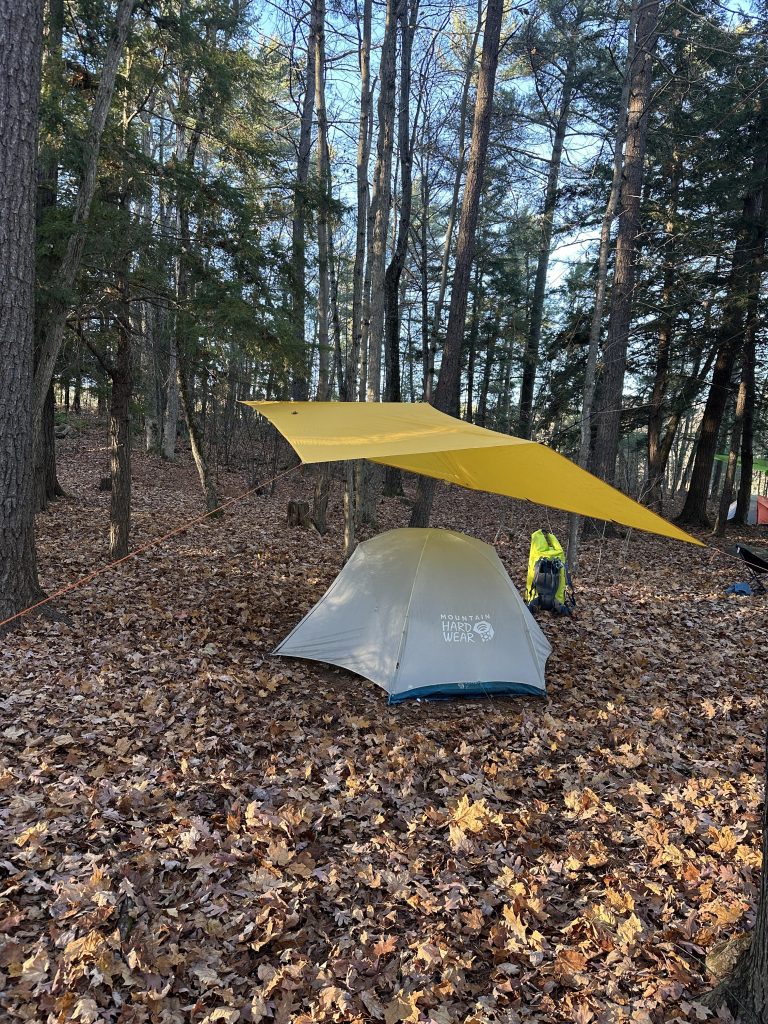
Are you wondering if you really need to put a tarp under your tent? It might seem like an extra step, but the right ground cover can protect your tent, keep you dry, and make your camping experience much more comfortable.
Choosing whether to use a tarp isn’t just about convenience—it can save you time, money, and frustration. Keep reading to find out why this simple addition could make all the difference on your next trip.
Benefits Of Using A Tarp
Using a tarp under your tent adds extra protection. It can make your camping experience better and your tent last longer.
This simple layer helps with water, dirt, and damage from the ground. It also helps keep the inside warmer.
Protects Tent Floor
A tarp acts as a shield for your tent floor. It stops sharp rocks and sticks from poking through.
This protection keeps bugs and dirt from getting inside. It also keeps the floor cleaner and easier to pack up.
Adds Waterproof Layer
The tarp creates a strong waterproof base under your tent. It stops water from soaking through the bottom.
- Keeps the tent dry during rain
- Prevents mud from sticking to the floor
- Helps water run away from the tent
Prevents Wear And Tear
| Wear Cause | How Tarp Helps |
| Friction from rough ground | Reduces rubbing on tent fabric |
| Sharp rocks and sticks | Blocks punctures and tears |
| Moisture damage | Creates dry barrier |
Improves Insulation
A tarp adds a small layer of air between the ground and tent floor. This helps keep cold from coming up.
It can make the tent warmer and more comfortable during cool nights outside.

Credit: www.reddit.com
Types Of Tarps For Camping
Using a tarp under your tent adds an extra layer of protection. It helps keep moisture out and guards the tent floor from damage. Different tarps suit different camping needs.
Here are common types of tarps you can use while camping. Each has unique features and uses.
Polyethylene Tarps
Polyethylene tarps are popular for camping due to their low cost and water resistance. They are made from plastic and come in many sizes and thicknesses.
- Waterproof and durable
- Lightweight but can tear easily
- Often have grommets for easy tying
- Good for short trips or emergency use
Silnylon Tarps
Silnylon tarps are made from nylon fabric coated with silicone. They are strong, lightweight, and pack small. Many backpackers prefer silnylon for its balance of strength and weight.
Silnylon tarps resist water well but need care to avoid sharp objects that can cause tears.
Canvas Tarps
Canvas tarps are thick and heavy but very durable. Made from cotton or a cotton blend, they breathe well and resist tearing. Canvas tarps absorb water but dry slowly.
| Feature | Polyethylene | Silnylon | Canvas |
|---|---|---|---|
| Weight | Light | Very light | Heavy |
| Water Resistance | High | High | Moderate |
| Durability | Moderate | High | Very high |
| Breathability | None | Low | High |
| Cost | Low | Moderate | High |
Custom Tent Footprints
Custom tent footprints fit the exact shape of your tent floor. They provide strong protection and reduce wear and tear. Many campers choose footprints made from durable materials like silnylon or polyester.
Benefits of Custom Tent Footprints:
- Perfect fit for your tent
- Extra protection from rocks and dirt
- Lightweight and easy to pack
- Increases tent lifespan
Choosing The Right Size Tarp
When camping, it’s smart to use a tarp under your tent. The tarp protects your tent from moisture and dirt. Choosing the right size tarp is important for a comfortable camping experience.
Consider the size of your tent and the ground area. A well-sized tarp can make all the difference in keeping your tent dry and clean.
Matching Tent Dimensions
Pick a tarp that matches the size of your tent. It should cover the bottom of the tent without sticking out too much. This helps in preventing water from collecting under the tarp.
Measure your tent’s footprint. Ensure the tarp is slightly smaller than the tent base. This helps in keeping it hidden and effective.
Extra Coverage For Edges
Sometimes, you may want extra coverage on the edges. This is useful for storing gear or taking shoes off. A larger tarp can provide this space.
- Extra space for shoes
- Place for gear bags
- Dry area to sit outside the tent
Avoiding Water Pooling
Avoid having the tarp extend too far beyond the tent. If it does, rainwater can collect on the tarp. This water can seep into the tent.
Always tuck the edges under the tent. This helps channel water away from the tent, keeping it dry inside.
Setting Up A Tarp Correctly
Using a tarp under your tent helps protect the tent floor. It keeps moisture out and adds an extra layer of insulation. Setting up the tarp the right way improves comfort and tent durability.
Knowing how to position and secure the tarp can prevent damage. Follow simple tips to make sure your tarp works well under your tent.
Positioning Under Tent
Place the tarp flat on the ground before setting up your tent. Make sure it is slightly smaller than your tent footprint. This size stops water from collecting under the tent edges.
A tarp that is too large may cause water to pool and damage the tent floor. Keep the tarp centered and smooth to avoid wrinkles that can cause uneven pressure.
Securing Edges
Secure the tarp edges so it stays in place during wind or rain. You can use stakes, rocks, or heavy objects to hold the corners down.
- Use tent stakes to pin the tarp corners firmly.
- Place heavy rocks on tarp edges if stakes are not available.
- Fold edges under the tent to keep the tarp taut.
- Avoid letting tarp edges stick out beyond the tent footprint.
Preventing Tarp Damage
Protect your tarp by avoiding sharp objects and rough surfaces underneath. Clean the ground before placing the tarp and check for sticks or rocks.
| Tip | Reason |
| Clear debris | Prevents punctures and tears |
| Keep tarp smaller than tent | Stops water pooling |
| Secure edges tightly | Avoids wind damage |
| Use durable tarp material | Increases lifespan |
Potential Drawbacks Of Using A Tarp
Using a tarp under your tent can seem helpful at first. It can protect your tent floor from damage. But there are some downsides to think about before you use one.
These drawbacks can affect your camping comfort and tent performance. Here are some of the common issues you might face with a tarp under your tent.
Moisture Trapping Risks
Placing a tarp directly under your tent can trap moisture. This happens because water can collect between the tarp and tent floor. This moisture can cause mold and mildew to grow. It can also damage the tent fabric over time.
To reduce this risk, make sure the tarp is slightly smaller than the tent floor. This helps water drain away instead of collecting under your tent.
Wind And Flapping Noise
A tarp can catch the wind if it is loose or not secured well. This causes flapping noises that can disturb your sleep. The noise may be louder if the tarp is made from thin material.
- Use a tarp with sturdy material to reduce noise
- Secure the tarp tightly with stakes or weights
- Check and adjust tarp tension during windy conditions
Extra Packing Weight
| Item | Weight (oz) |
| Tent | 40 |
| Tarp | 15 |
| Tent Stakes | 8 |
| Total with Tarp | 63 |
Carrying a tarp adds extra weight to your pack. This can be a problem if you hike long distances. Every ounce counts when you carry gear on your back.

Credit: www.reddit.com
When To Skip The Tarp
Using a tarp under your tent can protect the tent floor from damage and moisture. But sometimes, you can skip the tarp and still stay comfortable.
Here are some cases when you might not need a tarp under your tent.
Camping On Hard Surfaces
When you camp on hard surfaces like rock or pavement, a tarp might not help much. These surfaces do not soak up water or dirt.
Since the ground is hard, a tarp will not add much protection for your tent floor.
Using Built-in Tent Floors
Many tents come with strong, waterproof floors. These floors protect against moisture and dirt well.
If your tent has a durable floor, a tarp is not always needed. You can save time and gear space by skipping it.
Short And Casual Trips
For quick trips or casual camping, you might not want to carry extra gear. A tarp adds weight and setup time.
Skipping the tarp can make packing easier and faster for short stays.
Additional Tips For Tent Protection
Protecting your tent helps it last longer and stay in good shape. Using a tarp is helpful, but there are other ways to keep your tent safe.
Simple actions before and after camping can stop damage and keep your tent clean. These tips help you get the most from your gear.
Clearing Ground Debris
Before setting up your tent, clear the ground of rocks, sticks, and leaves. These can poke holes or wear down the tent floor.
Use your hands or a small rake to remove sharp objects. A clean spot keeps your tent fabric safe and comfortable.
- Pick up sharp stones and sticks
- Remove leaves that can trap moisture
- Check for roots that might damage the floor
Regular Tent Maintenance
Check your tent regularly for tears, loose seams, or damaged zippers. Fix small problems before they get bigger.
Clean your tent after each trip. Dirt and mud can weaken the fabric over time. Dry it completely before storing.
- Inspect seams and stitches for damage
- Repair holes with tent patches or tape
- Keep zippers clean and lubricated
- Store your tent in a dry place
Using Tent Footprints
Tent footprints are ground covers made for tents. They fit under your tent to protect the floor from dirt and moisture.
They are lighter and thinner than tarps and prevent damage better. Footprints also help keep your tent clean and dry.
- Choose a footprint that matches your tent size
- Set up the footprint before pitching the tent
- Make sure it does not extend beyond the tent edges
- Use footprints to reduce wear and tear on the tent floor

Credit: www.reddit.com
Frequently Asked Questions
What Are The Benefits Of Using A Tarp Under A Tent?
Using a tarp protects your tent floor from moisture, dirt, and damage. It adds an extra layer of insulation. This helps keep the tent dry and extends its lifespan. A tarp also makes cleaning easier after camping.
Can A Tarp Prevent Tent Floor Damage?
Yes, a tarp acts as a barrier between the tent and rough ground. It prevents tears, punctures, and abrasion caused by rocks or sticks. This protection helps maintain the tent’s durability and comfort during camping trips.
Should Tarp Size Match The Tent Footprint Exactly?
No, a tarp should be slightly smaller than the tent footprint. If it’s larger, rainwater can collect under the tent. A slightly smaller tarp prevents water pooling and protects only the tent’s base area effectively.
Does Using A Tarp Improve Tent Insulation?
Yes, a tarp adds an extra insulating layer between the ground and tent floor. This reduces heat loss and cold seeping up from the ground. It helps keep the tent warmer in chilly conditions.
Conclusion
Using a tarp under your tent can protect it from moisture and dirt. It helps keep the tent floor dry and clean. A tarp also adds extra ground insulation for comfort. Choose a tarp slightly smaller than your tent base to avoid water pooling.
Simple steps like this improve your camping experience. Think about the camping conditions and your gear before deciding. A good setup means a better, safer night outdoors. Try it once, and you might not camp without it again.