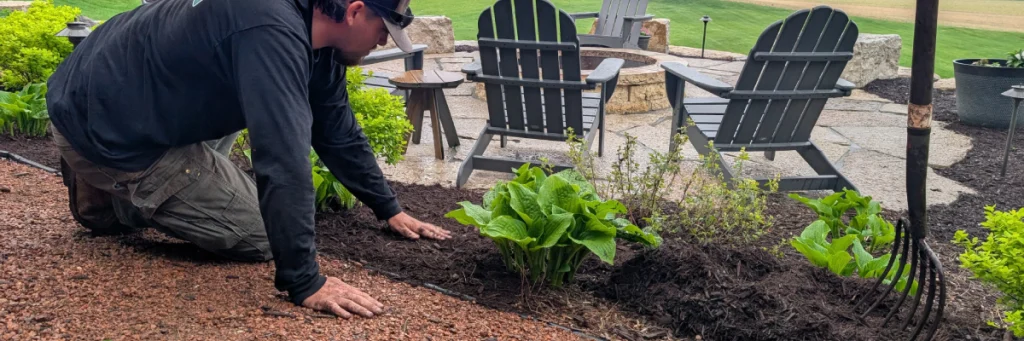
Are you planning to spruce up your garden with fresh mulch? You might be wondering whether adding landscape fabric underneath is a smart move.
This decision can significantly impact the health and beauty of your garden. Imagine having a weed-free garden that requires less maintenance and stays lush longer. Sounds ideal, right? But is landscape fabric the secret ingredient, or does it do more harm than good?
Stay with us as we unravel the truth behind using landscape fabric under mulch. Your garden’s future might just depend on it.
Purpose Of Landscape Fabric
Landscape fabric is a material used in gardens and yards. It is placed under mulch or soil.
This fabric helps control weeds and protect the soil. It lets water and air pass through.
Weed Prevention Benefits
Landscape fabric blocks sunlight from reaching weed seeds. This stops many weeds from growing.
It reduces the need to pull weeds by hand or use chemicals. Mulch on top helps keep the fabric in place.
- Blocks sunlight to weed seeds
- Reduces weed growth under mulch
- Less manual weeding needed
Soil Moisture Retention
Landscape fabric helps keep soil moist by reducing water evaporation. This saves water in dry weather.
Water can still reach roots because the fabric lets water pass through. Plants grow better with steady moisture.
- Reduces water loss from soil
- Allows water to reach plant roots
- Supports healthy plant growth
Longevity Of Garden Beds
Using landscape fabric can extend the life of garden beds. It keeps soil from washing away in rain.
The fabric helps prevent soil compaction and erosion. Mulch on top protects the fabric and soil.
- Prevents soil erosion
- Reduces soil compaction
- Keeps garden beds healthy longer
Types Of Landscape Fabric
Landscape fabric helps control weeds and keeps mulch in place. It comes in different types to fit your garden needs.
Choosing the right fabric depends on the material, durability, and cost. Let’s explore these types.
Woven Vs Non-woven Materials
Woven fabrics are made by weaving plastic threads tightly. They allow water to pass but block most weeds.
Non-woven fabrics use pressed fibers. They often hold water better and break down faster than woven types.
- Woven fabric is strong and lasts longer
- Non-woven fabric absorbs water and is softer
- Woven blocks more weeds but is less flexible
- Non-woven is easier to cut and place
Biodegradable Options
Biodegradable fabrics break down naturally over time. They are made from materials like jute or coconut fiber.
These fabrics help the soil but need replacing more often than plastic ones.
- Good for organic gardening
- Will decompose in months to years
- Less harmful to the environment
- May not block weeds as long as plastic fabrics
Durability And Cost Factors
Durability depends on fabric type and thickness. Woven fabrics usually last several years.
Biodegradable options cost more but break down naturally. Plastic fabrics cost less but stay in the soil longer.
| Fabric Type | Durability | Cost |
|---|---|---|
| Woven Plastic | 3 to 10 years | Low to medium |
| Non-Woven Plastic | 1 to 5 years | Low to medium |
| Biodegradable (Jute, Coconut) | 6 months to 2 years | Medium to high |
Pros Of Using Fabric Under Mulch
Using landscape fabric under mulch offers many benefits for your garden. It helps improve plant health and garden care.
This fabric acts as a barrier that supports soil and plant growth in different ways.
Reduced Weed Growth
Landscape fabric blocks sunlight from reaching weed seeds. This stops many weeds from sprouting. It reduces the need to pull weeds often.
- Prevents weed seeds from growing
- Reduces weed competition for water and nutrients
- Keeps garden beds cleaner and neater
Easier Garden Maintenance
Using fabric under mulch makes garden work simpler. It keeps mulch in place and stops soil from washing away. This lowers the time spent fixing garden beds.
| Maintenance Task | With Fabric | Without Fabric |
|---|---|---|
| Weed Removal | Less frequent | Often needed |
| Mulch Replacement | More stable | More often |
| Soil Erosion Control | Effective | Less effective |
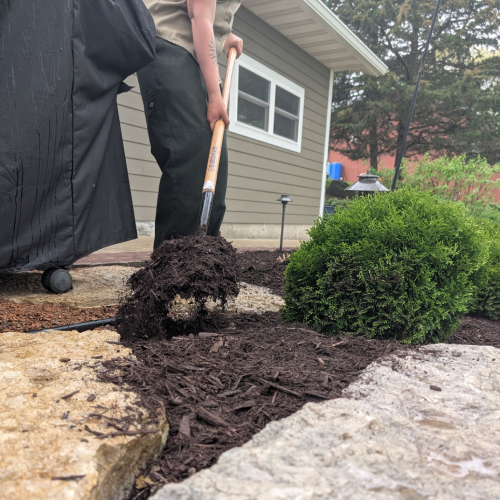
Improved Soil Temperature Control
The fabric helps keep soil warmer in cool weather. It also keeps soil cooler in hot weather. This creates a better environment for roots.
Credit: www.carringtonlawn.com
Cons Of Using Fabric Under Mulch
Landscape fabric is often used under mulch to control weeds. It can seem helpful at first. But there are some drawbacks to using fabric under mulch.
These problems can affect your soil, plants, and water flow. It is important to know these cons before choosing fabric under your mulch.
Water Drainage Issues
Fabric can block water from reaching the soil well. This can cause water to pool on top or run off too fast. Poor drainage harms plant roots and soil health.
Water may not spread evenly under the fabric. This creates dry spots where plants struggle to grow.
Soil Health Concerns
Fabric stops natural materials from mixing into the soil. Leaves and other organic matter cannot break down properly. This reduces the nutrients in the soil.
- Limits earthworm movement
- Blocks air flow to roots
- Prevents natural soil bacteria growth
- Stops organic matter from decomposing
Potential For Fabric Breakdown
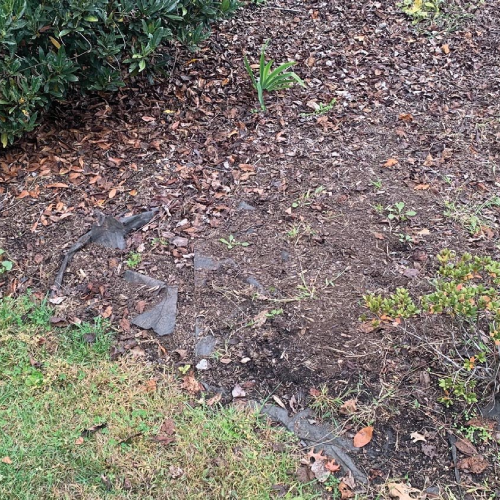
Fabric can break down over time due to sun and water. Pieces may mix with soil and mulch. This creates small plastic bits in the garden.
| Issue | Effect |
|---|---|
| UV exposure | Fabric weakens and tears |
| Water damage | Fabric loses strength |
| Soil contact | Microplastics enter soil |
When To Use Landscape Fabric
Landscape fabric helps control weeds and keep soil healthy. It works best in certain garden areas. Knowing when to use it saves time and effort.
This guide covers three key places to use landscape fabric. You will learn how it benefits new beds, high-weed zones, and permanent plantings.
New Garden Beds
Use landscape fabric under mulch in new garden beds to stop weeds early. It lets water and air reach roots while blocking sunlight. This helps young plants grow strong without competition.
High-weed Areas
In spots with many weeds, landscape fabric can reduce weed growth. It acts as a barrier and lowers the need for constant weeding or chemicals.
- Clear the area of big weeds before laying fabric
- Overlap fabric edges to prevent weed gaps
- Secure fabric with pins or staples
- Cover fabric with mulch to protect it from sun
Permanent Plantings
Landscape fabric works well under mulch for plants you keep long-term. It helps keep roots moist and soil temperature steady. This support helps plants stay healthy.
| Benefit | Details |
| Weed Control | Blocks weed growth without chemicals |
| Soil Moisture | Reduces evaporation for steady moisture |
| Soil Temperature | Keeps roots warmer in cool weather |
| Root Protection | Prevents soil erosion around plants |
Credit: www.carringtonlawn.com
When To Skip Landscape Fabric
Landscape fabric can help control weeds under mulch. But it is not always the best choice for every garden area.
Skipping fabric in some spots can help plants grow better and make garden care easier.
Annual Flower Beds
Annual flowers need to be changed every year. Using landscape fabric can make planting and removing flowers hard.
It can also stop water and nutrients from reaching the roots. Skip fabric to keep your flower beds healthy.
Vegetable Gardens
Vegetables grow best in soil that breathes well. Fabric can block air and water from reaching roots.
It also makes it harder to add compost and soil amendments. Avoid fabric to help your vegetables grow strong.
Areas With Heavy Mulch
Heavy mulch can stop most weeds without fabric. Using fabric under thick mulch can trap moisture and cause rot.
In these areas, mulch alone works well. Skip fabric to keep soil healthy and avoid problems.
Installation Tips
Using landscape fabric under mulch can help control weeds and keep soil moist. Proper installation is important for the best results.
Follow these tips to prepare the soil, place the fabric correctly, and secure it well in your garden or yard.
Preparing The Soil
Clear the area of weeds, rocks, and debris before laying the fabric. The soil should be smooth and level to prevent gaps.
Loosen compacted soil with a rake or tiller. This helps water reach the roots and improves fabric effectiveness.
- Remove all weeds and roots
- Take out stones and sticks
- Level the soil surface
- Loosen soil for better water flow
Proper Fabric Placement
Roll out the fabric smoothly over the soil. Overlap edges by 6 to 12 inches to stop weeds from growing through gaps.
Cut holes or slits for plants you want to keep. Avoid stretching the fabric too tight to allow for soil movement.
- Lay fabric flat without wrinkles
- Overlap edges by 6-12 inches
- Cut openings for existing plants
- Do not stretch fabric tightly
Securing The Fabric
Use landscape staples or pins to hold the fabric in place. Place staples every few feet along edges and seams.
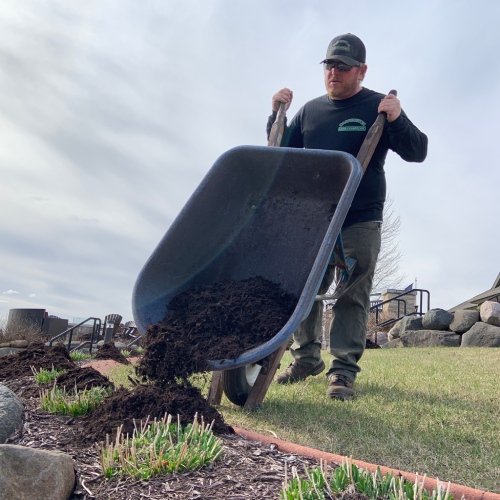
Add mulch on top to weigh down the fabric and protect it from sunlight. This helps the fabric last longer.
- Insert staples every 2 to 3 feet
- Focus on edges and overlaps
- Cover fabric with a thick mulch layer
- Check fabric regularly for movement
Credit: www.carringtonlawn.com
Alternatives To Landscape Fabric
Many gardeners wonder if they should put landscape fabric under mulch. Some choose not to use fabric at all. There are good alternatives that help stop weeds and keep soil healthy.
These options also help water reach the roots easily. They break down naturally and improve the soil over time.
Organic Mulch Alone
Using only organic mulch like wood chips or leaves can control weeds well. It also adds nutrients to the soil as it breaks down.
Apply a thick layer, about 3 to 4 inches deep. This blocks sunlight and stops many weed seeds from sprouting.
- Choose bark, straw, or shredded leaves
- Replenish mulch yearly for best results
- Keep mulch a few inches away from plant stems
Cardboard Or Newspaper Layers
Lay cardboard or several layers of newspaper on soil before adding mulch. This creates a barrier that blocks weeds.
These materials break down over time and enrich the soil. They also allow water and air to pass through easily.
- Remove any tape or colored ink from cardboard
- Use 4 to 6 layers of newspaper for best effect
- Wet the layers to keep them in place
- Cover with a thick mulch layer to hide the paper
Living Ground Covers
Planting ground covers helps block weeds naturally. These plants spread and cover the soil surface.
They keep soil moist and add beauty to the garden. Choose low-growing plants that fit your climate and soil type.
- Examples: clover, creeping thyme, or moss
- Plant densely to prevent weed growth
- Ground covers reduce the need for mulch
- They provide habitat for beneficial insects
Frequently Asked Questions
What Is The Purpose Of Landscape Fabric Under Mulch?
Landscape fabric blocks weeds while allowing water and air to reach soil. It helps reduce weed growth and soil erosion under mulch layers.
Does Landscape Fabric Improve Mulch Longevity?
Yes, fabric prevents mulch from mixing with soil. This keeps mulch cleaner and helps it last longer by reducing decomposition.
Can Landscape Fabric Harm Plant Roots?
No, quality landscape fabric is porous and allows roots to breathe. It supports healthy root growth while controlling weeds.
Is Landscape Fabric Necessary Under Organic Mulch?
It’s optional but recommended. Fabric helps control weeds and keeps mulch in place, enhancing garden appearance and maintenance.
Conclusion
Using landscape fabric under mulch can help control weeds effectively. It stops many weeds from growing through the soil. But it can also block water and air from reaching plant roots. Some plants may not grow well with fabric underneath.
Choose fabric if you want less weeding and easier garden care. Skip it if you prefer natural soil feeding and more water flow. Think about your plants and garden needs before deciding. The right choice makes your garden healthier and easier to maintain.