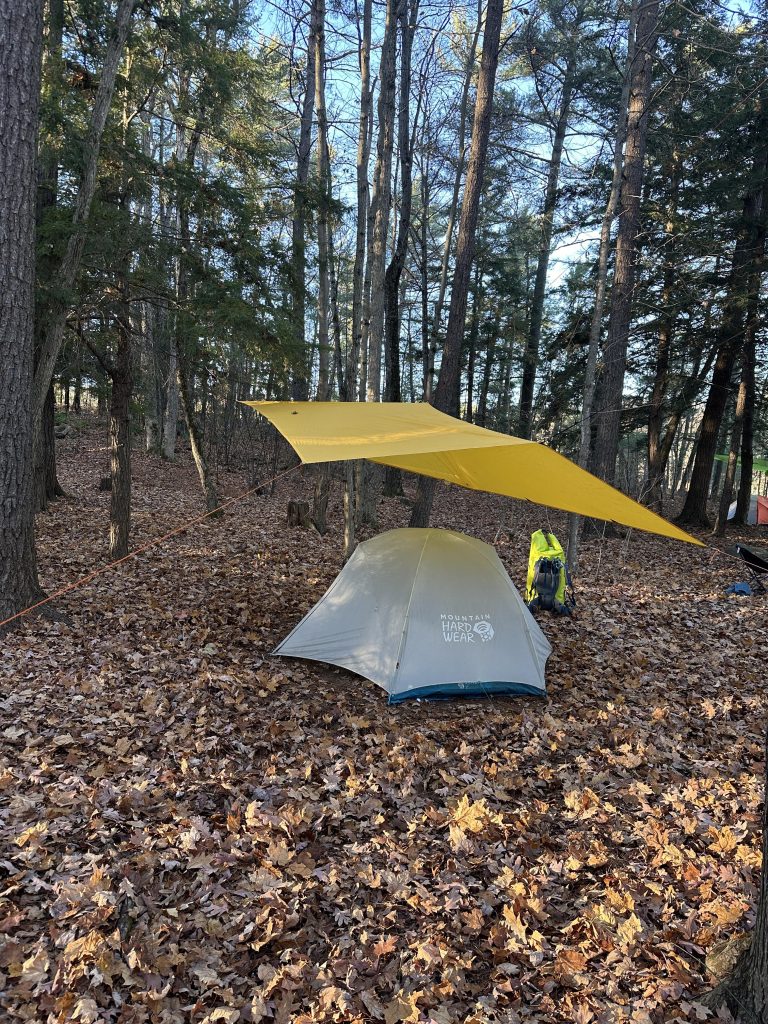
Have you ever woken up in the middle of your camping trip to find your tent soaked from the ground up? It’s an experience no camper wants to have.
You might wonder if there’s a simple solution to prevent this soggy situation. That’s where the question comes in: should you put a tarp under your tent? This decision could be the difference between a cozy night’s sleep and a damp, uncomfortable one.
By the end of this article, you’ll have all the information you need to make the best choice for your next adventure. Stick around to discover how this small step can make a big difference in your camping experience.
Benefits Of Using A Tarp
Using a tarp under your tent can improve your camping experience. It adds a layer of protection between the ground and your tent floor.
A tarp helps keep your tent dry and clean. It also makes your tent more comfortable and lasts longer.
Extra Moisture Protection
A tarp stops moisture from the ground from soaking into your tent floor. It acts as a shield against water and damp soil.
This protection keeps your sleeping area dry and comfortable. It helps prevent mold and mildew inside your tent.
Ground Insulation
A tarp adds an extra layer that blocks cold from the ground. This helps keep you warmer during chilly nights.
The tarp also cushions the tent floor. It makes sleeping on hard or rocky ground more comfortable.
Extended Tent Lifespan
Placing a tarp under your tent protects the bottom from damage. It prevents tears and holes from sharp rocks or sticks.
This protection helps your tent last for many camping trips. It saves you money by reducing repair or replacement needs.

Credit: www.reddit.com
Choosing The Right Tarp
Placing a tarp under your tent can protect it from moisture and damage. Picking the right tarp is important for a safe and dry camping trip.
This guide covers material types, size and fit, and weight to help you choose the best tarp for your needs.
Material Types
Tarp materials affect durability, water resistance, and weight. Common options include polyethylene, nylon, and canvas.
- Polyethylene:Waterproof and affordable but can be heavy.
- Nylon:Lightweight and strong but may need a waterproof coating.
- Canvas:Durable and breathable but heavier and takes longer to dry.
Size And Fit
Choose a tarp size that covers the tent floor completely. It should extend a few inches beyond the tent edges to protect against water runoff.
| Tarp Size | Recommended Tent Size | Notes |
|---|---|---|
| 6 x 8 feet | 2-person tent | Small tents need smaller tarps for a good fit |
| 8 x 10 feet | 3-4 person tent | Standard size for most small family tents |
| 10 x 12 feet | 5+ person tent | Larger tents require bigger tarps for full coverage |
Weight Considerations
Think about the tarp weight if you carry gear on foot. Lightweight tarps ease your load but may cost more.
Here are some weight ranges for common tarp materials:
- Polyethylene: 12-20 ounces per square yard
- Nylon: 3-8 ounces per square yard
- Canvas: 16-24 ounces per square yard
Proper Tarp Setup
Placing a tarp under your tent protects the bottom from damage. It also helps keep moisture away. A well-set tarp can make camping more comfortable.
Setting up the tarp correctly is important. This guide explains how to place, secure, and avoid water problems with your tarp.
Placement Tips
Choose a flat spot to lay your tarp. Make sure the tarp is slightly smaller than the tent floor. This prevents water from collecting under the tent walls.
- Pick level ground free of sharp rocks and sticks
- Keep the tarp edges inside the tent edges
- Leave some space around the tent for rain runoff
Securing The Tarp
Secure the tarp to stop it from moving or blowing away. Use stakes or heavy objects to hold the corners. Make sure it is tight but not stretched too much.
- Stake tarp corners into the ground
- Use rocks or logs if stakes are not available
- Avoid wrinkles that can trap dirt or water
Avoiding Water Puddles
Water puddles can damage your tent floor and cause discomfort. Position your tarp so water runs off easily. Check the ground slope before setting up.
- Place tarp on a gentle slope if possible
- Do not let tarp edges rise above tent walls
- Clear leaves and debris that block water flow
Common Mistakes To Avoid
Putting a tarp under your tent protects it from damage and water. But many campers make mistakes when using tarps. These errors can cause leaks and wear.
Knowing what to avoid helps you keep your tent dry and safe. Here are common tarp mistakes and how to fix them.
Overlapping Edges Incorrectly
Placing the tarp edges inside the tent floor can trap water. This leads to water pooling under the tent. It can cause leaks and damage.
Always let the tarp edges extend beyond the tent floor. This way, water runs off the tarp and away from your tent.
- Keep tarp edges at least 6 inches outside the tent
- Do not fold or tuck tarp edges under the tent
- Check tarp edges after rain to ensure proper runoff
Using Damaged Tarps
Old or torn tarps do not protect your tent well. Holes let water and dirt through. Weak spots can rip further under pressure.
Always inspect your tarp before camping. Replace tarps with big tears or many holes. A strong tarp keeps your tent safe and dry.
- Look for holes, tears, or worn areas
- Check grommets and edges for damage
- Use a tarp repair kit for small holes
Ignoring Terrain
Placing a tarp on sharp rocks or sticks can puncture it. This lets water in and harms your tent floor. The ground surface matters a lot.
Clear the area of sharp objects before laying your tarp. Smooth, flat ground protects both tarp and tent. This helps prevent damage and leaks.
- Remove rocks, sticks, and debris from the site
- Pick flat spots to avoid water pooling
- Test the ground by walking barefoot for sharp objects
When You Might Skip The Tarp
Using a tarp under your tent can protect the tent floor from damage and moisture. But there are times when you do not need to use one. Knowing when to skip the tarp helps you pack lighter and set up faster.
Some tents already have strong, waterproof floors. Also, dry weather and short trips may not require extra ground protection. Let’s look at these cases in detail.
Waterproof Tent Floors
Many modern tents come with built-in waterproof floors made of durable materials. These floors keep water from seeping in during rain or damp ground. If your tent has a high-quality waterproof floor, you might not need a tarp.
Skipping the tarp can reduce weight and setup time. But be careful not to damage the floor by placing the tent on rough surfaces.
Dry Weather Camping
When camping in dry weather, the ground is less likely to be wet or muddy. This lowers the chance of moisture getting inside the tent. In these conditions, a tarp might be less necessary.
- Choose a flat, clean spot for your tent
- Avoid areas with heavy morning dew
- Check the weather forecast before camping
Short Duration Trips
For quick trips, using a tarp may add extra work and weight. If you plan to camp for one or two nights, skipping the tarp can save time.
| Benefit | Details |
|---|---|
| Less Gear | Carry fewer items and set up faster |
| Lightweight | Reduces overall pack weight |
| Easy Cleanup | Skip washing or drying a tarp |

Credit: www.reddit.com

Credit: www.reddit.com
Frequently Asked Questions
Should I Put A Tarp Under My Tent?
Yes, placing a tarp under your tent protects the floor from moisture, sharp objects, and dirt. It extends the tent’s life and adds extra insulation, making your camping experience more comfortable and dry.
What Size Tarp Should Go Under A Tent?
The tarp should be slightly smaller than the tent’s footprint. This prevents water from pooling between the tarp and the tent floor, keeping the interior dry and avoiding damage to the tent material.
Can A Tarp Cause Moisture Problems Under A Tent?
If the tarp is too large or directly under the tent floor, it can trap moisture. Using a correctly sized tarp and ensuring proper ventilation helps prevent condensation and keeps your tent dry.
Does A Tarp Improve Tent Insulation?
Yes, a tarp adds an extra layer between the ground and tent, reducing heat loss. It helps keep the tent warmer in cold weather and cooler in hot weather by providing insulation.
Conclusion
Using a tarp under your tent helps protect it from moisture and dirt. It also adds an extra layer against sharp rocks or sticks. This simple step can make your camping more comfortable and keep your tent longer. Choosing the right tarp size matters to avoid water pooling.
Overall, a tarp is a smart, easy way to improve your outdoor experience. Camping becomes easier and more enjoyable with this small addition. Give it a try on your next trip.