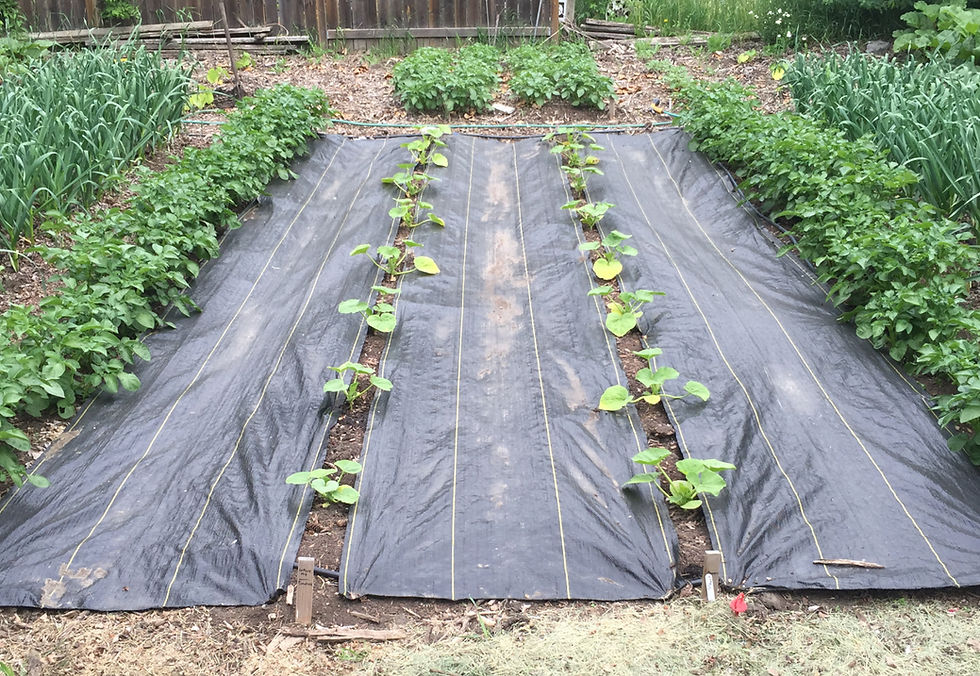
Are you planning a raised garden bed and wondering if you should put a weed barrier underneath? It’s a common question that can save you time, effort, and frustration.
Imagine spending hours planting only to have weeds take over your garden. Using a weed barrier might be the simple trick you need to keep your plants healthy and your garden looking neat. But is it really worth it? You’ll discover the pros and cons of adding a weed barrier under your raised bed, so you can make the best choice for your garden.
Keep reading to find out what works—and what doesn’t.
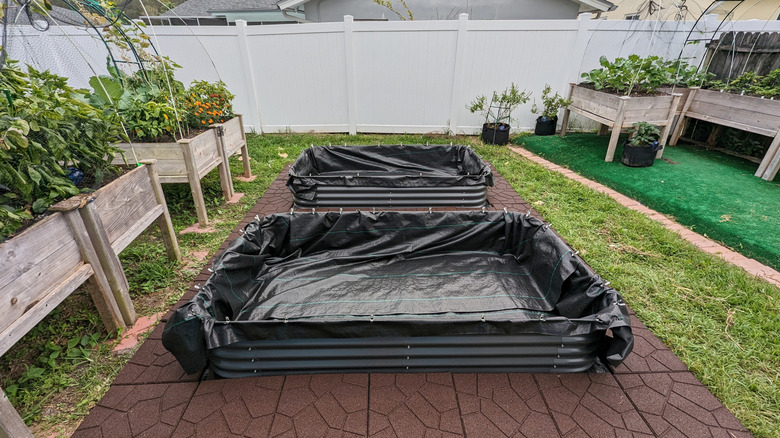
Credit: www.housedigest.com
Purpose Of Weed Barriers
Weed barriers help keep unwanted plants from growing in your garden. They block weeds by stopping sunlight from reaching the soil. This reduces the need for weeding and helps your plants grow better.
Using weed barriers under raised garden beds can save time and effort. They also keep the soil clean and reduce competition for water and nutrients.
How Weed Barriers Work
Weed barriers create a physical layer between the soil and the surface. This layer blocks sunlight and stops weed seeds from sprouting. Some barriers also allow water and air to pass through, helping plants below.
- Block sunlight to prevent weed growth
- Allow water and air to reach the soil
- Reduce soil erosion and moisture loss
- Make weeding easier and less frequent
Types Of Weed Barriers
There are many types of weed barriers. Each type works differently and suits different garden needs. Choosing the right one depends on your garden setup and plants.
| Type | Description | Pros | Cons |
| Plastic Sheeting | Solid plastic layer | Blocks all light, very effective | Does not let water through |
| Landscape Fabric | Permeable woven fabric | Lets water and air pass | Needs to be covered with mulch |
| Newspaper/Cardboard | Recycled paper layers | Biodegradable and cheap | Breaks down quickly |
| Organic Mulch | Wood chips, straw, leaves | Improves soil as it breaks down | Needs regular replacement |
Benefits Of Using Weed Barriers
Weed barriers are materials placed under raised garden beds. They help gardeners keep their beds clean and healthy. Using weed barriers can save time and effort in garden care.
These barriers block weeds from growing up into the garden bed. They also help protect the soil and plants. Many gardeners find weed barriers useful for better garden management.
Weed Control Efficiency
Weed barriers stop weeds from growing through the soil. This reduces the need to pull weeds by hand. It keeps the garden bed neat and clean.
By blocking sunlight, weed barriers prevent weed seeds from sprouting. This lowers the number of weeds in your raised bed.
- Blocks weed growth from below
- Reduces manual weeding time
- Keeps garden bed tidy
Soil Moisture Retention
Weed barriers help keep moisture in the soil. They reduce water loss from evaporation. This means plants get water longer after watering.
With better moisture retention, plants stay healthy during dry days. It also lowers how often you need to water the garden.
- Slows water evaporation
- Maintains steady soil moisture
- Reduces watering frequency
Improved Garden Bed Longevity
Weed barriers protect the garden bed’s base from soil erosion. They keep soil in place and stop it from washing away. This helps the garden bed last longer.
The barrier also blocks roots from weeds that can damage the bed’s structure. This keeps the bed stronger and in good condition over time.
- Prevents soil erosion
- Blocks invasive weed roots
- Extends garden bed life
Potential Drawbacks
Using a weed barrier under a raised garden bed may seem like a good idea. It can stop weeds from growing up through the soil. Still, this method has some downsides that gardeners should think about before installing one.
Understanding the possible problems helps you decide if a weed barrier is right for your garden. This section covers issues related to soil health, drainage, and the cost and effort of installation.
Impact On Soil Health
Placing a weed barrier beneath the soil can limit the natural movement of organisms. Earthworms and microbes play a big role in keeping soil healthy. A barrier may block them from reaching the soil above.
- Reduces soil aeration
- Prevents organic matter from mixing in
- Limits beneficial insect activity
- May cause soil to become compacted
Drainage Concerns
Drainage is very important in raised beds. Weed barriers can sometimes trap water or slow drainage. This can lead to water pooling or roots staying too wet.
| Drainage Factor | Effect of Weed Barrier |
| Water flow | May slow down or block |
| Root health | Roots may stay too wet |
| Soil moisture | Can cause uneven moisture levels |
| Bed lifespan | Possible damage from trapped water |
Cost And Installation Effort
Installing a weed barrier adds extra cost and work. You need to buy the material and place it carefully. Mistakes in installation can reduce its effectiveness.
- Measure your bed area accurately
- Cut fabric to fit without gaps
- Secure edges to prevent lifting
- Check for tears or holes before adding soil

Credit: www.reddit.com
When To Use Weed Barriers
Weed barriers help control unwanted plants in raised garden beds. They stop weeds from growing and competing with your crops.
Using a weed barrier is not always necessary. It depends on your soil, plants, and the materials you use for your bed.
Soil And Climate Considerations
If your soil has many weed seeds, a barrier can reduce weed growth. It works well in areas with dry climates where weeds spread fast.
In rainy or humid places, weeds grow quickly. A barrier helps keep them down but may also hold moisture. Check if your plants need extra airflow.
- Use barriers in soil full of weed seeds
- Good for dry climates with fast weed growth
- Consider moisture and airflow in wet climates
Types Of Plants And Crops
Some plants are sensitive to soil moisture and airflow. Weed barriers can change these conditions, affecting plant health.
Root vegetables and shallow-rooted plants may grow better without barriers. Use barriers for larger plants that need less root space.
- Use barriers for deep-rooted plants
- Avoid barriers for shallow-rooted crops
- Check plant water and air needs before using
Raised Bed Material Compatibility
Wood, metal, and plastic raised beds react differently with weed barriers. Some materials trap moisture, which can cause damage.
Use breathable barriers with wooden beds to prevent rot. Plastic or metal beds may not need a barrier but it can help with weed control.
- Wood beds need breathable weed barriers
- Metal and plastic beds may not require barriers
- Check material moisture retention before adding barrier
Installation Tips
Using a weed barrier under your raised garden bed helps control weeds and improve soil health. Proper installation makes sure the barrier works well and lasts long.
Follow these tips to prepare, select, and place the weed barrier correctly for best results in your garden.
Preparing The Site
Clear the area where you want to place your raised bed. Remove rocks, roots, and old plants to create a smooth base. This helps the barrier lie flat and stay in place.
- Remove all debris and weeds
- Level the ground surface
- Check for proper drainage
- Mark the bed boundaries with stakes or string
Choosing The Right Barrier
Select a durable, breathable material that blocks weeds but lets water and air pass through. Common options include woven landscape fabric and heavy-duty plastic.
| Material Type | Water Permeability | Durability |
| Woven Landscape Fabric | High | Medium to High |
| Heavy-Duty Plastic | Low | High |
| Natural Mulch | High | Low (needs replacement) |
Proper Placement Techniques
Lay the barrier flat on the prepared ground. Overlap edges by at least six inches to prevent weeds from slipping through. Secure the barrier to stop it from moving.
- Spread the barrier over the entire bed area
- Overlap edges by 6 inches or more
- Pin the fabric with landscape staples or heavy rocks
- Cut holes only where you will plant to keep weeds out
- Place your raised bed frame on top and fill with soil

Credit: www.reddit.com
Alternative Weed Control Methods
Placing a weed barrier under a raised garden bed is common. It helps stop weeds but is not the only way to control them.
There are other natural and easy methods to keep weeds away. These methods can protect your plants and soil health.
Mulching Options
Mulching covers the soil and blocks weed growth. It also keeps the soil moist and cool for your plants.
You can use many materials for mulch. Some are organic and break down to add nutrients to the soil.
- Wood chips or bark
- Straw or hay
- Grass clippings
- Leaves
- Compost
Natural Weed Suppressants
Certain plants can stop weeds from growing by taking up space and nutrients. These are called natural weed suppressants.
Cover crops like clover or rye grass can protect your garden bed. They also improve soil health and prevent erosion.
- Clover
- Rye grass
- Alfalfa
- Buckwheat
Regular Maintenance Practices
Weeds grow fast and spread quickly. Regular care helps stop them before they take over your garden bed.
Pull weeds by hand or use simple tools to remove them early. Keeping the bed clean reduces weed seeds in the soil.
- Inspect beds weekly for new weeds
- Remove weeds before they flower
- Keep pathways and edges tidy
- Aerate soil to help plants grow strong
Frequently Asked Questions
Is A Weed Barrier Necessary Under Raised Beds?
Using a weed barrier under raised beds can prevent unwanted weeds. It helps maintain soil health and reduces garden maintenance. However, it can also hinder beneficial organisms and soil drainage. Consider your specific garden needs and conditions before deciding.
What Materials Are Best For Weed Barriers?
Common weed barrier materials include landscape fabric, cardboard, and newspaper. Landscape fabric is durable but can be costly. Cardboard and newspaper are affordable and biodegradable. Choose based on your budget and environmental preferences.
Can Weed Barriers Affect Soil Drainage?
Weed barriers can impact soil drainage by trapping moisture. This can lead to waterlogged soil if not managed properly. Ensure proper drainage by using breathable materials and monitoring soil moisture levels regularly.
Do Weed Barriers Prevent All Weeds?
Weed barriers significantly reduce weed growth but may not eliminate all weeds. Some persistent weeds might still find a way through. Regular maintenance and inspection can help address these stubborn invaders.
Conclusion
Using a weed barrier under your raised garden bed can save time and effort. It helps stop weeds from growing through the soil. This keeps your plants healthier and your garden neater. But, choose the right material to allow water to drain well.
Remember, a good barrier can make gardening easier and more enjoyable. Think about your garden needs before deciding. A simple step like this can protect your plants and reduce work. So, consider a weed barrier for a cleaner, healthier garden space.