Have you ever wondered if you should turn off your air conditioner during a thunderstorm? It’s a question many homeowners face but don’t always find clear answers to.
Lightning, power surges, and sudden outages can make you worry about your AC’s safety—and your electric bill. What if leaving it on causes damage or wastes energy? Or what if turning it off makes your home unbearably hot? You’ll discover the simple, practical advice you need to protect your air conditioner and keep your home comfortable when the storm rolls in.
Keep reading to learn what experts say and what you should really do next time thunder strikes.

Credit: genzryan.com
Risks Of Using Ac In Thunderstorms
Using your air conditioner during a thunderstorm may cause problems. Thunderstorms bring strong winds, lightning, and power surges.
These factors can damage your AC or create safety risks. It is important to know what can happen.
Electrical Surges And Damage
Lightning can cause electrical surges in your home. These surges can travel through power lines to your AC unit.
Electrical surges may damage the AC’s compressor, motor, or control board. Repairs can be costly and take time.
- Power spikes can burn out AC circuits
- Lightning strikes may cause permanent damage
- Surge protectors may reduce but not stop damage
Safety Hazards
Running your AC during a thunderstorm can be unsafe. Lightning can cause electrical fires or shocks if wiring is damaged.
Water from heavy rain or flooding may reach outdoor AC units. This increases the risk of short circuits and shocks.
- Damaged wiring can cause electric shocks
- Water near AC units increases fire risk
- Turning off AC reduces safety risks during storms
Impact On Ac Performance
Thunderstorms can affect how well your AC works. Power fluctuations may cause the AC to stop or run poorly.
Frequent power interruptions can shorten the AC’s lifespan. It may also lead to higher energy use and repairs.
- Power instability causes AC to cycle on and off
- Performance drops during electrical issues
- Protecting AC ensures longer, better operation
Benefits Of Turning Off Ac
Thunderstorms can cause power surges and electrical problems. Turning off your air conditioner during a storm keeps it safe.
It also helps reduce risks like fire and saves energy. Here are some key benefits of turning off your AC during thunderstorms.
Protecting Electrical Components
Thunderstorms can cause sudden power surges. These surges can damage your AC’s electrical parts.
Turning off the AC prevents these parts from getting harmed. It helps your air conditioner last longer.
Reducing Fire Risks
Power surges from storms can cause short circuits. Short circuits may start fires in your AC unit.
Switching off the AC lowers the chance of fire. It keeps your home safer during bad weather.
Energy Savings
Storms often bring cooler air and rain. Your AC does not need to work hard in this weather.
Turning off the AC saves electricity. This helps reduce your power bill and energy use.
When To Keep Ac On
Deciding whether to keep your air conditioner on during a thunderstorm can be tricky. It depends on several factors related to safety and comfort.
This guide explains when it is safe and beneficial to run your AC during a storm.
Built-in Surge Protection
Many modern air conditioners come with built-in surge protection. This feature helps protect the unit from power spikes caused by lightning strikes or electrical surges during storms.
- If your AC has surge protection, it is safer to keep it running during mild thunderstorms.
- Older models without this feature are at higher risk of damage and should be turned off.
- Always check your AC manual to confirm if surge protection is included.
Storm Intensity Considerations
The strength of the storm plays a big role in your decision. Light storms with little lightning and wind pose less risk to your AC.
| Storm Type | AC Recommendation |
| Light Rain with Few Flashes | Safe to keep AC on |
| Moderate Storm with Frequent Lightning | Consider turning AC off |
| Severe Thunderstorm or Tornado Warning | Turn AC off to protect unit |
Indoor Comfort Needs
Sometimes, your comfort inside the home is a priority. If the heat and humidity are high, you might want to keep the AC on despite the storm.
Here are some tips to balance comfort and safety:
- Use a surge protector plug for extra safety.
- Close windows and doors to keep the cool air in.
- Turn off the AC if you notice power flickers or outages.
Precautionary Measures
Thunderstorms can cause power surges that may damage your air conditioner. Turning off the unit during storms can help protect it. Taking safety steps reduces the risk of electrical problems.
It is important to prepare your air conditioner before storms. Follow simple precautions to keep your home safe and your equipment working well.
Using Surge Protectors
Surge protectors stop sudden voltage spikes from harming your air conditioner. They act as a shield between your AC and electrical supply. Using good surge protectors can save you repair costs.
Choose surge protectors made for heavy appliances. Plug your air conditioner into them to reduce damage risk during storms.
- Install surge protectors at the main electrical panel
- Use plug-in surge protectors for window units
- Replace old or worn-out surge protectors regularly
Regular Maintenance
Keep your air conditioner clean and well-maintained. Regular checks help find problems before storms hit. This lowers the chance of damage or breakdowns.
Check filters, coils, and electrical parts often. Fix small issues like loose wires or dirt build-up quickly.
- Clean or replace air filters monthly
- Inspect wiring and connections yearly
- Clear debris around outdoor units
Safe Electrical Practices
Follow safety rules to protect yourself and your air conditioner during storms. Avoid touching electrical equipment when lightning is near. Turn off the AC at the breaker if needed.
Unplug appliances if a storm is coming and you cannot turn them off safely. Use proper grounding for your electrical system to reduce shock risks.
- Do not use the air conditioner during a thunderstorm
- Turn off the circuit breaker if lightning occurs
- Keep electrical panels dry and sealed
Handling Power Outages
Thunderstorms can cause power outages that affect your air conditioner. Turning off your AC during a storm helps protect it from damage.
It is important to know how to restart your AC safely after an outage. Also, you should learn how to avoid damage and consider backup power options.
Restarting Your Ac Safely
Wait at least 5 minutes before turning your AC back on after power returns. This prevents damage to the compressor.
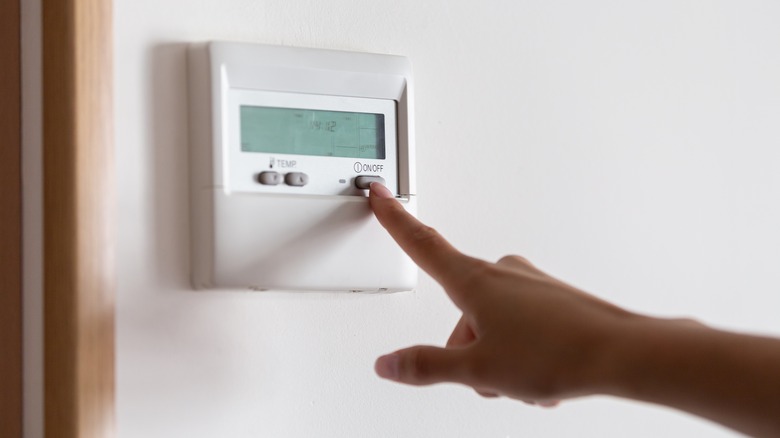
Turn the thermostat off first, then turn on the main power. After a few minutes, set the thermostat to your preferred temperature.
Avoiding Damage After Outages
Power outages can cause electrical surges that harm your AC. Use surge protectors to reduce this risk.
Check your AC for unusual noises or smells after power returns. Call a professional if you notice any problems.
- Turn off AC during storms to prevent damage
- Use surge protectors to guard against surges
- Inspect AC after outages for any issues
Backup Power Options
A backup power source can keep your AC running during outages. Generators and battery backups are common options.
Choose a backup that matches your home’s power needs. Test it regularly to ensure it works when needed.
- Portable or standby generators provide power during outages
- Battery backups supply short-term electricity
- Regular testing keeps backup systems ready
Credit: www.housedigest.com

Credit: www.stoneheatair.com
Frequently Asked Questions
Should I Turn Off Ac During A Thunderstorm?
Yes, turn off your AC during a thunderstorm to protect it from power surges. Thunderstorms can cause electrical spikes that may damage your air conditioner’s components. Switching off the AC helps prevent costly repairs and ensures safety.
Can Lightning Damage My Air Conditioner?
Lightning can cause power surges that damage your air conditioner. These electrical spikes can fry internal parts, leading to malfunction or failure. To avoid damage, it’s best to turn off and unplug your AC during storms.
Is It Safe To Use Ac In Heavy Rain?
Using AC during heavy rain is generally safe if there’s no lightning. However, power fluctuations during storms might harm your unit. Turning off the AC during severe weather is a safer choice to protect your equipment.
How Does A Thunderstorm Affect Air Conditioner Performance?
Thunderstorms can cause voltage fluctuations that disrupt AC performance. Power surges may cause the unit to shut down or run inefficiently. Turning off your air conditioner during storms helps maintain its longevity and efficiency.
Conclusion
Turning off your air conditioner during a thunderstorm is often the safest choice. Lightning can cause power surges that harm your unit. Keeping it off helps avoid damage and saves repair costs. Your comfort is important, but safety comes first.
After the storm, check your system before switching it back on. This small step protects your home and keeps your air conditioner working well. Stay safe and take smart care during storms.